Author Archives: Gayla

Bar Management Checklist: 9 Tips to Run a Bar Successfully

In the United States, the bar and nightclub industry is a thriving sector valued at $35.3 billion. Bars, also known as pubs or taverns, offer a range of alcoholic beverages alongside light food options.

If you want to step inside this industry and drive growth, you have to be aware of effective bar management. Today I’ll delve into some key bar management tips in this article. This guide will surely help your establishment stand out and succeed.

Top 10 Tips for Bar Owners to Boost Your Business Today

Running a successful bar takes more than just good drinks. Effective bar management involves strategic planning, excellent customer service, and a keen eye for detail. Here are the top 10 bar management tips

1. Leverage Events, Themes & Promotions to Fill Slow Nights

Trivia nights pull in regulars. People come back week after week if you keep it fun and consistent.

Karaoke works if your crowd is into it. Not every bar needs karaoke, but it can pack a room on slow nights.

Industry nights target service workers. Offer discounts to bartenders, servers, and kitchen staff from other spots. They come in after their shifts and bring friends.

Live music brings energy. Local bands are often affordable and draw their own audience.

Seasonal or holiday-themed nights give you easy marketing hooks. Halloween, St. Patrick’s Day, Super Bowl Sunday—these are built-in excuses for people to go out.

Drink flights let customers sample multiple drinks without committing to full pours. It boosts ticket size and introduces people to new options.

Happy hour bundles work better than simple discounts. Pair a drink with an appetizer for a set price. You protect your margins while giving customers a deal.

Pick one or two events that fit your crowd. Test them. Keep what works and drop what doesn’t.

2. Train and Cross-train Your Team Properly

Train your team properly. This way, they will know how to handle any situation. Cross-training staff allows them to perform multiple roles. This is essential during busy times. Well-trained employees provide consistent service.

Additionally, they maintain high standards and contribute to a smoother operation. This practice is a cornerstone of effective bar management. Cross-training also builds a more versatile team. It becomes easier to cover shifts and handle unexpected absences. Employees feel more competent and confident. Therefore, regular training sessions and updates keep everyone on the same page. They become ready to deliver the best customer service.

3. Create an Outstanding Company Culture

A strong company culture keeps employees motivated and loyal. Encourage teamwork. You should also recognize their hard work. Always maintain open communication. A positive culture leads to happy employees.

This translates to better customer service. This way, you can create a welcoming environment that customers will love. An outstanding company culture also attracts top talent. People want to work where they feel valued and appreciated.

Regular team-building activities and open communication channels can strengthen these bonds. You can create a cohesive unit. Such a unit works well together and supports each other. It ensures smooth operations and a pleasant workplace.

Also Read: How to Build A Strong and Effective Restaurant Culture

4. Listen to Your Bartenders

Your bartenders are on the front lines. They interact with customers daily. Listen to their feedback. You will understand customer preferences. You can improve service accordingly.

Their input can lead to new ideas and better bar management practices. Involve your bartenders in decision-making. This way, you can boost their morale and make them feel valued.

This collaborative approach can result in innovative drink recipes, efficient workflows, and enhanced customer interactions.

5. Keep the Bar Clean

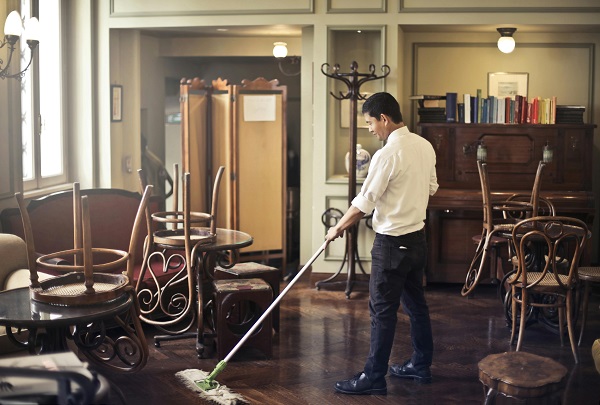
A clean bar attracts customers. It ensures safety. Regularly sanitize surfaces, clean glassware, and maintain hygiene standards. A spotless bar reflects professionalism and keeps customers coming back. You should also do deep cleans regularly.

Maintain your bar’s hygiene daily. This routine prevents dirt and grime from building up. Cleanliness also extends to restrooms and common areas. So, these areas should always be in top condition. Implement a strict cleaning schedule. Assigning specific tasks. This way, you can maintain your bar’s high standards consistently.

Also Read: Free Restaurant Cleanliness Checklist

6. Serve a Creative Signature Cocktail Menu

A unique cocktail menu sets your bar apart. Create signature drinks. Make sure the drinks showcase your bar’s personality. Customers love trying exclusive beverages they can’t find elsewhere. This boosts sales and enhances the bar’s reputation.

You can rotate seasonal specials and themed drinks. Keep the menu exciting and encourage repeat visits. Collaborate with your bartenders to invent new cocktails. Consider customer feedback to refine your offerings.

7. Keep Track of Inventory

Effective inventory management prevents losses. Also, it ensures you never run out of stock. Regularly count your inventory. Additionally, track usage and reorder supplies in time. This practice helps control costs and reduces waste.

Accurate inventory tracking is a key bar management tip. Implement a reliable inventory system. It will help you streamline the entire process. You will get real-time data. The best thing is, you will be notified when supplies run low. Regular audits and spot checks can also prevent theft and identify discrepancies.

8. Hire Live Musicians

Live music draws in crowds. Hire talented musicians to perform regularly at your bar. This attracts more customers. They stay longer and spend more. Host local bands and solo artists. It helps create a sense of community and support the local arts scene. Promote these events through social media and local listings. This way, you can attract new patrons.

9. Offer Private Events

Host private events. Such events improve your bar’s revenue and visibility. Offer your space for parties, corporate events, and celebrations. Promote these events to attract a diverse clientele. Private events create new opportunities for revenue.

Your bar becomes a versatile venue. Provide tailored packages and exceptional service. These bar management strategies can help you turn one-time guests into regular customers.

Collaborate with event planners and local businesses to maximize your event offerings. Private events can fill slower nights and generate significant income, enhancing your bar’s reputation and profitability.

10. Build Relationships With Regulars (Your Highest-Margin Customers)

Regulars are what keep your bar going. In most places, they bring in more than half the money each week. Take care of them and they’ll keep coming back. Better yet, they’ll bring their friends.

The small stuff matters. When your bartender knows someone’s name or what they usually drink, that person feels at home. And when people feel comfortable, they spend more. It’s that simple.

You don’t need complicated programs. A drink special just for regulars works because it feels personal. A punch card is easy to run and shows you appreciate the people who support you every week. You can also have your staff suggest drinks based on what someone’s ordered before. Nothing fancy. Just pay attention to what they like.

What you’re really doing is building trust. Your regulars don’t want to feel like they’re being sold to. They want to know you see them. When they feel that, they stay longer. They come in more often. They try new drinks without thinking twice about it.

That’s the steady business that keeps your doors open.

Final thoughts

Follow these bar management tips. Transform your bar into a thriving hotspot. Each tip contributes to a better customer experience and a more efficient operation. Use this bar management guide to ensure your bar runs smoothly and stands out in the competitive nightlife industry.

Also Read: How to Open a Wine Bar: Key Steps to Follow

FAQs

1. How to Make Your Bar Unique?

Invest in distinctive bar furniture that reflects your theme and style. Serve a creative signature cocktail menu, hire live musicians, and host special events. Create a memorable atmosphere that sets your bar apart from competitors.

2. How do I keep my bar busy?

Offer regular promotions and happy hours, host live music and themed nights. Maintain an engaging social media presence. Provide excellent customer service and create a welcoming atmosphere. This way, you can encourage repeat visits and attract new customers.

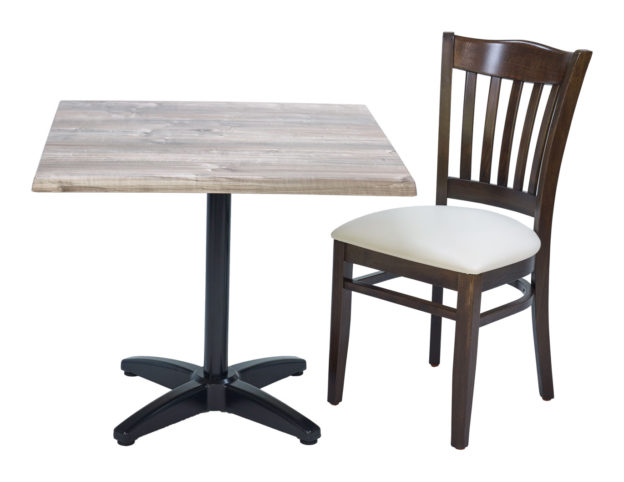
Restaurant table bases and Tops

How to Match Restaurant Table Tops with the Table Bases in Your Restaurant?

Have you ever noticed how tables at some restaurants are wobbly, unstable, or tip over? Restaurant tables are the centerpiece and a crucial design element of any dining space and require special attention. Many restaurant owners treat their restaurant table tops and bases as different objects and order them separately.

However, not all table bases can match your selected table tops. The opposite is also true. Therefore, you must match your restaurant table tops with the right table bases that add durability and stability. Perfectly matched table bases lay a strong foundation of comfort and safety for your guests while dining.

Now that you know the importance of matching table tops with bases, read on to learn about different types of bases and how you can choose the perfect one for your requirements:

How To Choose Table Base?

When deciding the perfect table base for your restaurant, you need something that is functional, durable and looks good. Here are the four crucial features to look for in a table base:

1. Material

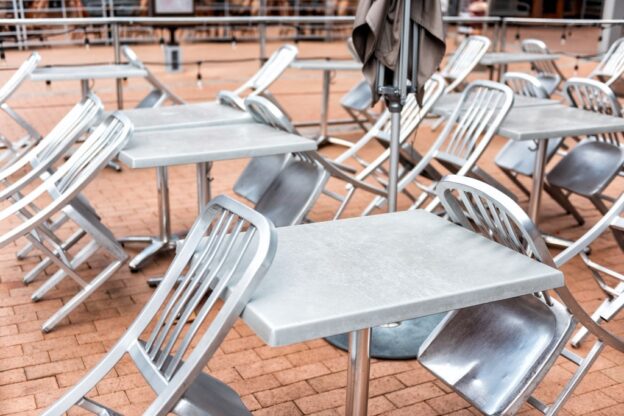
The choice of material for your table base depends on the intended use. For example, while aluminum is a perfect material for outdoor table bases, other less expensive options work great indoors. Indoors or outdoors, select a cost-effective and convenient material.

2. Appearance

The look and feel of your table bases support the tabletop, which drives the ambiance inside your restaurant, and ambiance remains one of the top reasons why people prefer dining out.

3. Adjustable Height

Having a fixed table height might not work in all settings. For example, standard chair height and bar chair height vary significantly, and your table base vendor must have height options to accommodate different setups. 

4. Configuration

As explained below, the type of table bases you require depends on the weight and size of your table tops.

What Are the Popular Table Base Types?

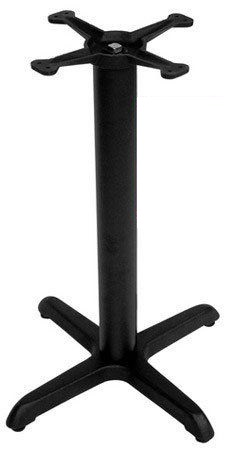
1. X-Base

As the name suggests, an X-base resembles the letter ‘X’ at the point of contact of the table base with the floor. Also known as cross base, although many designs prefer X-bases with square or rectangle table tops, you can fit round table tops on them as well. The X-base design has four contact points with the floor and creates a functional yet stylish look. 

2. Round Base

Similar in design to the X-base, round bases feature a circular plate at the bottom. Although a bit heavier, round bases are sturdy and offer space for customers to sit comfortably and rest their feet. The heavy construction makes this base design perfect to pair with heavier or larger table tops without compromising stability. While round bases are popular with round table tops, some designs match round bases with square tops as well. When choosing a round base for your table top, ensure that the base is smaller than the top to allow your guests’ movement. 

3. T Base

T-base designs are suitable for supporting long table tops. Also called end table bases, these bases are popular with rectangular table tops. Most restaurant tables use these bases as support at each end for holding large table tops. For larger tables, you can consider two or more T-bases to distribute the load evenly and provide extra stability.

Table Base Size Chart

Although you can find several table-base size calculators online, the handy chart below can be a good starting point to know what table-base dimensions you should consider before you decide. 

Table Top Shape Table Top Size Table Base Size  
    Round X-Base
Round 24” – 30” (Diameter) 17” 22” x 22”
  36” (Diameter) 22” 30” x 30”
  42” (Diameter) 30” 36” x 36”
  48” – 60” (Diameter) 30”
Square 24” x 24” 17” 22” x 22”
  30” x 30” 17” 22” x 22”
  36” x 36” 22” 30” x 30”
  42” x 42” 30” 36” x 36”
Rectangle 24” x 30” 17” 22” x 22”
  24” x 42” 22” 22” x 30”
  24” x 48” 22” 22” x 30”
  30” x 42” 22” 22” x 30”
  30” x 48” 22” 22” x 30”
  36” x 36” 17” (2) 22” x 22” (2)
  42” x 42” 22” (2) 22” x 22” (2)
       

Space Consideration While Choosing Table Bases

While selecting the table bases, there is more to consider than just their looks. Any busy restaurant looks for ease in cleaning and maintenance to increase the table turnover rate and maximize their capacity. Here are some space considerations while choosing table bases for your restaurant:

  • Although round or square bases are easy to clean, you can’t push the chairs fully in. 
  • On the contrary, X-bases are space-efficient as they allow you to push in but are cumbersome to clean. 
  • Some designs feature bolt-down bases that compromise the flexibility of moving or rearranging your restaurant tables.

Restaurant Table Tops and Bases Compatibility

As you might have noticed in the table base chart above, no one base size fits all table tops. To ensure compatibility of table tops and bases, you must consider

  • Size of the table top
  • Weight of the table top

While the table top size consideration is a bit obvious, many restaurant owners forget to take into account its weight. For example, although heavier, bulky tables might look pretty, they are difficult to shift and move for events. Moreover, the heavier your table top is the bigger or wider base you will require to support it, which escalates the price.  On the other hand, heavier tables like granite are very durable and long lasting, which saves money in the long run.

How to Match Restaurant Table Tops with Bases?

Once you have finalized your restaurant table tops, it’s time to match them with the correct bases. Depending on the size and weight of your table tops, you can select the best material, shape, and size for the table base.   

While the chart for the table base dimensions gives a rough idea for matching restaurant table tops with bases, they are not binding. If you opt for an unusually thick or bulky table top, use a table base at least two sizes bigger than our minimum recommendations with a column thickness of more than 4 inches.  If you have any concerns at all about matching bases to your desired tables, discuss it with a qualified restaurant furniture vendor who will make sure you get the perfect base for your table the first time.

Summing it up

Matching your restaurant table top with the perfect table base dimension might appear confusing or even intimidating. However, with a bit of research and understanding of your requirements, this task gets effortless. 

This article lists the top things to consider while choosing bases for your restaurant tables. Whether you are refurbishing your restaurant or opening a new one, these points will guide you in matching the table bases with your restaurant table tops.

FAQs

Q. How much overhang should a table top have?

A. A standard table top must have overhang between 2-4 inches.

Q. How wide should a table base be compared to the top?

A. It is recommended that you keep it two-third to the width of your base and the width of your table top.

Types of Table Bases

How to Determine What Style Restaurant Table Bases You Need in Your Restaurant: Guide for Owners

When considering purchasing restaurant furniture, many new restaurants start with considering the style of restaurant tables they want. Considering the restaurant tables first is a great approach to buying restaurant furniture.

Next restaurant may decide what types of chairs and barstools they desire, what will be comfortable and look great. That sounds perfect, and now the restaurant owner may think they are all set. But wait, what is missing from this equation?

It’s the lonely restaurant table bases which doesn’t seem to get much respect. Well, the restaurant table base does the heavy lifting when it comes to restaurant furniture and tables.

How to Choose the Correct Style of Table Bases:

The base must appropriately support the table, stay out of the way of the customers’ legs and feet, and keep the table from wobbling and falling over. This blog covers a few aspects of restaurant table bases, and how to choose the correct style.

1. Standard or Designer

Standard table base

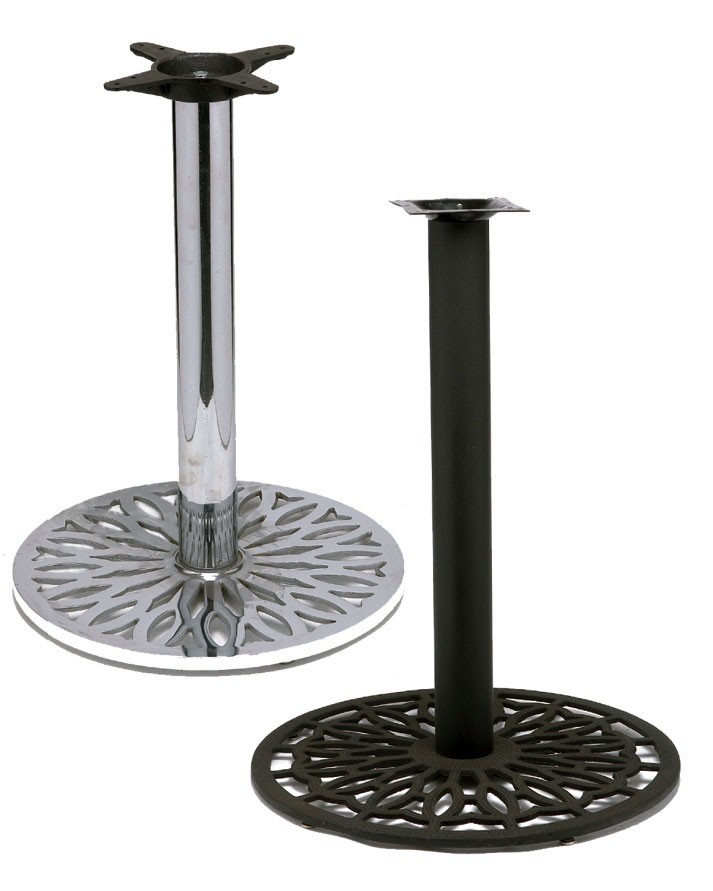
Most restaurant table bases are either standard bases or designer bases. Both standard bases and designer bases are available with round bases bottoms and x-style base bottoms. Some designer bases also come in 3 footed tripod base bottom designs. Most designer bases, though, feature intricate, decorative designs on the base bottom, and frequently also on the base column.

Because of the shape of most designer restaurant table bases, the base bottom does not spread out as far on the floor as the base bottom does on standard bases.

designer table base

A designer base should be selected in particular case like coffee shop, soda fountain where the base is easily visible. In such cases designer base will be beneficial due to decorative column or bottom.

Be careful to properly match the correct table size to the base since the base bottom doesn’t spread out as far as a standard base. The standard style table base should be selected, where bases are likely to be visible and having larger tables.

The standard style base will be more supportive of the table, and costs less than designer bases.

2. X-base, T-base or Round Table Bases

x-base table base

A cross base (called as X-base) looks like an X on the bottom where the base sits on the floor. A round table base is having a large round plate at a point of contact to the floor. Round bases are usually heavier in comparison to other table bases. They are considering of better quality from certain types of tables. Having five points of contact with the table top, instead of four is the reason behind it. In consideration of above cross base have only four point of contact with the table top. The support of T-style base will be more stable in case of long rectangular tables. Provisions of round or cross bases are ineffective in such long rectangular tables in terms of stability.

restaurant table bases

Round bases don’t get in the way of customers feet and provide a place for customers to rest their feet. In case of large table provision of X-bases are more effective. Provision of two or more X-bases under large table can effectively support the weight and size of the table. In case of round base purchase, you have to be sure that the base is smaller than the table top. The edges of the round base should not be crossing the table top edges. To select the perfect table bases, for restaurant owners it is best furniture vendors before purchasing multiple size tables.

3. Indoor or outdoor

outdoor restaurant table bases

Most table bases are having either round or x-base style with a common color of silver or black. Since they are very similar in look, restaurant owners may not know the appropriate place for the table bases.

There are table bases that are made for indoor use, and others that are manufactured for the outdoors. The ones manufactured for outdoors are generally made from aluminum or stainless steel. Indoor metal bases are manufactured from steel painted with black lacquer and these bases could easily rust if placed outdoors.

If you are placing the table base indoors, purchase any style base made for indoor use. As these bases are generally costs less than the outdoor table bases.

The indoor steel bases mentioned here can be spray painted with a rust-blocking paint purchased at your local hardware store. It is easy to spray the bases if you have an outdoor location where you can paint them. This is probably the least expensive outdoor table base option. If you lack the skills, manpower or location to paint the bases you must have to select the alternate option.

A lightweight aluminum stainless steel bases are the perfect alternative solution. They are specially manufactured for the outdoor use.

For any queries regarding the appropriate size of bases for any table top, download our free base matching guide here. If you have specific questions, it is wise to ask the vendor before purchasing.

modern-restaurant-furniture-style

Eco-Friendly and Sustainable Natural Material for Restaurant Tables

Choosing natural material restaurant tables is a practical design decision that sends a positive message to customers. Restaurant Table tops having sustainable natural materials as source provide an authentic sensory experience which will associate with the servings.

The table tops having butcher block or granite as a material are long lasting and it will not need any replacement. It will surely provide a steady return over time on your investment. Here’s what you need to know about the two most common and appealing natural materials for restaurant tables.

Today, you can find table tops made from a wide mix of natural and eco-friendly options. Each has its own style, durability, and upkeep needs. Let’s look at six popular choices for restaurant tables in 2025 and see where each one fits best.

3 Types of Natural & Sustainable Materials for Restaurant Tables

1. Reclaimed and Responsibly Sourced Wood

Wood has always been the classic pick for restaurants. But now, many places are turning to reclaimed wood or wood certified by the Forest Stewardship Council (FSC). Reclaimed wood comes from old barns, warehouses, or even flooring.

Every piece has a story, with unique marks and patterns that make each table one of a kind. This narrative quality is what makes wood restaurant tables particularly appealing to establishments seeking authentic character and connection with their guests.

2. Bamboo

Bamboo has grown in popularity because it’s both stylish and sustainable. It’s not technically wood, but a fast-growing grass. Some species grow several feet a day, which makes it one of the most renewable materials available.

Bamboo tables often have a light, modern look. They work especially well in casual cafés or restaurants that want a clean, eco-conscious style.

They are Affordable, renewable, and naturally attractive.

  • Sustainability: Harvested without replanting, minimal impact compared to hardwoods.

  • What to know: Needs treatment against moisture and humidity. Poor-quality bamboo tables can warp if not finished properly.

3. Stone and Engineered Stone

Stone is often seen in fine dining or hotels. Granite, quartz, and engineered stone tops are heavy but incredibly durable. They resist heat, stains, and scratches, which makes them a long-term investment.

Engineered stone often includes recycled content and uses less raw stone, which lowers waste. Many restaurants choose these tops for a sleek, modern look that pairs well with upscale interiors.

A. Granite Table Tops

Granite Restaurant Tables

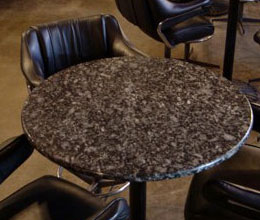
Manufactured table tops have a factory-produced uniformity, but every slab of granite is unique and features a slightly different pattern of feldspar veins and flecks.

Granite restaurant tables are also sanitary because germs can’t penetrate the slab, and the surface doesn’t have cracks or joints in which food can collect.  Because they aren’t porous, granite tables can be easily washed with a mild detergent or soap and water and are impervious to weather.

A granite tables can be used outdoors with no special treatment needed. The stone is also heat resistant and it will not get any damage through hot pans. It is tough enough to resist the heat, even if they come straight from the oven or broiler.

Why Granite is Better than Marble?

Marble is another beautiful stone that is often used architecturally, but it’s not the best choice for table tops. Marble is softer and more porous than granite, which makes it susceptible to stains. Red wine and certain fruits are notorious for their ability to permanently stain marble.

Marble is also vulnerable to scratching, and can be discolored or etched from contact with acids. The edges of marble table tops can be chipped or cracked on impact if they are moved carelessly.

BONUS & TRENDING: Butcher Block Table Tops

butcher block restaurant tables

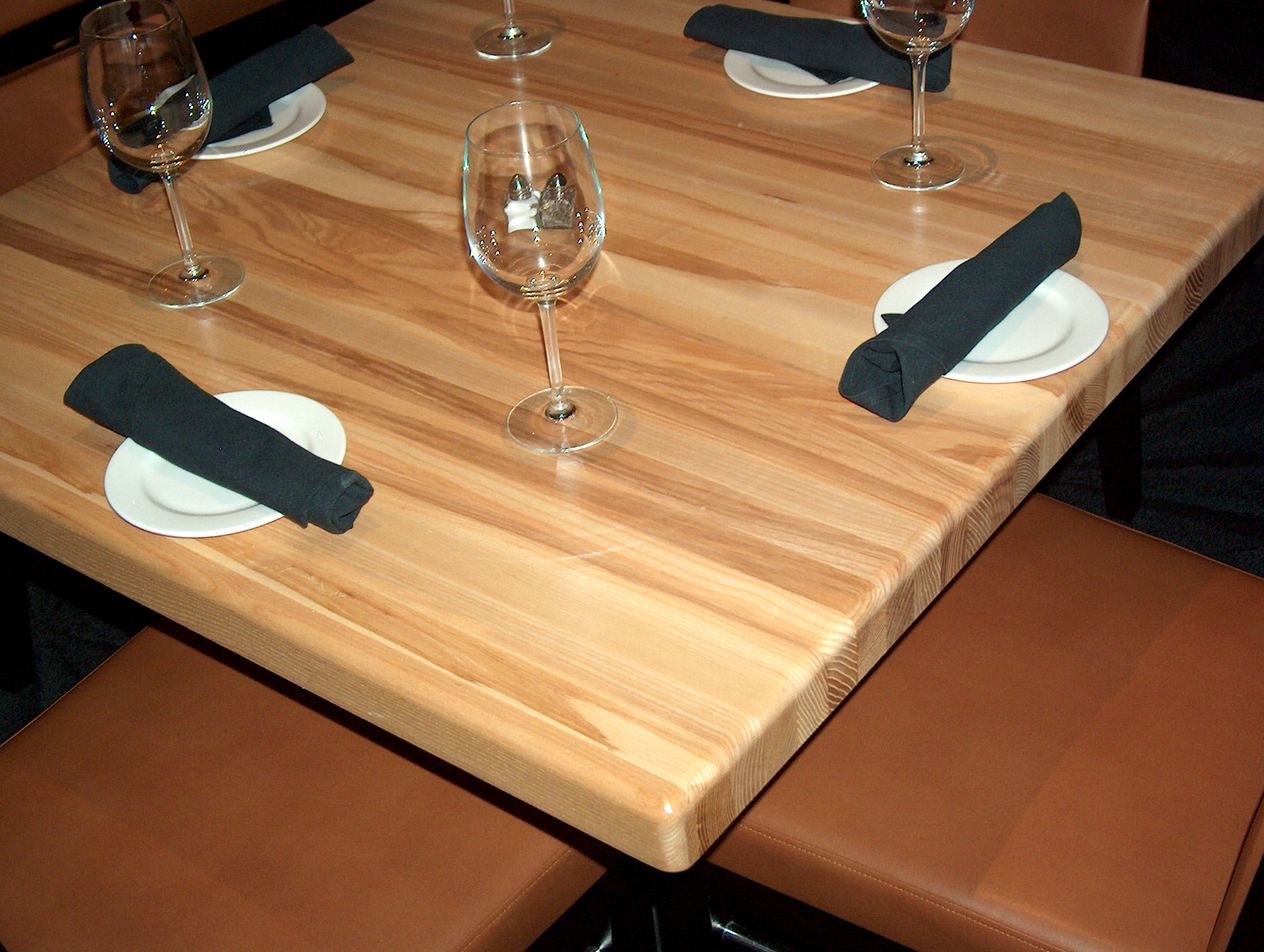
The allure of butcher block table tops is warmth. The eco-friendly glow of honey-toned wood encourages restaurant guests to linger. Usually a butcher block is having a mix of maple, oak and cherry wood as source materials.

Although, almost any type of hardwood can be incorporate for the making, where each one has its own unique character. It gives warmer feeling than stone table to the customers when they keep their hands or elbows on the table.

Butcher block tables can have a fair seal against stains and scratches, and after each refinish, they look new again.

There are more trees growing at a faster rate than they are being harvested.  Therefore, the wood that goes in to the manufacture of restaurant butcher block tables makes it a very sustainable product.

The permanence and sustainability of granite and butcher block make them a wise investment. Designing a restaurant with sustainable, natural table tops and wood chairs will create an inviting atmosphere that draws guests back again.

restaurant booths

6 Things to Consider When Choosing the Right Restaurant Booths

Restaurant booths have continued to be a popular and classic configuration for any restaurant setup. From family restaurants to casual diners, restaurant booths can be an alluring addition to your restaurant to offer comfortable seating and appealing aesthetics.

The padded seats and backs make for a cozy and private seating arrangement. Whether you are opening a brand new restaurant or remodelling your existing one, booths make an interesting option.

Important Things to Consider While Choosing Restaurant Booths

Whether you want to fill your restaurant’s dining area with just booths or mix it up with other sitting options, here are some key factors that you must keep in mind before making up your decision.

1. Anatomy of a Booth

Before finalizing the perfect booth for your restaurant, it makes sense to be aware of different parts of the booth and their nomenclature.

Anatomy of a restaurant booths

  • Top Cap: Metallic or wooden strip that forms the top of the booth
  • Head Roll: Contoured cushion added for head support
  • Back: Foamed cushion that supports back and provides comfortable seating.
  • Crumb Strip: A 1.5″ strip between the seat and back of the booths to allow easy cleaning.
  • Cushion: Seating area made from foam, fabric, or vinyl.
  • Base: Supporting structure of the booth forming its foundation.
  • Toe Kick: Area around the foot to prevent wear and tear.
  • Welt Cord: Additional design piping element for style and strength

2. Comfort & Ergonomics

Comfort affects how long people stay and how much they spend. When a booth feels good, guests relax, order more, and don’t rush to leave.

The basics matter. Seat depth should let people sit upright without sliding forward. The backrest should support their shoulders so they don’t get tired after ten minutes. Cushioning needs to be firm enough to hold its shape but soft enough to stay comfortable through the whole meal.

A lot of restaurant owners pick booths that look great but feel wrong. And customers notice. If someone feels cramped or their back hurts, they won’t order dessert or stay for another drink. But when a booth supports them properly, they settle in. They talk. They relax. They stay longer.

Comfort isn’t extra. It’s how you keep guests happy and get them to come back.


3. Various Materials of Restaurant Booths

Depending on the atmosphere you wish to create, you can choose from the following materials to enhance your restaurant’s ambiance. If yours is a family restaurant, expect multiple spills and go for materials that are easy to clean.

Material of restaurant booths

  • Wood Restaurant Booths: Wood is a classic and vintage material that creates a rustic, contemporary look. Although you have to be careful with wood restaurant booths for spillage, solid wood is quite easy to clean.
  • Upholstered Restaurant Booths: Soft upholstered restaurant booths over a metallic or wooden frame call for a comfortable dining experience. Solid foam is a cost-effective option, while spring foam makes moving in and out of the booth effortlessly.
  • Laminate Restaurant Booths: Easy-to-clean laminated restaurant booths combine the best of both comfort and elegance. The natural look and neutral tone of the laminate restaurant booths can complement any decor.


4. Types of Restaurant Booths

The configuration and type of restaurant booths depends on your restaurant’s layout and area. Here are some of the most popular wide varieties of restaurant booths. You can either select any standard configuration or go for a custom design to optimize the dining area in your restaurant.

  • Single Booths: Perfect for small diners or cafes, single booths, placed against the wall, can accommodate two persons. Single restaurant booths are usually available with 36″ or 42″ back height for comfortable seating.
  • Double Booths: Best suited for busy restaurants, double booths optimize the space in your restaurant’s dining area in a back-to-back configuration. Double restaurant booths can seat four persons- two side by side and two more on the back.
  • Wall Bench Booths: Wall bench booths are customizable and provide flexibility to modify your restaurants seating layout. You can either use wall bench booths with small tables for couples or transform them by joining multiple tables to accommodate larger groups.
  • Half Circle Booths: Perfect for seating larger groups, half-circle booth seating optimizes space in your dining area and provides privacy to your guests. Standard dimensions of half-circle booths are 48″ x 90″ x 48″ and can comfortably accommodate six guests.
  • ¾ Circle Booths: Similar to half-circle booths, three-quarter circle booths are perfect for even larger groups. The standard dimensions of 48″ x 90″ x 90″ x 48″ are sufficient for seating as many as ten guests.


5. Size of the Table
 

Now that you are aware of the restaurant booth’s types and shapes of the restaurant booths, next comes the table size.

Table size is a crucial factor as it affects both your restaurant’s capacity and your customer’s comfort. Your restaurant table’s size depends on the ambiance you wish to create and the clientele you wish to target.

restaurant table with booth

While a table for two or four persons might seem practical, it does not work with larger groups. You can buy smaller tables and join them to increase the seating capacity. Alternatively,if you have ample storage space available, you can buy and keep a couple of larger tables.


6. The shape of the Table and the Type of Table Base
 

Square and rectangular tables are popular restaurant table shapes. They look elegant and fit seamlessly in the center of large dining rooms. However, if you want to utilize the corners and maximize your restaurant’s seating capacity, you should consider round tables as well. They are space-efficient and perfect for tight spaces and corners to increase the seating capacity.

restaurant booths

Similarly, while selecting restaurant table bases, opt for designs that are comfortable for your guests. While selecting table bases, you must trade-off between keeping the table sturdy and increasing the legroom. For example, tripod table bases provide plenty of legroom while the bolt-down bases are sturdy. As long as you manage to keep your guests comfortable, they will keep on revisiting your restaurant.

Conclusion

Restaurant booths are the perfect option to emphasize how much you value your guest’s comfort. Apart from providing comfortable and private seating for your guests, restaurant booths optimize the dining space and allow your servers to move around all four sides of the table.

A well-designed and well-managed dining room in your restaurant is visually appealing and satisfactory. Dining booths combine functionality, ease in maintenance, space optimization, and elegance for a profitable business. Availability in custom colors, designs, shapes, and materials with a commercial-grade construction make restaurant booths a smart choice for any ambiance.

This article highlights some of the crucial things to consider while selecting a restaurant booth. From the restaurant booth’s material to its shape, from the table size to its base, this article covers it all. Hopefully, by using this handy guide, you can select the perfect booth that matches your restaurant’s design and requirements.