Author Archives: Gayla

restaurant dining room

Top 8 Designing Tips to Create an Amazing Restaurant Dining Room Ambience

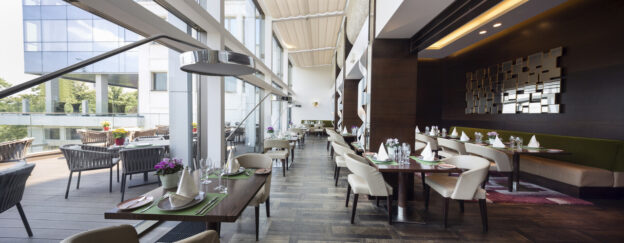
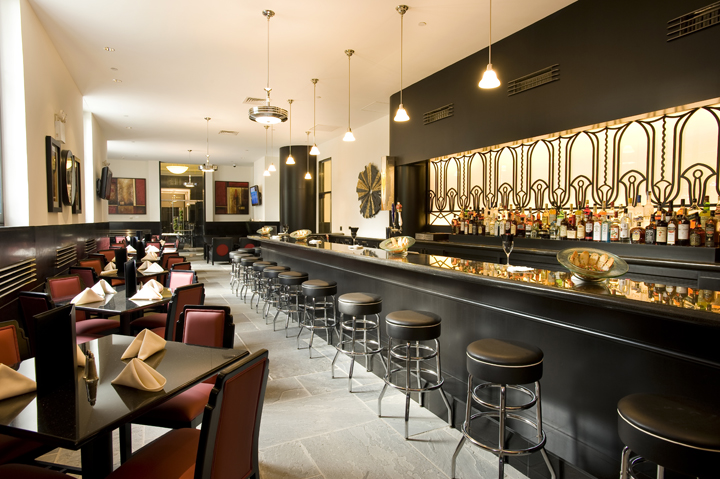
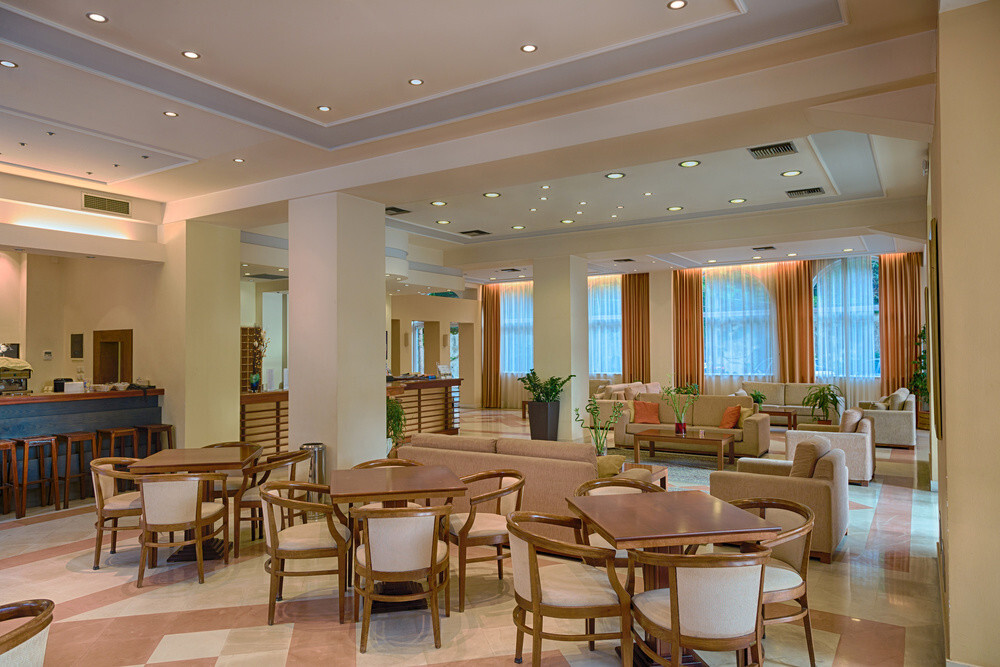
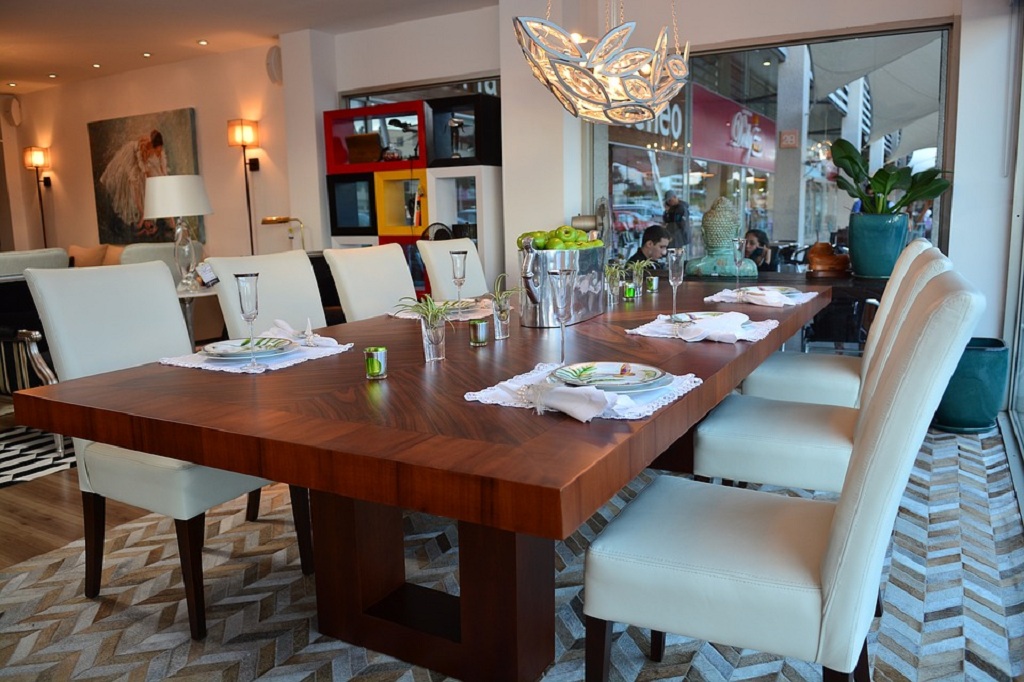
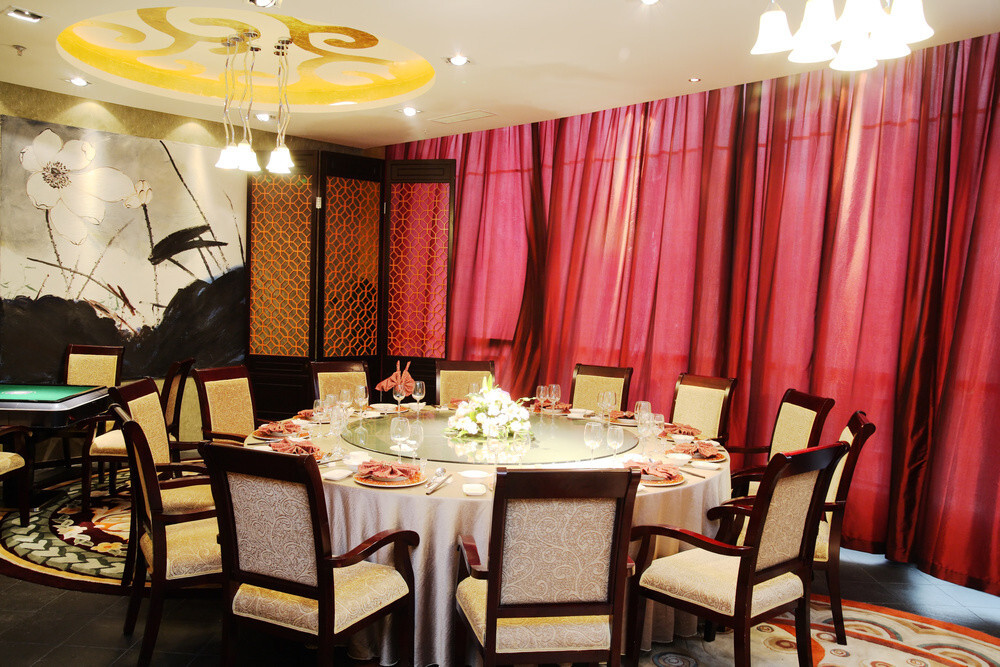
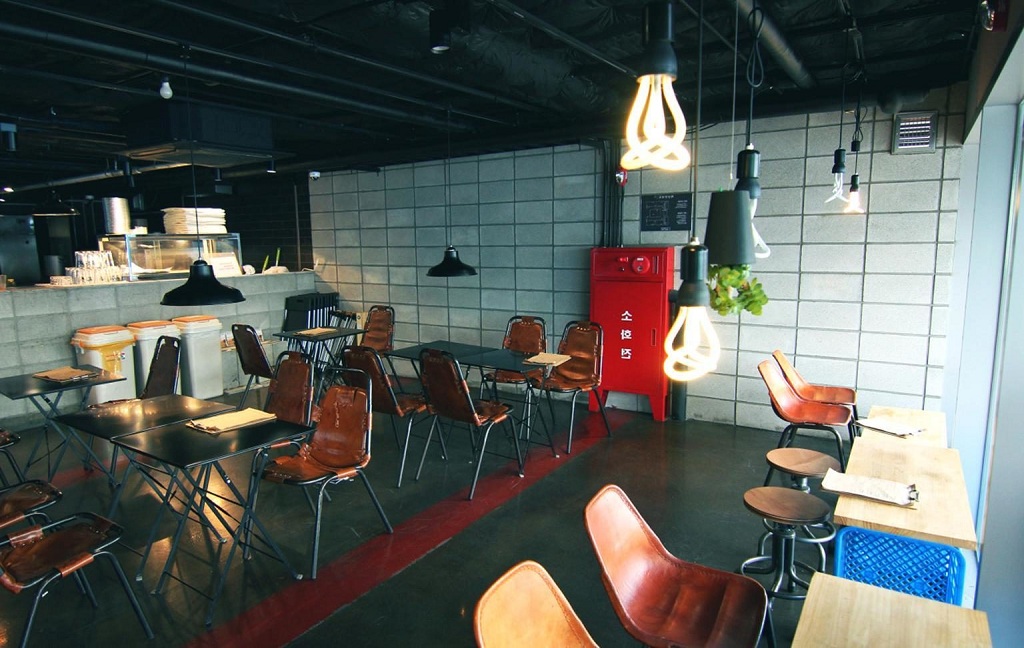
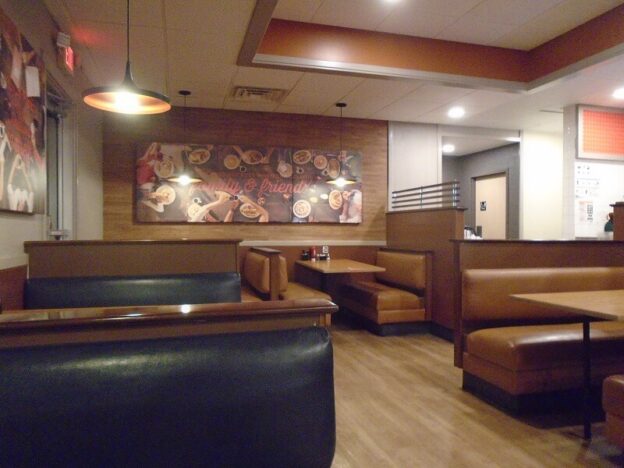
The dining room is the centerpiece of every restaurant. As a restaurant owner, you thrive for a dining room that is functional yet efficient for your staff and entertaining yet visually appealing to your guests. However, in any restaurant, there is more to the dining room than merely arranging the restaurant tables and chairs.

A proper restaurant dining room sets the theme and tone of the dining experience for your guests. A well-planned dining room can be the deal-maker or deal-breaker in your restaurant. From your restaurant’s furniture to its layout, from its ambiance to flexibility, from lighting to noise-management, there is a lot to consider while planning the dining room.

Tips for Planning an Attractive Restaurant Dining Room

restaurant dining room

Now that you know its importance, read on to know how you can plan an attractive restaurant dining room that makes a great first impression on your guests.

1. Leave Proper Space Between the Tables

As a restaurant owner, it might be tempting to cram in  as many restaurant tables as possible in the dining room to maximize your profits. A comfortable dining experience in your restaurant requires leaving sufficient space between the tables.

Generally, offering a gap of at least 24 inches is the perfect way of balancing comfort and profits in a restaurant. If you are running low on space, booths are a smart way to create separation between two tables.

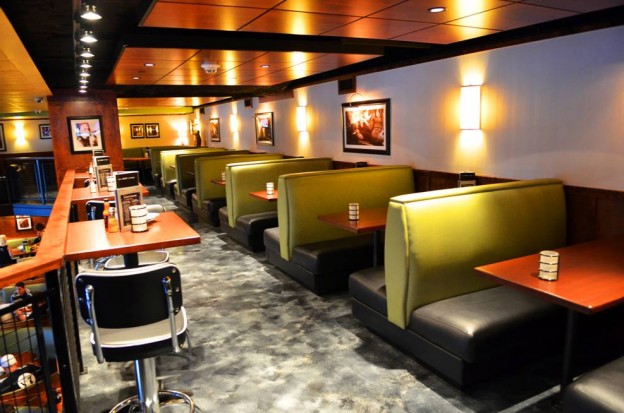
You can use booths to provide maximum seating capacity in your restaurant without compromising on the flow of service or personal space.

2. Use Attractive Room Dividers

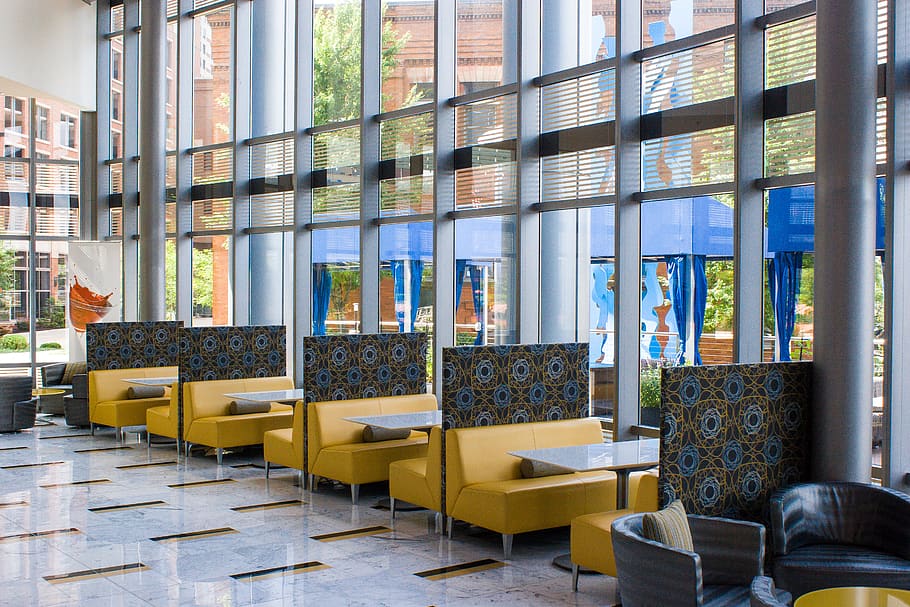
table dividersIf yours is a big dining room with several chairs and tables, using half-wall room dividers is a smart and attractive way to segregate your guests. These room dividers are effortless to install or shift and help you to set-up a cozy, private space for your guests. Whether it’s a large gathering or an intimate event, you can use them to create a theme that suits any occasion.

3. Make Sure the Wait Station is Mobile

restaurant attractive waiting station

Restaurant design on paper rarely translates and works well in reality. A mobile wait station gives you the flexibility in arranging the restaurant chairs and tables according to the rush of the customers. For example, if you are experiencing a busy night or hosting a large gathering, you can free up space by shifting the wait station outside the dining room.

4. Select Sturdy, Functional and Durable Furniture

As a restaurant owner, it is your goal to provide a comfortable, sturdy seating arrangement to your guests. Additionally, the restaurant furniture you select should be affordable, long-lasting, and easy to clean & maintain. While choosing your restaurant furniture, avoid designs that involve intricate styles or carvings as can be cumbersome to clean.

classic restaurant furniture

The restaurant furniture you select should match the ambiance and function at the same time without compromising your guest’s comfort. For example, wood and metal are both excellent options for indoor seating.

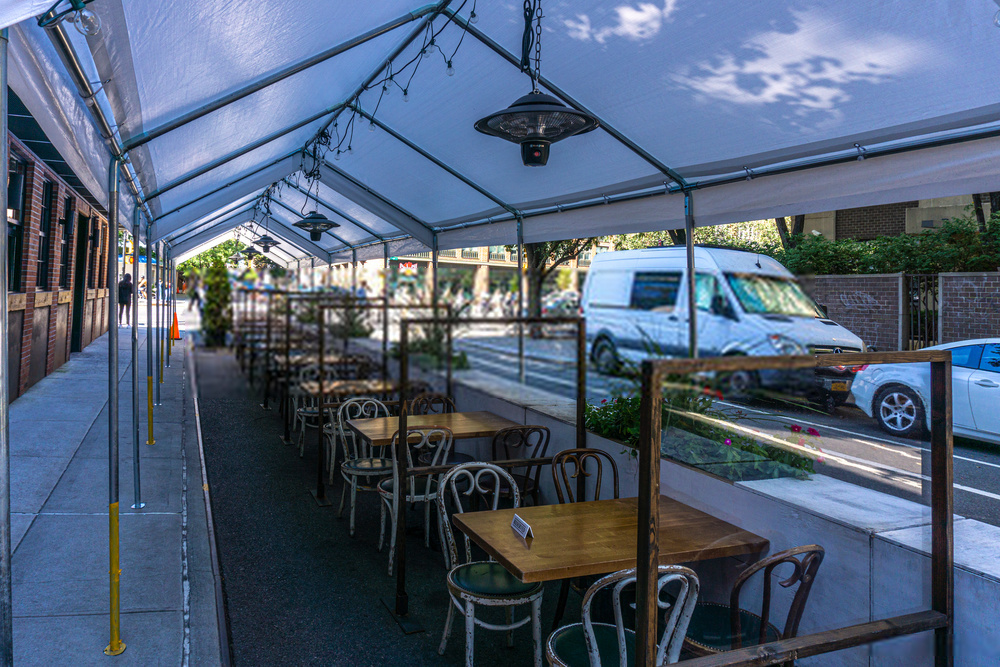
Similarly, for outdoor seating arrangements, consider extreme weather conditions throughout the year. Purchasing high-quality, functional, durable, commercial-grade furniture might seem an unnecessary investment, but it gives you better returns in the long run.

5. Set Appropriate or Consistent Noise Level in Your Dining Room

If yours is a restaurant with live music, or a casual setting, or a bar, you don’t have to worry much about noise. However, if you have a fine-dine restaurant, you have to check the sound levels. Keeping the acoustic levels to a minimum requires several approaches.

Some of these approaches are cosmetic or superficial, while others are structural. For example, if you have a wooden floor, you can use carpets to dampen echoing. However, if you want to create a quieter setting, you might have to consider using sound absorbers on the walls and ceilings of your restaurant.

6. Select the Right Window Coverings and Wall Décor

Does your restaurant suffer from sunlight in the afternoon, causing discomfort to your guests? Is your restaurant located on a busy street with too much traffic or noise from the windows? Perhaps it is a smart move to install window covers or shades.

For example, you can consider window films to limit the visibility from outside and block sunlight.

window coverings

These inexpensive films are simple to use or clean and are available in a variety of patterns. Alternatively, if you want flexibility, you can invest in window shades that are low in maintenance and easy to use.

Similarly, you can opt for wall decor objects like wallpapers, paintings, lights, etc., in the dining room of your restaurant to create an intriguing ambiance.

7. Check the Comfort of Every Seat by Sitting in Every Seat

Have you ever noticed how your customers tend to avoid some chairs and tables in your restaurant? These restaurant dining tables might appear perfectly normal to you, but your customers still don’t like to sit there.

In the restaurant business, such tables are a revenue losing medium. In any restaurant, customers usually tend to avoid tables facing the washrooms, under the stairs, adjacent to the doors or passages, etc. A simple way to identify and get rid of bad table areas is to sit in every chair of table.

Also check the comfort and surroundings. After noticing such tables, you can use room dividers or modify the restaurant seating layout. Transform it in a way that your guests won’t hesitate to sit on them.

8. Focus on Flexibility in Restaurant Seating Layout

Quite often, you need to change the restaurant design or seating layout in the dining room. Whether you are hosting banquets or handling a busy night, having flexibility in the restaurant furniture can go a long way in modifying the dining capacity.

While choosing the restaurant interior design or furniture, look for flexible design ideas. For example, light-weight restaurant dining chairs and tables from aluminum or plastic give you the flexibility to modify the seating arrangement for different events.

They are easy to shift, and you can stack them and store them away when not in use.

Conclusion

Planning the perfect dining room design for your restaurant depends on the atmosphere you want to create. By carefully understanding your restaurant’s layout and its theme, you can select the style and interior design elements.

From space-efficient room dividers to acoustic management. From selecting the restaurant furniture to space management. This article discusses some of the crucial aspects of styling and decorating your restaurant. Hopefully, these design tips help you in transforming your restaurant decor. Dining area to offer the ultimate dining experience to your customers.

ADA Compliance for Restaurants

ADA Compliance: What is it & What Does It Mean for Your Restaurant Space?

As a restaurant space owner, you are undoubtedly interested in welcoming as many patrons as possible. If you’re an architect or designer working with a restaurant owner, you’re aware that it will reflect well on you if your work results in more customers.

The ADA (Americans with Disabilities Act) requires that any place of business serving the public must make substantial efforts to provide access to all people regardless of their mobility issues or other disabilities. Here’s what you need to know in order to comply with this law and make your restaurant welcoming to everyone who wants to come and eat.

What is ADA Compliance for Restaurant and What Does it Mean?

ADA compliance for restaurants means following the Americans with Disabilities Act (ADA) rules to make restaurants accessible for people with disabilities. It includes both physical access, like ramps and restrooms, and digital access, such as websites and online menus.

Under the Americans with Disabilities Act (1990), restaurants must remove barriers that limit access. This includes wheelchair-friendly entrances, restrooms, seating, and parking. They also need clear signs, enough space in aisles, accessible menus, and ADA-compliant websites for online orders.

Compliance isn’t just about following the law. It makes the dining experience better, strengthens your reputation, and helps avoid fines or legal trouble. Most importantly, it ensures everyone can enjoy your restaurant safely and comfortably.


What is ADA Restaurant Requirement?

ADA rules for restaurants cover both physical and service accessibility. This means having barrier-free entrances, ramps or elevators where needed, wheelchair paths at least 36 inches wide, and accessible seating at 5% of all restaurant tables.

Restrooms should have grab bars, accessible sinks, and enough space for wheelchairs to turn. Parking areas need designated accessible spots near the entrance. Signs, menus, and service counters should also be easy to use for people with visual or hearing impairments.

ADA Restaurant Requirement

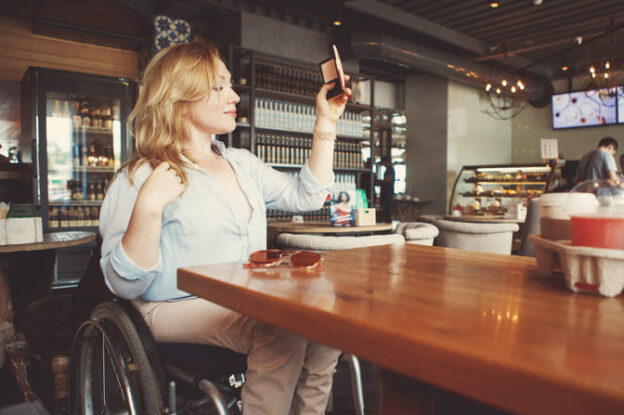
Woman in wheelchair outdoor restaurant – stock photo

Digital access, like ADA-compliant websites for online menus and reservations, is also part of the rules. These standards make sure every guest can enter, move around, dine, and use the facilities safely and independently.

Does the ADA Apply to Me?

Since the ADA went into effect in 1992 and was updated in 2010, it divides businesses up into categories depending on when the business was built.

If your restaurant was built prior to 1993, and has not been substantially remodeled since 1992, the ADA requirements for your basic architecture are less strict. After all, you may not be able to have the entire structure rebuilt. However, you will have to change things (such as restaurant tables and painted parking places) that are easily modified.

The government enforcers call these changes “readily achievable.” If your building was constructed or modified after 1993, then you have a greater obligation to abide by all construction regulations, because the architect should have been aware of ADA laws.

What Does ADA Compliance Entail?

The ADA addresses anything that creates a barrier for disabled people. The regulations are highly detailed, and they cover everything from stair-steps to doorknob types to counter height.

Parking spaces must be level, and at least one space must be eight feet wide in order to accommodate a van. Walkways and aisles have to be spacious, doorways must use certain types of handles and open to a minimum width, and restrooms must follow handicapped access guidelines.

ADA Compliance Entail
Wheelchair occupant at table – Stock Photo

The 2010 update of the ADA modifies and adds to some of the original requirements, so it’s essential to make sure you’re following the most recent version of the law.

Table Height and Other Restaurant Issues

Restaurant tables must be high enough to allow someone in a wheelchair to comfortably pull their chair up underneath the table top, but not so high that the table is uncomfortable or out of reach. ADA regulations state that the table top must be at least 28 inches high, and not more than 34 inches high.

The “knee clearance,” or distance from the floor to the underside of the table top, must be at least 27 inches. There must be a clear floor area (for the wheelchair to enter) of 30 inches by 48 inches at each accessible seating space, and this area must extend 19 inches under the table in order to make room for the person’s legs.

Restaurant chairs must be movable at accessible tables, so that they can be moved out of the way to make room for a wheelchair. If most of your restaurant’s seating is fixed (as in booths) and cannot be made accessible, in most cases you will be required to make sure that at least 5 percent of all eating surfaces are accessible.

Another important section of the ADA states that accessible seating must be offered in the same restaurant area that everyone else uses. In other words, restaurant owners aren’t allowed to create a special area only for the use of handicapped patrons.

If the existing architecture of an older restaurant simply prevents wheelchair access altogether, the restaurant is required to provide curbside or home delivery options and these must be well-publicized.

Tax Credits and Deductions

If you have a small restaurant with fewer than 30 full-time employees and you take in less than $1,000,000 in total annual revenue, you are eligible for a special tax credit when you purchase items to make your business more accessible.

This tax credit reimburses you for 50 percent of your qualified expenses in a year, up to a total annual reimbursement of $5000.

Restaurants of any size enjoy a tax deduction for architectural barrier removals and modifications. You can find out more by contacting the Small Business Administration or your regional Disability and Business Technical Assistance Center.

Conclusion

ADA compliance is more than a legal rule, it’s about making your restaurant open and comfortable for everyone. When you create accessible spaces, you follow the law and show respect for all guests. Simple steps like ramps, clear signs, and accessible seating go a long way.

You need to be updated with up with ADA rules helps you avoid problems, protect your reputation, and earn customer trust. In the end, accessibility isn’t just required, it’s the right thing to do.

commercial-furniture

Commercial Vs Residential Furniture: What is the Real Difference and What You Should Know About?

Furnishing a commercial establishment requires an altogether different approach than buying furniture for your home. Unlike residential furniture, commercial furniture has to meet specific requirements according to your business. Whether you are furnishing your new restaurant or redesigning your office space, you must know the difference between commercial grade furniture and household furniture.

What is Commercial Furniture?

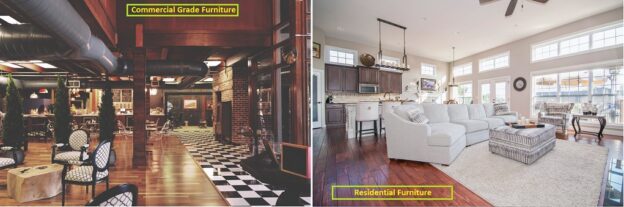
Commercial furniture refers to durable, purpose-built furniture designed for business, industrial, and public environments such as restaurants, offices, hotels, and healthcare facilities. It is engineered for heavy use, safety, and long-term performance.

Commercial furniture is built differently than the stuff you buy for your home. It needs to handle constant use in restaurants, offices, hotels, and other busy spaces where dozens of people sit, lean, and move furniture around every day.

The difference isn’t just about looks. Commercial pieces use stronger materials and reinforced frames that hold up under heavy use. The finishes resist scratches, stains, and wear that would ruin residential furniture in months. And everything meets safety codes and industry standards that don’t apply to home furniture.

This construction costs more upfront. But it lasts longer and needs fewer replacements, which matters when you’re furnishing a business.

Commercial Furniture Vs Residential Furniture: The Real Difference

When you’re buying furniture, knowing the difference between commercial and residential pieces matters. Both look good and serve a purpose, but they’re built differently. Commercial furniture handles heavy use in businesses. Residential furniture works fine for homes. Here’s what separates them so you can pick the right one for your space.

Feature Commercial Furniture Residential Furniture
Purpose Made for businesses, restaurants, hotels, and offices where many people use it daily. Made for homes where fewer people use it less often.
Durability Built with heavy-duty materials to handle constant use, spills, and moving around. Uses lighter materials that work fine for home use.
Material Quality Uses reinforced steel, solid wood, and fabrics tested for strength and fire safety. Focuses on style and comfort more than industrial strength.
Design Standards Must meet safety standards like ANSI/BIFMA for stability and performance. No required standards. Design is based on what looks good.
Maintenance Easy to clean. Surfaces resist stains and scratches. May need careful cleaning. Finishes wear faster with heavy use.
Lifespan Lasts years longer. Often comes with 5–10 year warranties or more. Shorter life. Usually 1–3 year warranties.
Customization Lots of options to match your brand, space layout, and design needs. Limited options focused on personal taste and home style.
Cost Costs more upfront because of better materials and safety compliance. Usually cheaper but may need replacing sooner.
Comfort Balances comfort with function and durability. Puts comfort and looks first.
Examples Restaurant chairs, hotel sofas, office desks, café tables, waiting room benches. Living room sofas, dining tables, recliners, bedroom furniture.

A] Commercial Interior Design Vs Residential Interior Design:

While the interior design of a residential space deals with creating a comfortable personalized space, commercial interior designing requires meticulous planning of space and facilities for groups of people. For example, you might want to highlight branding in a restaurant or instill a work culture in the interior design of office space.

Moreover, commercial spaces like gyms, restaurants, schools, offices, hospitals, etc. require furniture designed for heavy use. Some of the key factors that guide the furniture selection for commercial use are

1. Durability:

chairs

Since commercial chairs gets moved, shifted, and handled a lot, it must be robust and sturdy. Most of the furniture for commercial usage feature heavier, more durable parts for long-lasting use.

2. Cost of Commercial Furniture:

restaurant-furniture

Some commercial-grade furniture can initially cost you more than the furniture intended for residential use. However, this extra investment often proves to be cost-effective in the long run due to the lower cost of maintenance and higher reliability.

3. Accessibility of Commercial Furniture:

commercial-grade-furniture

While designing a commercial space, you have to make provisions for utility areas like public  gathering space, stairs, lobby, emergency exits, lifts, etc. Additionally, commercial furniture in the workplace must be usable for employees with varying heights, weights, disabilities, etc.

4. Compliance with Regulations:

Being a work area, every element of the interior design must adhere to the local regulations. For example, most of the cities have strict requirements for safety aspects of a commercial building.

B] Types of Furniture to Select for Establishment:

Before finalizing a furniture decision for your workplace, you must research its styles, materials used, manufacturing processes, etc. When it comes to restaurant furniture, it should complement the ambiance and the overall theme of your restaurant. Some of the most common styles of restaurant furniture design are:

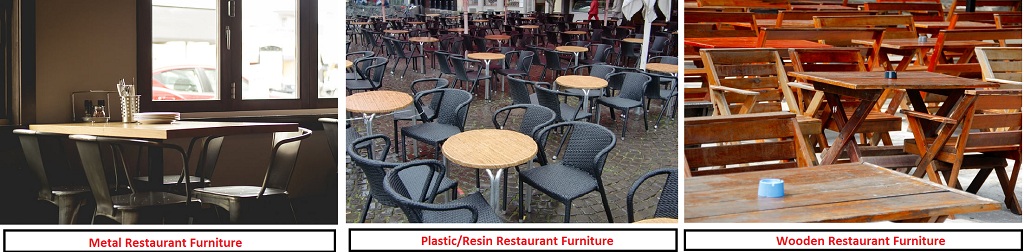
Types of Material

  • Industrial style for wide-open spaces using a mix of wood and metal furniture with bold accents.
  • Vintage-style furniture using classic wooden furniture that offers old-world charm and rustic feel.
  • Modern restaurant furniture with elegant and minimalistic design with optimized functionality.
  • Retro style furniture with customized booths in bright colors offers an entertaining ambiance to your guests.
  • Country style traditional furniture with English decor, wooden furniture, and ambiance for offering a cozy feeling to your guests.

Similarly, depending on the atmosphere you want to create in your restaurant, you can decide from the following key materials for the furniture:

I} Wood:

One of the oldest and most popular materials for restaurant interior furniture, it gives a warm tone to any space. Proper maintenance and regular cleaning of wood furniture will ensure it lasts a long time.

II} Metal:

Durable yet light-weight, metal furniture is easy to clean, cost-effective, and available in different shapes, sizes, and colors to go with every restaurant ambiance.

III} Plastic:

Light-weight plastic is affordable, available in bright colors, resistant to corrosion, and is convenient to stack, store, and move around the restaurant.

C] Meet the Standards for High-Quality Commercial Furniture:

While buying commercial furniture, ensure that it is made from top-notch quality and meant for heavy use in the hospitable industry. Commercial-grade furniture goes thorough quality checks on its strength, stability, and load-bearing capacity. All these tests ensure the durability and reliability of the furniture. Although high-quality furniture might cost you a bit more, it outlasts typical residential furniture and saves expenses in constant repair and maintenance.

High-quality-furniture

Just as you prefer commercial-grade, heavy-duty appliances in your restaurant’s kitchen, you should consider buying commercial furniture in your restaurant’s dining area as well. For example, while general-purpose chairs usually sport 22-20 gauge metal frames, most of the commercial restaurant chair have 18 gauge frames that offer more strength and durability. Similarly, fabric for upholstery in commercial furniture is resistant to stain, fading, scratch, UV radiation, etc. for continuous indoor and outdoor usage.

D] Practicality and Ease of Use:

Whether it is residential or commercial furniture, it needs to be practical and functional. However, commercial-grade furniture should be reliable for daily use as well. Additionally, if your establishment is open to the public, the furniture’s design must represent your company’s image and be visually appealing.

Similarly, you should be able to clean and maintain the furniture easily and quickly. For example, if yours is a restaurant that witnesses huge traffic, lightweight commercial restaurant tables and chairs are hassle-free in moving and shifting for a quick-cleaning after guests leave. By minimizing the time taken to clean and maintain your restaurant furniture, you can work on other aspects that improve the overall customer experience.

E] Key places for Commercial furniture

Regardless of your industry, all leading experts recommend you to use it. Rather than buying furniture from an unverified seller, it pays to contact a professional expert. An experienced seller will cater to your customized requirements, and he might also advise on crucial restaurant design aspects. Moreover, you get not only peace of mind, but you can even save further by ordering furniture in bulk.

Conclusion:

Commercial furniture must not only complement your restaurant’s interior design, but it must also be durable, reliable, functional, practical, visually appealing, and cost-effective in the long run. This article discusses the different aspects of commercial-grade furniture and how it differs from residential furniture. Hopefully, these tips will guide you in selecting the perfect furniture for your establishment that add value to your business.

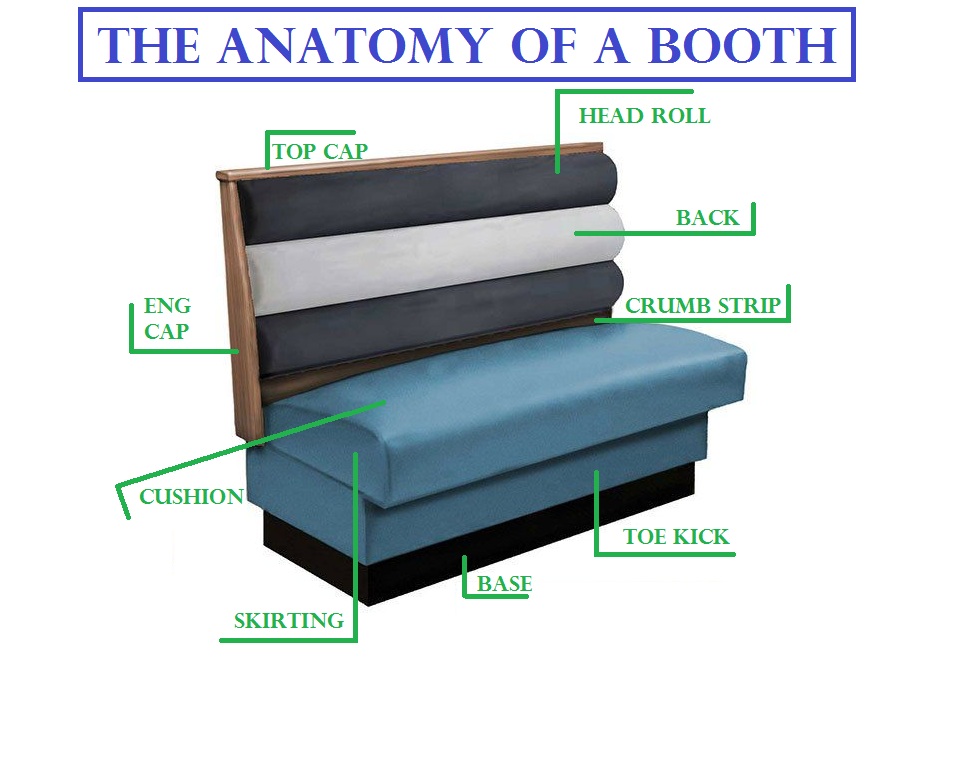
restaurant booth vinyl

4 Tips for Restaurant Booth Design Plans to Enhance the Restaurant Ambience

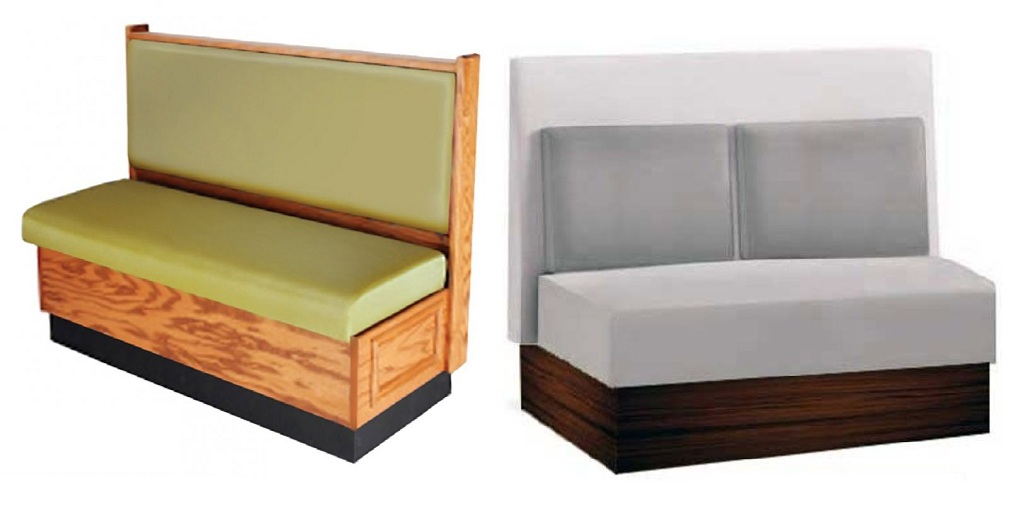
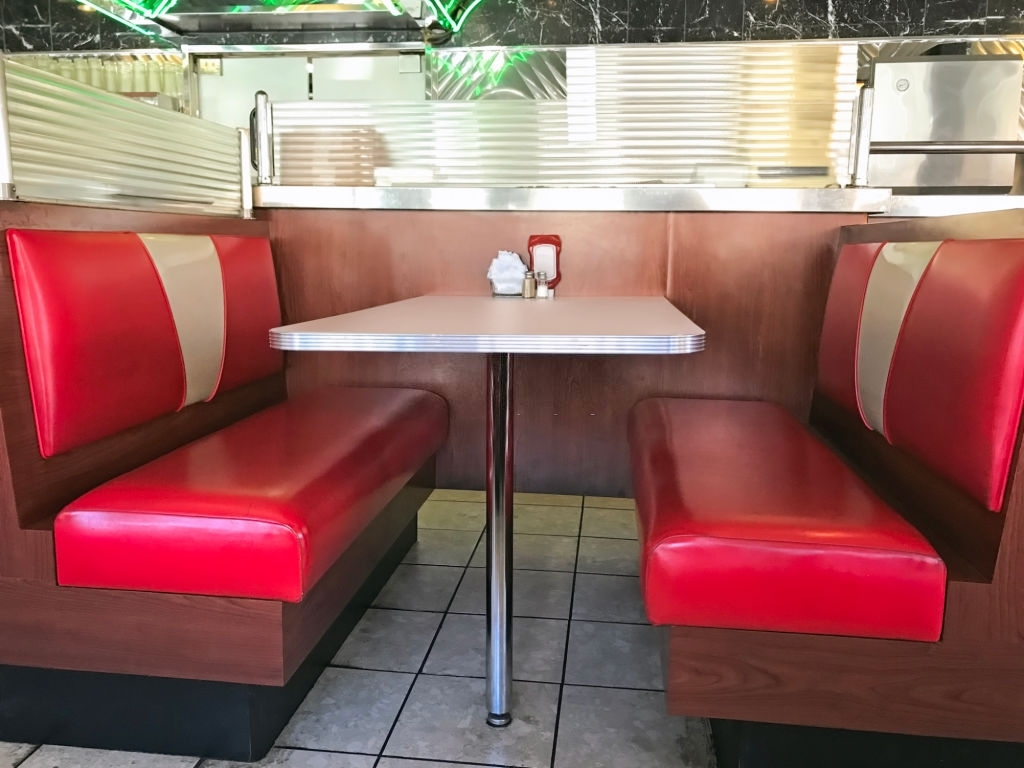
Customers love a restaurant or bar with booth seating, and they’re often the first seating areas inside a hospitality establishment to get filled. However, having the right restaurant booth design can be a big factor in customer comfort while also making it easier for waiters and waitresses to serve guests.

Owners should have the right restaurant booths specifications, accurate measurements and the right type of booth table to ensure their restaurant gets the most from booth seating design.

restaurant booth design plan

1. Keeping Gut Space in Mind for a Restaurant Booth Design
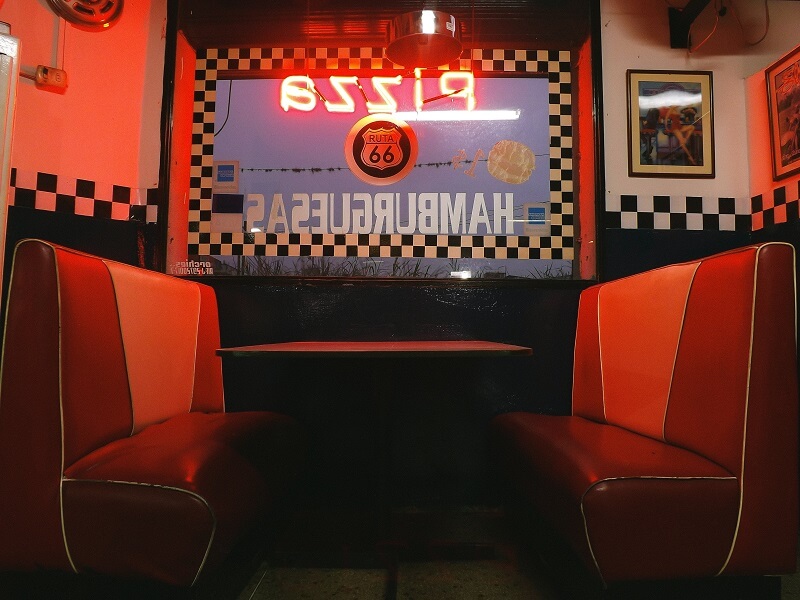
Gut space is a term that simply refers to the space from the top edge of the table to where a customer’s back hits the back of a booth seat. It’s important to measure gut space to ensure restaurant booth seating isn’t too narrow and cramped.

The last thing a restaurant owner wants is improperly installed booth seating and tables that make customers want to get up and leave. Think about leaving about 16 to 20 inches of gut space, but you can also consider adding more depth – 22 inches leaves plenty of room for movement.

The good news is that a four-person restaurant booth design is estimated to occupy between 3,000 and 3,500 square inches on average while open seating occupies anywhere between 5,000 to 5,500 square inches. Booth seating ultimately allows restaurant owners to fit more customers inside their restaurant and improve their revenue.

restaurant booths

2. Think About Using Radius Corners

Radius corners on a tabletop are a great way for restaurant owners to make their restaurant more comfortable for guests. A radius corner is rounded and doesn’t feature any sharp edges.

As a result, customers won’t be bumping into unforgiving table corners that can bruise their legs and make squeezing into a booth a real hassle. It’s a little touch that makes a big difference with booth seating.

3. Use The Right Base for Restaurant Booth Design Plan

For hospitality tables, using the proper restaurant table bases is essential for restaurant seating that works. To maximize comfort and space for customers, it’s often smart to install a cantilever base.

These bases offer plenty of support to hold up under pressure and also provide for plenty leg space, which is something every customer will appreciate. The great part is this type of base also offers increased ease of cleaning, meaning restaurant staff can clean each booth quickly and efficiently.

However, cantilever bases aren’t always appropriate. For rounded booth seating, there’s no chance to connect your restaurant tables to a wall.

As a result, you want an extremely sturdy single column base, either with a disc base or an X-style table base. This will allow guests the legroom they need while still offering the support a booth table needs.

booth and table combination

4. Clipped Corners Are a Great Feature

Another great table style for a booth is a table with clipped corners. Tables with clipped corners feature corners cut to a 45-degree angle. Not only is it easier for customers to access their table, but clipped corners also allow servers to provide customers with drinks and food with ease.

It’s the type of detail that demonstrates how careful planning with your restaurant furniture can improve the entire dining experience.

The benefits of booth seating are clear. By using the above tips, restaurant owners can ensure their guests are comfortable, their business runs smoothly and their booth seating is a real highlight for every customer.

FAQs

How Deep Should Booths Be?

For a restaurant or café, booths are often designed to be deep enough to accommodate a table and chairs, as well as enough space for diners to comfortably sit and move around in. A standard depth for a restaurant booth is around 24-30 inches.

How far apart should restaurant booths be?

As a general guideline, restaurant booths should be placed at least 24 inches apart. This allows enough space for customers to comfortably sit in their booths, and also allows for enough space for servers to move around and serve customers without disrupting their dining experience.

What is a standard booth size?

A standard size for a restaurant booth is around 48-72 inches wide and 24-30 inches deep. This will comfortably seat 2-4 people.

wood tables

7 Types of Restaurant Table Set Up to Leave a Lasting Impression on Customers

First impressions matter. We strongly believe in this quote, especially regarding table settings. The way everything is arranged greatly influences the overall ambiance. Paying close attention to detail highlights cleanliness and organization. Conversely, a messy table setup can instantly ruin the mood. A host’s first responsibility is to create the right ambiance in a restaurant. And a proper type of table setting has a huge role to play in this!

Service quality and dedication are reflected in a well-arranged table. Attention should be given to the smallest details, from napkins to tablecloths and silverware. It greatly influences the comfort offered to customers. That’s why we have compiled a detailed list of the types of restaurant table settings we can have. This guide will help readers understand the dynamics of different table settings. We have included seven different styles of setting up tables, from casual to fine dining.

What are the restaurant table setting types?

Detailing the components is the key to setting a table in a restaurant. But to do so, it’s crucial to learn about the varied setting types and what they entail. For instance, a fine dining setting will never be the same as that of a themed restaurant table setup. That’s why we have briefly described the seven most popular table-setting types below.

1. Formal Table Setting

This type of table setting is the preferred choice for weddings, fine-dining restaurants, and corporate parties, etc. The formal table setting is the most symmetrical and well-balanced and requires the maximum number of utensils.

Formal-table-setting
  • The centerpiece goes in the middle of the table.
  • Each of the placemats lies near the edge paralleled and in a straight line. The formal table setup uses a charger plate to serve the salad course, soup course, etc.
  • Folded napkin in a triangular or square pattern along with the menu card goes on the top of the charger before serving the meals.
  • Starting from the edge of the table, place the salad fork, fish fork, and dinner fork on the left side of the charger.
  • Similarly, on the right side of the charger, place the soup spoon, salad knife, and dinner knife starting from the outer edge of the table.
  • Other utensils like butter knife and plate, dessert spoon and fork, glasses, etc. go on the top of the charger.

2. Casual / Informal Table Setting

An informal or casual table setup fits perfectly for dinner parties, casual weddings, and family occasions. These types of table setting requires fewer utensils and gives you more flexibility in arranging them on the table.

Casual-table-setting
  • Although the charger is optional, you provide the service plate for serving the salad course, soup course, etc.
  • Just like the formal setting, a napkin goes on the top of the service plate along with the menu card.
  • On the left side of the service plate, keep the salad fork at the outer edge and dinner fork on the immediate left of the service plate.
  • Put the soup spoon, salad knife, and dinner knife starting from the outer edge of the table on the right side of the service plate.
  • Dessert teaspoon, water, and wine glasses go at the top of the service plate.

Some of the major type of informal table settings restaurants usually have to do are:

  1. Family-style table setting: This will require a setting of a minimum of four people. Everything, including the tablecloth, napkins, and centerpiece should be sharp and prominent.
  2. Casual daytime setting: This setting should focus on coziness and freshness. Using vibrantly colored tablecloth and a flower vase as the centerpiece will be best.
  3. Café/Bistro-Style: Café styled table setting usually focuses on smaller elements. We recommend using tableware specific for beverages and light snacks.
  4. Breakfast Table Setting: A breakfast table setup offers a convenient and functional way of arranging basic utensils on the table. Although the types of table settings don’t need to look lavish or expensive, you can arrange the basic, minimum utensils on the customer’s table.

    – Place the plate at the center along with the fork and napkin to its left.
    – Keep the other types of silverware like the butter-knife or spoon on the right side of the plate.
    – Put the glasses for juice, water, and bowls for cereals on the top of the plate.

3. Buffet Table Setting

Whether you are serving your guests or it is a buffet dinner, buffet table setup is perfect for customers who like to get the food on their own. Customers’ tables include just the essential utensils as spoons, forks, plates, etc. are stacked at the end of the buffet line.

buffet table setting
  • As the guests pick up the plates and food from the buffet table, there is no charger or service plate on their table.
  • In the center of the table, place the folded napkin and menu or name card on the plate. Alternatively, you can stack the napkins on the buffet table as well.
  • Starting from the outer edge, place the salad fork first, and then the dinner fork on the left of the plate.
  • Similarly, keep the dinner knife on the immediate right of the plate, followed by the soup spoon.
  • Water and wine glasses go at the top of the plate.

4. Party Table Setting

A party-styled restaurant table setup should contain fun and celebratory elements. These will set the right mood and lighten up the air. Since parties often have a specific theme, the table elements should also follow the same pattern or trend.

  1. Placemats and tablecloths should complement the party theme. 
  2. Napkins can be folded creatively, like in the shape of a bird or a flower. 
  3. Flatware and dinnerware should have complementary colors and patterns. 
  4. Themed drinkware and colorful glassware can be incorporated into a party table setup. 
  5. We recommend using a statement centerpiece, such as a themed sculpture or an elegant floral arrangement. 

Party table settings can be further categorized into three different styles. 

  1. Cocktail table settings: These table setups require finesse and meticulous attention to the details. Every element, including dinnerware, tablecloth, and centerpieces should match the color theme. 
  2. Kids’ party table settings: A kid’s party table setup can be boosted with decorative elements. These may include confetti, themed signage, or streamers. 

Themed party settings: Special party setups can have specific themes. For instance, an anniversary party table setting may have bold colors and patterns.

5. Pizzeria Table Setting

One of the favorites for many people across the globe, a pizzeria table consists of the most basic restaurant table setting serving the guests. The most popular set up consists of one each of a plate, knife, fork, spoon, glass, and napkin.

Pizzeria-table-setting
  • Put the fork on the left of the diner’s plate with a napkin underneath it.
  • Place the knife and spoon on the right side of the plate.
  • The glass goes in the upper right corner of the plate above the knife.

6. Outdoor Table Setting

This table setting type is also known as Alfresco dining setup. It requires a few special considerations in the outdoor restaurant furniture given the fact that everything needs to be outside. Using the regular furniture or tablecloth won’t be feasible. Comfort does take the top priority. But it’s important to create a table setup that allows people to enjoy both food and the outdoor ambiance.

  1. Furniture like tables and chairs should be weather-resistant and durable. We would also like to add a few seat cushions for more comfort. 
  2. unbreakable acrylic glasses will be best for an outdoor table setup. 
  3. Acrylic or vinyl tablecloth and placemats are the best option. These are spill-resistant and can add a comforting touch to the aesthetics.
  4. For centerpieces, we would recommend using flower vases with green twigs to complement the natural surroundings. If it’s nighttime, a candlestick arrangement would also do the magic. 
  5. Lanterns and small mason jar lamps can create a magical experience for the guests.

7. Themed/ specialty table setup

This is one of the most exciting arrangements among the 7 types of table setup. We believe it gives enough independence to the hosts for customization. The choice of tablemats or centerpieces can be aligned with the specific theme. Here are a few key themes usually preferred in restaurants.

  1. Christmas-themed table setup: For this, we would recommend following the specific color scheme: white and red. Tablecloths and glassware having intricate gold detailing will add more value to the aesthetics. Centerpieces can include Christmas-scented candles for more coziness.
     
  2. Halloween-themed table setup: This type of table setting will require fun and spooky elements. A decorative pumpkin-shaped centerpiece will do wonders for the entire restaurant table setting. We also recommend using spooky decorations like a skeleton-printed tablecloth for added fun.
  3. Birthday-themed table setting: Fun and exciting décor will be the key to unlocking the perfect table setup for birthdays. We would recommend going with the color code of the event. Glassware and dinnerware should be shatterproof so that they won’t break easily. As for centerpieces, a Balloon bouquet or a decorative cake display would be amazing.

What is the Table Setting Etiquette?

Understanding the basic dining etiquette for setting up a restaurant table can help your business grow substantially. Irrespective of the type of table setting, here are the most elementary guidelines for how to set up tables.

table setting etiquette
  • Arrange the utensils in the order your guests will use them. For example, since you will serve the salad first, place the salad fork at the outer edge before the dinner fork.
  • Keep the forks on the left side.
  • Except for the butter knife that goes on the top of the plate, place all knives on the right side with their cutting blade facing the plate.
  • The spoons should always be placed on the right hand side of the plate.
  • Align utensils by their bottoms and maintain a gap of at least one inch between them.
  • Select the proper, suitable table sets and utensils. Keep only the utensils that go with the dishes that you will be serving. For example, if there is no salad, don’t put the salad fork on the table.

Select the Proper and Suitable Table Sets

While the points above highlight the importance of table settings according to the occasion, you must not underestimate the selection of suitable types of table setting for your restaurant. Table sets that match with your restaurant design are crucial in providing the best dining experience to your guests. Well-selected table sets not only enhance your restaurant layout, but they also set the tone for a memorable time during their stay. Depending on the theme you wish to create in your restaurant, you can choose from several table sets in vintage, modern, retro, or industrial design styles. Moreover, you get plenty of style, finish, color, and shape options in table sets made from materials like wood, plastic, or metal.

Table Settings According to the Restaurant Types

Apart from setting tables according to the occasion, must ensure the type of restaurant too for the appropriate décor. As restaurants have their separate sets of target customers, ambiance, working atmosphere, etc., their tables must reflect that as well. Let’s quickly take a look into the traits of some of the most common restaurant types

  • For Fast Food Restaurants: Since fast food restaurants are designed for quick meals or takeout, there’s no need to set tables. You can use paper bag or plastic trays to serve food with disposable cups and silverware. Laminated restaurant tables are ideal for such setting as they are easy to clean during rush hours and require minimum effort to maintain.
  • Casual Dining Restaurants: In casual dine-in restaurants and cafes, you usually serve food in disposable or easy-to-clean plates and baskets. In such setups, you can use casual silverware and paper napkins to set up your table with minimal effort. Padded tables made from laminate, resin, aluminum, etc. are affordable and yet give a premium look and feel to your customers.
  • Fine Dining Restaurants: In formal dine-in restaurants like steak house, you have to ensure that the table is set up perfectly. These arrangements includes use of cloth napkins with high-quality silverware. Similarly, use nice plates with matching glassware for serving foods to your guests. In such restaurants you can opt for tables made from butcher block, granite, quartz, and many more. The tables with upholstered wood chairs that look elegant, reflect luxury, and offer maximum comfort can also be used.

Pay Close Attention to the Table Setting as per the Occasion

As you might have understood by now, the bottom line of table setting is to arrange various items. These 7 types of table setups include items like silverware and other essentials on the table according to the occasion. By paying close attention to a restaurant’s table setting and the type of occasion, you can gain an advantage over competitors. It not only boosts your confidence but also creates a good first impression for your guests. Properly set tables complement the restaurant’s design and ambiance, making it visually appealing for your guests. Hopefully, by taking note of the points mentioned above, you will be able to provide the best dining experience for your guests and run a profitable business.

FAQs:

Q. What is basic table setup?

A basic table setup includes four essential items: a fork, knife, spoon, and napkin beside the plate.

Q. What are the 5 types of table setting?

The five most common table settings are formal, informal, Basic, Buffet and Five-course.

Q. Why table setting is important for restaurants?

Table settings are quite important to ensure that your customers are comfortable, it helps you create customer friendly atmosphere and sets the customer expectations right.

Q. What is the golden rule of table setting?

The golden rule of a simple table setting is to work from the outside in. It means the outermost utensil should be kept first and then gradually moved to the inner side.