How to Style Your Restaurant with Wholesale Furniture
When guests step into your restaurant, the atmosphere sets the stage before they even see the menu. From the dining room layout to chair comfort, interior design drives the entire guest experience. Outfitting a commercial space doesn’t have to strain your budget, however. Sourcing your seating and tables through restaurant furniture wholesale suppliers lets you craft an unforgettable ambiance while keeping costs firmly in check.
Benefits of Using Wholesale Furniture
The primary advantage of buying wholesale is the ability to save significantly on upfront costs without sacrificing quality. Purchasing directly from commercial distributors in bulk bypasses retail markups, unlocking per-unit savings that add up fast across a bustling dining room.
Beyond initial price savings, commercial-grade furniture is built specifically for the hospitality industry. Unlike residential pieces, commercial chairs, booths, and table tops undergo rigorous testing for weight capacity, continuous impact, and spill resistance. Investing in wholesale furniture means buying heavy-duty craftsmanship designed to withstand years of high-volume traffic, ultimately reducing long-term replacement costs and protecting your bottom line.
Key Elements of Restaurant Style
Creating a cohesive dining room requires more than just filling an empty room with tables. Keep these core aesthetic design principles in mind:
- Cohesive Styles: Your furniture should speak the same visual language as your menu and architecture. Avoid clashing eras unless you are intentionally curating an eclectic, retro vibe.
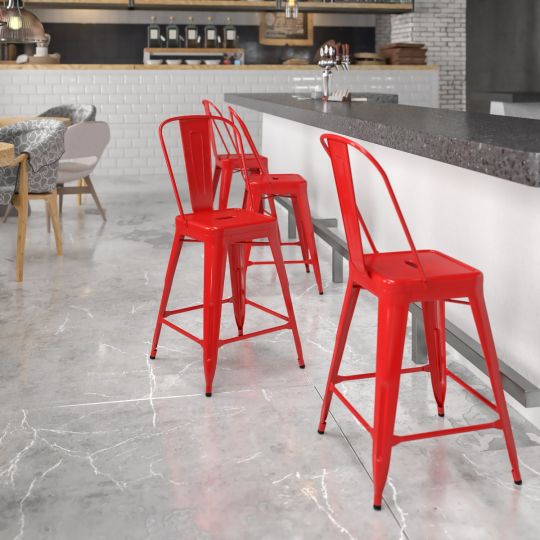
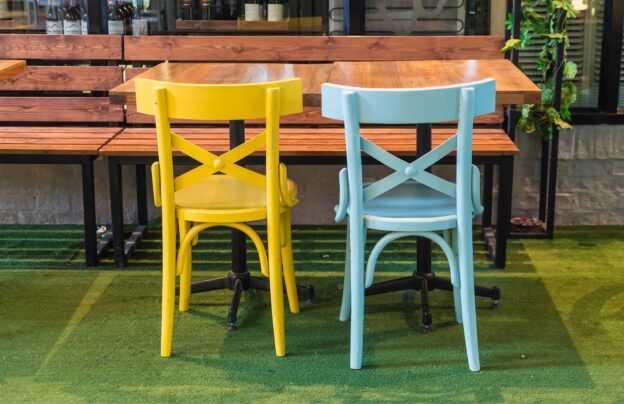
- Color Choices: Colors influence mood and table turnover rates. Warm earth tones and deep woods encourage linger-worthy comfort, while vibrant, energetic hues stimulate energy in fast-casual environments.
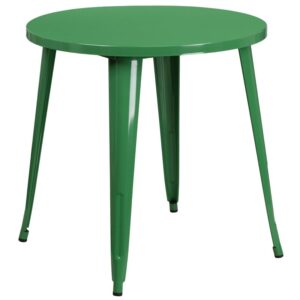
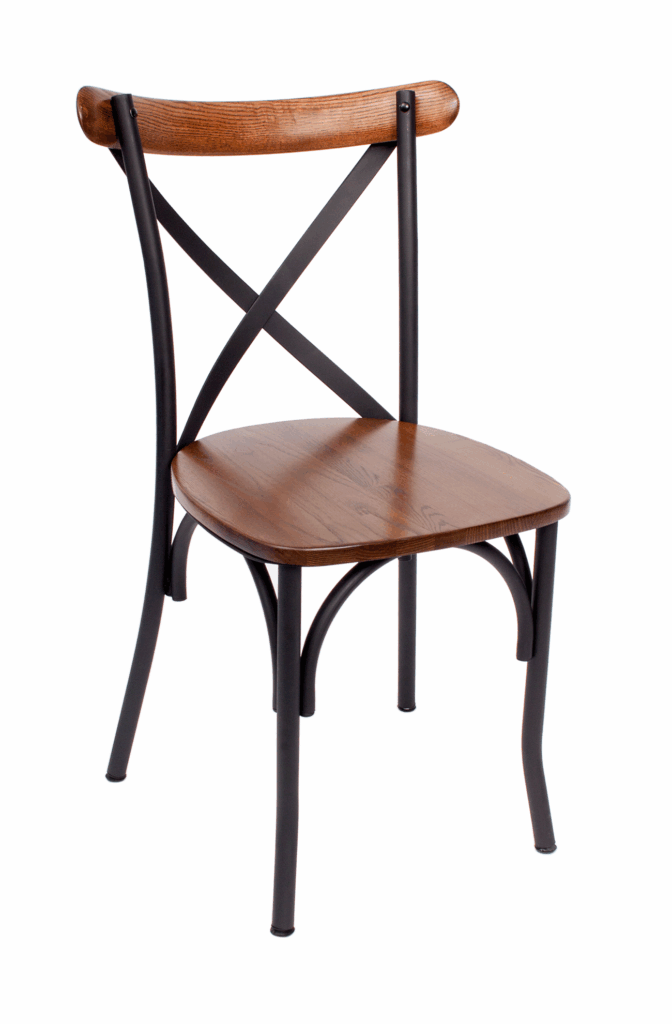
- Texture and Materials: Mix materials to build visual interest. Pairing sleek metal table bases with warm wood tops or upholstered bucket seating creates a balanced, tactile space.
How to Choose Furniture that Matches Your Concept
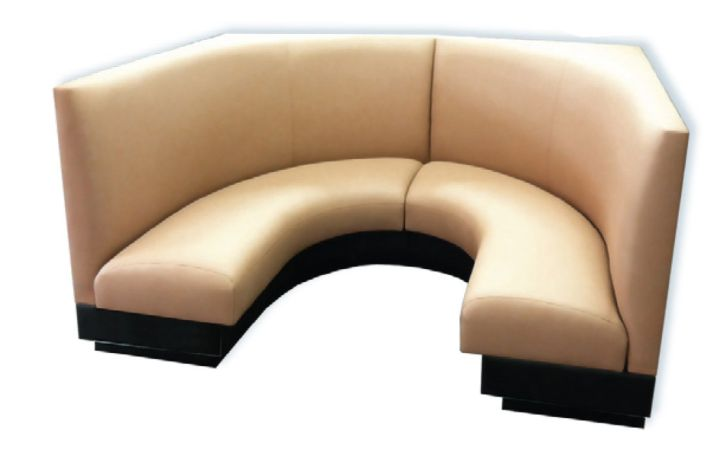
Your culinary concept should dictate your furniture layout. A high-end steakhouse thrives on expansive, intimate booth seating and plush upholstery that absorbs sound and encourages guests to order dessert. Conversely, a neighborhood cafe benefits from slim-profile metal chairs and easy-to-clean laminate tables that maximize floor space.
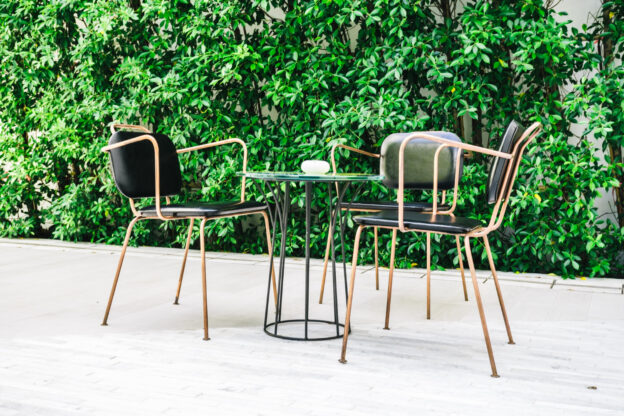
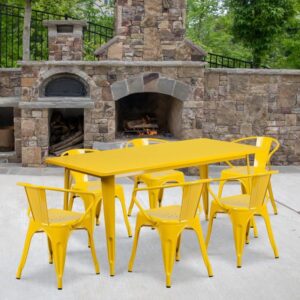
If standard catalogs don’t quite capture your brand identity, choosing custom restaurant furniture allows you to tailor dimensions, stain finishes, and upholstery fabrics to your exact specifications. Don’t overlook your exterior spaces, either. If you operate a patio or sidewalk dining area, investing in weather-resistant outdoor furniture for restaurants—such as UV-protected resin tables and rust-proof aluminum barstools—ensures your outdoor aesthetic is just as inviting as your indoor dining room.
Quick Tips
- Map Your Traffic Flow: Leave 24 to 30 inches between tables so servers and guests can navigate easily without bumping chairs.
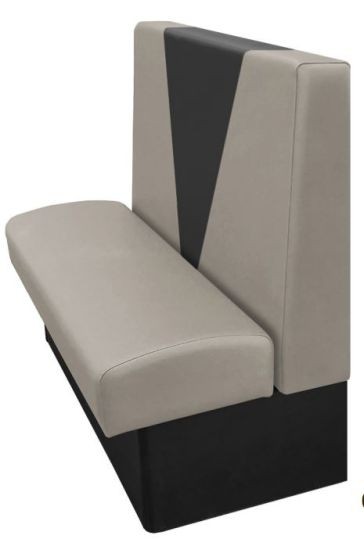
- Anchor with Booths: Use wall-hugging booths or banquettes to maximize perimeter seating and offer diners extra privacy.
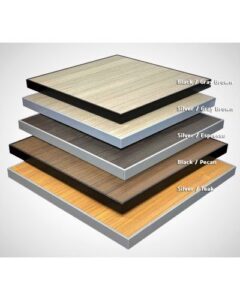
- Test Before You Invest: Always request wood, metal, or fabric samples to see how materials look under your venue’s unique lighting.
Work with Missouri Table & Chair
Based in Lee’s Summit, MO, Missouri Table & Chair has decades of experience helping venue owners bring their culinary visions to life. Whether you are opening a new coffee shop or renovating a sports bar, we partner with top-quality manufacturers to offer thousands of commercial furniture options. From initial layout advice and free material samples to reliable shipping, our team delivers quality, style, and value to your dining space. Contact us today to learn more!
FAQs
Why should I buy commercial furniture instead of retail home furniture?
Commercial furniture is structurally reinforced to handle heavy daily use, frequent cleaning with industrial sanitizers, and strict commercial fire safety codes. Residential furniture breaks down rapidly in a restaurant setting.
Can I customize tables and chairs to match my brand?
Yes! Customization options range from custom-stained butcherblock table tops to tailored vinyl and fabric upholstery for chairs and booths.
Can I get samples before ordering?
Absolutely. You can request free material and finish samples to touch, feel, and match colors before committing to a full order.