

In today’s competitive market, running a profitable restaurant takes serious effort. Creating great dining experiences is challenging, but your layout choice makes all the difference.
How you use your space determines whether guests can dine comfortably and staff can work efficiently without bumping into each other. A smart floor plan is the foundation of your restaurant’s success.
It may sound far-fetched at first, but the layout design can either make or break your restaurant. Studies have shown that a proper plan helps maintain customer flow in and out of restaurants and allows owners to maximize the seating capacity. Whether it’s an upscale diner outlet or a casual restaurant, having the layout planned will bring numerous benefits to the table.
We’ve created a guide below to help you plan your restaurant layout design. I’ll also show you how to use décor and furniture to create an amazing space that your guests will love.
The Importance of Restaurant Layout and Floor Design: Why Does It Matter?
Restaurant design starts with a clear plan. Without one, you’ll struggle to implement ideas and avoid costly mistakes.
Think of a restaurant layout as a map that assigns specific purposes to different areas. It helps you decide practical questions like whether the kitchen belongs in the back or where cleaning areas should be located.

Similarly, you create a layout of the dining space and define how the seats will be organized. A restaurant layout is more about defining how the available space will be used and the ways your customers and staff members will interact.
The primary focus is inclined towards enhancing customer experience, increasing operational efficiency, and defining the separate zones for better traffic movement.
Let me break down the advantages that a restaurant layout will bring:
- Enhancing customer experience: Invest in a smart layout to make all guests feel welcome and comfortable from the moment they step inside your restaurant. It will also help you plan the seating space accurately to ensure customers can have their privacy and easy accessibility.
- Increased workflow and efficiency: You can mark the main lanes for your staff so they can avoid colliding with one another, ensuring faster service time. Besides, strategically positioning the POS and kitchen areas can help shorten the overall service time and enhance efficiency.
- Post-COVID regulations: In this era, restaurants focus on maintaining social distancing subtly with a strategic restaurant floor layout. A proper plan will help you adhere to the regulations, like implementing touch-free access points and maintaining optimal air circulation.
- Increased profit margins: With a meticulously crafted restaurant layout, you can take your revenues up by several notches. From faster table turnover to maximize seating space utilization, the design blueprint will make your restaurant a profitable venture in minimal time.
What to Know About Restaurant Layout and Floor Plans
Layout VS Floor Plan – The Differentiator
Imagine it’s your dream restaurant, and you have got the vibe, the menu, and an awe-inspiring décor. But to make everything work together in harmony, what you need is proper space utilization. That’s where restaurant layout design and floor plan enter the picture! Although they sound similar, there is a notable difference you should know.
- A layout is more like a conceptual drawing where you define which part of your restaurant will house the kitchen, dining space, reception, utility units, and more. You create the pavements for your staff, decide the spacing between the dining tables, plan the décor positions, and so on.

- Floor plans, on the other hand, are more inclined to the technical side. Here, you will consider the dimensions of the restaurant space and decide on the essentials, like plumbing and electrical circuits. It is an overall blueprint that will help you determine where the kitchen equipment, windows, doors, appliances, and other elements will go.
Both these aspects are necessary for achieving operational success within your restaurant and offering an exceptional guest experience. From streamlining traffic movement to providing comfort to your customers, restaurant layout and floor plan will be the major contributors.
Poorly Planned VS Efficient Restaurant Layout
Tables positioned too close to one another or extremely narrow paths in your restaurant are clear examples of a poor layout design. On the contrary, wide walking paths for the staff members and tables having the standard gaps between them prove the efforts you put in perfecting the layout.
How to Design a Restaurant Layout for a Modern Design in 2026
1. Type of Restaurant & Concept

The floor design for the restaurant will be greatly influenced by the business’s type and concept. If it’s an upscale fine-dining restaurant, you need a layout that speaks of comfort, privacy, and luxury. On the contrary, a fast food dining outlet should have a floor design that can acclimatize to faster turnovers and collision-free services.
2. Space Allocation
Consider the restaurant layout to be a blank canvas on which you need to paint the different areas, like the dining space, kitchen, utility corners, and so on. A meticulous and smart design will have:
- 60% space dedicated to the dining areas
- 10% space for storage and support zones
- 30% space allocated for the kitchens
3. Customer flow & experience
If you want to increase the inflow and outflow of customers, invest in a restaurant floor layout that epitomizes spaciousness. In other words, plan carefully so that the walkways are wide enough to prevent bottlenecks and obstructions. It will allow both your staff and the customers to move freely without any collision. Keep enough space between the dining tables for easy service and better accessibility.
4. Local Building Codes and ADA Compliance
Strictly adhere to the US guidelines for restaurant floor layout, including:
- 36” wide pathways minimum for ADA accessibility
- Accessible seating and bathrooms with ramps
- Sprinkler systems, emergency lighting, and fire exits
5. Aesthetics and Branding
There is no doubt that the restaurant design and layout will speak of your brand’s personality. Private booths with a cozy décor is all about warmth and comfort. The open kitchen and dining floor plan offers transparency and induces modern vibes. So, ensure you align your brand’s purpose with the layout design you opt for your restaurant.
6. Regulatory compliance and legal considerations for US
Before you implement the restaurant layout design, complete the below tasks.
- Acquiring inspection reports and building permits
- Designing fire safety plans
- Ensuring ADA access with accessible bathrooms and ramps
- Adhering to health standards for kitchen areas
Essential Zones in a Restaurant Layout
Dining Area
This is the area where your customers will spend the maximum time, cherishing the meals and spending quality time. So, you should ensure the restaurant layout includes comfort, privacy, and vibe matching in this section.

- You can choose different seating styles with proper arrangement, like the regular tables of 4 or 6 seaters, banquettes, private booths, or bar seating.
- Keep the standard spacing between the tables so that your staff can move easily and serve the dishes. Also, the proper gap will provide your guests the privacy they seek in an open-style seating zone.
- Set the right ambiance in the dining area with customizable lighting, symmetrical layout, and theme-based décor reflecting your brand.
Kitchen & Prep Area
For the preparation and kitchen area, you will have different layout templates to choose from.
- Assembly line: For high-volume and fast-food restaurants, creating a step-by-step assembly line will streamline the prep work and allow your chefs to cook all the dishes faster.
- Open kitchen: It works amazingly for upscale restaurants where culinary is more about art, as your customers will have a full view of the kitchen area.
- Zone-style: Create dedicated zones for different cooking styles, like grilling, cold prep, baking, and so on.
- Island layout: For better teamwork and improved visibility, go with the island layout, where the cooking station will be centrally placed and surrounded by the preparation counters
Entry & Waiting Area
Remember, first impressions always count, so you cannot rely on a crowded or jammed entrance. Rather, focus on these elements for your restaurant design and layout.
- Hostess stand: Ensure it is placed within the visibility line from the door and the dining space.
- Queuing space: For busy restaurants, the entrance should be spacious enough to allow guests to form a proper queue without interrupting service.
- Waiting area: Add seats in the waiting area if you have space left in your hands for your guests.
Restrooms
While planning the restrooms, ensure they are located close to the dining space for easy access but not directly in the line of sight. Adhere to the ADA regulations, especially for designing the grab bars, stall spacing, and sink heights within the restrooms.
Storage & Back Office
A smart and efficient storage arrangement is like an angel in disguise for any restaurant. Usually, you should consider:
- Dry storage for items that won’t perish easily.
- Cold storage like freezers should be near the kitchen for faster access.
Include a back office in the restaurant layout where admin tasks and paperwork can be handled.
Choosing the Right Restaurant Floor Plan in 2026
Open Concept VS Sectioned Seating
| Attributes | Open Concept Layout | Sectioned Seating Design |
| Definition | With minimal to no physical barriers, this restaurant layout epitomizes accessibility and visibility. | Here, you will break the space into sections using different types of partitions like décor, booths, and walls. |
| Pros | You can brighten up the space with minimal lighting usage. It will be easier for your staff to monitor the guests and attend to them promptly. The ambiance will be livelier and more energetic. | Whether it’s coziness or acoustic control, it is the best restaurant layout design.You can establish a theme-based interior by breaking the space into smaller sections. Thanks to the physical barriers, your guests will have privacy. |
| Cons | Diners won’t have much privacy due to the absence of any physical barrier. Peak hours mean a noisy restaurant interior.It doesn’t sit well with fine-dining concepts. | Seating capacity might get reduced. It’s not ideal for fast food or casual diners. |
Table Arrangement & Seating Capacity Optimization
If you want to maximize the seating capacity of the dining area, you need strategic table positioning. Here are a few tricks you can try.
- Restaurant chairs should have a minimum gap of 18 to 24 inches for better comfort.
- Walkways with standard traffic flow volumes must be 36 inches wide. The number will go up once the traffic volume increases.
- You can capitalize on booths to utilize the space along the walls in your restaurant.
H3: Kitchen Layouts & Workflow Efficiency
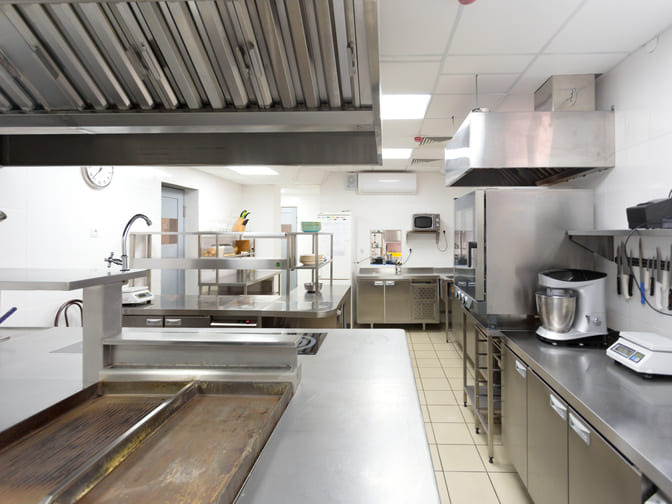
Investing in a proper kitchen layout will help you streamline the workflow and enhance the efficiency of your chef team. For example, creating an assembly line will prevent chaos and allow your cooks to prepare the dishes faster. Similarly, an island layout is best for promoting teamwork and offering maximum visibility to the prep work.
H3: Safety Considerations
When it comes to a restaurant layout, safety and security are non-negotiable. So, whatever you plan for, ensure the following aspects.
- The emergency exits should be marked clearly with no obstruction in visibility.
- Dining and kitchen areas should have non-slip floors.
- Fire safety systems must be installed, including water sprinklers, extinguishers, and smoke alarms.
- ADA compliance for easier wheelchair movement and navigation.
Designing for Customer Experience & Operational Efficiency
Acoustics & Noise Control
If there’s too much noise coming from the open kitchen or sounds of people gossiping during peak hours, the ambiance in your restaurant will be disturbed. Your guests won’t feel comfortable and may not choose your dining outlet for a repeat visit.
That’s why paying attention to acoustic and noise control is of utmost importance. Soundproofing the interiors with softer materials like velvet cushions and curtains will reduce the noise to a great extent. Besides, it will also help you maintain the privacy of your customers in booths.
Also, you should select the correct music playlist that won’t kill the vibes instantly. If it’s a fine-dining restaurant, high-end or slow music will be the perfect tool to set the mood. For a restaurant housing bar, you can go with rock music. All in all, you should ensure the noise or the music doesn’t affect the guests’ dining experience negatively.
Lighting Design
Lighting creates the mood in your restaurant, so use it wisely. Your light choices should match your brand and style.
For upscale restaurants, choose warm amber or reddish lights to create a cozy, soothing atmosphere. If you want a more energizing space, go with cool blue or green tones that feel fresh and vibrant.
Furniture & Décor Selection
When it comes to restaurant furniture selection, ergonomics will triumph above all other side factors. If the chairs do not have a sturdy backrest or the tables are extremely tall, your guests will end up having aches and feeling uncomfortable while dining.
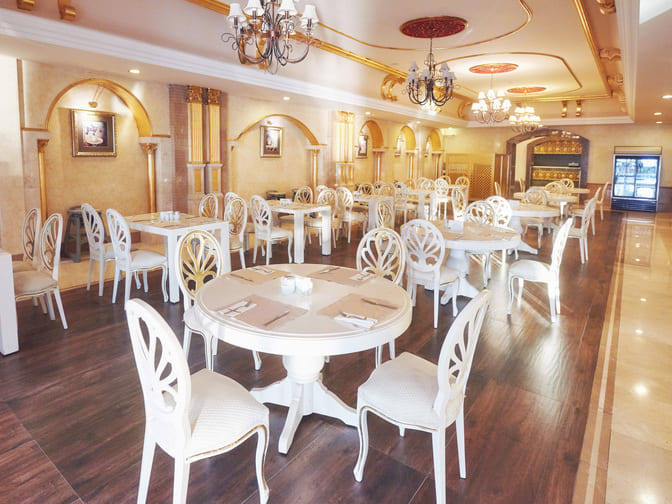
Similarly, a lack of proper cushioning in booth sofas or lounge chairs will also ruin the dining experience for your customers. Whatever you choose, invest in durable products and not the ones that will collapse after a couple of weeks of usage.
Accessibility & Inclusivity
Your restaurant layout should have proper accessibility for wheelchairs, especially the entrance door, walkway, and the aisles between the tables. This will help you adhere to ADA compliance and offer an inclusive dining experience to all types of customers.
Common mistakes to Avoid When Designing a Restaurant layout
1. Overcrowding or Wasted Space
If your restaurant is overcrowded, your guests and staff won’t have enough space to move from one point to the other, not at least without colliding. Similarly, too much free space will be a waste as it shows an inefficient floor design for a restaurant. So, all you have to do is strike the right balance between these two scenarios.
Maximize the seating space but not at the compromise of accessibility and streamlined traffic flow. Ensure your staff members can move quickly and attend to all the guests on time without having to sprint like running in a marathon.
2. Poor Kitchen-to-table Coordination
If the kitchen and dining areas are poles apart, your staff will have to spend more time walking rather than attending to your guests. This will further disrupt the coordination and demean the dining experience. So, you should ensure the distance between the dining space and the kitchen is appropriate. At least then, you can avoid longer wait times and eliminate redundancies and inefficiencies.
3. Ignoring Traffic Flow
A common mistake in restaurant design is ignoring traffic flow, which leads to chaos. Narrow walkways in busy restaurants slow down service and create bottlenecks.
Make sure your pathways are wide enough for servers and guests to move freely. Proper traffic planning prevents crowding and keeps your service running smoothly.
4. Lack of Ventilation & Temperature Control
Poor ventilation makes your restaurant stuffy and uncomfortable for everyone. Even with air conditioning running, temperatures can soar, making dining unpleasant.
But be careful, setting the temperature too low will cause food to get cold before guests can enjoy it. Invest in good ventilation and temperature control systems to maintain the perfect balance for both comfort and food quality.
Conclusion
Choose a creative restaurant layout that delivers a great dining experience even during busy hours. But make sure your design matches your restaurant’s style and how you operate. You have to be smart enough to know if the chosen layout is ideal for your restaurant type and theme.
Don’t just copy standard layouts, they might not work for your brand. Instead, focus on what matters: traffic flow, restaurant type, seating, space, and safety regulations.
FAQs
The assembly line layout is best for restaurant floor plan as it helps manage high volume kitchen to move food very quickly.
The ideal distance between two tables according to proper restaurant table layout should be at least 24 to 30 inches.
Table settings need to be aligned with your restaurant style. So, carefully examine what you have to put on display so that your guests can have a glimpse about the experience they will receive.
This term is very commonly used in the hospitality sector, and it defines how smoothly your customers and staff members move around within the restaurant.
From using multifunctional furniture to investing in mirrors for the illusion of a larger space, you can try different tricks to create a perfect small restaurant layout design.
Although the seating arrangements can differ with the restaurant type, there should be a standard spacing of 18 to 24 inches between every table.
More Read:
1. How to Become an Owner of a Restaurant – A Complete Guide