Author Archives: Gayla

Restaurant Furniture replacement

7 Signs Your Restaurant Furniture Needs Replacement and Need New Furniture Equipements

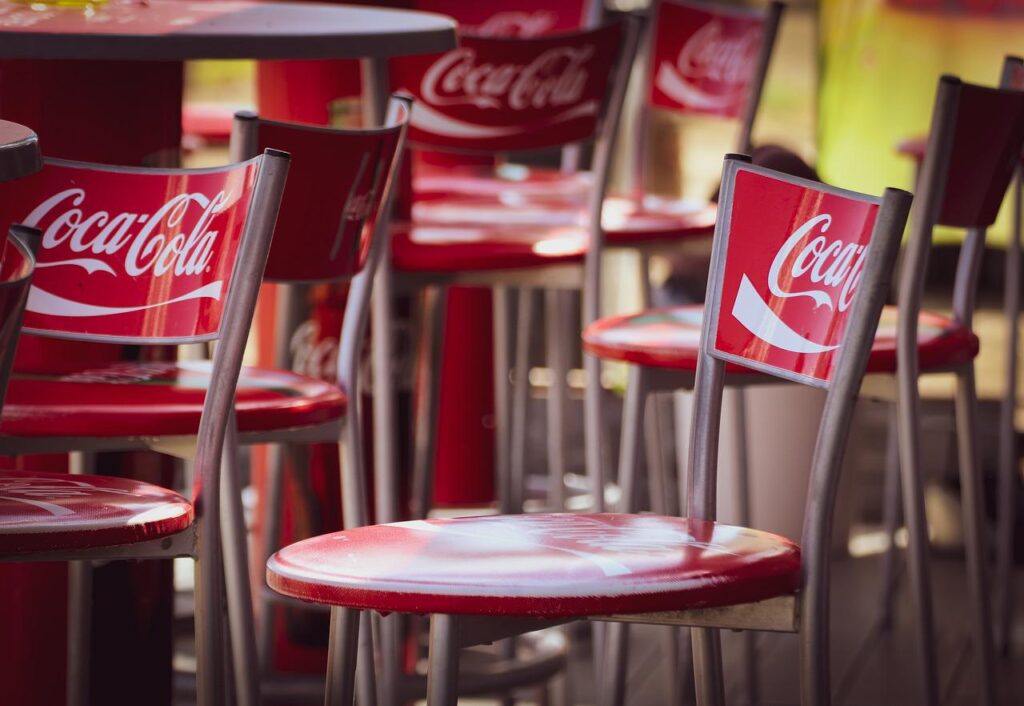
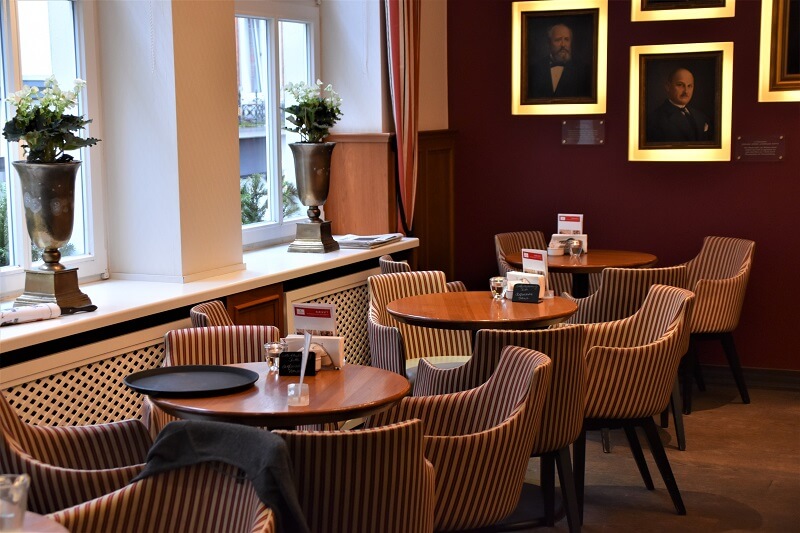
In the restaurant business, furniture is more than just a place to sit; it’s part of the dining experience. The average lifespan of restaurant furniture can range from 5 to 10 years. However, this lifespan varies based on usage and quality. Just like any other asset, it wears out over time.

Thus, it needs either repair or replacement. Many restaurateurs often overlook the signs of aging furniture amidst the hustle of running a restaurant. But if you are conscious about how often to update your restaurant furniture, it will enhance your customers’ experience. As a result, it will positively impact your revenue.

How do you know when it’s time for a furniture upgrade? Let’s find out.

What Is the Lifespan of Restaurant or Commercial Furniture in the USA?

Most restaurant furniture lasts 5 to 10 years. It depends on the quality and how often it gets used.

Chairs and booths wear out faster than tables. In a busy restaurant, they usually last five to ten years. After that, the frames get loose, the fabric tears, or the finish looks worn. Tables do better because they don’t have as many parts that move. A solid wood or metal table can last ten to fifteen years, sometimes longer if you fix and refinish it.

Outdoor restaurant furniture doesn’t last as long. Sun and rain damage materials quickly. Most outdoor pieces need replacing after two to five years unless you buy high-quality stuff like aluminum, teak, or commercial resin.

Quality makes a big difference. Sturdy frames, thick finishes, and strong hardware help furniture last longer. Regular care helps too. Tighten screws when they get loose. Clean up spills right away. Move heavily used pieces around so they wear evenly.

Most restaurants don’t wait until furniture breaks to replace it. Many update sooner to refresh their look or match a new design. But if you take care of your furniture, you can stretch those five to fifteen years and get your money’s worth.

7 Signs to Know How Often You Should Update Restaurant Furniture

You should know when to replace restaurant furniture. This is crucial for customer satisfaction and your bottom line. Here are seven signs that it’s time for a furniture upgrade.

1. Continuous Complaints from Customers

If you’re hearing ongoing complaints about uncomfortable seats or wobbly tables, don’t ignore them. Customers are your best critics. Their comfort directly correlates with their overall dining experience. Complaints are often a symptom of a larger problem. Multiple bad reviews can harm your reputation and reduce your customer base over time.

2. Cost of Maintenance vs Replacement

The real question here is: should you fix old furniture or buy new?

Repairs seem cheaper at first. But the costs pile up. You pay for parts, labor, and your team’s time dealing with broken chairs and scratched tables. When you’re fixing the same things over and over, the total cost gets close to buying new furniture anyway.

There’s another cost people forget about. A chair being repaired can’t be used. A table with a damaged top might make customers avoid that spot. These problems slow things down every day. Over a year, they can blow your maintenance budget.

Replacing furniture isn’t always the expensive choice. New commercial furniture lasts longer and breaks less. If you’re patching the same issues again and again, the furniture is done. At that point, replacing it saves you money and hassle.

3. Outdated Style and Trends

Your restaurant should keep tabs with the latest trends. If your furniture is visually outdated, it gives your restaurant an old-fashioned look. This may also give the impression that your restaurant is not well-maintained, even if that’s not the case. Aesthetics is important in the restaurant business. So, keep up with modern trends to get a competitive edge.

4. Changing Needs and Functionality

Perhaps you’re expanding or narrowing your focus in the restaurant business. Either way, your existing furniture may no longer suit your needs. The functionality of the furniture should align with your restaurant’s overall theme and practical requirements. If your current setup is more of a hindrance than a help, it’s time to think about replacing it.

5. Unavailability of Spare Parts

When you cannot find spare parts for furniture to fix them, it becomes impractical to keep them. The lack of parts means that even minor issues can become major problems. If it’s a hassle to source components for repairs, it’s probably best to invest in new furniture that you can easily maintain.

6. Impact on Business Revenue

The condition and style of your furniture have a direct impact on customer perception, which in turn affects your revenue. Unattractive, uncomfortable furniture will likely discourage customers from lingering or returning. On the other hand, a comfortable and inviting atmosphere encourages customers to stay longer, order more, and recommend your restaurant to others.

7. Safety Risks

Last but certainly not least, safety is paramount. Worn-out or broken furniture isn’t just unappealing; it can be hazardous. The last thing you want is for a chair to collapse under a customer. You may face legal repercussions. In addition, such incidents are disastrous for your restaurant’s reputation.

Final thoughts,

Investing in new furniture is not just an aesthetic decision; it’s a strategic one. Good quality, up-to-date furniture elevates the customer experience and can lead to increased revenue. Plus, creating a comfortable, modern atmosphere encourages repeat business. If you find that your furniture meets any of the seven signs listed above, consider it an opportunity for positive change.

FAQs

How often should you update the furniture of your restaurant?

Generally, consider a revamp every 5 to 10 years. However, this is subject to how intensively the furniture gets used and the quality of the pieces you initially purchased.

How long does restaurant furniture last?

Quality and use are the two main factors that dictate this. However, the average span is about 5 to 10 years. With proper care, some high-quality pieces can even last longer.


What is the Restaurant Startup Cost in The United States?

Starting and running any business requires money, energy, and time. However, not all businesses make it through the first couple years. According to the data compiled by the Bureau of Labor Statistics from 1995 to 2015, more than 20% of businesses failed within 1 year, and the business failure rate increases to over 50% in five years.

So why do some businesses fail within years of launching? Well, there could be many reasons.  Lack of planning and preparation, under-estimating the challenges, money crunch, or just plain bad luck are a few of the reasons.

How Profitable is Owning a Restaurant?

restaurant business cost

The restaurant business, although competitive, can be a lucrative venture. With over 660K restaurants across the United States, the food and drinks industry generated over $799 billion in sales in 2021.

Needless to say, owning a restaurant business can be a profitable affair if you get the business model right. How much does it cost to start up a restaurant? Read on to know about restaurant startup costs and how you can improve your chances of succeeding in the industry.

List of Restaurant Startup Costs Every Owner Must Know

Budgeting for a restaurant startup contains two items – initial costs and expenses. A restaurant start up cost is a one-time expense for the commercial space, renovation, equipment, kitchen utilities, etc.

On the other hand, expenses are recurring charges you pay to keep your restaurant up and running, like rents, payroll, supplies, etc.

Now you know the difference between these two, here is the restaurant startup costs breakdown that every restaurant owner must know:

1. Premises, Equipment, and Resources

restaurant location

Planning for any restaurant startup budget begins with finding the perfect location. The area, location, resources, and equipment you will require depend on the size and type of your proposed restaurant.

Rent is usually charged on a per square foot basis, and varies in different parts of cities. While some restaurant premises come fully equipped with furnishings, others require costly renovations that can shoot up the investment cost.

Here are some of the crucial costs you must consider:

  • Security Deposit: $30,000 to $60,000 (equivalent to 3 – 6 months’ rent)
  • Renovation Charges: $5,000 to $50,000
  • Restaurant Tables & Chairs: $40,000
  • Kitchen & Bar Equipment: $115,000
  • Initial raw material costs (food and drinks): $8,000
  • Rent: $10,000 to $12,000 per month
  • Utilities & Supplies: $2,500 per month

2. Hiring a Team and Finding Vendors

The restaurant is a part of the hospitability industry, and its success depends on the staff you select. While preparing your restaurant business plan and restaurant startup costs checklist, you must have a clear idea of how many staff members you will need for the smooth operation of your restaurant. Although the federally mandated minimum wage in the United States is $7.25 per hour, it varies from state to state. It could be as low as $5.15 per hour in Georgia and as high as $15 per hour in California. The average salaries of the typical staff members of a restaurant are:

  • General Manager: $50,000
  • Chef: $40,000
  • Assistant Manager: $38,000
  • Servers/Bartenders: $24,000

Any restaurant’s dish is only as authentic as the ingredients are. Therefore, you must partner with the right vendors to get the best quality raw materials. Most restaurants have a markup price of about 300% for their dishes. For beverages and cocktails, the markup price can be significantly higher.

3. Getting Your Paperwork Done

restaurant paper work

Opening a restaurant in the United States requires several licenses and permits like:

  • Business License (~ $500)
  • Food Service License ($100 to $1,000)
  • Liquor License (around $12,000)
  • Food Handler’s Permit ($100 to $500)
  • Sign Permit
  • Employer Identification Number

The price of these permits and licenses (excluding liquor licenses) varies from state to state and could easily cost you about $5,000 to $6,000. Additionally, you must protect your business by investing in appropriate insurance coverage, whose premiums can cost around $6,000 per year.

4. Payment System Setup & Restaurant Technology

Any modern restaurant is expected to have a point of sale (POS) system which is fast, portable, and safe for online payments. While some payment gateway service providers charge a monthly fee, others charge a percentage for every transaction.

Similarly, investing in restaurant technology helps in the effortless management of front-end and back-end processes by automation. More importantly, you collect data for analyzing customers’ preferences and feedback to improve their dining experience.

Restaurant business startup costs for some of the hardware and software requirements associated with a restaurant are:

  • Hardware:
    • iPads or handheld devices for POS and kitchen display systems: ~ $300 and up
    • Payment Terminals
    • Receipt printers: $100
  • Software:
    • Point of Sale (POS) System: $69 per month onwards
    • Employee Scheduling Software: $18 per month onwards
    • Kitchen Display System: $12 per month onwards

5. Branding and Marketing

branding and marketing for restaurant start up

We live in a digital age where running any business is impossible without marketing. Marketing helps in increasing your restaurant’s visibility to stand ahead of the competition and create a brand image.

You can select from various marketing techniques – from social media to billboards, from PR services to radio campaigns to draw customers. The average costs of different marketing tools are:

  • Fliers/Ads/Discount-coupons: $5,000 to $10,000
  • Signage: $15,000
  • Opening Event: $15,000
  • PR Services: $5000 – $6,000
  • Menu Designing: $1,500
  • Radio Ads: $20 to $80 per ad campaign broadcast
  • TV Ads: $200 to $1,500 for every 30-second spot

In a nutshell, marketing costs for your new restaurant can easily cost upwards of $30,000.

If you want to market on a budget, you can consider hiring content writers or freelancers for a robust digital presence in the form of blogs.

Social media content creators follow the most-efficient Search Engine Optimization (SEO) practices to create high-quality content, which usually costs less than $500.

Restaurant Business Startup Facts

According to the National Restaurant Association, here are some interesting restaurant business startup facts:

  1. Restaurant industry sales in 2021 were around $799 billion.
  2. The restaurant industry employed more than 14.5 million workers in 2021.
  3. Around 90% of the restaurants in the United States operate with less than 50 employees.
  4. The cost of opening a restaurant varies between $175,500 and $750,500.
  5. 90% of the restaurant-goers research the restaurant before dining.

Frequently Asked Question

1. How much does it cost to start up a restaurant?

The total restaurant startup cost varies from $175,500 to $750,500, with the median cost being $375,000.

2. What is the average operating cost of a restaurant?

The operating cost of a restaurant comprises fixed expenses like rent, taxes, utilities, maintenance, marketing, etc. and variable costs like food, labor, etc. On an average, the operating cost of a typical restaurant comes in around $50,000 per month.

3. What is the minimum cost to start a typical restaurant?

The minimum cost to start a restaurant is $175,500.

kids friendly restaurant

How to Create Kids-friendly Restaurants – Tips to Attract Families

As customers, kids are probably the most demanding lot. However, since they can impact their parent’s ordering decisions significantly, you cannot ignore them. Children are perhaps the most lucrative and promising demographic for a restaurant.

As a restaurant owner, serving families with young kids might appear as a tempting prospect. However, merely designing a separate menu for kids seldom makes kids-friendly restaurant. From your restaurant’s design to its menu, creating a kid-friendly atmosphere in your restaurant requires you to consider several factors.

How to Create Kids-friendly Restaurant: Top 7 Tips 

Let’s discuss how you can create a kids-friendly restaurant and how to market your restaurant to attract families.

1. Offer Appropriate Menu Option for Kids

kid-friendly menuIrrespective of your restaurant’s cuisine, you can include popular food items like pizza, fries, nuggets, mac & cheese, etc. on your menu. Alternatively, you can also consider including your restaurant’s signature dishes in child-size portions.
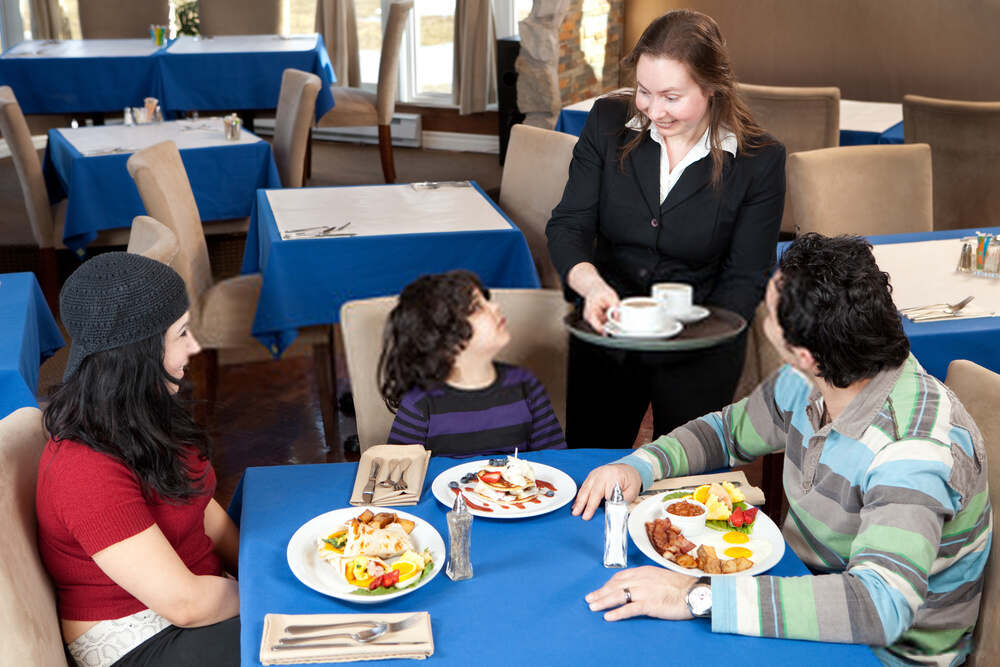
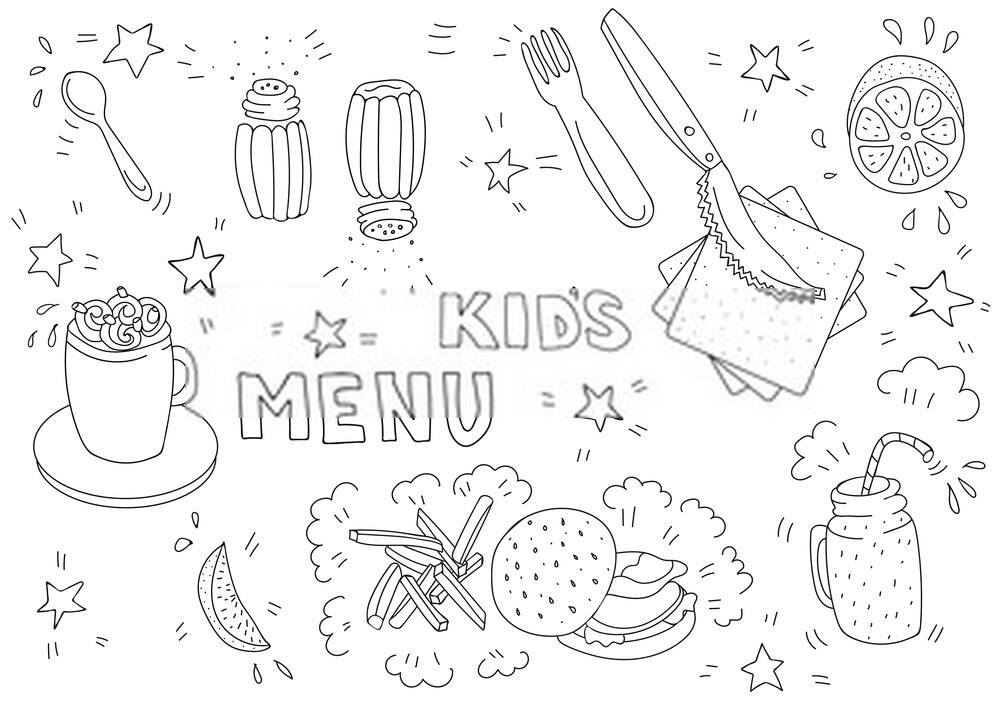
To better attract kids’ attention, you can name your dishes creatively and include drawings and/or stock-photos on your menu. Here are some additional tips to consider while designing the kids-friendly menu for your restaurant.

A. Ensure your Menu Accommodates Allergies

Since every parent is understandably concerned about their kid’s allergies, make sure that items on your menu take care of the most common food allergies like nuts, lactose, soy, etc. More importantly, you must train your kitchen staff in preparing the food for your young guests.

B. Offer Special Weeknight Deals for Families

To attract families on the other-wise slow evening, you can offer discounts or incentives on weeknights. Albeit a purely marketing strategy, deals during non-peak hours can help in recovering the operating costs quickly.

C. Make Healthy and Nutritional Food

As parents become increasingly conscious about junk foods for their kids, you can come up with items that are healthy yet appealing for kids.

2. Food Options Kids Will Actually Eat

Getting kids’ food right matters more than most people realize. Families decide whether to come back based on one thing: did their kids eat well and stay calm?

Here’s what usually goes wrong. Wait times drag on and kids get restless. Tables are too small for booster seats. Chairs are hard and uncomfortable. The menu has maybe one or two things a kid will actually eat. The place looks boring and has sharp corners everywhere. When all that happens, parents finish fast and leave.

You can fix this without much effort. Offer quick dishes that don’t need much prep time — mini burgers, plain pasta, grilled cheese. Keep a kids section on your menu with three reliable choices and one special that changes. Set up a family table or corner with comfortable seating and rounded edges so parents don’t worry about bumps.

Give kids something to do while they wait. Crayons work. A simple coloring sheet or menu game works too. Anything that makes the wait feel shorter.

Here’s why it’s worth doing. Quick kids’ orders mean faster table turns. Fewer complaints mean smoother service. Happy families come back and tell their friends about you. Even if kids’ meals are cheaper, parents who aren’t stressed will order another drink or split a dessert.

Fix these few problems and you’ll build real loyalty with families in your area.

3. Provide Comfortable Restaurant Seating for Kids

kids-friendly comfortable seating

When you wish to accommodate kids in your restaurant, you have to make necessary changes in the restaurant seating arrangement and restaurant design as well. You have to buy children high chairs or booster seats in multiple quantities with sufficient cushions to make them sit comfortably because regular or styles restaurant chairs makes kids uncomfortable.

Quite often, children bring their soft-toys, backpacks, etc. In such cases, you can offer them larger tables to accommodate their furry-friends as well.

4. Educate & Train your Staff

Some of your staff may have limited experience dealing with children. Educating and training your workforce can go a long way in creating a comforting atmosphere for kids. Here are a few handy tips for handling kids in your restaurant:

Educate staff for kids friendly

  1. Make sure that you offer a table free from any nearby potential hazards like electrical sockets, pots, plants, etc. to the families with kids.
  2. During ordering, notice the child’s behavior and take parental cues on how to handle them. While some kids might want to order on their own, others might not be as confident to engage with your restaurant’s staff.
  3. Train your restaurant’s staff in dealing with the kid meltdowns. A positive reaction from a supportive staff during such meltdowns helps in building loyalty for your restaurant from the weary parents.
  4. The restaurant’s staff must learn and acknowledge the fine line between engaging the customer’s kids and intimidating them. While engaging them with toys, activity charts, etc. might work for some kids, your staff must know when to back off as well.

5. Equip Your Restaurant with Kid-Friendly Supplies

Children have short attention spans. While parents get busy conversing and enjoying their meals or drinks, kids might get bored and annoy their parent which hampers their dining experience.

You can counter it by providing entertainment options so that you, kids, parents, everybody is happy. Here are a few kid-friendly supplies you might want to consider:

a) Games at the Table:

table game

Activity mats and drawing boards with crayons are the most popular and inexpensive option to keep kids busy at the table. If you are branding your restaurant as a high-tech one, you might even consider portable tablets or tabletop gaming consoles.

b) Play Areas

Although an expensive investment, building a designated play area in restaurants has become quite popular with kids. Play areas keep your customer’s young kids busy and occupied while they enjoy and bond over meals. However, merely opening a play area is one thing, and maintaining it is a different ball game altogether.

For example, you have to keep additional staff to clean and maintain the play area. More importantly, you must be aware of the liability and responsibility in case of any accidents.Kids Play Area

c) Arcade Rooms:

If yours is a restaurant with plenty of teens and elder kids in the neighborhood, you can set up a separate arcade room in your restaurant. Apart from attracting young crowds, the coin-operated arcade games also act as a source of additional income for your restaurant.

6. Create a Safe and Accommodating Space for Small Children

With a designated play area in your restaurant, you can prevent them from getting restless, irritated, and disturbing other guests. However, when designing the play area for kids, their safety should be paramount. Here are a few points to consider in your kids-friendly restaurant layout:

i) Firstly, Avoid slippery floors, and use clear signage to alert the parents.

ii) Ensure that the play area is visible to the parents so that they can monitor their kids.

iii) Ensure to create a fenced and contained play area.

iv) Hire additional staff to maintain the safety and hygienic conditions of the play area.

v) Offer padded sheets and covers on the sharp edges of walls, restaurant tables & chairs, etc.

vi) Use protective covers to secure sockets, cables, and other electrical fittings.

7. Marketing to Families with Offers

After you have successfully created an inviting & accommodating space for youngsters, you must market it to families also.  Providing complimentary meals from the kid’s menu is an effective way to attract families on a budget.

Since food items on the kid’s menu are usually less expensive, they might be cost-effective than offering flat discounts or coupons. However, you must ensure that you focus kids under 12 years of age for this offer so that you don’t end up losing profits. Additionally, you can offer discounted prices for weekdays or loyalty programs to attract customers.

Summing it up

From the colorful & healthy menu to restaurant design, from the attentive staff to a dedicated play area, from carefully selected restaurant furniture to marketing offers, making kid-friendly restaurant and attracting families requires you to consider several crucial parameters. However, creating a safe and accommodating space for entertaining kids builds loyalty by enhancing the dining experience and opens up a new source of revenue.

The handy tips mentioned above will make dining at your restaurant a memorable experience rather than a stressful situation. Hopefully, the tips mentioned in this article will help you in capitalizing on new demographic for a profitable restaurant business.

Restaurant bookkeeping

Mastering Restaurant Bookkeeping in 5 Simple Steps

When you are planning to open your dream restaurant, you go through several aspects – food, staff, layout, interiors, menu design, cutlery, kitchen equipment, and so on, but bookkeeping often isn’t one of them. As if the restaurant business was not competitive enough, a recent study suggests that over 52% of restaurant owners consider operating costs and food costs as the biggest challenges in running their restaurants.

Restaurant bookkeeping not only helps owners track their inventory, profits, and expenses but help in tax calculation and auditing too. More importantly, it helps identify where your money is going and how you can maximize your profits. 

So, what if accounting is not your forte and you don’t know anything about restaurant bookkeeping? Almost all businesses use some type of accounting software to track their incomes and expenses. So, why not restaurants?

With some basic understanding and the right accounting software, you can stay ahead of your competition and increase your profitability. Read on to know how you can master bookkeeping for a restaurant business like a pro: 

How to Handle Bookkeeping for A Restaurant?

Whether you plan to outsource your accounting activities or do it yourself, efficient bookkeeping starts with you. Here is how you can carry on restaurant bookkeeping effectively in 5 steps:

1. Use POS to record your daily sales

Use POS for Daily Sales

Points of sales (POS) systems have turned out to be a huge blessing for restaurant owners and managers. POS systems have bridged the communication gap between your kitchen and dining staff. A POS system serves many functions – tracking your sales, managing inventory, collecting feedback, analyzing customer preferences, and many more. 

  • Record your per-day sales entries: In any restaurant, customers either pay by card (or some other digital medium) or cash. By recording your daily sale entries, you are trying to replicate how your deposits hit the bank. 
  • Prepare a Sales Report: A sales report usually summarizes the daily sales. Although most restaurant POS systems automatically generate a sales report daily, you can customize the report to reflect more information on the dining preferences of your guests.
  • Maintain a Daily Sales Journal: Once your daily sales report is ready, you can update the sales journal to make a mental note for different aspects of your sales. For example, while bookkeeping for bars, you might want to record beverage and food sales separately to analyze the average spending by a customer.

2. Manage Accounts Payable

Now that you know your daily sales, the next step in your restaurant bookkeeping would be to set up accounts payable. After all, you want to keep your vendors and suppliers happy if you wish to continue working with them.

  • Make all the entries for pending payments at least twice a week and pay your vendors once every week.
  • Before making the payment, crosscheck the bills. Make sure that each purchase order matches up with its receiving order.
  • Whether you pay the vendors online or through a check, ensure that the corresponding entry in your accounting system is marked correctly.

3. Work on a Payroll

To keep your staff happy, you must pay them for their work – timely and correctly. Payroll is the process of managing, calculating, and disbursing paychecks for your employees.

  • The restaurant is a tricky business, and salaries depend on several variables. For example, the basic salary of any employee will depend on their experience, expertise, roles, responsibilities, etc. 
  • Similarly, some employees like managers or chefs will have a weekly or monthly salary while others, like waiters, bartenders, and cleaners, will get paid on an hourly basis. 
  • In a nutshell, working on payrolls can be tedious as there are several factors to consider. Any miscalculation in paychecks might lead to unhappy employees leaving your team. 
  • Moreover, incorrect payroll might even have tax implications, and you might incur penalties or interests.
  • Outsourcing your payroll or investing in an accounting service is an affordable way to ensure transparency, consistency, and accuracy.  

4. Always do Reconciliation

Reconciliation is an accountancy term for matching all your financial transactions by looking at different sets of balances and records.

  • Reconciliation is the only way to ensure that you have accounted for all your financial transactions from banks, credit cards, payroll, loans, credit lines, etc.
  • You minimize errors due to faulty entries, lost checks, and incorrect deposits through reconciliation and ensure that your financials are in order.

5. Maintain Financial Reporting

financial reporting

Financial reporting helps you gauge the status of your business. The restaurant industry works on tight margins, and financial reporting helps analyze where your business is going. Some of the key financial reporting parameters include:

  • Profit & Loss statement
  • Balance Sheet
  • Cash Flow statement
  • Sales vs. cost of goods

How To Perform Cost Calculation for Restaurant Bookkeeping

  • Cost of Goods sold: It refers to the ingredients and products you buy to prepare food and beverages. Ideally, the cost of ingredients is roughly 30-40% of the total sales.
  • Cost of labor: It comprises all expenses towards your staff including:
    • Hourly wages for your servers
    • Salary for chefs, managers, etc.
    • Payment or allowances for uniforms, tips, gratuities, unemployment taxes, etc. 
  • Occupancy and Equipment cost: It consists of the cost of owning or renting the place as well as expenses done for the infrastructure like:
    • Mortgage, rents, property taxes, insurance, signage.
    • Utility bills like electricity, water, and municipal taxes.
    • Cooking equipment, freezers, ovens, etc.
    • Maintenance and servicing cost.
  • Restaurant furniture Cost: Restaurant furniture requires a significant expenditure and consists of payments for
  • Marketing cost: Now that your restaurant is open to welcome customers, you would have to spread the word. Marketing costs include:
    • Print ads in newspapers, pamphlets, or billboards
    • Digital marketing through social media influencers
    • Audio-video advertisements on radio, local TV, etc.
restaurant furniture

Best Restaurant Bookkeeping Software Options

Now that you understand the importance of bookkeeping for restaurant business, here are the best accounting software for restaurants:

1. Restaurant365

  • Cloud-based software that integrates restaurant bookkeeping with other management tools like ordering, invoicing, staff scheduling, etc.
  • While it does not offer payroll services, you can integrate with other vendors, POS systems, etc.
  • Monthly prices for Restaurant365 start around $249 per location and goes up to $459 per location

2. QuickBooks Online

  • Easy to use program and ideal for restaurant owners with little accounting knowledge or bookkeeping experience
  • It offers impressive features like income & expense tracking, invoicing, inventory management, etc., with add-on payroll services, and is compatible with most POS systems
  • Monthly pricing for QuickBooks Online ranges from $25 – $100

3. Touch Bistro

  • iPads-based POS system built by and for restaurant owners
  • Effortless to set up and offers features like inventory management, ingredient-based food cost calculation, table management & ordering, payment processing, etc.
  • The monthly plans for Touch Bistro start at $50 and go up to $229

4. Xero

  • Cloud-based simple accounting software and alternative to QuickBooks Online.
  • Offers tools for inventory management, invoicing, reconciliation, income & expenses tracking, payroll processing, financial reporting, etc.
  • Xero is ideal for small restaurant or café bookkeeping, and is available at monthly charges starting from $11, while the top tier plan costs $62. 

5. ZipBooks

  • Simple, generic accounting program that you can use for any industry
  • Some of the features of ZipBooks include financial reporting, vendor & customer management, expense tracking, etc.
  • ZipBooks is probably the most budget-friendly option of bookkeeping for small restaurants. It has a free version with limited capabilities, while the paid options range from $15 – $35 per month

6. Davo

  • You can integrate Davo with your POS to automate the sales tax process, and the program ensures that all your taxes are paid correctly and on time
  • Although it does not have many features like other software mentioned above, you can use it as an add-on to other programs
  • Davo offers a one-month free trial period and $39.99 per month per location after the trial period

7. Plate IQ

  • Plate IQ is the best restaurant accounting software for automation and works with multiple industries like groceries, hotels, etc.
  • Plate IQ has several unique features like reconciling vendor invoices, automated invoicing, problem alerting, emailing, spend reporting, etc.
Restaurant bookkeeping software

FAQ

How do restaurants perform bookkeeping?

Restaurant owners perform bookkeeping either by:
Hiring a full-time accountant
Purchasing an accounting software
Outsourcing the bookkeeping to an accounting firm

What is a bookkeeper at a restaurant?

A restaurant bookkeeper manages and oversees the finances and performs budgeting. They are in charge of analyzing a restaurant’s income & expenses and offers advice on increasing profitability by reducing food, labor, or other overhead costs.

Is it advisable to outsource restaurant bookkeeping?

Any business is about making the most of your strengths and outsourcing the weaknesses. Instead of having a dedicated bookkeeper or doing it yourself, it is sensible to outsource the job, especially while bookkeeping for small restaurant. This way, you can focus on your passion for running and managing your restaurant.

restaurant patio furniture

7 Common Misconceptions about Restaurant Patio Furniture: Let’s Learn it!

When walking past a very organized restaurant patio, all of the restaurant patio furniture looks it was placed there effortlessly, simply ready for customers.

That is similar to an Olympian making their particular sporting event appear effortless, when they have put so much work in to just get to the Olympics.

7 Common Misconceptions about Restaurant Patio Furniture

Using commercial patio furniture to create the perfect outdoor dining space does not take the effort of an Olympian, but there are some misconceptions that need to be cleared up. Read on.

1. Patio Table Top Misconception – ‘All Table Tops can be Used Outdoors’

Be careful when selecting commercial table tops as they cannot all be used outdoors.  For example, oak is a solid hardwood that is grown outdoors, and then stored outdoors after cutting the tree down.

However, oak that has been dried and then finished, even with a very durable finish, will have a tough time staying together outdoors. 

The sun’s ultraviolet rays, along with the natural expansion and contraction of the oak, and the various weather conditions, will cause the finish to peel and the oak table to warp and split.  Other woods are very similar in their reaction to the elements.

Outside Dining in a Restaurant

There are a few wood table exceptions such as teak that can be used outdoors.  Teak wood tables however, need to be maintained or they may turn gray. 

Some stainless steel tables are constructed with particle board under the stainless steel, and when the particle board gets wet, it will swell, and the table top may become unusable.  Aluminum, stainless steel or resin are the materials best suited for use in outdoor table tops.

2. Patio Table Bases Misconception – ‘All Table Bases can be Used Outdoors’

Indoor bases may look sturdy and can hold up to the elements, but the standard indoor table base will rust when put outdoors.  This makes the table base look it hasn’t been maintained, and the rust from the table base can stain the patio floor. 

There is a simple fix to solve this problem.  Simply spraying the baseplate and column with rust proof paint will help prevent the table base from rusting. 

Flat black rust proof paint is the color most often used, and is very easy to spray onto the base. 

Aluminum and stainless steel are the materials most commonly used for outdoor restaurant table bases without having to apply any paint.

3. Weather Misconception with Restaurant Patio Furniture – ‘Sun, Glare and Weather from the Sun are Not Important Considerations’

If thinking about customer comfort, then the sun and weather are important. 

Consider the fact that dark granite table tops can become so hot in the sun that they can burn skin. 

Stainless steel table tops may put off such a glare that is not possible to see into their reflection.  Placing the typical patio umbrella over the table top with the wood pole going through the table may be a solution, but only if the sun is directly overhead. 

A better idea may be to stand alone umbrellas outside of the table, which can be moved to block the sun. 

Resin tables used outdoors are a good choice to reduce heat and reflection, and many resin tables are sloped very slightly to allow rain water to flow off the table.

4. Theft of restaurant patio furniture misconception –  ‘Every piece of furniture on our restaurant patio needs to be chained up every night’

Restaurant patio furniture does not necessarily need to be chained up every night.  Restaurants find it difficult to find the time for extra activities like securing all the patio furniture every night. 

There are other solutions than chaining furniture.  While some restaurants have the locking up process smooth, other need different ideas for their unsecured patio.

Some restaurants are successful using motion activated surveillance cameras. Placing fake cameras on the patio are much better than no cameras. There are alarms available that can be attached to one or two patio furniture sets every night that would sound off if furniture is moved.

Patio chairs

Some restaurants install an eye hook into the patio floor on either side of the patio and just run one coated metal rope to the eye hook on the other side, chaining as much as possible. 

This saves time as there may not be too many pieces unchained.  Be prepared to chain, stack or move restaurant patio furniture if the area is windy or if a storm is expected. 

Finally, take pictures or your patio furniture in advance as an added security measure, and can also be beneficial in recovering missing furniture pieces or for an insurance claim.

5. Patio tables wobble misconception – ‘Wobbling tables are just part of having a restaurant patio’

While many restaurant management people may not notice if their patio tables wobble, their customers certainly will.  As with the vast majority of all table bases, outdoor table bases come with levelers.

Before every seating, restaurant tables should be checked for any wobbling, and levelers should be by adjusted or replaced as needed.  Napkins or other objects placed under the base are unsightly, and are actually more difficult to use than the levelers to prevent wobbling.

6. Patio furniture is too expensive to heat misconception – ‘A restaurant could lose money by heating the patio’

While it is possible that a restaurant could lose money by heating their patio, properly heating the patio to extend the outdoor dining season or restaurant dining capacity can be profitable. Most restaurants from the beaches in Florida, to the desert in Arizona, to the winter mountains of Colorado, can benefit at some point from using stand-alone gas heaters to heat their patios. 

All these areas have similar cool nights at some point during the year where heaters can be most effective.  Gas patio heaters should always be monitored and turned off when not in use. 

A suggestion would be to turn on the heaters when the indoor seating area is full and the outside air is in the right parameters, extending the dining capacity of the restaurant.  Measure food and drink profits against the cost of patio heater gas usage to gauge the efficiency of heating patio tables.

7. Patio furniture durability misconception – ‘Lighter patio furniture will break easily’

Common sense would suggest that the heavier a chair, the better quality it will be, but this is not always true.  Some materials are naturally heavy, but may fall apart due to poor construction. 

For example, a heavier restaurant patio chair may use a nut and bolt to attach the legs to the frame.  Sometimes, just moving this type of patio chair will make the chair loose in a short period of time, due to the vibration of moving the chair. 

A properly welded chair may be a better choice, even if that chair is much lighter than a heavier chair constructed using a nut and bolt.

By using, monitoring and measuring these ideas for restaurant patio furniture, more profit can be made by a restaurant patio business serving food and drinks.

Frequently Asked Questions

1. What kind of patio furniture is most durable?

The most durable and long lasting outdoor furniture is wrought iron, It lasts for decades. Wrought iron furniture comes with heavy frame for strength.

2. Is aluminum patio furniture durable?

Yes, The cast aluminum furniture is quite durable and lightweight for your day to day usage.

3. Where to buy patio furniture?

Missouri Table & Chair is the best place to buy all your patio furniture in wholesale price and comes with commercial warranty.