
Author Archives: Gayla

Sports Bar Design Ideas

Top 11 Sports Bar Design Ideas for a Winning Atmosphere

Creating the perfect sports bar where fans can gather, cheer, and enjoy the game requires more than just a vision; it demands a strategic approach to design. The atmosphere and experience of your sports bar hinge significantly on its design, from the entrance to the layout, lighting, and decor. In this article, let’s explore 11 trending sports bar design tips. These tips will help you ensure your establishment stands out and becomes a go-to spot for sports enthusiasts.

Important Tips for Designing a Trending Sports Bar

Do you want to design a sports bar that stands out? It requires more than just a passion for the game. It demands thoughtful design and attention to detail. Here’s a guide to infuse your establishment with innovative sports bar design ideas that ensure your venue is the talk of the town.

1. Entrance Impact

Your entrance is the first touchpoint with your guests, setting the stage for their experience. Invest in an entrance that captures the dynamic spirit of sports. You can use bold signage, thematic elements like team colors or memorabilia, and interactive displays. This isn’t just about drawing patrons in; it’s about creating an immediate connection with their passion for sports. Consider floor designs that mimic a playing field or a hall of fame walkway featuring local sports heroes to make that first impression unforgettable.

2. Theme Focus

Choosing a specific theme can transform your sports bar from a generic venue to a memorable destination. Whether it’s dedicated to a particular sport, team, or sports era, ensure the theme permeates every aspect of your bar. This includes decor, menu design, and even the uniforms of your staff. Tailoring your sports bar interior design ideas around a central theme helps create a cohesive environment where fans can fully immerse themselves in the experience.

3. Seating Strategy

Seating should combine comfort with visibility. It should ensure every seat in the house has a good view of the screens. Opt for different seating options to accommodate different group sizes and preferences, from high-top tables for casual viewing to lounge areas for more relaxed gatherings. Durability and ease of maintenance are also Key factors. This way, your furnishings stand up to the high-traffic nature of sports events.
4. Smart Location

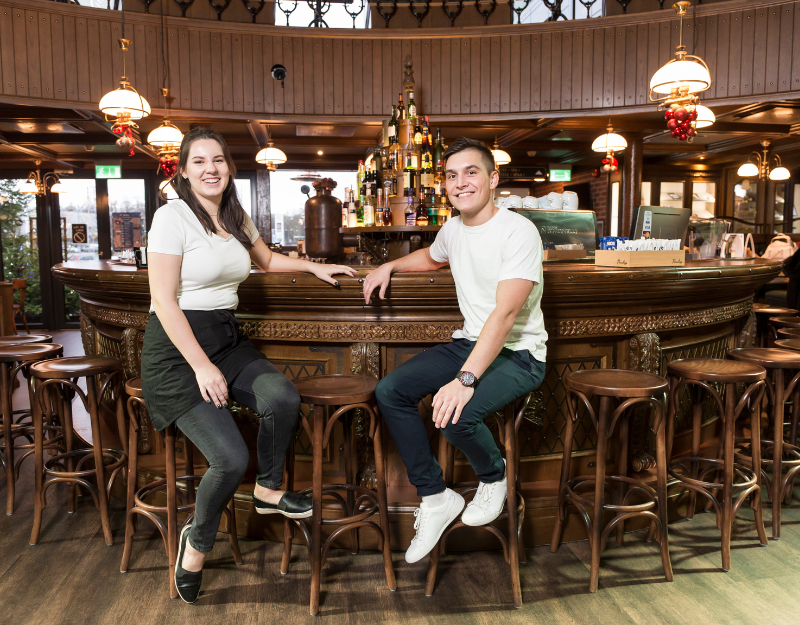
The right location can significantly impact your sports bar’s success. Look for spaces in high-traffic areas close to sports venues, universities, or in bustling entertainment districts. Your location should also reflect your chosen theme and target audience, providing easy access for your ideal patrons. In-depth market research can help identify the perfect spot that attracts foot traffic and fits seamlessly into the local sports culture.

5. Lighting Design

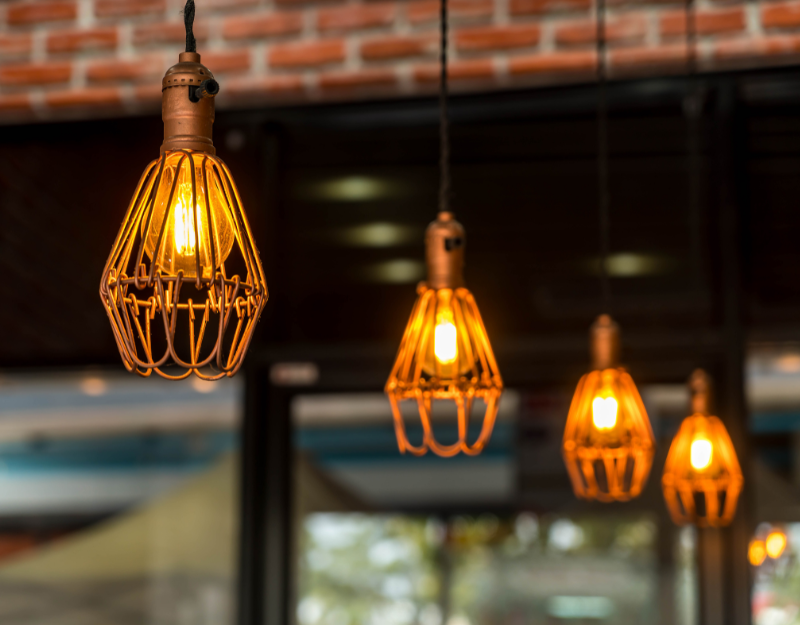
Lighting plays an important role in creating the right atmosphere. Utilize a mix of ambient, task, and accent lighting to highlight key areas like the bar, seating areas, and memorabilia. Adjustable lighting systems allow you to modify the ambiance based on the time of day or specific events. This way, you can enhance the viewing experience and create a comfortable environment for guests.
6. Interactive Fun

Interactive features such as live polls, sports trivia, and fantasy sports leagues can significantly enhance the guest experience. These aspects foster a sense of community and engagement. These activities not only provide entertainment during game intervals but also encourage patrons to participate actively. As a result, your sports bar becomes a destination for more than just watching a game.

7. TV Layout

Strategic TV placement ensures that every guest has an unobstructed view of the action, regardless of where they’re seated. Incorporate multiple screens of varying sizes throughout the bar, including at least one large central screen for major events. The layout of your screens should consider all viewing angles. This ensures patrons can follow the game no matter where they are in the bar.

8. Tech Integration

Embracing the latest technology can set your sports bar apart. From high-definition screens and sound systems that replicate the stadium experience to apps that allow customers to order directly from their table, technology enhances the viewing experience and operational efficiency. Also, consider how technology can be used in innovative ways, such as augmented reality experiences that bring sports action to life.

9. Menu Magic

A carefully curated menu that aligns with your theme can significantly enhance the sports bar experience. Offer various dishes that range from classic pub fare to more sophisticated options, ensuring there’s something for everyone. Themed food and drink specials during major sporting events can also attract guests looking for an immersive game-day experience.

10. Upsell Design

Designing your bar area and menu with upselling in mind can boost your bottom line. Highlight premium drink options and special food pairings prominently within the menu design and bar layout. Train your staff to suggest upgrades or additional items that complement the customer’s order. This way, you can enhance your customers’ experience while increasing your average ticket size.

11. Loyalty Building

Fostering a loyal customer base is about creating an experience that goes beyond the game. Loyalty programs, rewards for frequent visitors, and special events for major sports milestones can turn occasional guests into regulars. Personalized service, acknowledging regular customers by name, and creating a community around your sports bar encourage patrons to keep coming back.

Implementing these sports bar design ideas requires a deep understanding of your target audience and a commitment to creating an exceptional experience. With the right approach, your sports bar can become a beloved gathering spot for sports fans, offering them a home away from home where they can celebrate their passion for sports.

Final thoughts,

An attractive sports bar deisgn grabs teh eyeball of customers. It also retains customers goes beyond just the basics of bar setup. Sports bar layout design requires attention to detail, creativity, and a deep understanding of your target audience’s preferences. By incorporating the above-discussed trending sports bar design ideas, you can create an inviting, exciting, and memorable space where fans are eager to return game after game. Remember, the goal is to make your sports bar the place where great games, good friends, and unforgettable experiences meet.

FAQs

How Much Does It Cost to Open a Sports Bar?

The cost to open a sports bar varies significantly based on several factors, including the location, size, and extent of renovations needed. Starting a sports bar might range from a few hundred thousand dollars to over a million. This estimate encompasses leasing or purchasing space, design and decor expenses, technology investments, licensing fees, and initial inventory costs. Creating a comprehensive business plan that accounts for these elements is crucial for obtaining a more precise estimate tailored to your project. Proper planning and budgeting are essential in transforming your sports bar vision into a thriving establishment.


Restaurant Business Plan

12 Key Elements of a Restaurant Business Plan

Starting a successful restaurant involves more than just cooking delicious meals. A solid restaurant business plan acts as the backbone. It guides you through each step towards success. It outlines your vision, identifies key challenges, and sets a path for growth. From financial projections to marketing strategies, these plans detail the ingredients necessary for a thriving establishment. In this article, we’ll dive into the 12 key elements that every aspiring restaurateur needs to include in their restaurant business plan. Whether you’re dreaming of opening a cozy cafe or a fine dining experience, mastering these components will help turn your culinary vision into reality.
How Do You Create a Successful Restaurant Business Plan? 12 Key Steps Explained

Craft a comprehensive restaurant business plan. This is crucial for anyone looking to enter the bustling food industry. This guide offers insights into the 12 essential elements that form the backbone of a solid plan, serving as a roadmap for both new and seasoned restaurateurs.

1. Elevator Pitch Overview:

The executive summary serves as the storefront of your restaurant business plan, inviting investors and stakeholders with a compelling glimpse into your vision. It encapsulates your restaurant’s essence, mission, strategic direction, and key financial objectives. This section is pivotal, as it sets the tone and persuades readers to delve deeper into your detailed plan.

2. Culinary Concept Definition:

This segment paints a vivid picture of your restaurant’s identity, detailing the cuisine, ambiance, and service style. It articulates your concept’s uniqueness and how it fills a gap in the market. Additionally, it addresses the inspiration behind your restaurant, the experience you aim to deliver, and the narrative that distinguishes your establishment from others.

3. Market Insights:

Market analysis meticulously assesses the landscape you’re entering, spotlighting industry trends, target demographics, and competitor evaluations. It demonstrates an in-depth understanding of the market demands and how your restaurant intends to meet them. This analysis is foundational, guiding your strategic decisions and highlighting your restaurant’s potential market position.

4. Marketing Tactics:

This plan outlines your approach to attracting and retaining customers, detailing promotional tactics, pricing strategies, and customer engagement plans. It should illustrate a multifaceted approach that encompasses digital marketing, traditional advertising, and community engagement. The strategy aims to build brand awareness, drive customer acquisition, and foster loyalty.

Also Read: Top Restaurant Marketing Ideas to Elevate Your Brand

5. Team Structure:

Detailing the organizational structure, this part emphasizes the leadership team’s expertise and roles within the restaurant. It reassures investors of the team’s capability to execute the business plan, highlighting the management’s background, responsibilities, and how their experience aligns with the restaurant’s goals.

6. Menu Crafting:

In this section, you delve into the menu’s conceptualization, focusing on dish selection, pricing strategy, and sourcing of ingredients. The menu should reflect the restaurant’s concept and appeal to the target demographic. It’s also important to consider cost efficiency and the potential for seasonal updates to keep the offering fresh.

7. Design Concept:

This element addresses the physical layout and aesthetic appeal of your restaurant, including interior design, seating arrangement, and thematic elements. The design should enhance the dining experience, ensuring functionality while embodying the restaurant’s concept and atmosphere.

Also Read: Modern Restaurant Interior Design Ideas You Can Implement on a Tight Budget

8. Furniture Selection:

Restaurant’s furniture selection combines functionality with style, contributing to the overall ambiance and comfort. This section should explore how each piece fits into the restaurant’s theme, the durability of materials, and the layout’s impact on customer experience and operational flow.

9. Financial Forecast:

The financial plan is a comprehensive projection of your restaurant’s financial future, including startup costs, revenue forecasts, and break-even analysis. It must demonstrate a clear path to profitability, outlining budgeting, expected financial growth, and investment returns. This section is critical for securing funding and managing financial risks.

Also Read: Mastering Restaurant Bookkeeping in 5 Simple Steps

10. Risk Strategy:

Identifying potential risks and devising strategies to mitigate them is crucial for any business. This includes market fluctuations, supply chain disruptions, and operational challenges. A well-thought-out risk management plan shows preparedness and resilience, crucial for long-term success.

11. Choosing a Location:

The choice of location can significantly impact your restaurant’s accessibility, visibility, and attractiveness to your target market. Discuss the rationale behind the location choice, considering factors like foot traffic, competition, and proximity to suppliers. A strategic location aligns with your market analysis and business strategy.

12. Tech Integration:

Emphasizing the role of technology in optimizing operations, enhancing customer service, and marketing. This includes point-of-sale systems, reservation and ordering platforms, and social media strategies. Effective technology integration can streamline processes, improve customer experiences, and provide valuable data insights.

Also Read: How Will Restaurant Technology Evolve?

Each of these elements is a critical component of a well-rounded restaurant startup business plan, offering a structured approach to turning your vision into a viable, successful venture.

Also Read: How to Become an Owner of a Restaurant: A Complete Guide

Final thoughts, 

Understanding and implementing these 12 key steps in your restaurant business plan paves the way for success. From capturing your vision in the executive summary to integrating the latest technology, every element plays a critical role in distinguishing your restaurant in a competitive market. This blueprint not only guides your journey but also attracts potential investors and partners who share your passion for the culinary arts. Ready to turn your dream restaurant into a reality? Start drafting your comprehensive restaurant business plan today and set the stage for your success story.

How to Start Restaurant

How to Start Your Dream Restaurant: Step-by-Step Guide

The restaurant industry offers vast opportunities for entrepreneurs. It’s dynamic and customer-focused, demanding creativity and business savvy. With diverse cuisines and dining experiences, it’s a field ripe for innovation. This guide will guide you about how to start a restaurant, from concept to launch.

Essential Planning and Execution for Restaurant Success

If you are thinking of how to open a restaurant, this is the right place for you to get the right guidance. You must know that proper planning and execution are crucial for a successful restaurant. They ensure a strong foundation, from menu design to financial management. Attention to detail in these areas can lead to customer satisfaction, operational efficiency, and sustained growth, making them key to the restaurant’s long-term success.

How to Set Up a Restaurant: Key Steps to Follow

Starting a restaurant is an exciting journey, blending passion with business acumen. This step-by-step guide provides a roadmap for aspiring restaurateurs, from conceptualization to the grand opening. It shows you the steps to opening a restaurant. It covers essential aspects like choosing a niche, business planning, and effective marketing strategies. This comprehensive guide is your key to launching a successful restaurant.

Let’s start!

Step 1: Choose a Niche

Identifying your restaurant’s niche is crucial. It defines your brand, influences your menu, and attracts your target audience. Whether it’s Italian cuisine, vegan food, or a fusion concept, your niche sets the tone for your business. Research market trends, understand customer preferences, and choose a niche that resonates with your passion and market needs. This decision shapes your restaurant’s identity and plays a pivotal role in its success.

Step 2: Make Sure You Have a Business Plan

A well-crafted business plan is the backbone of your restaurant. It outlines your business goals, target market, financial projections, and operational strategy. Include details about your concept, funding requirements, marketing strategies, and a detailed analysis of your competition. A thorough business plan not only guides your journey but also attracts potential investors. Thus, it is a critical step in starting your restaurant.

restaurant business plan

Step 3: Select the Name and Location of Your Restaurant

Your restaurant’s name, location, and design are key to its identity. The name should reflect your concept and appeal to your target audience. Location plays a significant role in accessibility and foot traffic. Ensure it aligns with your target demographic. The design and layout should create an inviting atmosphere while maximizing efficiency. Consider the flow of service, customer comfort, and aesthetic appeal in your design plan.

Step 4: High-Quality Furniture Should Be Your Priority

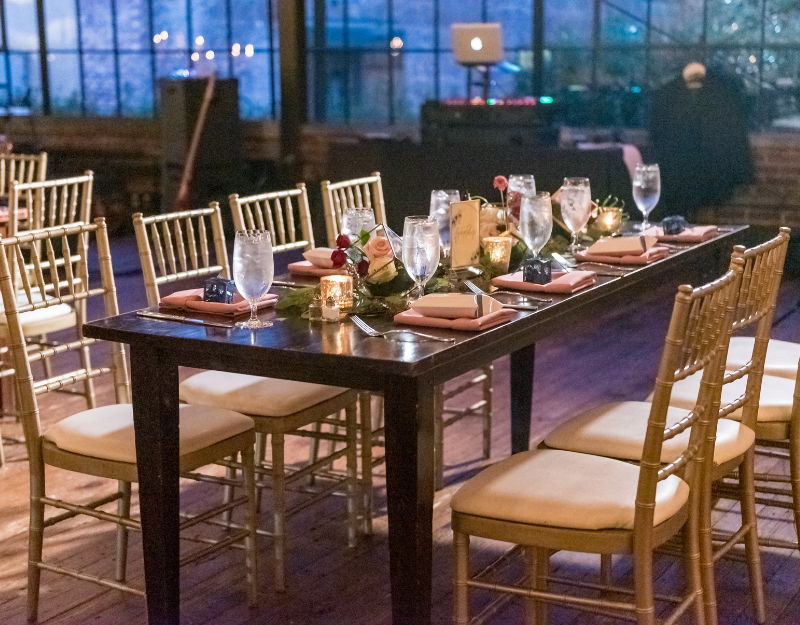
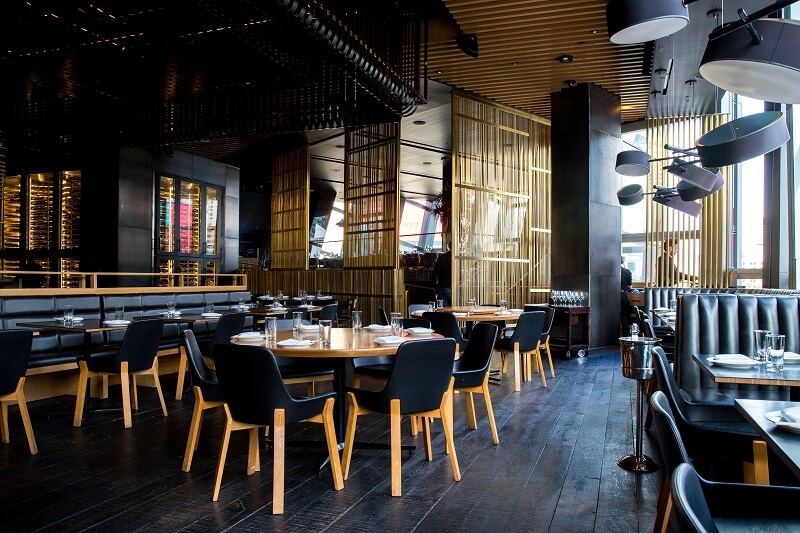
Comfortable and stylish furniture enhances customer experience and reflects your restaurant’s theme. Invest in high-quality, durable furniture that complements your interior design. Consider factors like space optimization, customer comfort, and maintenance. The right furniture not only adds to the ambiance but also impacts the overall perception of your restaurant.

Comfortable and stylish furniture

Step 5: Don’t Forget to Get Restaurant Licenses and Permits

Navigate the legalities. Obtain necessary licenses and permits, including health permits, liquor licenses, and general business licenses. Compliance with local regulations is crucial to operate legally and avoid penalties. Research the specific requirements in your area and ensure all paperwork is in order before opening.

Step 6: Design Your Restaurant Menu to Attract Customers

Your menu sets the tone for your restaurant. Aim to create a selection that stands out and draws in your target market. Make sure each dish is high-quality, looks great, and offers something different. Don’t forget about the drinks. A good mix of unique cocktails, handpicked wines, or craft beers can elevate the meal experience and add to your profits.

Design Your Restaurant Menu

Step 7: Build a Winning Team for Your Restaurant’s Success

The people who work for you represent your restaurant. Focus on bringing in skilled, personable, and professional staff. Whether they’re cooking or serving, they shape how customers see your place. Train them well so they get your brand’s vibe and keep up your service quality. A great team is vital for your restaurant’s success.

Step 8: Upgrade Your Equipment and Restaurant Technology

Investing in the right kitchen equipment and technology streamlines operations. Invest in excellent quality kitchen appliances. This way, you can ensure efficiency and consistency in food preparation. Adopt restaurant technology like POS systems, reservation software, and customer relationship management tools. These investments improve service speed, order accuracy, and overall customer satisfaction.

Step 9: Stick to an Actionable Restaurant Marketing Strategy

Effective marketing is essential to attract customers. Develop a marketing plan that includes digital marketing, social media presence, local advertising, and community engagement. Highlight what makes your restaurant unique. Build a strong online presence with an engaging website and active social media profiles. Engage with your community through events, partnerships, and local promotions.

Step 10: Launch with a Soft Opening, Followed by a Grand Celebration

A soft opening allows you to test operations with a limited audience. Gather feedback and make adjustments. For your grand opening, create buzz with marketing campaigns and special promotions.

This is your chance to showcase your restaurant to the public, so make it memorable. A successful grand opening sets the tone for your restaurant’s future and helps build an initial customer base.

Hope now you have understood what you need to open a restaurant. Good luck for your future endeavors!

Final thoughts,

This guide to opening a restaurant outlines what you need to embark on this exciting journey. It emphasizes the importance of detailed planning, from selecting a niche to the grand opening. By meticulously following these steps, entrepreneurs can effectively navigate the complexities of the restaurant business, setting the stage for a successful and fulfilling culinary venture.

FAQs

How much does it cost to open a restaurant?

The cost of opening a restaurant depends on several factors including location, size, concept, and level of finish. Costs can range significantly, influenced by expenses such as leasing, kitchen equipment, initial inventory, licenses, and staffing. Create a detailed budget in your business plan to get a clearer idea of the necessary investment.

Where should you buy furniture for restaurants?


Restaurant furniture is available from specialized commercial furniture suppliers, online platforms, or local stores. These suppliers offer various styles to suit different restaurant themes. When selecting furniture, consider durability, comfort, and a design that complements your restaurant’s ambiance. Trade shows and restaurant auctions are also good sources for unique or budget-friendly furniture.

Promote Outside Dining

What’s New in Outdoor Seating Ideas for Restaurants?

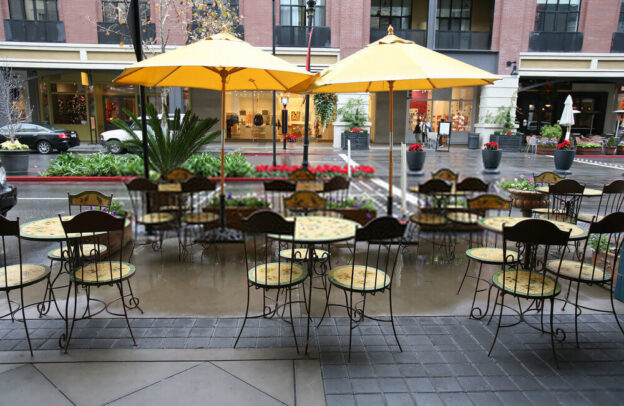
The concept of outdoor seating has revolutionized the restaurant industry, emerging as a vital component for success. More than just a means to increase seating capacity, outdoor dining areas offer an immersive experience that merges gastronomy with the beauty of the natural environment. Outdoor seating ideas for restaurants have gained significant popularity. This concept is useful especially in urban areas where open-air spaces provide a refreshing escape from the confines of indoor dining. The right outdoor setting can attract more customers and enhance their dining experience.

Let’s explore some of the most popular outdoor dining area ideas.

Outdoor Seating Ideas for Restaurants

Outdoor seating areas in restaurants attract more customers. There customers can enjoy fresh dining experience. These seating areas maximize space and boost potential revenue. It’s a creative way to enhance the ambiance, making the restaurant stand out. There are multiple ways to create and decor outdoor seating areas in restaurants. Let’s have a look at a few restaurants outdoor seating ideas:

1. Perfect Planters:

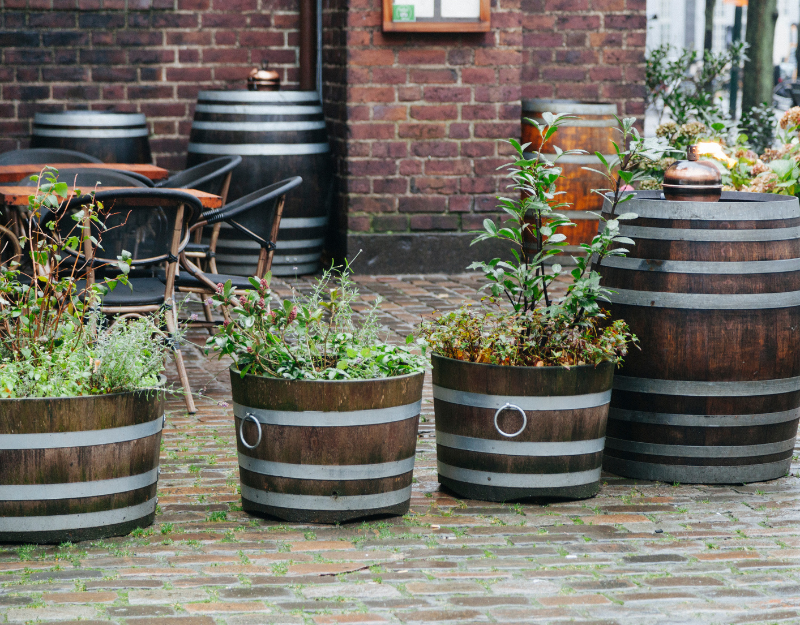
The integration of planters in outdoor seating areas brings a vital element of nature to the dining experience. Use various plants, from ornamental to aromatic herbs. This way, you can beautify the space and create a soothing ambiance. You can also add custom planters, dedicated to the restaurant’s theme. It will add a unique touch to the decor. This green touch can transform a simple outdoor area into a lush, inviting space. It will encourage guests to relax and enjoy their surroundings.

2. Outdoor Waiting Areas:

The design of outdoor waiting areas is crucial in setting the right tone for guests. These areas should offer more than just seating; they should provide a comfortable and engaging environment. Elements like cushioned seating, soft lighting, and pleasant background music can significantly enhance the waiting experience. They can turn potential impatience into anticipation.

3. Alluring Lighting:

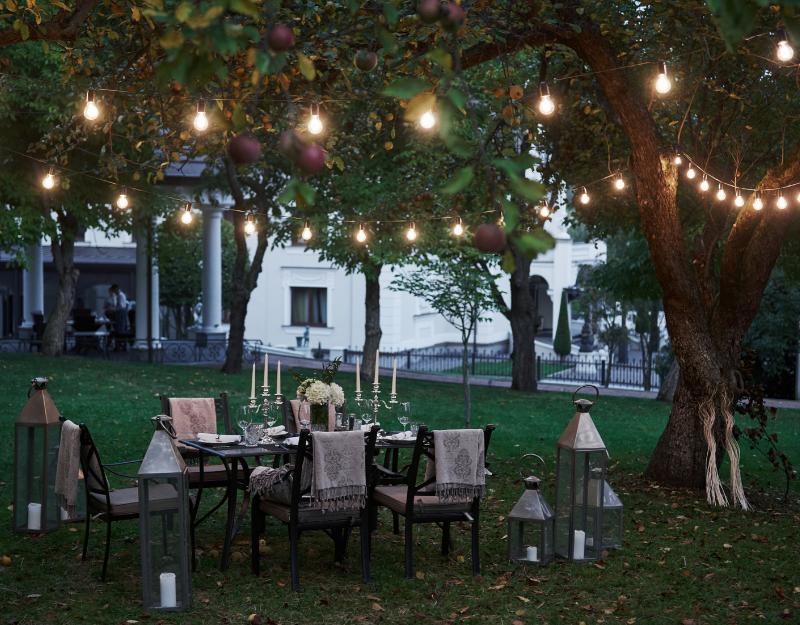
Effective lighting creates the right mood for an outdoor dining area. The choice of lighting, from romantic fairy lights to contemporary LED installations, can dramatically change the atmosphere. With the right lights, you can create a warm, welcoming environment for your customers.

4. Convertible Spaces for All Seasons:

Adaptable spaces are key to maximizing the utility of outdoor seating areas throughout the year. Implement features like retractable roofs, portable heaters, and adjustable awnings. This way, you can accommodate guests comfortably in various weather conditions. This adaptability ensures that the restaurant remains appealing and functional, regardless of seasonal changes.

5. Furniture Trends – Chairs and Tables:

Keeping up with trends in outdoor furniture is crucial for creating an inviting dining space. The restaurant furniture should be stylish, comfortable and durable. These should be capable of withstanding different weather conditions. The choice of restaurant chair and table materials and designs defines the ambiance and comfort level of the outdoor seating area.

6. Hit the Roof:

Rooftop dining offers a unique experience, particularly in urban environments. These spaces provide a sense of escape and often spectacular views. Furnish the rooftop area with comfortable seating, attractive lighting, and a bar. This way, you can transform the place into a popular dining destination, offering a unique perspective of the cityscape.

7. Fireside Fun:

Adding a fire feature, such as a fire pit or outdoor fireplace, can turn an outdoor dining area into a cozy and inviting space. This element provides warmth. It also creates a focal point for social interaction, enhancing the communal aspect of dining.

8. Sunset Viewpoints:

For restaurants with scenic locations, maximizing the view of the sunset can be a major draw for customers. Design the seating to help your customers enjoy natural vistas. Turn a meal into a visually stunning experience. This will add value to the overall dining experience.

9. Stargazing Nights Setup:

In less urban areas, offering a stargazing setup can be a unique attraction. Provide telescopes and comfortable seating for guests to gaze at the night sky. Additionally, create a specialized menu for nighttime dining. This way, you can create a magical and memorable dining experience.

10. Entertainment:

Integrate entertainment into the outdoor dining experience. This can significantly enhance the overall appeal. Options like live music, cultural performances, or outdoor cinema can provide guests with a multifaceted experience. These will definitely make their visit more than just food.

The bottom line,

The role of outdoor seating in the restaurant industry is multifaceted and vital. It’s more than just an extension of the indoor dining area; it’s an integral part of the dining experience that can leave a lasting impression on customers. Thoughtfully utilize the space. Incorporate elements like innovative seating arrangements, atmospheric lighting, and engaging entertainment. This way you can create an inviting outdoor environment in your restaurant. This will attract customers and enrich their dining experience, making it truly unforgettable

FAQs

How to decorate a restaurant garden?

To decorate a restaurant garden, mix functional and aesthetic elements. Use outdoor lighting, like string lights, for ambiance. Include weather-resistant furniture and planters with colorful flowers or herbs. Add a water feature or sculpture for a focal point. Use umbrellas or pergolas for shade.

Where to buy restaurant tables and chairs?

For buying restaurant tables and chairs, check out restaurant supply stores. For this, you can try both online and physical stores options. Consider auctions or restaurant closures for quality second-hand furniture at lower prices.

Restaurant Remodeling

Restaurant Remodeling: Benefits and ideas

Remodeling a restaurant goes beyond a mere renovation. Restaurant remodeling is a strategic investment in the business’s future. This decision often stems from the need to stay competitive and relevant in an ever-evolving culinary landscape. A well-executed restaurant renovation can reinvigorate a restaurant’s atmosphere, enhance customer satisfaction, and ultimately lead to increased profitability. With the right restaurant remodeling ideas, you can create an experience that resonates with patrons and stands out in a crowded market.

Do you wonder how to do restaurant remodeling right? Let’s explore a multitude of ideas for restaurant renovations. You will also get to know about the benefits of renovating a restaurant.

So, without further ado, let’s dive in.

Benefits of Renovating Your Restaurant

Renovating a restaurant has several tangible and intangible benefits.

  • Restaurant renovation can improve functionality, increase efficiency, and potentially lead to energy savings with modern fixtures and equipment.
  • Renovation can also refresh the brand. It helps you make a clear statement to customers about the restaurant’s commitment to providing a top-notch dining experience.
  • By remodeling a restaurant, you can attract new customers, retain loyal ones, and stay ahead in the competitive restaurant industry.
  • A renovated space can also boost staff morale. They feel proud to work in a visually appealing and functionally upgraded environment.

In short, restaurant remodeling transforms the look and feel of your space. It gives your business a boost.

Restaurant Remodeling Ideas to Consider

Let’s discuss ideas for restaurant remodeling. It covers a range of topics:

1. First Impressions:

The entrance of a restaurant sets the tone for the entire dining experience. The doorway, the facade, the signage, and the immediate interior greet the customers. An inviting

entrance with unique design elements, a clear display of the restaurant’s name, and an attractive window display or outdoor seating area can draw passersby inside. Lighting, color scheme, and even the door handle can play a role in conveying the restaurant’s theme

and level of service. All these make the first impression a crucial aspect of the remodeling process.

2. Make a List & Prioritize:

Successful remodeling starts with careful planning. This involves assessing the current state of the restaurant, identifying what works well, and pinpointing areas that need improvement. Structural issues and outdated kitchen equipment might take precedence over aesthetic changes. Creating a detailed list helps with budget allocation and ensures that essential renovations get the attention they need first. This process also helps in phasing the remodel, minimizing disruptions to business operations, and allowing for adjustments based on customer feedback and operational efficiency.

3. Update Furniture

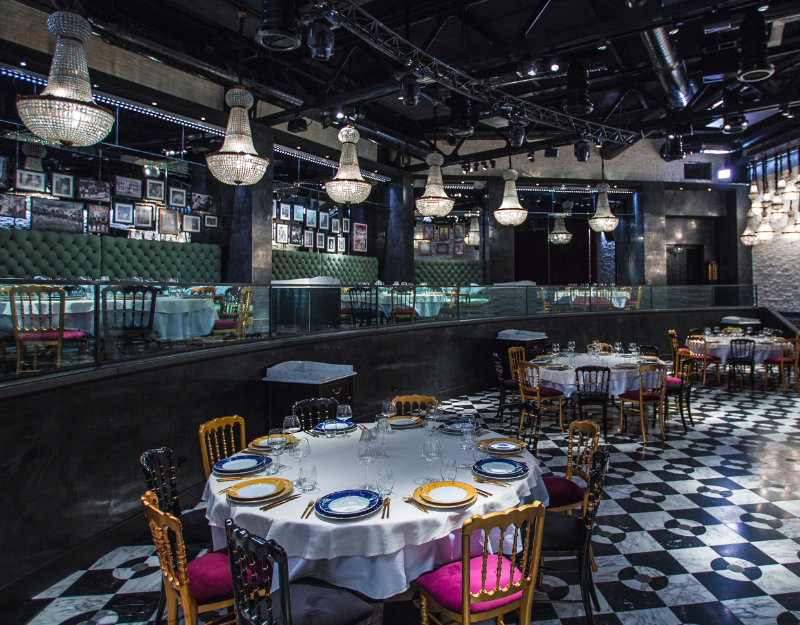
Furniture plays a key role in the comfort and aesthetic appeal of a restaurant. Choosing the right pieces can transform the look and feel of the space. Consider the style, material, and durability of furniture. In addition, think about how the furniture can complement the overall theme of the restaurant. Ergonomically designed chairs and well-sized tables can enhance the dining experience significantly. Furniture selection also extends to the bar area, outdoor seating, and even waiting areas. Each area requires a thoughtful approach to match the desired ambiance and functionality.

4. Outdoor Dining

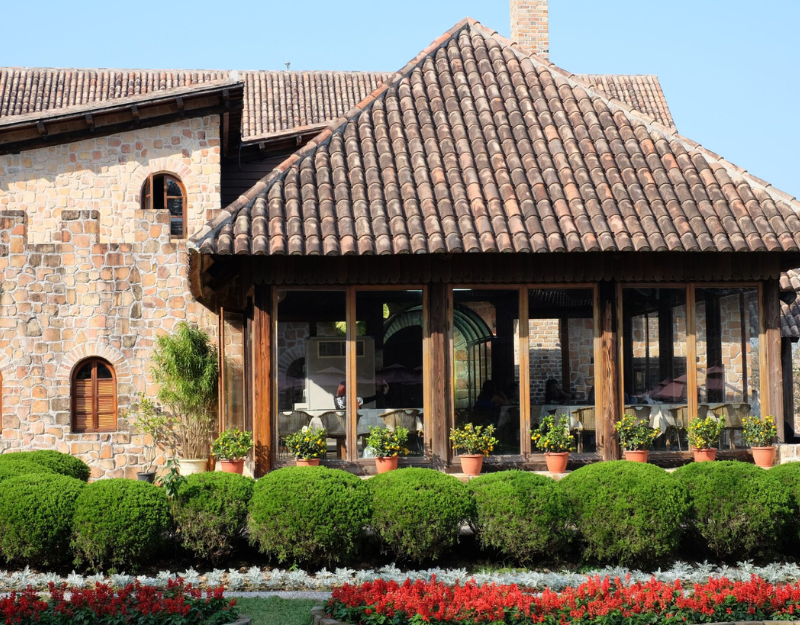
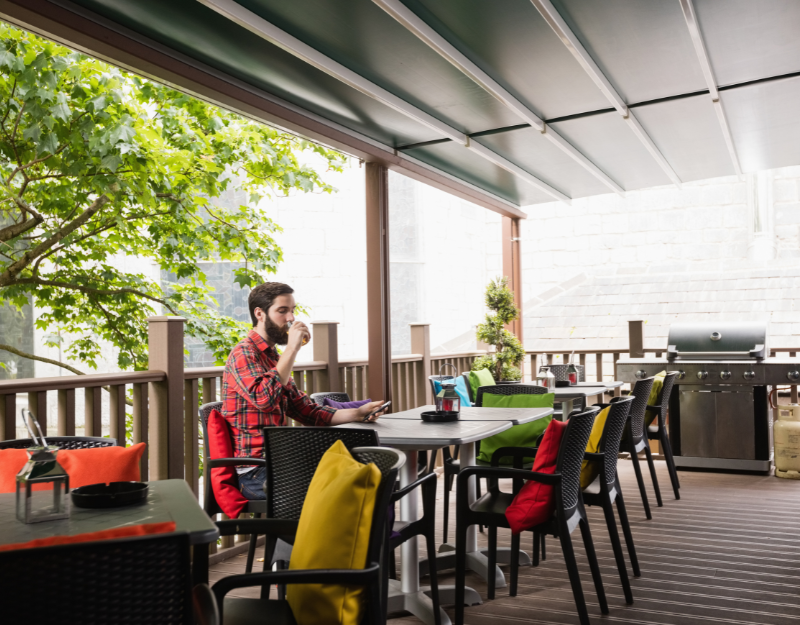
An attractive outdoor dining area can significantly enhance a restaurant’s appeal, especially in locales with favorable weather. Key considerations for outdoor spaces include durable and comfortable furniture, weather protection like umbrellas or awnings, and effective heating or cooling solutions. Landscaping and lighting play a crucial role in creating a pleasant atmosphere. Additionally, ensure a seamless transition from indoor to outdoor spaces. This way, you can enhance the overall dining experience. Outdoor dining areas offer a chance for creative expression, whether through garden elements, water features, or unique lighting.

5. Bathrooms

Bathrooms in a restaurant reflect its attention to detail and commitment to customer comfort. A clean, well-designed bathroom can leave a lasting positive impression on diners. Upgrades might include modern fixtures, efficient lighting, and high-quality hand washing facilities. The design should align with the overall aesthetic of the restaurant. It creates a cohesive experience for the guest. Additionally, ensuring bathrooms are accessible and meet all regulatory requirements is crucial. Thoughtful touches like quality hand towels,

pleasant scents, and elegant decor can elevate the bathroom from a mere necessity to an extension of the dining experience.

6. Art and Accessories

Art and accessories add personality and character to a restaurant. This could range from paintings and sculptures to unique tableware and decorative lighting. The choice of art should resonate with the restaurant’s theme. It also contributes to the storytelling aspect of the dining experience. Accessories like vases, wall decor, and the presentation of the menu can play a role in enhancing the ambiance. Restaurateurs can get creative and showcase local artists or incorporate elements that reflect the restaurant’s heritage and culinary focus.

7. Color

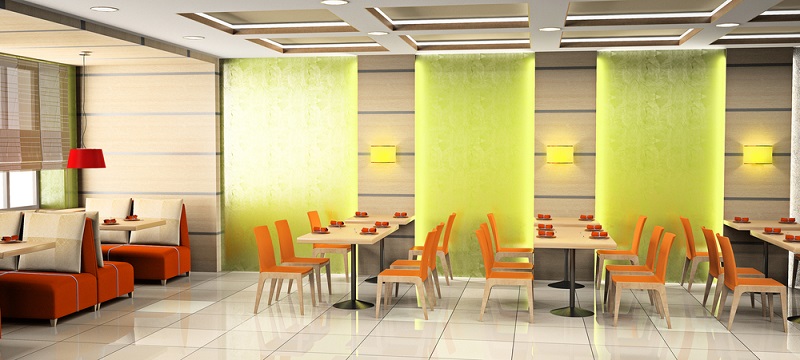
Color has a profound impact on the ambiance of a restaurant. It can evoke emotions, stimulate appetite, and create a specific mood. Choosing the right color palette is important. It involves considering the psychology of colors in relation to the type of cuisine served and the desired dining experience. Warm colors can create a cozy and inviting atmosphere. Cool colors might contribute to a formal and serene dining environment.

Consider how color will interact with lighting and other design elements to create a cohesive and appealing space.

8. Creative Lighting

Lighting in a restaurant can dramatically affect the mood and overall dining experience. Different areas of a restaurant may require different lighting solutions. You may choose bright and functional lights in the kitchen, soft and ambient lights in the dining area, and more dramatic and focused lights in the bar area. Innovative lighting solutions can include a mix of overhead lights, accent lights, and even candles or lanterns for an intimate feel. The right lighting can highlight architectural features, artwork, and create the perfect setting for a memorable dining experience.

Creative Restaurant lighting

In conclusion,

Remodeling a restaurant is a strategic investment. It rejuvenates physical space. It also reinvigorates the brand, staff, and customer base. By thoughtfully consider each aspect of the restaurant renovations. Focus on the entrance, the interior details, and more. This way, you can create an inviting and memorable dining experience that resonates with your target audience.

FAQs

  • What is the best size table for a restaurant?

The ideal table size depends on the restaurant’s concept and customer base. A mix of sizes can cater to different group dynamics, from intimate two-person tables to larger ones for groups and families.

  • What makes a restaurant luxurious?

Luxury in a restaurant is defined by a combination of high-end decor, exceptional service, gourmet cuisine, and an overall atmosphere of exclusivity and elegance. Attention to detail in every aspect of the dining experience is key.