Author Archives: Gayla

Restaurant Industry Trends

Restaurant Industry Trends 2024: Navigating the Future of Dining

The landscape of the restaurant industry is ever-evolving. Therefore, being a restaurateur, you need to keep pace with emerging trends. This is not just beneficial, but also essential for survival. As we step into 2024, these trends are more diverse and influential than ever, shaped by technological advancements, changing consumer habits, and global economic shifts. From the way meals are prepared and presented to how they’re ordered and delivered, every aspect of the dining experience is transforming. In this light, you need to understand and adapt to these restaurant industry trends. This way, you can thrive in this competitive and dynamic environment. This article aims to explore the key trends defining the restaurant industry in 2024. Let’s get started!

Top Restaurant Industry Trends

Here is an insight into restaurant industry trends for 2024 and what the future holds for this vibrant sector.

1.  Express or Ghost Kitchen Concept

The express or ghost kitchen concept is redefining the restaurant industry in 2024. It can also be considered fast food restaurant industry trend. Ghost kitchens were designed primarily for fulfilling online orders. These are a response to the surge in demand for delivery and takeout services. They offer restaurateurs a cost-effective model by eliminating the need for large dining spaces and reducing overhead costs. This trend caters to the convenience-driven consumer. Moreover, it allows for a diverse range of culinary offerings from a single location. The model’s flexibility and scalability make it a lucrative option for new entrants and established restaurants looking to expand their reach.

2.  Plant-Based Menu Options

Plant-based menu options are moving from the margins to the mainstream in 2024. Driven by health, environmental, and ethical considerations, a growing number of consumers are seeking plant-based alternatives. Restaurants are responding by expanding their menus to include a variety of plant-based dishes that cater to vegans, vegetarians and flexitarians. This shift is certainly a nod to health-conscious dining. Also, it reflects a broader societal shift towards sustainability. Incorporating plant-based options is becoming a necessity for restaurants to appeal to a wider, more diverse customer base.

3.  Outdoor Dining: A Traditional Yet Popular Trend

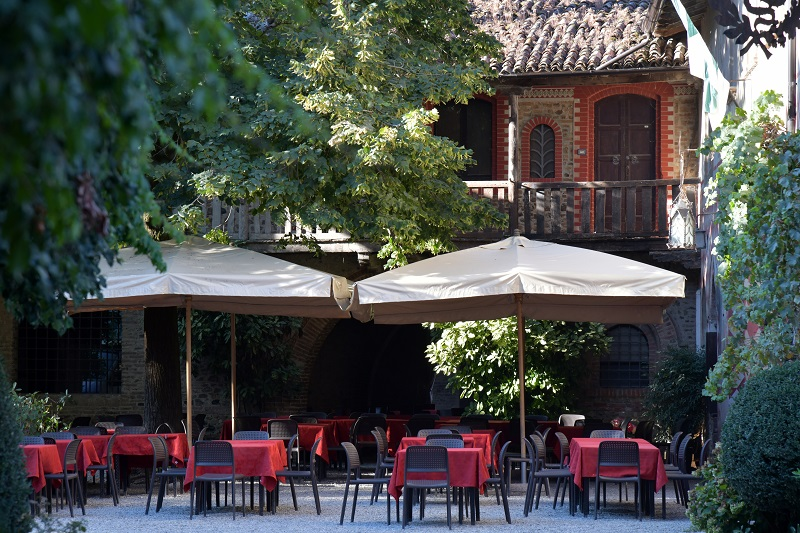
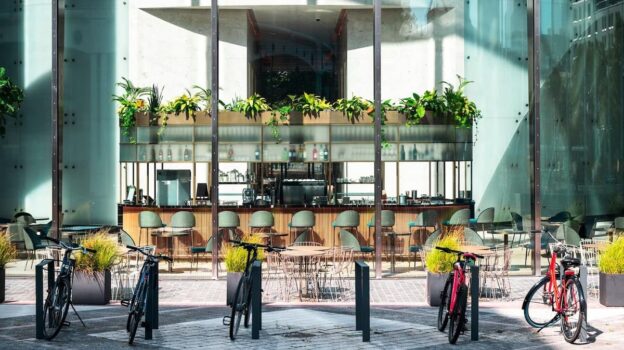
Outdoor dining, a traditional concept, will continue to gain popularity in 2024. The post-pandemic world has seen a heightened preference for al fresco dining experiences. Restaurants are investing in comfortable and aesthetically pleasing outdoor spaces to attract diners. This trend caters to the desire for safer dining options while offering a unique ambiance. Beyond mere patios, restaurants are innovating with rooftop dining, garden settings, and street-side cafes. As a result, consumers can have an enjoyable and memorable dining experience. To complement this surge in outdoor dining, the choice of restaurant tables and chairs extends to durable yet stylish outdoor furniture, crafted to withstand various weather conditions while maintaining the same level of comfort and design sophistication.

4.  Sophisticated Kids’ Menus

In 2024, the approach to kids’ menus in restaurants will become more sophisticated. Recognizing that young diners are more adventurous and health-conscious than before, restaurants are revamping their kids’ menus. Gone are the days of limited, fried options. Today’s kids’ menus feature various nutritious,

well-balanced meals. All the food options appeal to their taste buds. This shift caters to the demands of health-conscious parents and helps cultivate a more refined palate among younger diners. It ensures a future generation of discerning restaurant-goers.

5.  Health and Wellness

Health and wellness have become central themes in many restaurants. Consumers are increasingly aware of the health implications of their dietary choices. Restaurants are responding by offering menus with healthier options, including organic, non-GMO, and locally sourced ingredients. This trend extends beyond the menu to the overall dining experience, with a focus on holistic wellness. Restaurants are creating environments that promote well-being, including mindful eating spaces and menus that cater to various dietary needs and preferences.

6.  Trendy Warm Colors and Furniture

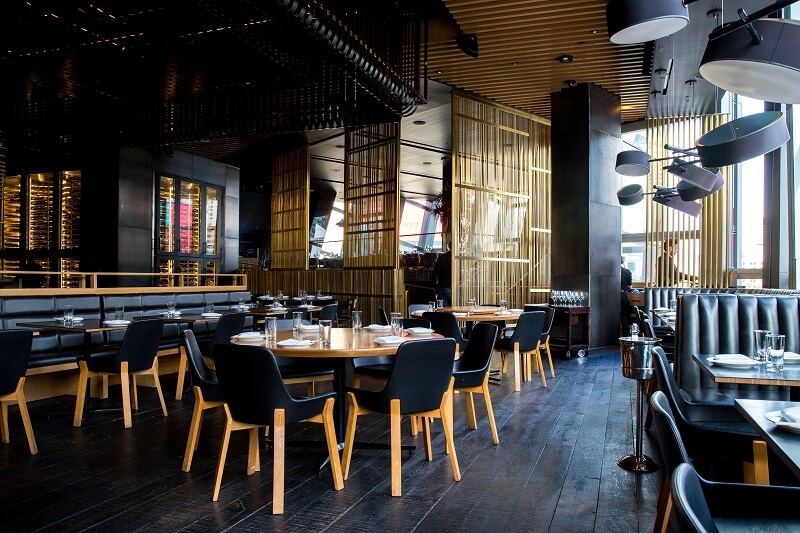
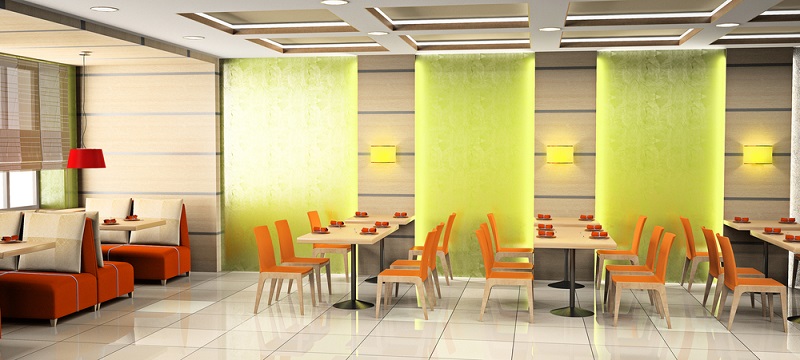
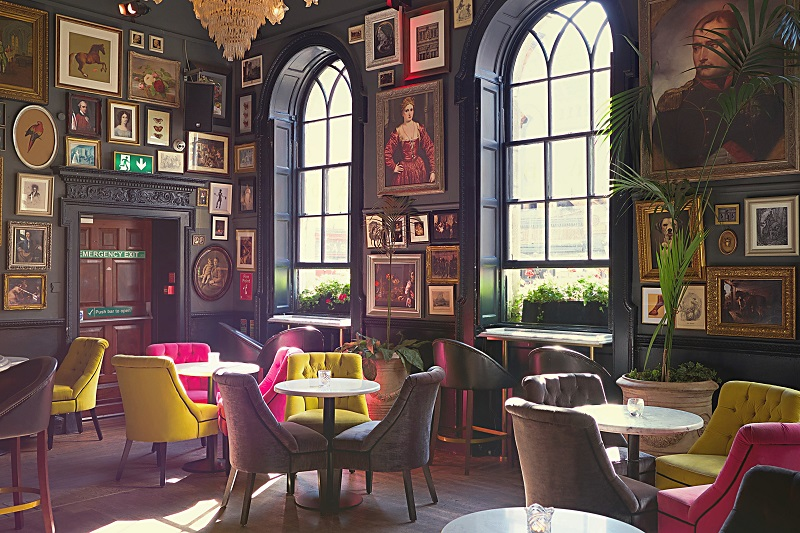
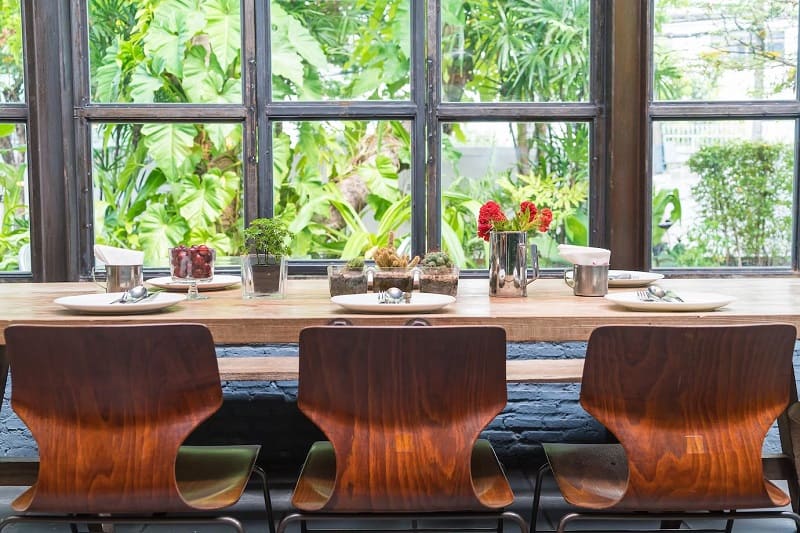
The aesthetic appeal of restaurants in 2024 has taken a turn towards warm colors and trendy furniture. This shift reflects a desire for cozy, inviting dining spaces that offer a sense of comfort and familiarity. Warm hues, soft lighting, and comfortable furniture are being used to create an ambiance that enhances the dining experience. This trend is about creating a space where diners feel at ease and enjoy lingering.

In line with this trend, restaurant chairs and tables are being carefully selected to blend functionality with style, featuring sleek designs and premium materials that contribute to the overall welcoming atmosphere.

Top Restaurant Marketing Trends

After having idea about restaurant industry trends, now let’s have a look at the key trends that

help in restaurant marketing.

1.  Influencer Marketing

Influencer marketing has emerged as a powerful tool in the restaurant industry. Restaurants are collaborating with influencers to reach wider audiences, particularly on social media platforms. These influencers offer authenticity and relatability. Therefore, their endorsements become highly effective. This trend leverages the power of word-of-mouth in the digital age. It drives awareness and attracts new customers.

2.  Online Reviews and Reputation Management

Online reviews and reputation management will become critical for restaurants in 2024. With consumers increasingly relying on online reviews to make dining decisions, maintaining a positive online presence is essential. Restaurants are actively managing their online reputation. This is possible by engaging with reviewers, addressing feedback, and ensuring their online profiles accurately reflect their offerings and ambiance.

3.  Contactless Technology

Contactless technology is revolutionizing the customer experience in restaurants. From ordering to payment, contactless solutions offer convenience and safety. This technology streamlines operations, reduces wait times, and enhances customer satisfaction. In an era where efficiency and hygiene are paramount, contactless technology is a key differentiator for restaurants.

4.  Digital and Delivery Innovation

Digital and delivery innovations continue to transform the restaurant industry. Online ordering systems, mobile apps, and delivery platforms are becoming more sophisticated. These are offering personalized experiences to customers

Final thoughts,

As we look towards the future of the restaurant industry, it’s clear that the trends of 2024 are shaping a new era of dining. These fast casual restaurant industry trends represent a fundamental shift in how restaurants operate and how customers experience dining. From technological innovations like contactless service and digital ordering to a heightened focus on health, sustainability, and personalized experiences, these trends are redefining the essence of the restaurant industry. Embrace these changes. This way, you can excel in the coming years. The future of dining is here, and it’s vibrant, diverse, and brimming with opportunities for those ready to embrace change. One thing remains certain: the restaurant industry will continue to innovate and adapt. It will offer exciting possibilities for both restaurateurs and diners alike.

FAQs

What is the future of the restaurant industry?

The future of the restaurant industry lies in embracing technological advancements, adapting to changing consumer preferences, and focusing on sustainability and health. This evolution reflects a more connected, health-conscious, and convenience-driven society, shaping the way consumers experience dining.

How to Maintain Restaurant Bar Stools

How to Maintain Restaurant Bar Stools: A Quick Guide

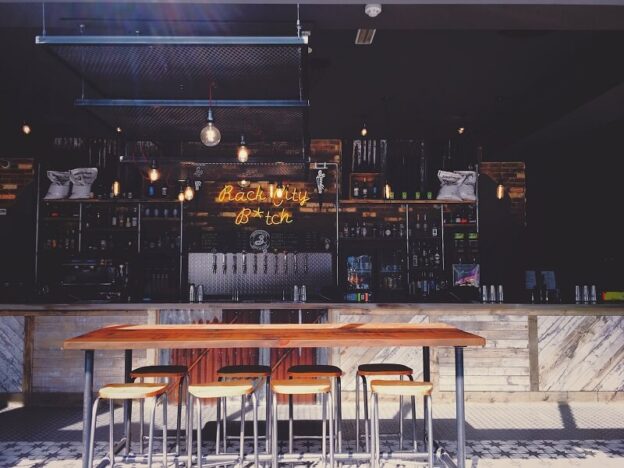
Restaurant Bar stools offer not just extra seating but also bring a unique style to the overall ambiance. Mostly metal bar stools are used in cafes and restaurants, adding a particular vibe. In some upscale restaurants, leather bar stools are also used, adding elegance. However, their constant use and the wear and tear that comes with it require consistent maintenance. Without proper care, they can lose their aesthetic appeal and structural integrity. 

This article will help you understand how to clean and maintain restaurant bar stools and the best practices for maintaining your bar stools. Go through the guide and make your bar stools functional and beautiful for years to come.


Different Types of Bar Stool Materials & Their Maintenance Needs

Commercial bar stools come in a variety of materials, each with its own care requirements. Understanding these can help you extend the lifespan and retain the beauty of your stools. Here’s how to cater to each type.

1. Metal Frame Bar Stools

Metal frame bar stools are known for their durability and industrial aesthetic. Depending on the type of metal they are made from, some stools are susceptible to rust and corrosion if not taken care of properly.  Outdoor metal chairs are normally made from materials that can handle weather and harsh elements.

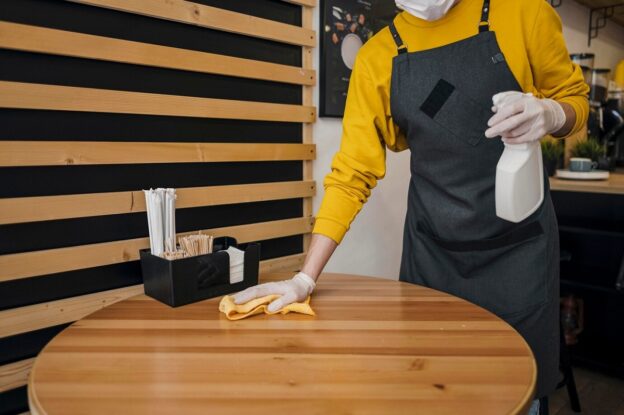
For daily cleaning, a quick wipe-down with a damp cloth removes dust and minor stains. Use a mild soap with water to clean intensely. Always ensure to thoroughly dry the stool afterward to prevent rusting. If your stool has intricate designs, consider using a soft-bristle brush to get into the nooks and crannies.

2. Wood Bar Stools

Wooden bar stools bring a warm, rustic charm to any setting. However, they can be vulnerable to scratches and water damage. To maintain their sheen, it’s good to use a soft cloth along with a wood-specific cleaner for regular cleaning.

Make sure to always read the instructions on any cleaner you use. Periodically, applying a layer of wood conditioner can also help to keep the material looking fresh and vibrant. It not only cleans but also nourishes the wood, enhancing its natural patterns and colors.

3. Plastic Bar Stools

Plastic bar stools are popular for their affordability and ease of maintenance. However, they can become discolored or brittle over time if not looked after. For routine cleaning, a simple wipe-down with a damp cloth suffices.

A mild detergent mixed with water can handle most tougher stains. Always avoid using harsh chemical cleaners, as they can cause the plastic to become brittle and discolored. If your stools are kept outdoors, periodic UV protection sprays can be a lifesaver.

Tips to Clean Bar Stool Seats 

Seats usually show the first signs of wear and tear, irrespective of the material. Upholstered seats benefit from frequent vacuuming to keep them free from dust and crumbs. Spot cleaning is also effective for minor stains.

However, always perform a patch test to prevent color fading or fabric damage. For seats made of wood or metal, a quick cleaning session with an appropriate cleaner works well. In addition, applying a light coat of fabric or leather conditioner for upholstered seats or a sealant for wooden ones.

This way you can extend the lifespan of the seat material.  Vinyl seats are an excellent choice as they usually need a quick wipe with a moist cloth and dried off with a soft towel.

How to Care For the Different Types of Frames

Frames are the backbone of any bar stool. Like the seats, frames can be made from various materials. Each material demands specific care. 

Metal frames require periodic inspection for signs of rust or chipping paint. If these issues appear, sand and repaint. This way, you can restore the stool’s appearance. 

Wooden frames, on the other hand, benefit from occasional conditioning to preserve the wood’s natural beauty. 

Plastic frames are the easiest to care for. They usually need just a simple wipe-down with a cloth and mild detergent. 

Inspect Hardware Parts

Hardware elements like screws and bolts are vital for maintaining the structural integrity of your bar stools. Over time, these can loosen due to regular usage. As a result, the stool’s stability gets affected. Inspect these bar stool repair parts at regular intervals.

Tighten any loose screws and replace any that are missing or rusted. Ensure that all hardware is secure. This practice prolongs the life of your stools and helps prevent accidents. 

Tips on Polishing and Protection of Bar stools

Polishing serves as the finishing touch. It enhances your stool’s visual appeal. 

For wooden stools, a generous coat of wax or wood polish can add a fresh gleam, making them look almost new. For metal stools, consider chrome or silver polish to bring back their shine. 

Incorrect usage of polishes can result in damage. So, it’s crucial to read and follow the label instructions. Whether you opt for natural or commercial polishes, this step adds an extra layer of protection against wear and tear.

Final thoughts,

Proper maintenance of bar stools is vital for both their functionality and appearance. This guide aims to provide a comprehensive look at how to care for different materials and components. Regular cleaning, timely hardware inspections, and appropriate polishing are essential practices. By following these tips, you’ll ensure that your bar stools remain a lasting, stylish, and functional asset in your space. After all, well-kept furniture not only looks good but also enhances your overall environment.

FAQs

Which Cleaning Materials Should I Use?

The type of material your stool is made of will dictate the cleaning supplies. Generally, a damp cloth and mild detergent work on most materials.

How to Remove Rust from Bar Stools?

For metal bar stools, sand the rusted area lightly and apply rust-resistant spray paint. Always remember to wear safety gear while doing so.

eco friendly Sustainable restaurants

What Can Restaurants Do to Be More Sustainable or Eco-friendly?

Restaurants and sustainability can blend perfectly. A sustainable restaurant is a commitment to business practices that prioritize environmental and social well-being. Such sustainable or eco-friendly restaurants make intentional choices to reduce waste, save energy, and contribute to local communities. These choices range from sourcing food locally to using eco-friendly packaging, all designed to lessen a restaurant’s impact on the Earth. By adopting sustainable practices, these restaurants not only do their part for the planet but also attract a growing customer base that values these efforts.

 Let’s have a look at how these restaurants become sustainable. 

Tips on Making Your Restaurants More Sustainable or Eco-friendly:

Turning a restaurant sustainable isn’t an overnight task. However, it’s certainly doable. You don’t have to reinvent the wheel; sometimes, a few adjustments can produce meaningful changes.

1. Minimize Food Waste

Food waste is a common issue that is difficult to ignore for many restaurants. By being mindful of food waste, restaurants can save a significant amount of money and resources. They can employ inventory tracking software for keeping tabs on food supplies. Menu planning to utilize ingredients in multiple dishes and staff training to reduce prep waste are other methods. Even the practice of donating unspoiled, excess food to local shelters can make a big difference.

2. Use Eco-Friendly Food Packaging Materials 

Traditional plastic containers are harmful to the environment and contribute to the growing problem of waste. Restaurants can switch to biodegradable or compostable packaging. This way, restaurants can reduce their ecological footprint. They can also offer reusable containers for a deposit, which customers can return for a refund or reuse on their next visit.

environmentally friendly disposable recyclable material

3. Remember to Recycle and Reuse

Recycling and reusing materials can make restaurants more sustainable in a few key ways. First, recycling cuts down on landfill waste, lowering the environmental footprint. Second, reusing items like glass jars or metal trays minimizes the need for new products, reducing resource consumption. Lastly, these practices can also save money in the long run, as buying disposable items repeatedly adds up. Plus, customers often value and support eco-friendly businesses.

4. Use Sustainable Furniture and Consumables 

When it comes to furniture, go beyond aesthetics. Restaurant Tables and chairs crafted from reclaimed wood or recycled metal are excellent options. Napkins, spoons and straws made from recycled or sustainable materials can also contribute to a restaurant’s overall eco-friendly mission. 

sustainable furniture and consumables

5. Use Energy-Efficient Restaurant Equipment 

Energy-efficient appliances can offer both immediate and long-term savings. For example, using ENERGY STAR-rated kitchen appliances and HVAC systems can significantly reduce utility bills. Even shifting from traditional bulbs to LED lights can contribute to energy savings.

6. Buy Local Products 

Using local products helps restaurants become sustainable in several ways. First, it cuts down on fuel used for transportation, reducing the restaurant’s carbon footprint. Second, it supports local farmers, strengthening the community’s economy. Third, local produce is often fresher and free from extensive preservatives, making the food healthier. Fresh produce also enhances the taste, attracting customers who appreciate quality. Finally, a focus on local products aligns with eco-friendly values, drawing in a crowd that values sustainability. This creates a cycle where the restaurant not only operates sustainably but also appeals to a customer base that supports these efforts.

7. Reduce Water Usage

Cutting down water waste helps restaurants go green in multiple ways. First, it lowers utility bills, making operations cost-effective. Second, less water use reduces the strain on local water supplies. This shows community responsibility. Lastly, eco-friendly practices attract more customers who value sustainability. It’s a win-win for both the environment and business. Installing low-flow faucets in the kitchen and restrooms is a simple way to conserve water. If your restaurant has green spaces, employ smart irrigation systems that use water only when necessary.

dinning table

8. Choose Eco-Friendly Cleaning Products 

Switching to eco-friendly cleaning products is a smart move for restaurants aiming for sustainability. First, these products are less harmful to the environment, as they break down easily. That means fewer chemicals end up in our waterways. Second, they’re generally safer for staff, reducing skin and respiratory issues. This could lead to a happier, healthier work environment. Lastly, customers appreciate eco-conscious choices, which can boost a restaurant’s image and possibly attract a new customer base. Overall, it’s a positive step toward a greener, more responsible business.

Final thoughts, 

Restaurant sustainability genuinely makes a difference. It’s not about just conserving resources but also building a brand that people trust and want to support. As consumers become increasingly eco-conscious, restaurants that embrace sustainability stand to gain a loyal following.

FAQs

What Are the Benefits of Sustainability in Restaurants?

Sustainability offers three main benefits for restaurants. The first benefit is cost savings through efficient resource use. The second benefit is increased customer appeal as people increasingly opt for eco-friendly businesses. Lastly, it reduces the environmental impact that benefits everyone.

What is an Eco-Friendly Menu?

An eco-friendly menu is designed with sustainability in mind. It features locally sourced ingredients that don’t have to travel far. This way carbon emissions get reduced. It also highlights organic and seasonal foods. These food items are better for the environment and often healthier. Importantly, it avoids items that have a high environmental toll. These items can be certain types of meat and out-of-season produce flown in from far away.

Ergonomic Bar Stools

8 Things Your Competitors Can Teach You About Commercial/Ergonomic Bar Stools

Before seeking out a supplier for commercial bar stools, the first place to visit may be your competition to see how their barstools, including ergonomic bar stools, are being used. Just by observation, you will notice some things that are worth copying, while others need to be changed for your unique establishment. Observing your competitors’ bar stools is practically free and will assist you in selecting the right commercial bar stools, including ergonomic options, and prevent you from making a mistake with this major purchase. Below are eight questions to ask yourself while observing your competitors’ commercial bar stools.

Steps to Identify best Commercial & Ergonomic Bar Stools

1. Are the customers comfortable?

Customers should look relaxed and not be straining against poorly designed bar stools, including ergonomic bar stools. If there is an entire area of bar stools not being used, it could be because the bar stools are uncomfortable. People who would normally be sitting may be standing by the barstool instead. Notice if there are adequate footrests, including ergonomic features, because if there is not ample room for feet to rest, undue pressure may be put on the back of the customers’ legs. Feet resting on an ergonomic ring, metal bar, or platform will take away this pressure and allow the customer to be more comfortable. Seat size is another consideration, including the ergonomic aspect. If the bar stool seats are too big, the bar stools may cost more. There will also be less seating in the bar area, as fewer barstools with big seats will fit in the same area than with smaller seats. Bar stool seats that are too small, though, can be uncomfortable for some customers. Imagine the extra profit in a busy bar that had two extra barstools because the right seat size, including ergonomic design, was purchased.

comfortable bar stools

2. Do the bar stools wobble?

Observe if a bar stool wobbles significantly, including ergonomic bar stools. Most floors are not constructed perfectly level, nor are bar stool legs perfectly level, so the combination of both the legs and the floor being unlevel will cause some normal bar stool wobbling. Avoid barstools that are excessively wobbly, including those lacking ergonomic stability, as this may come from poor manufacturing or be caused by a bar stool style that requires more maintenance. Another thing to look for, that most people will not see, is the wobbling between the seat and the base where the seat rests. Swivel bar stools, including ergonomic ones, will wobble when the swivel mechanism breaks down, causing the ball bearings to fall out or when the rivet holding the leveler together stretches and needs to be replaced.

3. Are the bar stools easy to move around?

Observe if there are customers trying to move around bar stools, including ergonomic ones, and if they are able to. Customers do want to move around the bar stools, including ergonomic options, and if they are too difficult to move because they are too heavy, that can be a small reason why a customer may not return to the business. It is rather ironic that lighter weight bar stools, including ergonomic ones, are often constructed better than heavy ones. Consider lighter weight bar stools, including those with ergonomic features, after observing the competition’s seating to ensure that customers can move them around easily. The weight of a bar stool is not as important as may be first thought, especially when considering the ergonomic factors.

4. Do the bar stools look worn?

Quality materials used in the manufacturing process, including durable and ergonomic materials, are the key to bar stools not wearing out too soon and looking worn. For example, if a manufacturer uses lacquer to finish the wood on wood restaurant barstools, it will look great right out of the box. However, a secret is to know what type of finish is used on the wood, as lacquer will become gummy after oils from people’s hands break down the lacquer rather quickly. Observe not only the wood finish but also the other materials, including ergonomic components, which can break down easily, indicating whether or not to purchase that particular bar stool.

bar stool with back

5. Do the bar stools match the architecture?

When planning a restaurant, including considering ergonomic aspects, it is good to observe the competition to investigate the style most appropriate for you. The secret here is that a picture of a single bar stool in a magazine, catalog, or online looks vastly different when many of the same bar stools are placed in one location. A layout/color/style board can be of great assistance, but observing the actual bar stools, including ergonomic ones, placed in a competitor’s restaurant can certainly help with your furniture selection.

6. Do the bar stools have backs?

A lot of thought needs to go into whether bar stools with or without backs, including ergonomic options, are used. When visiting a bar where both backed and backless bar stools, including ergonomic ones, are used, observe what types are used in the bar area and where. Some restaurants like to give their customers the most comfort and use a back, including ergonomic support, while others see the backed bar stools as clutter and in the way of seeing the bar. Are backs used around any bar tables? Sometimes a mixture of backless and backed bar stools, including ergonomic ones, are used for looks and comfort. If it is determined that backless bar stools, including ergonomic ones, are appropriate, quite a few dollars can be saved.

7. Do the bar stools have swivels?

Observe whether the competition is using bar stools that swivel, including ergonomic ones, in their restaurant. Swivel bar stools, including ergonomic ones, need more maintenance than fixed seats that do not swivel. With the additional maintenance cost in mind, determine if the extra cost is worth the additional customer comfort, including ergonomic benefits, that the restaurant bar stools with swivels provide.

8. Are there an appropriate number of bar stools?

How does the competition use their bar stools in a given space? Do they have many bar stools, just the right amount, including ergonomic options, or none? While trying to help customers be comfortable, many restaurant bars purchase too many bar stools, which ends up making it difficult for customers to get in and out of bar stools, especially around the bar. Other restaurants purchase too few bar stools, which means extra drinks or meals may go unsold. Observe if your competition’s customers seem too crowded or if there seems to be wasted space. This will assist you in determining the right amount of bar stools, including ergonomic ones, per square foot.

Summary

In summary, visiting and observing your competitors has virtually no cost and can be very beneficial, especially when considering ergonomic factors. By observing potential errors a particular business has made, you can get some great ideas and avoid making errors of your own. You can maximize your own sales and increase your customers’ comfort by purchasing the right quantity, durability, and style of commercial bar stools, including ergonomic ones.

Q. What is the ergonomics of a bar stool?

Bar stool ergonomics prioritize comfort with optimal seat dimensions, footrest and backrest support, stability, and customizable features like swivel and height adjustability for individual needs.

Q. How much weight can a bar stool hold?

The weight capacity of a bar stool can vary depending on its design, materials, and construction. On average, bar stools can typically hold a weight capacity ranging from 250 to 350 pounds (113 to 159 kilograms).

Q. What style of bar stool is most comfortable?

Upholstered bar stools with cushioned seats and backrests are often considered the most comfortable due to their softness, support, and added ergonomic features.

solid wood furniture

Solid Wood Furniture: A Recipe for Success in Restaurants – Benefits & Types Explored!

When planning the interior of a restaurant, choosing the right furniture is crucial to create a welcoming ambiance. Solid wood furniture is an excellent option for several reasons. It is durable, attractive, and can create a warm and inviting atmosphere. Furthermore, this type of furniture can add a touch of elegance and class to your restaurant. Wood is versatile enough to complement any restaurant themes.

Benefits of Solid Wood Furniture

Solid wood furniture offers several advantages; let’s talk about a few:

1. Durability

Furniture made of solid wood is renowned for its sturdiness and longevity. Unlike furniture made from particleboard or veneer, solid wood furniture can withstand the wear and tear of daily use and last for decades. It can also resist extreme temperatures, moisture, and other environmental factors and shows no signs of wear or tear. They do not just look good but also provide value for your money in the long term.

durable restaurant furniture

2. Easy Maintenance

Solid wood furniture is relatively easy to clean and maintain. You can dust and occasionally polish it to keep the furniture looking its best. In the event of any spills or stains, you can easily wipe solid wood furniture clean with a damp cloth and then dry it, which makes it an ideal choice for busy restaurant environments. Moreover, with proper care and maintenance, you can keep the shine and beauty of solid wood furniture for many generations.

3. Unique Pieces

Solid wood furniture can also be unique pieces that set your restaurant apart. Each piece of solid wood furniture comes with its own unique pattern and grain, giving it character and charm. With the right type of solid wood furniture, you can create a distinctive look and feel that reflects your restaurant brand and attracts customers.

4. Versatility

Solid wood furniture is versatile and can adapt to various restaurant styles and décor themes. It can be finished in multiple stains, paints, or natural finishes to match any interior design. Solid wood furniture is available in numerous styles and sizes. This makes it easy to find the perfect pieces to fit your restaurant’s unique needs and layout. Its versatility makes it a valuable investment for any restaurant.

5. Sustainability

Solid wood furniture is an eco-friendly choice for restaurants as it is made from natural and renewable materials. It is biodegradable, recyclable, and has a lower carbon footprint than other furniture materials. By choosing solid wood furniture for your restaurant, you can demonstrate your commitment to sustainability while creating a welcoming and stylish environment for your customers to enjoy.

6. Customization

Solid wood furniture is easy to customize, making it an ideal choice for restaurants with unique design needs. It can be easily modified or customized to fit specific requirements or preferences, such as size, style, or color. Customized solid wood furniture can help create a one-of-a-kind restaurant atmosphere that stands out and enhances the dining experience for customers.

wood restaurant tables

Solid Wood Furniture Types

Solid wood furniture is available in various types, each with unique features and characteristics. Let’s have a look:

1. Solid Wood Restaurant Tables

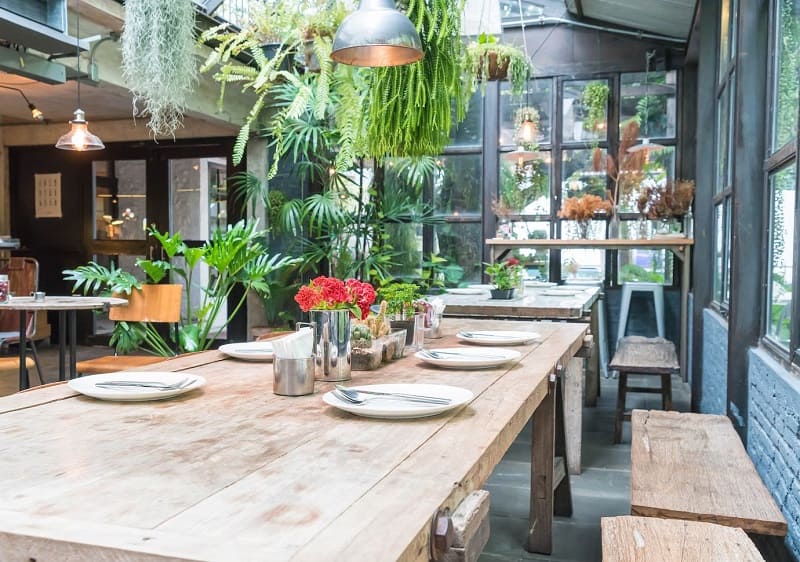
Solid wood restaurant tables are a popular type of solid wood furniture for their durability, versatility, and aesthetic appeal. You can find these tables of various shapes, sizes, and finishes. And you can easily customize them to match any restaurant décor. Solid wood restaurant tables can add warmth, elegance, and sophistication to any dining space.

2. Solid Wood Restaurant Chairs

Solid wood restaurant chairs are another type of solid wood furniture commonly used in restaurants. They are sturdy, durable, and available in various styles, shapes, and finishes. From classic to modern, solid wood restaurant chairs can complement any restaurant interior design while providing comfort and support for customers. Their natural beauty and elegance can enhance the overall ambiance of the restaurant.

3. Solid Wood Restaurant Bar Stools

Solid wood restaurant bar stools are a type of solid wood furniture that can add character and charm to any bar or dining area. They are available in various styles, heights, and finishes to suit any decor. Solid wood restaurant bar stools are durable and comfortable. Also, you can customize them to fit any space or design. Solid wood restaurant bar stools can be used to add style and functionality to a bar or dining area. They provide a comfortable and durable seating option for customers while enhancing the restaurant’s overall ambiance.

4. Solid Wood Restaurant Booths

Solid wood restaurant booths are a type of solid wood furniture that can be used to create an intimate dining experience for customers. And the best thing is you can buy these booths of various shapes, sizes, and finishes. What’s more, you can easily tweak their designs to fit any restaurant design. Solid wood restaurant booths can provide a comfortable and private seating option for customers while maximizing the use of space in the restaurant.

Final Thoughts

Solid wood furniture is a valuable investment for restaurants due to its durability, easy maintenance, versatility, sustainability, and aesthetic appeal. To ensure the highest quality and craftsmanship, it’s recommended to choose from the best solid wood furniture brands like Missouri Table & Chair. Incorporating solid wood furniture into your restaurant’s design can create a welcoming atmosphere for customers to enjoy.

Frequently Asked Questions

Is solid wood furniture better than other types of furniture?

Solid wood is denser, more durable, and less prone to damage than other wood types; therefore solid wood furniture has advantages over other types of furniture.

What is the best type of wood for solid wood furniture?

Walnut, Maple, Oak, etc. can be some of the best types of wood used for solid wood furniture.