
Author Archives: Gayla

Wine bar business ideas

How to Open a Wine Bar: Key Steps to Follow

Key Takeaways:

  • Conduct thorough market research.
  • Develop a detailed business plan.
  • Secure funding and meet legal requirements.
  • Choose a strategic location.
  • Design an inviting interior.
  • Manage inventory and build a complementary menu.
  • Select reliable suppliers and hire knowledgeable staff.
  • Implement effective marketing and plan a memorable opening.

The wine bar industry in the USA is thriving. It reflects its growing popularity. The U.S. wine market reached a value of USD 63.69 billion. It is expected to grow at a CAGR of 6.8% from 2022 to 2030. This growth highlights the lucrative opportunity for innovative wine bar ideas. So, to grow in this expanding market, you need to understand how to open a wine bar.

In this post, let’s talk about some important wine bar ideas.

1. Research the Wine Bar Market

Start by analyzing the current trends, customer preferences, and competition in the wine industry. Determine what unique aspects your wine bar can offer. This research can help you make informed decisions about every aspect of the setup.

2. Write Your Wine Bar’s Business Plan

Outline a detailed business plan. Include your business concept, operations, target market, and financial projections. This document will guide you to make strategic decisions and secure funding. So, it should communicate the potential of your wine bar to investors and partners.

3. Figure Out Funding

Assess the initial costs and operational expenses for your wine bar. Explore different funding sources. These can be bank loans, investors, or personal savings. Adequate capital can cover setup costs and ongoing operations. So, have proper financial planning. Understand how to start a bar business. These practices will guarantee that financial challenges won’t hinder your bar’s success.

4. Follow the Legal Requirements

Ensure you meet all legal standards. Have the necessary licenses and permits. These include liquor licenses and health department approvals. This ensures you can operate your wine bar without legal troubles. Compliance establishes your credibility and trust with customers, making it a critical step for anyone learning how to open a wine shop effectively.

5. Choose a Location

Selecting a prime location is crucial as it impacts foot traffic, customer accessibility, and overall visibility. Consider areas popular with your target demographic and ensure easy access to transportation. Your bar should have proximity to competitors and local attractions. It should also have parking availability.

6. Interior Design of Your Wine Bar
Interior Design of Your Wine Bar

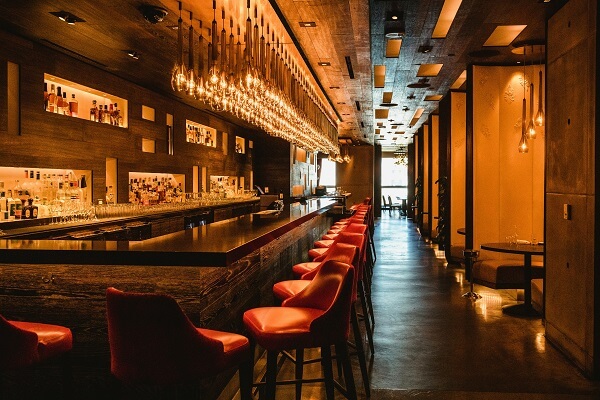
The interior design of your wine bar should create an inviting atmosphere. Such an atmosphere will resonate with your brand identity. Invest in high-quality bar tables and chairs. Make sure your layout and decor enhance the customer experience. Effective design attracts more patrons and sets the tone for their dining experience. Thus, it is an important element in the overall success of your business.

7. Set Up Wine Bar Inventory

Set Up Wine Bar Inventory

Proper inventory management is key to running a successful wine bar. Stock different wines, including both well-known labels and exclusive vintages. This will help you cater to various preferences and price points. Regularly review and adjust your inventory. This review should be based on sales data and customer feedback. Make sure your selections meet the current demands and keep your offerings fresh and exciting.

8. Build Your Menu
Build Your Wine Bar Menu

Make sure your bar’s menu complements the wine selections. It should also feature dishes that enhance the flavors of the wines. Include various options, from small bites to full entrees. They should match different tastes and dietary preferences. This way you can encourage longer stays and improve the customer’s experience.

9. Choose Your Suppliers and Vendors

Pick reputable suppliers and vendors for your wine and food items. Build strong relationships with reliable providers. This will ensure a consistent supply of high-quality products. This step is essential for maintaining the standards of your wine bar and can greatly influence customer satisfaction. Careful selection of partners reflects the overall quality and reliability of your establishment, crucial for the longevity of your business.

10. Hire Staff

Recruit a competent and friendly team to enhance the customer experience at your wine bar. Staff should possess knowledge about wine and excellent customer service skills. Training your team in these areas is vital to ensure that they can educate and interact effectively with patrons. A well-trained staff contributes significantly to the atmosphere and success of your wine bar, encouraging repeat business.

11. Set Out the Marketing Plan to Open a Wine Bar

Develop a comprehensive marketing strategy. It should include online and offline promotional activities. Use social media, partnerships with local businesses, and events. These will help you attract your target demographic. Effective marketing generates buzz and draws customers to your wine bar. As a result, you can have a successful launch and ongoing popularity of your business.

12. Plan Your Opening Date

Choose an optimal opening date considering factors like local events and seasons that could affect foot traffic. Organize a memorable launch event to draw attention and begin building your customer base. Proper planning of your opening day is crucial to capitalize on initial public interest and set a positive trajectory for your wine bar’s future.

Final thoughts,

Opening a wine shop successfully involves careful planning and strategic execution. Start with a solid understanding of the wine bar market and create a detailed business plan. Secure the necessary funding and ensure you meet all legal requirements. Choose the right location. Design an inviting interior with comfortable bar stools. Trust quality suppliers and hire knowledgeable staff. Effective marketing and a well-planned opening event can significantly boost your visibility. Implementing these steps with innovative wine bar ideas can set your business apart. This guide provides a comprehensive approach on how to open a wine shop, paving the way for your success.

Also Read:

  1. How to Find the Most Comfortable Bar Stools for Your Restaurant
  2. Five Things to Look For In Quality Restaurant Pub Tables
  3. How to Maintain Restaurant Bar Stools
Two successful restaurant owner

How to Become an Owner of a Restaurant – A Complete Guide

Key Takeaway:

  • Finalize your restaurant concept and create a detailed business plan.
  • Stay updated on industry trends and consumer preferences.
  • Master basic business accounting to manage finances effectively.
  • Continuously learn from industry resources like books, blogs, and videos.
  • Choose a strategic location that aligns with your target demographic.
  • Hire skilled staff who embody your brand values and invest in their training.
  • Start marketing early to build anticipation and attract customers.
  • Prepare for challenges such as high competition and economic fluctuations.

Many people wonder how to become an owner of a restaurant. Start with careful planning and dedication. Select the perfect location. Understand your target audience. Manage your finances effectively. You will become a successful restaurant owner. Today’s guide will talk about how to become a successful restaurant owner. It will discuss the important steps of becoming a restaurant owner. You will also know about the common challenges.

Let’s start the discussion.

What Are the Skills and Steps Needed to Become a Restaurant Owner?

To become a successful restaurant owner, you need specific skills and steps. Let’s walk through the essentials.

1. Finalize the Concept and Write a Business Plan

Write a Restaurant Business Plan

First, finalize your concept. Decide what type of cuisine you’ll offer. You need to finalize the atmosphere you want to create. Then, write a comprehensive restaurant business plan. This plan should outline your business goals and target audience. It should also cover competitive analysis and financial projections. A well-thought-out business plan guides your steps. It also helps attract investors.

2. Learn About Your Industry & Latest Marketing Trends

Know your Restaurant Industry trends. Keep up with the latest food trends. Know your customer preferences and technological advancements in restaurant management. You can choose social media marketing and content marketing. Influencer partnerships are also a good option. Understand these areas. This will help you tailor your promotions. This way, you can also reach out to attract and retain customers. Establish a strong brand. Make sure that your marketing efforts are aligned with consumer expectations.

Also Read: Top Restaurant Marketing Ideas to Elevate Your Brand

3. Understanding Basic Business Accounting

You are learning how to become a restaurant owner. For this, you need to grasp the basics of business accounting. This skill helps you manage your restaurant’s finances effectively. You need to understand various concepts. These include cash flow, profit margins, and cost management. Keep accurate financial records. This will allow you to make informed decisions. You will also be able to forecast future needs and maintain a healthy financial status. This knowledge will help apply for loans or pitch to investors. It shows your commitment to the sustainability and profitability of your business.

4. Read Restaurant Topic-Related Books, Blogs, and Videos

Read Restaurant Topic-Related Books, Blogs, and Videos

Expand your knowledge by consuming a variety of resources related to the restaurant industry. Books, blogs, and videos can provide insights into the experiences of other restaurant owners. They offer valuable lessons and inspiration. This continuous learning will equip you with innovative ideas. You will also get to know about different techniques. All these could be crucial in defining the success of your restaurant. Engage with these materials. Sharpen your skills and be motivated. This is essential for anyone aiming to become a successful restaurant owner.

5. Know How to Manage a Budget

Secure your finances. This is important to becoming a restaurant owner. Explore different financing options. These include loans, investors, or crowdfunding. Then manage your budget efficiently. Allocate Your funds wisely. Cover different areas such as location, staffing, marketing, and daily operations. Effective budget management ensures you can operate within your means while still achieving quality and growth. Understand financial management. It deeply impacts the sustainability and profitability of your restaurant.

6. Choose the Perfect Location

Choose your restaurant’s location wisely. Your selected spot should complement your concept and attract a target demographic. Consider various factors. These include foot traffic, competition in the area, and accessibility. A location with high visibility and convenience for potential customers is preferable. Check the demographics. Analyze their spending habits. This will ensure alignment with what you offer. The right location draws in more customers. It also enhances your restaurant’s overall appeal and profitability.

7. Hire the Right People

Your staff represents your brand. They play a major role in the customer experience. Look for skilled individuals. They should share your passion for the hospitality industry. Invest in training them. A motivated, knowledgeable team will provide better service. It leads to satisfied customers and repeat business. Make your hiring and training effective. You will make a significant difference to the smooth running and reputation of your restaurant.

Also Read: Important Tips on How to Train Your Staff to Maintain Restaurant

8. Start Marketing Before You’re Open

Begin your marketing efforts well before your grand opening. This builds anticipation and interest among potential customers. Use social media, local advertisements, and community events. These will help spread the word. You can offer sneak peeks of different things. These may include your menu. special promotions, and behind-the-scenes looks at the setup process. Early marketing sparks curiosity. It also gathers a following before you even open the doors. This strategy can lead to a busy opening day. Your business will get an initial boost.

Are There Any Challenges to Owning a Restaurant?

Yes, there are some challenges that many restaurant owners face. Here these are:

  • High Competition: Restaurants often face stiff competition, making it hard to stand out.
  • Economic Sensitivity: Economic downturns can reduce customer spending and affect sales.
  • Labor Issues: Finding and retaining skilled staff can be challenging.
  • Regulatory Compliance: Adhering to health and safety regulations requires constant attention.
  • Cost Control: Managing rising costs of ingredients and operations is crucial.
  • Customer Satisfaction: Consistently meeting customer expectations can be demanding.

Also Read: Common Mistakes Made by Restaurant Startup Business Owners

Are you ready to tackle these challenges? Start your journey today!

With determination and the right approach, you can become a successful restaurant owner. Equip yourself with essential skills. Understand the challenges. Prepare for a rewarding journey. Stay confident. You will surely become a successful restaurant owner. So, start your journey and make a mark in the culinary world.

Restaurant Marketing Ideas

Top Restaurant Marketing Ideas to Elevate Your Brand

Looking for new restaurant marketing ideas? Today’s market is crowded. Standout marketing strategies are crucial. This article explores innovative approaches. We cover social media campaigns, influencer partnerships, unique dining experiences, and special promotions. These creative ideas attract new customers and keep existing ones loyal. They boost your revenue. Embrace these top marketing tactics and watch your restaurant thrive!

Restaurant Marketing Ideas to Boost Your Business

1. Establish Your Brand Identity

Have a strong, consistent brand identity. It sets you apart from competitors. It also creates brand recognition. A cohesive brand connects with customers. Additionally, it helps foster loyalty.

Define your restaurant’s unique personality. Have a distinct logo. Brand yourself across your website, social media, menus, signage, and marketing materials.

2. Develop and Optimize the Website for Your Restaurant

An outdated and clunky website can create a poor first impression and deter potential diners. Therefore, have a visually appealing, user-friendly website.

Build a modern, responsive website. It should showcase high-quality food photography, clear menus, location/contact details, and easy online reservations. Make it responsive as many browse restaurants on their phones. Update content regularly to ensure accuracy. An optimized website provides a seamless experience. This entices visitors to book a table.

3. Enhance Food Photography for Digital Platforms

Mouth-watering visuals are powerful marketing tools. They can entice customers through their screens.

Invest in expert food photography and editing services. Capture your dishes under ideal lighting using proper plating and styling techniques. Incorporate these drool-worthy images throughout your website. Promote these across social media platforms, online menu, and other digital channels as well.

Enhance Food Photography for Digital Platforms

4. Update Your Online Menu

Have an updated online menu. An outdated menu with inaccurate items or pricing leads to a frustrating experience and potential loss of customers.

Update your online menu anytime you change dishes, descriptions, or prices. Highlight your newest offerings, seasonal specials, and dietary options. Use clear titles, high-resolution photos, and mouthwatering descriptions. This keeps your menu aligned with your current offerings.

Update Your Online Menu

5. Promote Your Restaurant on Food Delivery Apps

Customers prefer the convenience of food delivery. List your restaurant on major food delivery apps. Some of the popular ones are Uber Eats, DoorDash, etc.

Create an enticing menu listing with professional photos and detailed descriptions on food delivery platforms. Offer promotions and track analytics to optimize your delivery sales over time.

Promote Your Restaurant on Food Delivery Apps

6. Optimize Your Google My Business Listing

Make sure your restaurant shows up properly in Google’s local searches.

Claim and verify your listing. Provide accurate name, address, phone, website, operating hours and other key details. Upload high-quality photos that depict your ambiance and cuisine. Regularly update your menu, services and posts. Respond to reviews to demonstrate engagement. This helps you rank better in local maps/search results.

7. Give Importance to Customer Reviews

Online reviews from diners hold major sway over a restaurant’s reputation. Monitor and respond to reviews. This shows you value customer feedback.

Set up alerts. They will notify you of new reviews across sites like Yelp, Google, TripAdvisor, etc. Thank those who leave glowing praise. Tactfully address any complaints or criticism. This openness enhances your credibility and customer service.

Give Importance to Customer Reviews

8. Create Your Social Media Profiles

Social media allows you to connect with diners. It also helps promote your restaurant’s brand in a casual, engaging way. Have an active presence on social media.

Create business profiles on social media tailored to your restaurant. Share a consistent brand voice, quality content, food photos, event updates, promotions, etc. Cross-promote across your website and other channels to grow your following organically.

9. Drive Social Media Engagement

You need an active, engaged audience to amplify your online presence and attract new diners.

Post consistently, respond to comments and direct messages promptly. Create interactive content that encourages likes, shares and discussion around your brand. Run engaging contests and promotions. Partner with local influencers and bloggers. This helps in cross-promotion.

Drive Social Media Engagement

10. Loyalty Marketing

Acquiring new customers is important. However, retaining your existing loyal customer base is equally crucial. Thus, execute loyalty programs. They encourage repeat business and brand affinity.

There are many types of loyalty programs – punch cards, point systems, referral programs, VIP tiers etc. The key is offering incentives for frequent visits like discounts, free items or exclusive perks. Also leverage your program for personalized email marketing campaigns and automations to keep customers engaged.

11. Try Wi-Fi Marketing

These days, customers expect free WiFi as an amenity when dining out. This provides an excellent opportunity for WiFi marketing – promoting your restaurant to captive diners.

By having customers connect to your branded WiFi network, you can capture valuable data like email addresses. You can then retarget them later with promotional emails and offers.

12. Improve Your SEO Strategy

A solid SEO strategy will help the website of your restaurant rank high in relevant online searches. As a result, you will drive more traffic and diners.

Conduct keyword research to identify popular local search terms. Optimize your website’s titles, descriptions and content accordingly. Build quality backlinks from reputable sites. Ensure your site loads quickly and is mobile-friendly. Leverage local SEO by claiming listings across directories.

13. Start a Blog

Maintain an active blog. Write compelling content in your blog. This will help boost your restaurant’s online presence and engage customers.

Use the blog to share your establishment’s origins, culinary philosophies, staff profiles, seasonal recipes, food/drink trends and more. Creating educational, entertaining content

positions you as a knowledgeable industry expert. Be sure to optimize posts with relevant keywords and encourage sharing on social media.

Final thoughts,

Implement innovative restaurant marketing ideas to attract new customers and cultivate loyalty. Embrace the above-discussed cutting-edge restaurant marketing ideas to outshine competitors and drive sustainable business growth. Take the first step today!

Top 10 Innovative Juice Bar Design Ideas to Thrive

Have you ever wondered why some juice bars seem to draw a crowd effortlessly? It’s not just about the quality or variety of the juice; it’s the design that makes the difference. As juice bars become more popular, having a standout design is crucial. This post is packed with inspiring juice bar design ideas that will help you transform your space into a magnet for health enthusiasts and casual visitors alike. Whether you’re starting fresh or planning a revamp, let’s explore how to make your juice bar the talk of the town.

Top 10 Juice Bar Design Ideas

Creating an inviting and vibrant juice bar starts with innovative design. Your space should reflect your brand’s philosophy and make customers feel welcomed. Dive into these ten juice bar setup ideas to turn your vision into a bustling reality.

1. Show Off Your Fresh Ingredients:

Captivate your customers by displaying your fresh produce. Use transparent containers and refrigerated display cases prominently. This strategy reassures customers of your commitment to freshness. Moreover, it turns your ingredients into vibrant, natural decor. The visual appeal of colorful fruits and vegetables can stimulate appetite and interest. In short, it’s a simple yet effective way to attract and retain customers.

Show Off Your Fresh Ingredients

2. Bright Colors and Cheerful Decor:

Implement bright colors and cheerful decor to draw attention. Choose palettes that reflect the zest and freshness of your offerings, like lively greens, radiant yellows, or bold oranges. Apply these colors to walls, furniture, and accessories to create an energetic and inviting atmosphere. This approach can enhance the mood. As a result, your juice bar becomes a go-to spot for both rejuvenation and relaxation.

3. Bring Nature Inside:

Integrate elements of nature into your juice bar design. This way, you can create a serene and welcoming environment. Consider installing a vertical garden, using planters with lush greenery, or incorporating wooden accents. Natural elements purify the air and add a peaceful ambiance. Eventually, customers feel encouraged to stay longer and keep coming back. This connection to nature can make your space feel refreshing, aligning perfectly with the healthy aspect of your juice offerings.

4. Install Cool Lighting Fixtures:

Lighting plays a crucial role in setting the mood. Choose unique and cool lighting fixtures that complement the decor and highlight your products beautifully. Whether it’s elegant pendant lights over the counter or soft, ambient lighting to create a relaxed atmosphere, the right lighting can transform your space. It’s not just about visibility; it’s about creating an experience that captivates and retains customers.

Install Cool Lighting Fixtures

5. Use Modern Design:

Embrace a sleek, modern design. Think minimalist decor, clean lines, and a mix of neutral tones with strategic color pops. Create an atmosphere that’s both inviting and forward-thinking. Incorporating elements like digital menus and efficient service layouts can also streamline the customer experience. This design choice sets a professional tone. Additionally, it positions your juice bar as a cutting-edge destination in the health and wellness sector.

6. Comfortable Seating:

Invest in comfortable seating to transform customer visits into experiences. Choose various seating options to accommodate different groups and visit lengths. You may choose plush armchairs for those lingering over their drinks. Communal tables are apt for social butterflies. Comfortable seating invites customers to relax and enjoy their time, potentially increasing their stay and the likelihood of return visits. So, create a space where customers feel at home. Encourage them to come to your juice bar as a part of their daily routine.

7. Choose Furniture According to Your Theme:

Select furniture that complements your juice bar’s theme. This approach helps you create a cohesive aesthetic. Whether you’re going for a rustic, industrial, or modern vibe, your furniture should reflect and enhance your chosen theme. This consistency strengthens your brand identity. Furthermore, it enhances the overall customer experience by immersing them fully in the unique world you’ve created.

8. Use Recycled or Reused Materials:

Emphasizing sustainability in your design can significantly impact your brand image. Opt for recycled or reused materials in furniture, decor, and even construction. This approach shows your brand’s commitment to the environment. It also resonates with eco-conscious customers and sets a responsible example. These choices can strengthen customer loyalty and attract a like-minded community.

9. Don’t Forget About the Exterior Design:

The exterior of your juice bar is just as important as the interior. It’s the first thing potential customers see. Thus, it is essential to design an inviting and attractive facade. Consider vibrant signage, outdoor seating, and elements that reflect the interior design to draw people in. An appealing exterior can pique curiosity and encourage passersby to step inside, increasing foot traffic. It’s about making a strong first impression that invites exploration and discovery.

10. Add Personal Touches:

Display artworks that tell a story, incorporate design elements that reflect your journey, or showcase local culture. These personal touches create a unique atmosphere that customers can’t find elsewhere. This way, you can build a connection with your customers, offer them not just a place to drink juice but an experience that resonates on a personal level. Personalization makes your juice bar a destination, not just another stop.

Final thoughts,

Elevating your juice bar with these design ideas can transform it into a destination spot for health enthusiasts and casual visitors alike. A well-thought-out design enhances customer experience and strengthens your brand identity. So, are you ready to take your juice bar to the next level? Let these ideas inspire your next redesign and watch your space come to life. Start planning your transformation today!

FAQs

Is a Juice Bar Profitable?

Yes, a juice bar can be quite profitable. The health and wellness industry is booming. With the right location, appealing design, and a strong menu, you can tap into a growing demand for healthy beverage options. Profitability depends on factors like foot traffic, pricing strategy, and operational efficiency. Keeping costs in check while offering high-quality products can lead to a successful business venture.

How Much Money Is Required for a Juice Shop?

The startup cost for a juice shop can vary widely based on location, size, and the extent of renovations required. It covers equipment, initial inventory, permits, design, and marketing. Opting for a smaller space or a mobile juice bar can reduce initial costs. It’s crucial to create a detailed business plan to accurately estimate your specific investment needs.

How to Start a Coffee Shop

How to Start a Coffee Shop from Scratch

Starting a coffee shop is an exciting venture for many aspiring entrepreneurs. With coffee’s popularity soaring, the industry offers vast opportunities for growth and innovation. This guide will show you how to start a coffee shop, from the initial idea to opening day. The article covers everything you need to know, ensuring you’re well-equipped to tap into the coffee world’s potential. Whether you’re passionate about coffee or seeking a new business challenge, this guide is your first step towards brewing success.
So, without further ado, let’s start the discussion.

12-Step Checklist to Opening a Coffee Shop

Opening a coffee shop involves numerous steps. Here’s a detailed coffee shop checklist, ensuring a comprehensive understanding of how to start a coffee business.

1. Market Research and Competition Analysis

Before diving into the coffee shop world, conduct thorough market research and analyze your competition. This step is vital to understand local coffee consumption patterns, customer preferences, and what competitors offer. It reveals gaps in the market you can fill. Understand these dynamics properly. This insight will help you tailor your offerings to meet demand, positioning your coffee shop for success in a competitive landscape.

Research the coffee business

2. Choose a Concept

Decide on a unique concept for your coffee shop. This can help your coffee shop stand out. The concept could involve a specific theme, such as an eco-friendly approach or a particular cultural vibe, which will attract a distinct customer base. Your concept should reflect every aspect of your business, from the decor to the menu items you offer. A strong, appealing concept can create a loyal customer base and differentiate your cafe in a crowded market.

3. Create a Coffee Shop Business Plan

Crafting a detailed business plan is a foundational step. This document should outline your vision, target market, financial projections, and strategies for growth. It serves as a blueprint for your coffee shop, guiding you through the setup process and beyond. A well-thought-out business plan can secure financing and navigate the complexities of starting and running a successful coffee business.

Create a Coffee Shop Business Plan

4. Select the Right Location

The success of your coffee shop heavily depends on its location. Ideal spots are those with high foot traffic, such as downtown areas, near universities, or in bustling neighborhoods. Consider visibility, accessibility, and the demographic profile of the area to ensure it aligns with your target market. A strategic location can significantly boost your shop’s visibility and attract a steady stream of customers.

5. Pick the Equipment for the Coffee Shop

Select the right equipment. The right choice will help you deliver quality coffee and efficient service. This includes commercial-grade espresso machines, coffee grinders, ovens for pastries, and refrigerators. Quality equipment ensures that you can consistently produce the best coffee and food offerings. As a result, it enhances customer satisfaction and streamlines operations. In short, investing in reliable equipment pays off in the long run through durability and performance.

Pick the Equipment for the Coffee Shop

6. Focus on Furniture Selection

Your furniture needs to complement your coffee shop’s concept. They should also accommodate your customers comfortably. Choose pieces that match your theme and make efficient use of your space. Comfortable seating encourages customers to stay longer. The result is increased sales. Durable, easy-to-clean furniture reduces long-term costs and maintains an appealing environment.

7. Give Importance to Staffing and Training

Hire the right team for your coffee shop. Look for individuals passionate about coffee and customer service. Comprehensive training ensures your staff can deliver consistent quality and service, creating a positive customer experience. Well-trained employees become your brand ambassadors. They are important for building a loyal customer base.

Pick the Equipment for the Coffee Shop

8. File for Permits and Licenses

Next step is going through the legal requirements. Obtain all necessary permits and licenses to operate legally in your area. This includes health department permits, business licenses, and food service licenses. Compliance with local laws and regulations prevents costly fines and business interruptions.

9. Design a Layout

The layout of your coffee shop impacts customer flow and employee efficiency. Design a space that allows for smooth operations and a comfortable customer experience. Consider the placement of furniture, the counter, and equipment for optimal workflow and ambiance. A well-designed layout enhances the overall appeal of your shop and can improve functionality and customer satisfaction.

10. Invest in Marketing and Promotion

Before and after opening a coffee shop, effective marketing and promotion are key to attracting customers. Utilize social media, local advertising, and community events to build buzz. Offering promotions and discounts can attract first-time visitors. Consistent, engaging marketing efforts build brand awareness and foster community ties, thereby driving repeat business.

11. Create a Menu

Your menu should reflect the coffee shop’s concept and appeal to your target audience. Offer a variety of coffee options and complementary food items. Pay attention to quality, sourcing ethically when possible, and catering to different dietary preferences. A well-crafted menu sets the tone for the customer experience. Moreover, it can differentiate your coffee shop in a competitive market.

12. Grand Opening and Customer Experience

Plan a memorable grand opening to make a strong first impression. Consider special promotions, live music, or other events to draw in the community. From day one, focus on delivering exceptional customer service and a high-quality product. A focus on customer experience encourages repeat visits and helps establish your coffee shop as a community staple.

Start Your Coffee Shop Right Away!

Opening your own coffee shop is a journey filled with excitement, challenges, and the potential for great rewards. Follow the detailed checklist provided, from conducting market research to planning a grand opening. Certainly, you will equip yourself with the tools necessary for success. Every step, from choosing the right equipment to crafting an enticing menu, contributes to the unique experience you offer. If you’re passionate about coffee and committed to creating a welcoming space for your community, you’re already on the path to success. Now that you know how to open your own coffee shop, it’s time to take that first step. Begin your venture today and turn your dream into a thriving coffee haven.

FAQs

How much does it cost to start a coffee shop?

The cost to start a coffee shop can significantly vary, influenced by several factors like location, size, and chosen concept. Expenses encompass leasing, renovations, equipment, initial inventory, and permits. Opting for a modest setup or a mobile cart can reduce costs. Accurate financial planning through a detailed business plan is crucial to understand the specific investment needed for your unique vision.