Author Archives: Gayla

Picture of restaurant beautiful theme design

30+ Unique Restaurant Concepts + Theme Ideas to Inspire

Running a successful restaurant is about more than just marketing or hiring the best team. We believe a restaurant can gain popularity only if it offers an exceptional customer experience. Given how saturated the market is, the task is never easy. Gaining a competitive edge will require immense effort. And it starts with choosing the best restaurant themes! From underwater dining to café-style themes, the list is endless. The key here is to align the restaurant’s theme with the customer preferences in that region. 

Rest assured, deciding unique restaurant themes will give businesses the leverage they need. But for that, it’s important to become familiar with the most trending concepts in the market. With that in mind, we’ve compiled a list of trending restaurant theme ideas. This guide will help everyone looking forward to opening a flourishing restaurant business.

What is a Theme-based Restaurant?

A restaurant theme or concept is an idea you build your brand around. In simpler words, the theme in a restaurant defines how your guests perceive your restaurant. Most theme-based restaurants extend their theme beyond the ambiance or interior of their dining area. A well-planned theme-based restaurant excels in all departments, from restaurant furniture to menu design, from music to cuisine, and more. Such restaurants usually take inspiration from heritage, history, art, culture, music, etc., to build their brand by offering a unique dining experience for their guests. Read on to find out some refreshing restaurant theme ideas that you can select for your restaurant:

How do you pick a restaurant theme?

Now that you know what theme based restaurants are, let’s help you select a concept for your restaurant. Before selecting an option for your restaurant theme, you must understand your requirements. Here is a list of questions you need to ask yourself:

  • Who is your target clientele?
  • What is your budget?
  • What food do you want to serve to your guests?
  • How much space do you have?

Next, here are some cool restaurant themes. You can either pick one as it is or try to mix them for a unique dining experience.

1. Fast Food
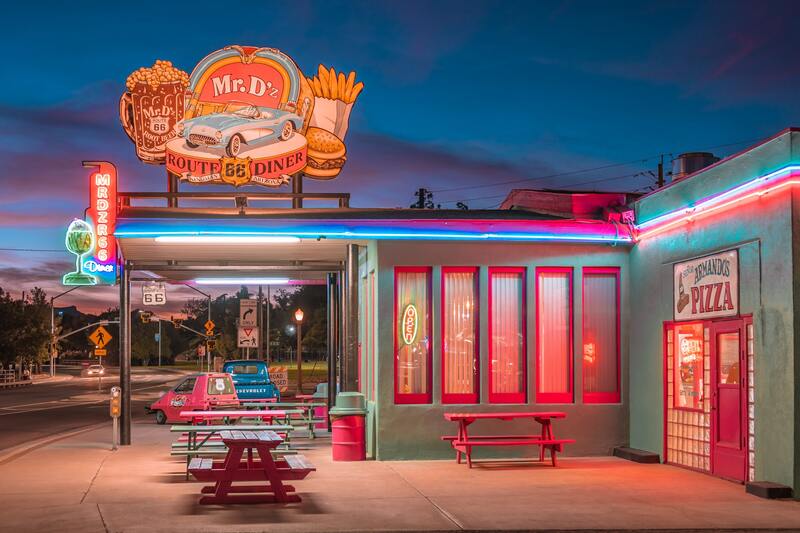
fast food restaurant

Fast-food restaurants have been extremely popular since the 1950s. They are famous for their affordable dishes, quick service, and convenience. The concept of fast-food chains started with McDonald’s and Burger King in the US and has become a global phenomenon. Nowadays, endless chains like Taco Bell, Pizza Hut, KFC, Subway, etc., have their unique concept. However, if you are venturing into fast-food chains, understand that the upfront cost of franchising will be quite high compared to opening your own restaurant.

An example of this idea: PopEyes Louisiana Kitchen one of the famous brand in the US.

2. Fast Casual

Fast-casual restaurants are the latest trend these days. Think of them as a slightly more expensive and upscale version of fast-food restaurants. They usually feature an open kitchen so that customers can watch as their food gets prepared. Although many fast-casual restaurants offer food in disposable packing like fast-food joints, their dishes use organic and gourmet ingredients.

An example of this idea: Crisp & Green : Fast Casual Healthy Food Restaurant across different regions of USA.

3. Family Style
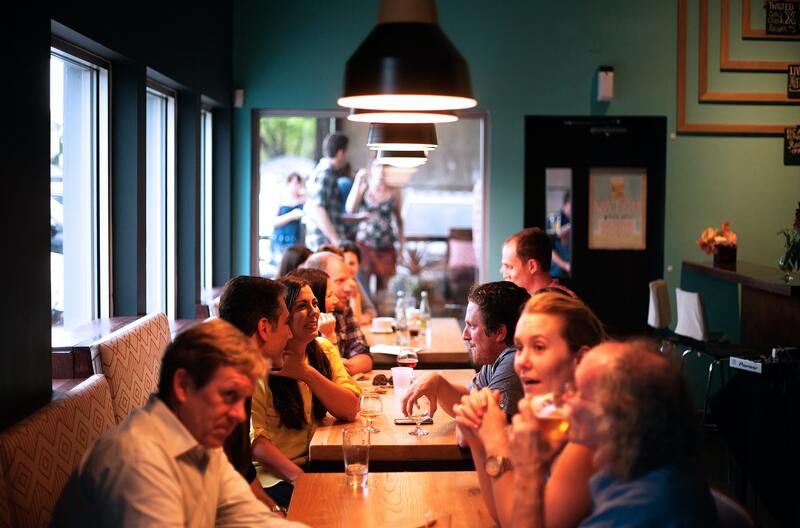
family at restaurant

Also known as casual dining across the US, family-style restaurants offer medium-priced dishes. The menu features a mix of popular cuisines with signature dishes, dips, toppings, or sauces. Family-style restaurants provide service at the table in non-disposable cutlery in a low-key setting and inexpensive menu. Popular themes in such restaurants include barbecue, Mexican, Americana, etc.

An example of this idea: Applebee’s is a popular family-style restaurant located in almost every state in America.

Fatal error: Uncaught Magento\Framework\Exception\NoSuchEntityException: The product that was requested doesn't exist. Verify the product and try again. in /chroot/home/a3ea06d8/gotable.com/html/vendor/magento/module-catalog/Model/ProductRepository.php:287 Stack trace: #0 /chroot/home/a3ea06d8/gotable.com/html/generated/code/Magento/Catalog/Model/ProductRepository/Interceptor.php(23): Magento\Catalog\Model\ProductRepository->get('square_butcher_...', false, NULL, false) #1 /chroot/home/a3ea06d8/gotable.com/html/pub/scripts/blogproduct.php(25): Magento\Catalog\Model\ProductRepository\Interceptor->get('square_butcher_...') #2 {main} thrown in /chroot/home/a3ea06d8/gotable.com/html/vendor/magento/module-catalog/Model/ProductRepository.php on line 287

4. Fine Dining

When you think of a fine dining restaurant, you imagine well dressed servers, a three-course meal, crisp tablecloths, premium restaurant furniture, expensive cutlery, etc. Fine dining restaurants are the pinnacle of luxury and feature the best of everything, ambiance, food, and service. Probably the most expensive restaurant type you can operate, fine-dining restaurants are famous for their unique concept.

An example of this idea: GW Fins has been a popular fine dining restaurant serving guests since 2001 in the US.

5. Buffet
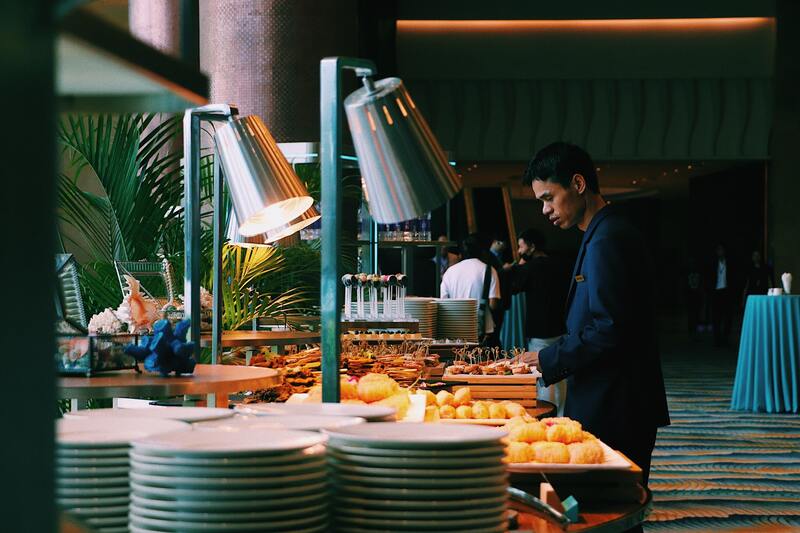
buffet restaurant idea

Buffet-style dining has been around for ages and continues to be a preferred choice for many restaurant customers. Buffet restaurants usually feature self-service of various dishes laid out on a table. Also, many buffet restaurants offer catering services for special occasions and events.

An example of this idea: Jacob Restaurant is a Black-owned buffet restaurant in New York city.

6. Café or Bistro

A café is another self-service style restaurant. Historically, cafés originated in Europe, were popularized by France, and became global subsequently. Most cafés serve coffee and snacks like pastries and sandwiches in a relaxed ambiance, usually outdoors. Conceptually, there is small difference between bistro and café, a bistro is similar to a café except that while cafés only serve snacks, bistros may serve full meals.

An example of this idea: Rose’s Café is a general hangout café for the local public in San Francisco.

7. New-Age Food Trucks
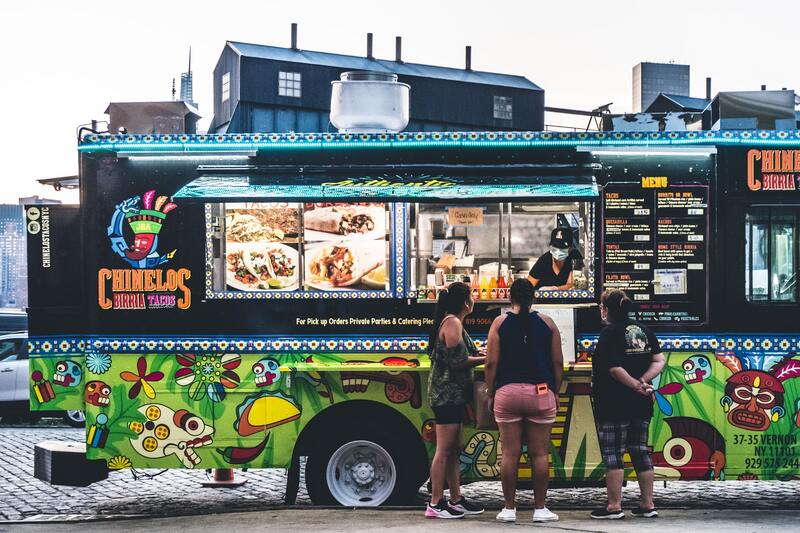
food truck restaurant concept

Low-cost, convenient, mobile food trucks have gained popularity throughout the US. They have lower overhead, making it easier to set up a new restaurant. Rather than the customers coming to the restaurants, a food truck goes where the customers are. Also, you can manage a food truck with considerably less staff. However, having a successful food truck business requires a lot of effort, especially during an initial couple of years.

An example of this idea: Roti Rolls serving in the South Carolina, United States

8. Pop-up Restaurant

A pop-up restaurant is another trending concept in the hospitality industry. With a history dating back to the 1960s, pop-up restaurants are not a new concept. However, the new age pop-up restaurants thrive on an element of surprise by turning up at unusual places like abandoned warehouses, factories, or rooftops. Pop-up restaurants have different themes and do not require a considerable investment.

An example of this idea: Holey Grail Donuts in Los Angeles

9. Pub or Bar
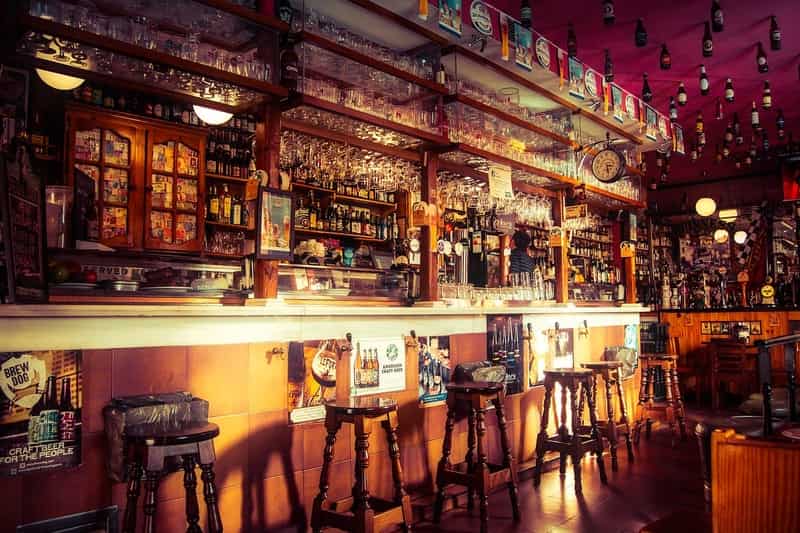
bar restaurant

Pubs or bars have been around for ages now. They are the go-to choice for everyone in good times and bad times, whether catching up with friends over weekends or bonding with workmates. Concept-wise, there are countless options with pubs and bars, from sports bars to cocktail bars, wine bars to discotheques. As an owner, pubs or bars can be lucrative as alcoholic beverages have a high markup. Also, you don’t need a large food inventory to operate. On the flip side, licenses can be expensive, and many are only open during the evenings.

An example of this idea: The Dead Rabbit in Austin and New York City.

10. Iconic Film/Music

Films have remained a part of our lives for over 100 years now. So, what better way to pay tribute to a music band or movie than opening a themed restaurant for their fans? The idea looks great on paper but is it viable commercially, you ask? The success of a restaurant based on the film, TV show, or music broadly depends on the following factors:

  • How famous or successful is the movie, TV show, or music band/artist?
  • What is loyalty or fan base?
  • How effectively can you bring out the essence of the film or music in your restaurant?

An example of this idea: Foreign Cinema is a popular restaurant in the San Francisco.

11. Eco-Friendly
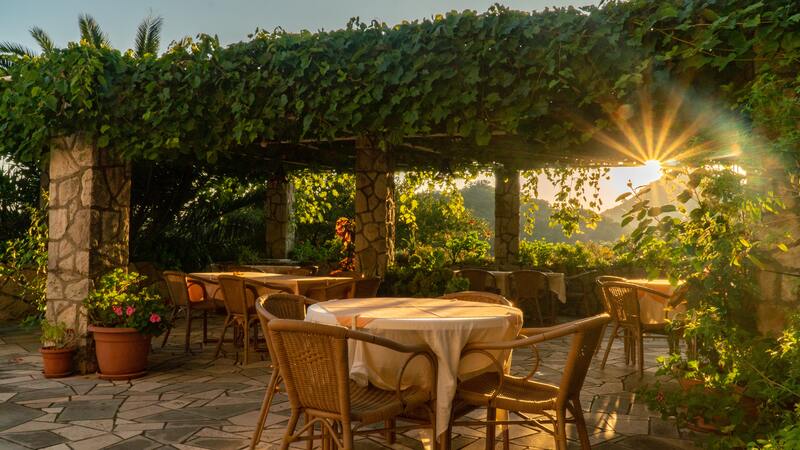
eco friendly restaurant

As the current generation becomes more conscious of global warming, sustainability, organic farming, etc., highlighting eco-friendliness through your restaurant can be a game-changer. An eco-friendly restaurant uses recycled materials in its ambiance and locally produced, farm-to-table, seasonal produce as ingredients. Such restaurants thrive in replacing traditional appliances with energy-efficient ones to offer wholesome, nutritional meals with zero food wastage.

An example of this idea: Blue Hill is sustainable and beautiful restaurant in New York City.

12. History

History-themed restaurants represent the legacy of their locality, city, or country. The theme of such restaurants revolves around a historical event with a belief in understanding your roots. History-themed restaurants are especially popular among tourists visiting the area who love to enjoy exotic food. You can recreate the history in your restaurant through traditional food, staff dresses, and interior design. Additionally, you can consider imbibing a museum-like feeling by setting up mini-libraries, interactive audio-video screens, souvenir shops, vintage restaurant furniture, wall arts, etc.

An example of this idea: Philippe – The Original, a popular restaurant in Southern California.

13. Cultural

Metropolitan cities are the epicenter of cultural, religious, and ethnic diversities. Cultural-themed restaurants offer a unique experience to explore and learn about a culture or traditions without traveling to remote locations across the globe. Such restaurants revolve around traditional cooking using authentic ingredients in a culturally inspired decor. Indian, Chinese, Mexican, etc., are some examples of popular culture-themed restaurants that attract locals and tourists alike.

An example of this idea: Sami’s City Diner is a cultural-themed restaurant in Alaska, USA.

14. Underwater dining

Underwater dining is one of the unique restaurant themes. It capitalizes on the beauty and enigma of oceans and seas and the marine ecosystem. These restaurants usually feature floor-to-ceiling glass walls to offer complete visuals of the marine animals roaming outside in their habitat. A seafood-special menu and blue-themed color décor will be ideal to enhance the aesthetics.

An example of this idea: Sharks Underwater Grill® a full-service restaurant in Orlando that offers an experience of dining with the window into the Sharks world.

15. Retro Arcade Theme

Such restaurant concept ideas will bring back the nostalgia from the 80s and 90s. These are quite popular in America, featuring neon light décor, rustic furniture, and vintage arcade machines for gamers. Dim lighting with vintage fixtures will add value to the overall aesthetics. Classic foods like burgers, pizzas, French Fries, and sundaes are perfect for the menu.

An example of this idea: Barcade – The Original Arcade Bar offering services in locations across New York City, Philadelphia, Los Angeles, Detroit, and other major metropolitan areas.

16. Artistic dining

An artistic diner combines the goodness of culinary experience with visual aesthetics and interactive art forms. Art-inspired wall decors, live performances, surrealistic-themed seating space, and emotion-based décor are the key components of such restaurants. Food presentation is also done based on visual excellence, where each dish served is the epitome of art.

An example of this idea: The Modern – A modern art restaurant serving in the New York City

17. Rooftop garden

One of the best restaurant concept examples is that of a rooftop garden. As the name implies, it requires a garden with different flowering and non-flowering plants and an open-air setup. Rustic wooden or wicker rattan furniture will be complimentary. Most rooftop restaurants feature a continental menu with refreshing drinks and both cold and hot beverages.

An example of this idea: The Peninsula Beverly Hills – A rooftop garden offers many other services like hotel rooms, private villas, etc. situated in Los Angeles.

18. Eclipse dining

Considered one of the most unique restaurant themes, eclipse dining will bring together the majestic celestial events and an excellent culinary experience. Gradual dimming and brightening lights with an LED-based solar show and immersive music arrangement will create a heavenly experience for the guests. The menu can include celestial-themed foods and drinks like Nebula cocktail and Lunar Lobster Bisque.

19. Cinema café

Who doesn’t love visiting a café inspired by a cinema? The answer is everyone! This unique restaurant theme highlights the specifics of a cinema, like the rolling camera, lights, theater screen, and reclining chairs. Using a collage of different movie stills can be used for the wall décor. However, establishing a cinema café requires a high upfront investment.

An example of this idea: Cinema Café located in multiple locations across Virginia, including Virginia Beach and Chester.

20. Forest side restaurant

Having the guests enter into a forest is surreal. We suggest creating a forest-themed restaurant featuring wild plants and a tree bark positioned right at the center. Restaurant Tables and chairs can have a rustic theme with uneven edges and a natural stain finish. Cutlery and tableware can be in gold color to represent the glory of a forest.

An example of this idea: The Forest Side Restaurant Hotel in Grasmere, Cumbria, UK which is famous for Grasmere Lake.

21. Floating experience

Floating restaurants are mainly cruise-based dining where guests can enjoy their food and drinks while marveling at the beauty of the water. Seats can be arranged by the side of the deck so that guests can have a perfect view of the water. Cozy lighting and soft music will set the right mood for a floating diner.

An example of this idea: Grand Banks by Crewny a famous floating dining experience in New York city.

22. Dreamy Desert dining

One of the best restaurant themes will be to create a desert dining fantasy. warm desert hues are the most dominating colors for such a setup. We would recommend using desert-themed elements like glass lanterns, cactus plants, accent chandeliers, and ceramic tableware with golden lines.

An example of this idea: Rainforest Cafe in locations like Atlantic City, Las Vegas, San Antonio, Las Vegas, San Antonio and many more.

 23. Planetary System Theme

Creating a planetary system in a restaurant will certainly involve lots of planning and a huge upfront cost. But then it will make every guest thrill with excitement and glee. A blue-colored wall setup with planets and stars hanging from the ceiling will be a perfect arrangement. As for furniture, the white color will complement the overall décor perfectly.

24. Sky dining

Imagining dining high up in the sky has got us excited and thrilled. So, considering this for the restaurant concept examples won’t be a bad decision. Most sky dining setups have glass walls offering panoramic views of the skyline, along with cloud-like dreamy interiors and lights mimicking illusions.

An example of this idea: Dinner in the Sky Punta Cana in the Dominican Republic.

25. Dining in the dark side (Horror Theme)

As the name implies, guests will dine in pitch black while relying on their senses of smell, touch, and taste. We love the elements of surprise this restaurant concept theme offers. To add to the enigma, playing whispers of nature or soft instrumental tracks sounds amazing. A revealing the meal afterward will keep guests engaged until the very end.

An example of this idea: Haunted Castle Cafe is a mixed vibe of gothic ambiance and family-friendly dinner offering services in Plano, Texas.

26. Under the stars

A restaurant theme based on “under the stars” can be created both naturally and artificially. However, our recommendation will be to create an open-air ceiling so that guests can have a clear view of the starlit sky. As for the daytime, an artificial starry sky projection will suffice.

An example of this idea: Merzouga luxury desert camp offering the dinner under the star package at different locations.

27. Health conscious café

One of the emerging restaurant themes in America is the health-conscious café. These diners focus on serving healthy food alternatives while maintaining the same taste and quality. Most ingredients used are straight from organic farms and served on the table. Calorie count can be mentioned beside every dish on the menu to justify the theme’s concept.

An example of this idea: The Byrd House Organic Café for the health enthusiast located in Oxford, Mississippi, USA.

28. Superhero theme

Both children and adults will love a hero-themed restaurant, like Avengers, Superman, Spiderman, and so on. These restaurants often have décor elements specific to the hero characters involved. Menu cards can also have pictures of the characters or cutouts shaped like the hero.

An example of this idea: Marvel Character Dinner Services offered by Universal Orlando Resort.

29. Retro 80s theme

One of the classic small restaurant theme idea for the Americans will be the Retro 80s theme. Vintage décor elements with old-school arcade games will keep the guests entertained throughout. Foods representing the classic 80s era will add to the fun and excitement.

An example of this idea: Back To The 80s – 80s themed restaurant & Café in Las Vegas.

30. Silent disco diner

A silent disco theme amalgamates a gourmet dining experience and personalized music played via wireless devices. Each guest will be given a wireless headset through which they can listen to music while enjoying their food. Since the menu will have gourmet food, continental, Mexican, and other such sophisticated cuisines will be great.

31. Treehouse

A treehouse-styled restaurant will have both indoor and outdoor dining areas. The décor will focus on the rustic beauty of nature, like tree bark, leaves, flowers, and wild plants. Foods served can have a green and brown theme to mimic the treehouse.

An example of this idea: TreeTops Restaurant – A private-style tree house restaurant in the Oxford, Mississippi, USA.

How Do I Choose a Restaurant Concept?

Now that you get a flavor of some restaurant concept ideas, here is how you can pick a theme for your restaurant:

A. Consider your experience and what excites you

Take cues from your past professional or personal experiences. Find out what type of restaurant you would like to visit as a customer. Which cuisine or what kind of restaurant ambiance draws you? When you consider yourself a restaurant-goer, priorities change, and you understand authentic expectations. Chances are your potential customers will also like what you like.

B. Decide your location and customer base
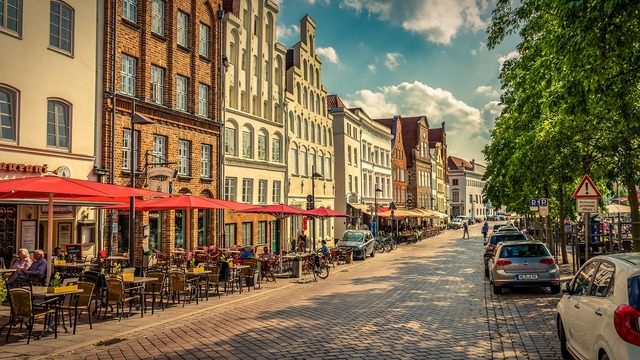
restaurant location

Before finalizing your restaurant theme, you must ensure the project’s feasibility. If you have shortlisted a particular location, survey the area and see how other restaurants are doing in the neighborhood. Explore the demographics to understand the dining preferences of the locals. Accordingly, you will know if your concept will find any takers amongst your target clientele.

C. Keep it consistent

Irrespective of which theme you select for your restaurant, ensure that all the design elements are consistent and reflect your theme. Rather than considering different aspects like menu design, restaurant furniture, interior, uniform, service, dishes, etc., separately, imagine how they contribute to your theme collectively. Even if you get nine things out of 10 perfect, the guests will notice that one thing you didn’t excel at.

What makes a Successful Restaurant Concept?

I. Name of your restaurant

Before your guests can step inside your restaurant and experience your food, ambiance, or service, the first thing they notice is its name. Therefore, you must get your restaurant’s name right. It should identify with your restaurant’s theme or cuisine and reflect what your guests can expect. Try to keep it simple yet catchy, traditional yet modern.

II. Menu Design
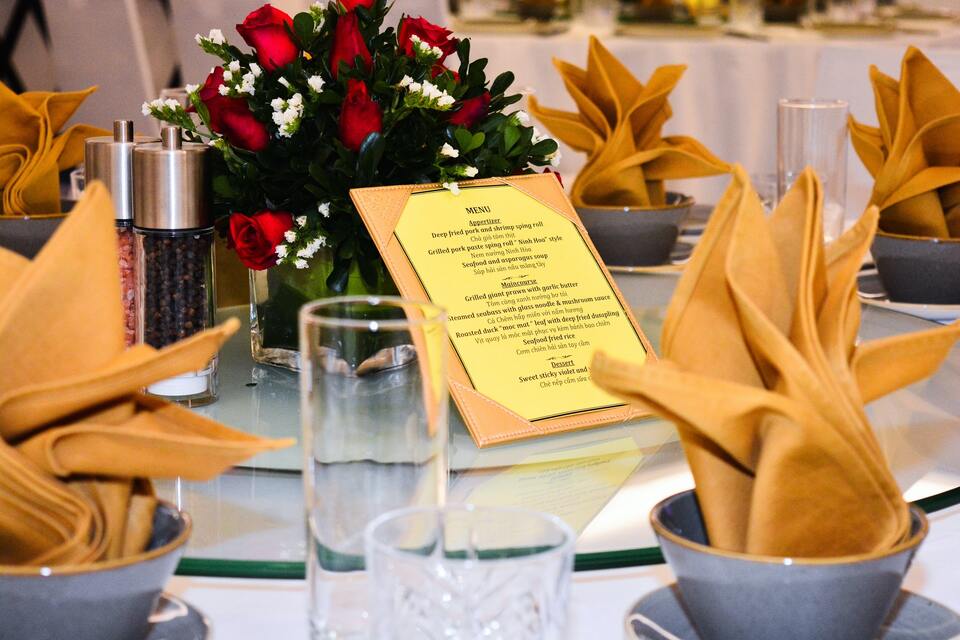
restaurant menu

More often than not, menu design is an after-thought in restaurant design. Menu designing is a separate art in itself, right from naming the dishes to formatting the menu card. Your restaurant’s menu should reflect its theme and target customers. For example, a casual-fast style or a family restaurant may name its food items after local tourist attractions or famous personalities. Similarly, a fine-dining restaurant’s menu might include descriptions of the ingredients or preparation along with some trivia.

III. Your restaurant décor

Your restaurant décor or ambiance holds the entire theme together. Therefore, it’s crucial that all design elements like restaurant furniture, lighting, colors, etc., blend seamlessly. For example, if yours is a beach-front restaurant specializing in seafood, you can opt for nautical décor. Similarly, if you select an eco-friendly theme, consider outdoor dining with lots of greenery.

Summing It Up

Whether you are planning your upcoming restaurant or remodeling your existing one, consider a theme-based setup. It invigorates or excites your customers and gives your restaurant a unique brand image. This article gives you an idea about the popular themes for restaurants across the US and guides you on different design considerations while planning a theme-based restaurant. Hopefully, these points will guide you to select the perfect restaurant theme that offers a unique, memorable dining experience to your guests, and results in a profitable business.

FAQs

What are good themes for a restaurant?

Always look for restaurant theme that matches the vibe and food style of your restaurant. Some of the good themes are Popup restaurants, Fast Casual, café or bistro etc.

What are the advantages of a themed restaurant?

Themed restaurants are hard to forget. Unique experience given to guests will create buzz and increase brand awareness, which in turn will help attract new customers.

Are themed restaurants profitable?

Theme based restaurants has potential for higher profits in relatively short time period which in turn help the franchise to create their own brand name.

What makes a restaurant stand out?

The restaurant’s concept will be its biggest differentiator. We recommend going through different restaurant theme ideas according to the budget and the clientele profile to gain a competitive advantage.

How to test a restaurant concept?

Our experts suggest performing a survey and studying the clientele in detail to decide which restaurant theme will be the best. Incorporating an untested theme may result in cohesion between the restaurant brand and the target clientele.
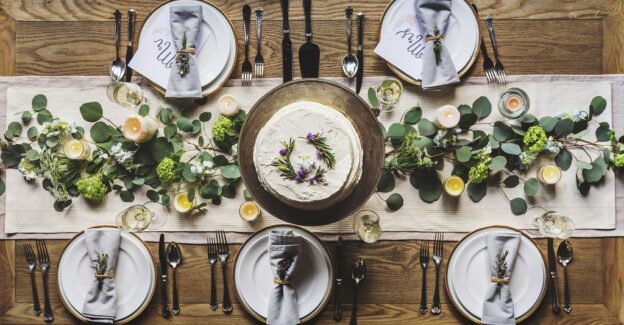
wood tables

7 Types of Restaurant Table Setup to Leave a Lasting Impression on Customers

First impressions matter. We strongly believe in this quote, especially regarding table settings. The way everything is arranged greatly influences the overall ambiance. Paying close attention to detail highlights cleanliness and organization. Conversely, a messy table setup can instantly ruin the mood. A host’s first responsibility is to create the right ambiance in a restaurant. And a proper type of table setting has a huge role to play in this!

Service quality and dedication are reflected in a well-arranged table. Attention should be given to the smallest details, from napkins to tablecloths and silverware. It greatly influences the comfort offered to customers. That’s why we have compiled a detailed list of the types of restaurant table settings we can have. This guide will help readers understand the dynamics of different table settings. We have included seven different styles of setting up tables, from casual to fine dining.

What are the restaurant table setting types?

Detailing the components is the key to setting a table in a restaurant. But to do so, it’s crucial to learn about the varied setting types and what they entail. For instance, a fine dining setting will never be the same as that of a themed restaurant table setup. That’s why we have briefly described the seven most popular table-setting types below.

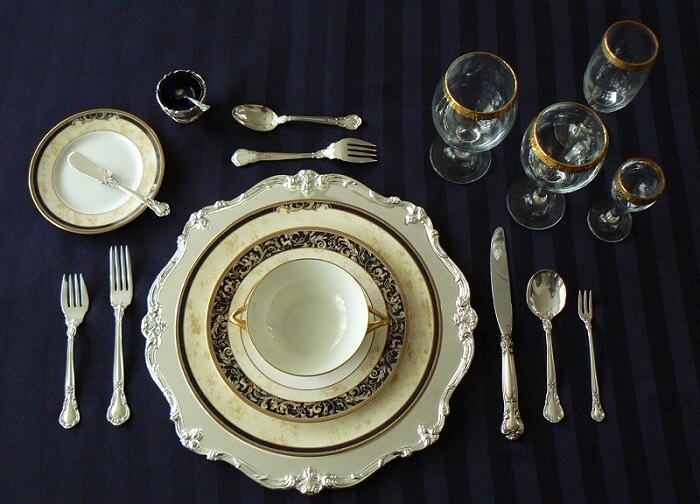
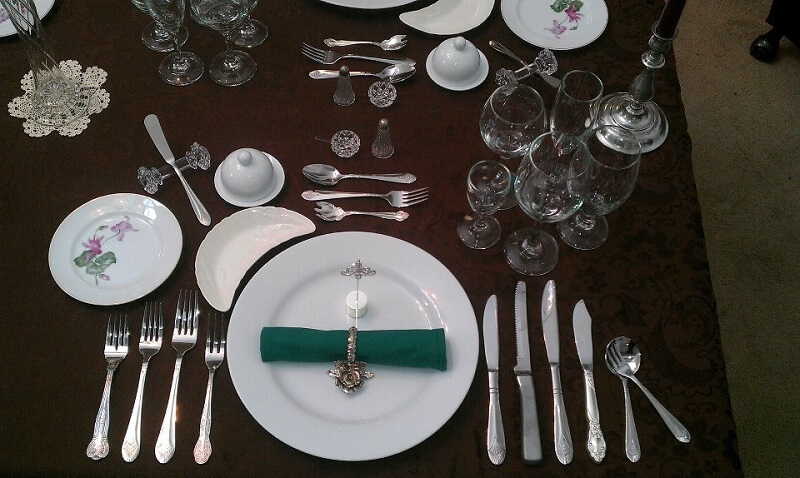
1. Formal Table Setting

This type of table setting is the preferred choice for weddings, fine-dining restaurants, and corporate parties, etc. The formal table setting is the most symmetrical and well-balanced and requires the maximum number of utensils.

Formal-table-setting
  • The centerpiece goes in the middle of the table.
  • Each of the placemats lies near the edge paralleled and in a straight line. The formal table setup uses a charger plate to serve the salad course, soup course, etc.
  • Folded napkin in a triangular or square pattern along with the menu card goes on the top of the charger before serving the meals.
  • Starting from the edge of the table, place the salad fork, fish fork, and dinner fork on the left side of the charger.
  • Similarly, on the right side of the charger, place the soup spoon, salad knife, and dinner knife starting from the outer edge of the table.
  • Other utensils like butter knife and plate, dessert spoon and fork, glasses, etc. go on the top of the charger.

2. Casual / Informal Table Setting

An informal or casual table setup fits perfectly for dinner parties, casual weddings, and family occasions. These types of table setting requires fewer utensils and gives you more flexibility in arranging them on the table.

Casual-table-setting
  • Although the charger is optional, you provide the service plate for serving the salad course, soup course, etc.
  • Just like the formal setting, a napkin goes on the top of the service plate along with the menu card.
  • On the left side of the service plate, keep the salad fork at the outer edge and dinner fork on the immediate left of the service plate.
  • Put the soup spoon, salad knife, and dinner knife starting from the outer edge of the table on the right side of the service plate.
  • Dessert teaspoon, water, and wine glasses go at the top of the service plate.

Some of the major type of informal table settings restaurants usually have to do are:

  1. Family-style table setting: This will require a setting of a minimum of four people. Everything, including the tablecloth, napkins, and centerpiece should be sharp and prominent.
  2. Casual daytime setting: This setting should focus on coziness and freshness. Using vibrantly colored tablecloth and a flower vase as the centerpiece will be best.
  3. Café/Bistro-Style: Café styled table setting usually focuses on smaller elements. We recommend using tableware specific for beverages and light snacks.
  4. Breakfast Table Setting: A breakfast table setup offers a convenient and functional way of arranging basic utensils on the table. Although the types of table settings don’t need to look lavish or expensive, you can arrange the basic, minimum utensils on the customer’s table.

    – Place the plate at the center along with the fork and napkin to its left.
    – Keep the other types of silverware like the butter-knife or spoon on the right side of the plate.
    – Put the glasses for juice, water, and bowls for cereals on the top of the plate.

3. Buffet Table Setting

Whether you are serving your guests or it is a buffet dinner, buffet table setup is perfect for customers who like to get the food on their own. Customers’ tables include just the essential utensils as spoons, forks, plates, etc. are stacked at the end of the buffet line.

buffet table setting
  • As the guests pick up the plates and food from the buffet table, there is no charger or service plate on their table.
  • In the center of the table, place the folded napkin and menu or name card on the plate. Alternatively, you can stack the napkins on the buffet table as well.
  • Starting from the outer edge, place the salad fork first, and then the dinner fork on the left of the plate.
  • Similarly, keep the dinner knife on the immediate right of the plate, followed by the soup spoon.
  • Water and wine glasses go at the top of the plate.

4. Party Table Setting

A party-styled restaurant table setup should contain fun and celebratory elements. These will set the right mood and lighten up the air. Since parties often have a specific theme, the table elements should also follow the same pattern or trend.

  1. Placemats and tablecloths should complement the party theme. 
  2. Napkins can be folded creatively, like in the shape of a bird or a flower. 
  3. Flatware and dinnerware should have complementary colors and patterns. 
  4. Themed drinkware and colorful glassware can be incorporated into a party table setup. 
  5. We recommend using a statement centerpiece, such as a themed sculpture or an elegant floral arrangement. 

Party table settings can be further categorized into three different styles. 

  1. Cocktail table settings: These table setups require finesse and meticulous attention to the details. Every element, including dinnerware, tablecloth, and centerpieces should match the color theme. 
  2. Kids’ party table settings: A kid’s party table setup can be boosted with decorative elements. These may include confetti, themed signage, or streamers. 

Themed party settings: Special party setups can have specific themes. For instance, an anniversary party table setting may have bold colors and patterns.

5. Pizzeria Table Setting

One of the favorites for many people across the globe, a pizzeria table consists of the most basic restaurant table setting serving the guests. The most popular set up consists of one each of a plate, knife, fork, spoon, glass, and napkin.

Pizzeria-table-setting
  • Put the fork on the left of the diner’s plate with a napkin underneath it.
  • Place the knife and spoon on the right side of the plate.
  • The glass goes in the upper right corner of the plate above the knife.

6. Outdoor Table Setting

This table setting type is also known as Alfresco dining setup. It requires a few special considerations in the outdoor restaurant furniture given the fact that everything needs to be outside. Using the regular furniture or tablecloth won’t be feasible. Comfort does take the top priority. But it’s important to create a table setup that allows people to enjoy both food and the outdoor ambiance.

  1. Furniture like tables and chairs should be weather-resistant and durable. We would also like to add a few seat cushions for more comfort. 
  2. unbreakable acrylic glasses will be best for an outdoor table setup. 
  3. Acrylic or vinyl tablecloth and placemats are the best option. These are spill-resistant and can add a comforting touch to the aesthetics.
  4. For centerpieces, we would recommend using flower vases with green twigs to complement the natural surroundings. If it’s nighttime, a candlestick arrangement would also do the magic. 
  5. Lanterns and small mason jar lamps can create a magical experience for the guests.

7. Themed/ specialty table setup

This is one of the most exciting arrangements among the 7 types of table setup. We believe it gives enough independence to the hosts for customization. The choice of tablemats or centerpieces can be aligned with the specific theme. Here are a few key themes usually preferred in restaurants.

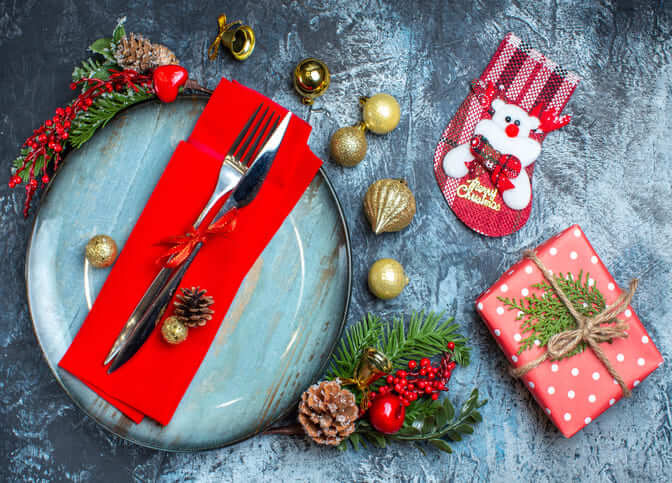
  1. Christmas-themed table setup: For this, we would recommend following the specific color scheme: white and red. Tablecloths and glassware having intricate gold detailing will add more value to the aesthetics. Centerpieces can include Christmas-scented candles for more coziness.
     
  2. Halloween-themed table setup: This type of table setting will require fun and spooky elements. A decorative pumpkin-shaped centerpiece will do wonders for the entire restaurant table setting. We also recommend using spooky decorations like a skeleton-printed tablecloth for added fun.
  3. Birthday-themed table setting: Fun and exciting décor will be the key to unlocking the perfect table setup for birthdays. We would recommend going with the color code of the event. Glassware and dinnerware should be shatterproof so that they won’t break easily. As for centerpieces, a Balloon bouquet or a decorative cake display would be amazing.

What is the Table Setting Etiquette?

Understanding the basic dining etiquette for setting up a restaurant table can help your business grow substantially. Irrespective of the type of table setting, here are the most elementary guidelines for how to set up tables.

table setting etiquette
  • Arrange the utensils in the order your guests will use them. For example, since you will serve the salad first, place the salad fork at the outer edge before the dinner fork.
  • Keep the forks on the left side.
  • Except for the butter knife that goes on the top of the plate, place all knives on the right side with their cutting blade facing the plate.
  • The spoons should always be placed on the right hand side of the plate.
  • Align utensils by their bottoms and maintain a gap of at least one inch between them.
  • Select the proper, suitable table sets and utensils. Keep only the utensils that go with the dishes that you will be serving. For example, if there is no salad, don’t put the salad fork on the table.

Select the Proper and Suitable Table Sets

While the points above highlight the importance of table settings according to the occasion, you must not underestimate the selection of suitable types of table setting for your restaurant. Table sets that match with your restaurant design are crucial in providing the best dining experience to your guests. Well-selected table sets not only enhance your restaurant layout, but they also set the tone for a memorable time during their stay. Depending on the theme you wish to create in your restaurant, you can choose from several table sets in vintage, modern, retro, or industrial design styles. Moreover, you get plenty of style, finish, color, and shape options in table sets made from materials like wood, plastic, or metal.

Table Settings According to the Restaurant Types

Apart from setting tables according to the occasion, must ensure the type of restaurant too for the appropriate décor. As restaurants have their separate sets of target customers, ambiance, working atmosphere, etc., their tables must reflect that as well. Let’s quickly take a look into the traits of some of the most common restaurant types

  • For Fast Food Restaurants: Since fast food restaurants are designed for quick meals or takeout, there’s no need to set tables. You can use paper bag or plastic trays to serve food with disposable cups and silverware. Laminated restaurant tables are ideal for such setting as they are easy to clean during rush hours and require minimum effort to maintain.
  • Casual Dining Restaurants: In casual dine-in restaurants and cafes, you usually serve food in disposable or easy-to-clean plates and baskets. In such setups, you can use casual silverware and paper napkins to set up your table with minimal effort. Padded tables made from laminate, resin, aluminum, etc. are affordable and yet give a premium look and feel to your customers.
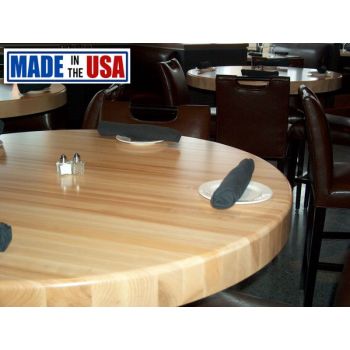
  • Fine Dining Restaurants: In formal dine-in restaurants like steak house, you have to ensure that the table is set up perfectly. These arrangements includes use of cloth napkins with high-quality silverware. Similarly, use nice plates with matching glassware for serving foods to your guests. In such restaurants you can opt for tables made from butcher block, granite, quartz, and many more. The tables with upholstered wood chairs that look elegant, reflect luxury, and offer maximum comfort can also be used.

Pay Close Attention to the Table Setting as per the Occasion

As you might have understood by now, the bottom line of table setting is to arrange various items. These 7 types of table setups include items like silverware and other essentials on the table according to the occasion. By paying close attention to a restaurant’s table setting and the type of occasion, you can gain an advantage over competitors. It not only boosts your confidence but also creates a good first impression for your guests. Properly set tables complement the restaurant’s design and ambiance, making it visually appealing for your guests. Hopefully, by taking note of the points mentioned above, you will be able to provide the best dining experience for your guests and run a profitable business.

FAQs:

Q. What is basic table setup?

A basic table setup includes four essential items: a fork, knife, spoon, and napkin beside the plate.

Q. What are the 5 types of table setting?

The five most common table settings are formal, informal, Basic, Buffet and Five-course.

Q. Why table setting is important for restaurants?

Table settings are quite important to ensure that your customers are comfortable, it helps you create customer friendly atmosphere and sets the customer expectations right.

Q. What is the golden rule of table setting?

The golden rule of a simple table setting is to work from the outside in. It means the outermost utensil should be kept first and then gradually moved to the inner side.

Restaurant Reputation Management Tips for Business Growth

12 Key Restaurant Reputation Management Tips That Really Work

A restaurant’s reputation can make or break its success. Online reviews and social media hold significant power. Through these, you need to manage your restaurant’s reputation. A strong reputation attracts new customers, retains loyal patrons, and boosts your business’s credibility. On the flip side, a poor reputation can deter potential diners and harm your bottom line.

In today’s post, I will talk about 12 essential restaurant reputation management tips. This guide will help you maintain a positive image, respond to feedback effectively, and ensure your establishment stands out for all the right reasons. Implement these strategies. Safeguard and enhance your restaurant’s reputation.

Let’s start the discussion.

What is Restaurant Reputation Management?

Restaurant reputation management involves monitoring, influencing, and improving how a restaurant is perceived by customers and the public. It includes handling online reviews, engaging on social media, and ensuring customer satisfaction. You should show that your restaurant can address negative feedback promptly, highlight positive experiences, and maintain a strong, favorable image. Effective restaurant reputation management helps build trust, attract new customers, and retain loyal patrons. All these ultimately contribute to the restaurant’s long-term success. This proactive approach ensures that the restaurant consistently meets customer expectations and stands out in a competitive market.

Important Restaurant Reputation Management Tips

Managing your restaurant’s reputation is essential. It helps you attract and retain customers. Here are 12 tips to help you maintain a positive image and ensure long-term success.

1. Optimize Your Online Presence

Optimize Your Restaurant's Online Presence

Have a user-friendly and updated website for your restaurant. Maintain profiles on review sites like Yelp and Google. Use SEO strategies to improve search visibility.  These restaurant online reputation management tricks make it easier for potential customers to find you. An online presence enhances your restaurant’s reputation. Your restaurant’s online reputation builds a strong first impression and attracts more visitors.

2. Ask Customers for Reviews

Ask Customers for Reviews your Restaurant

Encourage satisfied customers to leave positive reviews on platforms like Google, Yelp, and TripAdvisor. Provide simple ways for them to share their experiences, such as links on receipts or follow-up emails. Positive reviews enhance your restaurant’s reputation and attract new customers by showcasing real, happy customer experiences.

3. Regularly Monitor Your Reviews

Regularly check platforms like Yelp, Google, and TripAdvisor. This way you can stay on top of your online reviews. Use tools that alert you to new reviews. Such alerts help you respond promptly. Monitoring reviews helps you understand customer sentiment. You can address their issues quickly, and maintain a positive image.

4. Swiftly Respond to Negative Reviews

Address negative reviews promptly and professionally. Apologize for any shortcomings. Offer solutions or compensations if necessary. Swift responses show that you value customer feedback. It also proves that you are committed to improving their experience. This way, you can mitigate damage to your reputation and turn dissatisfied customers into loyal patrons.

5. Keep an Eye on Social Media

Social media promotion

Monitor your social media channels regularly. It helps you stay updated on what customers are saying about your restaurant. Engage with followers. Respond to comments and messages. Active social media management helps you build a positive online presence and quickly address any concerns. Consequently, you can enhance your restaurant’s reputation.

6. Encourage Positive Reviews

Encourage Positive Reviews

Motivate happy customers to share their positive experiences online. Offer incentives like discounts or freebies for leaving reviews. Highlight positive feedback on your website and social media. This showcase of customer satisfaction helps attract new patrons. It boosts your restaurant’s reputation.

7. Team Up with Influencers and Food Bloggers

Collaborate with local influencers and food bloggers to reach a wider audience. Invite them for a meal. Ask them to share their experiences online. Positive mentions from trusted influencers can significantly boost your restaurant’s reputation and visibility. As a result, it attracts new customers.

8. Host Events and Promotions

Organize events and promotions to attract new customers and generate buzz. Special events can create memorable experiences for customers. These lead to positive reviews and word-of-mouth recommendations. Promotions can also encourage repeat visits and customer loyalty. It enhances your restaurant’s reputation.

9. Keep an Eye on Competitors

Regularly check what your competitors are doing to manage their reputation. Learn from their successes and mistakes. In short, understand the competitive landscape. This helps you stay ahead and adopt best practices. This proactive approach ensures you continuously improve and maintain a favorable image in the market.

10. Run a Public Relations Campaign

Invest in a public relations campaign to boost your restaurant’s image. Share your restaurant’s story, values, and achievements with the media. Positive press coverage can enhance your reputation, attract new customers, and differentiate your restaurant from competitors. It ensures sustained interest and patronage.

Also Read: Top Restaurant Marketing Ideas to Elevate Your Brand

11. Improve Efficiency with Artificial Intelligence

Utilize AI tools to streamline operations and enhance customer service. AI can help you manage online reviews, personalize marketing efforts, and optimize your menu. Improved efficiency and customer experience can lead to better reviews and a stronger reputation. This gives your restaurant a technological edge.

Also Read: How Will Restaurant Technology Evolve in 2024?

12. Prioritize Consistency and Quality

Ensure that your food, service, and ambiance consistently meet high standards. Train your staff and maintain quality control. Deliver excellent experiences consistently. This will earn you loyal customers and positive reviews. It also strengthens your restaurant’s reputation over time, and ensures ongoing success.

Restaurant Reputation Management Tips Explained

Effective restaurant reputation management is an ongoing process. It requires dedication and proactive strategies. Optimize your online presence, engage with customers, and improve your service. This way, you can build and maintain a strong, positive reputation. The above-discussed tips will help ensure your restaurant stands out for all the right reasons. A successful restaurant reputation management process attracts new customers. It also retains loyal patrons, ultimately driving your business’s long-term success.

Also Read

  1. Restaurant Safety Checklist Follow Every Owner
  2. 7 Signs to Know How Often You Should Update Restaurant Furniture
  3. How to Run a Profitable Restaurant Business during the Slow Season

Explore Restaurant Safety checklists to Create a Secure Dining Experience

Restaurant Safety Checklist: Follow Every Owner

A restaurant involves more than just good food and service. Safety is crucial for staff and customers. A comprehensive restaurant safety checklist can prevent accidents and keep everyone safe. From kitchen hygiene to fire safety, every detail matters.

These guidelines protect your business and reputation. Prioritize safety to create a safer dining experience. In today’s post, I will discuss a restaurant safety checklist. Follow its steps. Eventually, your restaurant will thrive while keeping everyone secure. You can make safety a priority and watch your business grow.

Let’s dive in.

Why Safety Matters in Restaurants?

Safety matters in restaurants. It protects both employees and customers. Accidents and injuries at restaurants may lead to costly lawsuits. As a result, this damages the restaurant’s reputation. Thus, you need to ensure a safe environment. This will reduce the risk of accidents and injuries.

Consider proper safety measures. Maintain clean kitchens. Use well-maintained equipment. This way, you can prevent foodborne illnesses. This practice also ensures high food quality.

Fire safety protocols can save lives and prevent property damage. Additionally, a safe workplace boosts employee morale and productivity. Productive staff delivers better service and customer satisfaction. Customers feel more comfortable. They are likely to return if they know the restaurant prioritizes their well-being. In short, safety is key to running a successful restaurant.

How to Create a Restaurant Safety Checklist

Your restaurant should have a safe and efficient environment. And for this, you must follow a restaurant safety checklist. You can protect your staff and customers from potential hazards. Here are some key safety rules and tips:

1. Train Your Employees in Restaurant Safety Procedures

Provide Safety Training for Your Restaurant Team

Train your restaurant employees well. This is important in restaurant safety procedures. Ensure everyone knows the restaurant safety rules and practices. Regular training sessions help staff understand safety protocols.

They will be aware of various things, from handling food properly to emergency responses. Encourage open communication about safety concerns. Provide written materials and visual aids to reinforce learning. Prioritize training to create a culture of safety. Well-informed employees can identify and address potential hazards. This will reduce the risk of accidents.

Ongoing education keeps everyone updated on the latest restaurant safety tips and best practices. This investment in training protects your staff and customers. It also enhances your restaurant’s reputation.

Also Read: Important Tips on How to Train Your Staff to Maintain Restaurant

2. Operate Restaurant Equipment Safely

Handle Restaurant Equipment Safely

Follow the manufacturer’s instructions and safety guidelines for each piece of equipment. Regularly inspect and maintain appliances. Make sure the appliances are in good working condition.

Train employees on the correct use of all equipment. Emphasize the importance of safety procedures. Establish clear protocols for reporting and addressing equipment malfunctions. Implement restaurant safety rules, such as wearing appropriate protective gear when handling hot or sharp objects.

Use safety guards and emergency shut-off switches where applicable. Adhere to these restaurant safety tips. This practice can significantly reduce the risk of injuries and improve overall workplace safety.

3. Kitchen and Food Safety

Kitchen and Food Safety for Customer

Implement strict hygiene practices. This will prevent foodborne illnesses. Regularly clean and sanitize all kitchen surfaces. Make sure the utensils and equipment are clean as well. Store food at appropriate temperatures.

This will prevent spoilage. Train staff on proper handwashing techniques. Ensure they are aware of the importance of wearing gloves when necessary. Follow restaurant safety rules. You should separate raw and cooked foods.

You should know how to prevent cross-contamination. Ensure all food handlers are aware of and follow these guidelines. These restaurant safety tips help protect your customers’ health. Food quality stays high. In the end, you can uphold your restaurant’s reputation.

Also Read: FREE Restaurant Cleanliness Checklist

4. Practice Restaurant Fire Safety

Install and regularly maintain fire extinguishers and smoke detectors. Conduct routine fire drills. This will help staff know the emergency evacuation plan. Keep exits clear and accessible at all times.

Train employees on how to use fire safety equipment. They should also be aware of the importance of reporting potential fire hazards. Follow restaurant safety rules like keeping flammable materials away from heat sources.

Regularly inspect electrical systems and kitchen equipment. These practices will prevent fire risks. Implement these restaurant safety tips. These will help you respond quickly and effectively in case of a fire. You can minimize damage and ensure everyone’s safety.

5. Prevent Common Restaurant Injuries

You need vigilance and adherence to safety protocols. Slips, trips, and falls are frequent hazards. Therefore, keep floors clean and dry. Use non-slip mats in high-traffic areas. Make sure everyone at your restaurant wears proper footwear.

Train staff on safe lifting techniques. These help them avoid strains and sprains. Follow restaurant safety rules, such as properly storing sharp objects and hazardous materials. Regularly inspect the premises for potential dangers. If there are any issues, address them promptly.

Encourage employees to report any safety concerns immediately. Implement these restaurant safety tips. Create a safer working environment. Reduce risk of injuries at your restaurant. Promote a culture of safety.

6. Provide Your Employees with Safety Equipment

Equip staff with items like non-slip shoes, gloves, and aprons. These will protect them from common hazards. Ensure that all protective gear meets safety standards.

These should be in good condition. Train employees on the proper use and maintenance of safety equipment. Regularly check and replace worn-out gear. Make all the equipment easily accessible.

This way, you can encourage a proactive approach to safety. Adhere to these restaurant safety tips to protect your staff from injuries. They also promote a sense of security and confidence in the workplace.

Restaurant Safety Rules Explained

To make your mark in the restaurant business, following safety rules is a must. When you follow restaurant safety tips, you can protect your staff and customers.

A comprehensive safety checklist covers training, equipment, kitchen practices, fire safety, injury prevention, and safety gear. Prioritize these safety rules.

This way, you can avoid accidents. Above all, your restaurant’s reputation will improve. Remember, maintaining a safe environment at the restaurant is a continuous effort. Regularly update and review your safety practices.

With these restaurant safety tips, you can maintain a safe and thriving establishment. Good luck for your endeavors!

Also Read:

1. Maximize the Restaurant Table Turnover

2. Key Elements of a Restaurant Business Plan

Rooftop Restaurant Design Ideas

Top 6 Rooftop Restaurant Design Ideas You Can’t Ignore

A well-designed rooftop restaurant and bar attracts more customers. It creates a unique experience and boosts your brand’s appeal. This post will guide you with rooftop restaurant and bar design ideas. You’ll learn how to maximize your space, use lighting effectively, and create a stunning atmosphere. Whether you’re just starting or looking to revamp, these tips will inspire you. So, what are you waiting for? Follow this guide and create charm in your bar & restaurant. Stand out in the competitive market.

Without further ado, let’s explore innovative ways to make your rooftop restaurant and bar the go-to spot for unforgettable dining and entertainment.

Why Are Rooftop Restaurants and Bar in Demand?

Rooftop restaurants and bars are in high demand due to their unique dining experience. Guests enjoy panoramic views, fresh air, and a relaxed atmosphere. This setting creates a memorable outing. It stands out from traditional indoor dining.

Additionally, rooftop spaces offer versatility in design. Owners can get creative with rooftop restaurant design ideas. They can incorporate greenery, stylish furniture, and modern lighting. These elements enhance the overall experience and attract more patrons.

The appeal also extends to events and gatherings. Rooftop venues provide a stunning backdrop for parties, weddings, and corporate events. The combination of a beautiful setting and thoughtful rooftop restaurant interior design ensures a steady stream of customers seeking both casual and special experiences.

Top 6 Simple Rooftop Restaurant & Bar Design Ideas You Must Try

Transform your rooftop restaurant or bar into a standout destination. Here are six simple rooftop restaurant and bar design ideas. Follow these tips. Elevate your space. Captivate your guests with stunning views, comfortable seating, and creative decor.

1. Consider the View

Rooftop restaurant stunning view

This is one of the simplest yet most impactful rooftop restaurant and bar design ideas. You must consider the view. An open terrace restaurant design should maximize the surrounding scenery.

Arrange seating to face the best views, whether it’s a city skyline, a beach, or a mountain range. Use glass railings. These will help avoid obstructing the scenery. Comfortable seating chairs and cozy lighting enhance customer experience.

Guests can enjoy the view both day and night. Moreover, this way, you can create a memorable dining atmosphere that draws customers and keeps them coming back for more.

2. Create a Comfortable Ambiance view

Create a Comfortable Ambiance

A comfortable ambiance is crucial for a rooftop restaurant or bar. Start by adding comfortable furniture. Choose plush seating, like sofas and cushioned chairs.

These will make guests feel at ease. Incorporate tables at various heights to accommodate different dining preferences. Use weather-resistant materials to ensure durability. Add soft lighting, such as string lights or lanterns.

These will enhance the cozy atmosphere. Don’t forget to include some shaded areas with umbrellas or pergolas. These are useful for daytime comfort.

You should always prioritize comfort in your open terrace restaurant design. This way, you can make your guests relax and enjoy their time. This leads to longer stays and more repeat visits.

3. Incorporate greenery

The right type of greenery enhances your rooftop restaurant’s ambiance. It also creates a relaxing environment. Plants and flowers bring life to the space and improve air quality.

Consider potted plants or hanging gardens. You can also opt for vertical green walls as part of your rooftop restaurant interior design. Use a mix of native and exotic plants for visual interest.

Greenery can also serve as a natural divider. They create private nooks for guests. These rooftop restaurant decoration ideas help soften the urban landscape. Your open terrace restaurant design feels more inviting and serene.

4. Utilize String Lights and Soft Lighting

rooftop restaurant with string lights and city skyline

Lighting helps in setting the mood for your rooftop space. Choose string lights and soft lighting. These create a warm, inviting atmosphere. Drape string lights overhead.

It adds a magical touch. This ambiance is perfect for evening dining. Use soft lighting on tables and pathways. This way, you can enhance the ambiance without overwhelming it.

These rooftop restaurant decoration ideas improve visibility. They also highlight key areas of your design. Incorporate varied lighting elements into your rooftop restaurant interior design. Make your open terrace restaurant design cozy and visually appealing.

5. Choose Weather-Resistant Furniture

Weather-Resistant Furniture For Rooftop Restaurant

In an open terrace restaurant, furniture must endure sun, rain, and wind. Therefore, invest in weather-resistant furniture. This ensures longevity and comfort in your rooftop restaurant.

Choose materials like teak, aluminum, or synthetic wicker. These can withstand different weather conditions. Cushions and fabrics should be water-resistant and easy to clean.

Durable furniture maintains its appearance and function. They keep your rooftop restaurant interior design stylish and practical. These thoughtful choices in rooftop restaurant decoration ideas ensure your space remains inviting and well-maintained throughout the seasons.

Also Read: What’s New in Outdoor Seating Ideas for Restaurants?

6. Add a Touch of Fun

Add a Touch of Fun For Your Rooftop Restaurant and Bar

Incorporate playful elements to make your rooftop restaurant or bar a memorable destination. Add a fire pit. It creates a cozy gathering spot. This is perfect for cool evenings and fostering social interactions.

A giant chessboard offers a unique and interactive activity. This can entertain guests and encourage them to linger longer. A small putting green appeals to all ages.

These playful additions enhance your rooftop restaurant interior design. They make your space more engaging and enjoyable. Such rooftop restaurant decoration ideas transform your open terrace restaurant design into a vibrant and lively place, attracting more patrons.

Conclusion

Follow the above-discussed design ideas and transform your rooftop restaurant or bar into a must-visit spot. Focus on views, greenery, lighting, and fun elements.

Create a unique and inviting atmosphere. Choose weather-resistant furniture to ensure longevity. Playful additions like fire pits and giant chessboards add charm. Don’t forget to integrate these features with a practical restaurant kitchen layout to maintain seamless service.

An open terrace restaurant design enhances the dining experience. It also sets your establishment apart. With thoughtful planning and creativity, your rooftop venue can become a lovely destination for unforgettable dining experiences.

Also Read:

1. Modern Restaurant Interior Design Ideas You Can Implement on a Tight Budget

2. Good Design Tips for Busy Restaurants

3. Restaurant Bar Layout and Interior Design Ideas