Author Archives: Gayla

An image showing restaurant bar design idea and layout

20+ Restaurant Bar Design and Layout Ideas for 2025

A bar within your restaurant can open up a new section of guests for you, offering excellent opportunities. But setting up a dedicated bar is not a piece of cake. It requires extensive planning, proper layout selection, dimension consideration, and many more. 

But what tops everything is the restaurant bar design you will pick. Whether you want to make it stand out or blend seamlessly with the rest of your restaurant, the design should be inviting to the guests. A unique approach will help you draw your guests’ attention instantly and keep them engaged in your bar service. 

We have prepared a comprehensive guide below, explaining the top 21 restaurant bar design ideas. We have also shed light on the key design considerations you should pay attention to.

The Fundamentals of Effective Restaurant Bar Design

Bar Positioning and Layout Types

The bar’s position within your restaurant will determine the customer traffic and the visibility. You can opt from:

  1. Front- and center bar: Near the entrance of your restaurant or used as a central feature
  2. Freestanding: Independent bar station positioned centrally in a large space
  3. Side or corner bar: Tucked in a side wall and separate from the dining space

Apart from the position, you also need to consider the restaurant bar layout. Following are the options you have.

  1. Straight bar
  2. L-shaped bar
  3. U-shaped bar
  4. Horseshoe bar with a curvature
  5. Galley bar

Critical Bar Measurements and Dimensions

While designing a restaurant bar, do consider the following dimensions and their corresponding measurements.

  1. Bar counter height: 42 inches from the floor
  2. Bar top width: 16 to 20 inches
  3. Overhang or the guest side: 8 to 12 inches
  4. Back bar depth: 24 inches for workspace and storage
  5. Back shelf height: 18 inches from the back counter
  6. Back counter station: 36 inches
  7. Bartender work isle: 31 to 36 inches
  8. Service walkway: 42 to 48 inches

Bar Design

Investing in the correct restaurant bar design will make a real difference. While doing so, consider the following aspects:

  1. Space utilization
  2. Bar purpose and function
  3. Storage needs for equipment and liquor bottles
  4. Seating comfort for the guests
  5. The ambiance and style
  6. Furniture for the bar

Essential Zones in the Bar

While designing a restaurant bar, dividing the space into these zones can maximize efficiency and improve service speed. 

  1. Drink preparation zone
  2. Storage and refrigeration zone
  3. Dispensing and service zone
  4. Display and merchandising zone
  5. Cleaning and sanitation zone
  6. Customer interaction zone

If you do not separate the areas, managing traffic movement will become next to impossible. For instance, let’s say the refrigeration zone is far away from the kitchen or the bar. So, it will take multiple round trips for your employees to gather the frozen ingredients required to prepare the orders. Unnecessary delays will be introduced and that may affect the guests’ experience. So, dividing the restaurant into these zones is of the utmost importance for efficient workflows.

Restaurant Bar Design Ideas in 2025

1. Night Club Bar Design
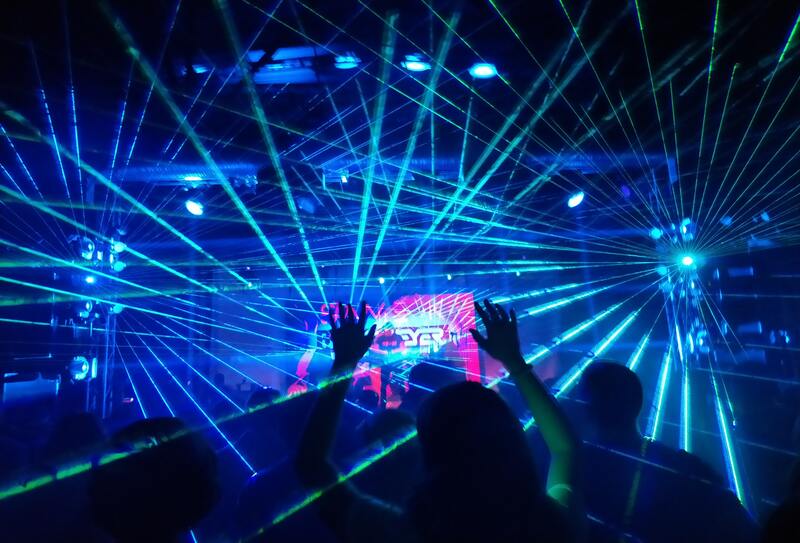
Night club interior design

Night clubs are the lifeline of youth and are becoming extremely popular. Characterized by live music, DJs, or dance floors, nightclubs focus on younger audiences. Whether hanging out with friends or chilling with office buddies after a long day at work, nightclubs are a great place to unwind and socialize.

  • Ambiance: The ambiance of a nightclub is the balance of a luxurious lounge and a wannabe club. Loud music, dim lighting, and complementing dark interiors call for a stimulating experience.
  • Bar Design: A bar counter is the nightclub’s highlight and sets the tone for your guests’ experience. Colorful lighting and neon-lit LEDs against a dark wall with geometrical patterns add the oomph to the bar design.
  • Bar Furniture: Intimate restaurant diner booths and upholstered chairs in darker hues make for a cozy and private seating experience in a nightclub. Create an exclusive area by adding velvet curtains that complement the bar décor. Also, offer a relaxed atmosphere by placing padded restaurant chairs and coffee tables for guests who just want to enjoy a few drinks.

2. Sports Bar Design

sport bar interior design

Sports bar combines drinks and viewing sports on television. Whether a specific tavern or a general adaptation of a famous watering hole, customers gather in a sports bar to watch a televised event and enjoy drinks with their friends. As sports bars cater to a specific clientele, you must know how your customers perceive your restaurant and have a clear business objective.

  • Ambiance: Sports bars have unparalleled energy and an exciting ambiance. Apart from witnessing the sporting event live in the stadium, sports bars are the next best thing. Most sports bars have HD television sets or projector screens with surround sound systems to replicate a stadium’s electrifying atmosphere. Dim lighting in the interior ensures that your guests concentrate on the game visually. Also, consider embracing the bar’s wall with autographed pictures, posters, memorabilia like t-shirts, etc.
  • Bar Design: The interior design for a sports bar depends on its theme, so pick one first. Once you know the theme, you can choose the color, décor, and other accessories like trophy replicas, memorabilia, etc. The success and popularity (or the lack of it) of a sports bar depends on its entertainment and lively experience. One of the popular sports bar interior design ideas is to add fun activities like air-hockey tables, pool tables, or video games for an engaging experience.
  • Bar Furniture: Customers usually spend at least a couple of hours throughout the sporting event, and bar furniture should be comfortable. More than their visual appeal, sports bar furniture should focus on being comfortable, practical, and functional. Ladder-back metal bar stools or backless swivel bar stools are popular choices as they are space-efficient and compact in design. Rather than going for big furniture pieces, go for sleek designs to maximize the seating capacity.

3. Urban Restaurant Bar Design
Urban Restaurant Bar Design

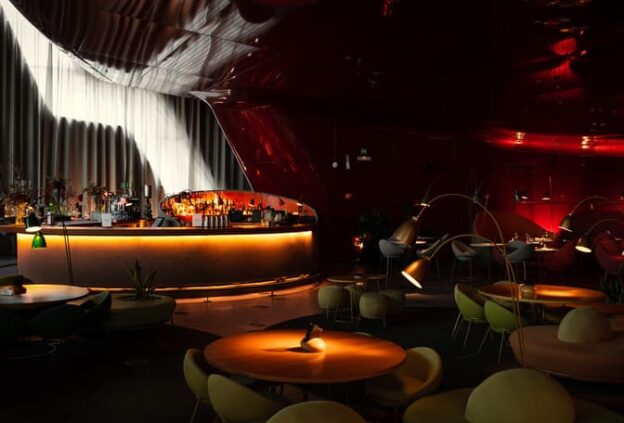
An urban restaurant bar design fuses contemporary and vintage appeals. The sleek, minimalist interior design of such a bar balances a glamourous look and a comfortable dining experience. A mixture of modern and industrial design influences, this design creates an elegant and savvy atmosphere in your bar.

  • Ambiance: The idea of urban design in your restaurant bar is to create a relaxed and visually stunning theme. Some of the most striking traits of this design include hanging light fixtures, wall decorations, wooden floors, etc., that facilitate conversation. Neutral, balanced colors and modern style ensure that your guests feel at home.
  • Bar Design: Think of your urban restaurant bar as a quieter, airier, lighter, warmer, and more social version of a nightclub. The decorative elements are less aggressive and focus on comfort. The softer and warmer tones, mildly inspired by industrial and ultra-modern design, offer a memorable experience.
  • Bar Furniture: The furniture of an urban restaurant bar reflects comfort, sleekness, and style. From vertical slat metal chairs and matching commercial bar stools to padded chairs, furnishing pieces boast an artistic expression and elegance. Alternately, you can consider customized furniture elements that blend with the interiors for a stunning visual look.

4. Modern Restaurant Bar Design
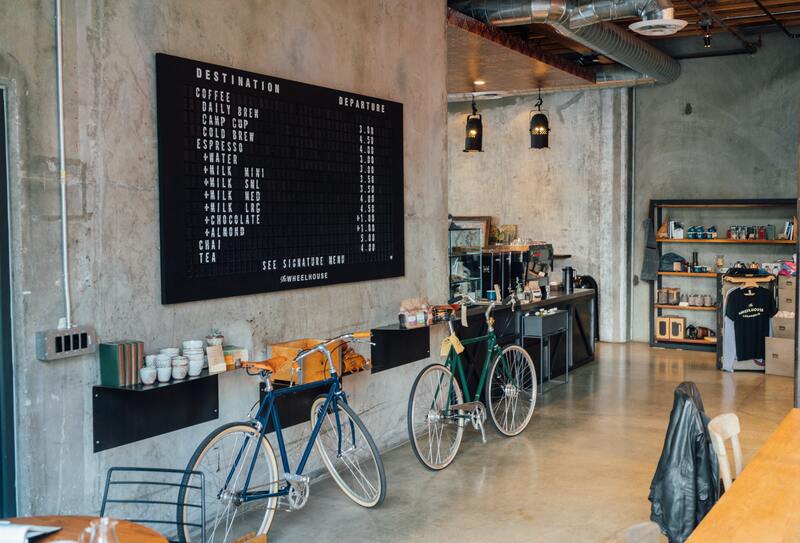
Modern Restaurant Bar Design

Modern restaurant bar interior design ideas are all about experimenting with your imagination to attract new customers. The minimalistic, trendy, colorful design not only retains your regulars but also entices new customers. The modern restaurant bar design revolves around blending furniture, light, and art pieces.

  • Ambiance: While designing the interior of a modern restaurant bar, material selection and placement of design elements are crucial. It uses accent lights that mix effortlessly with the bar counter to create a unique atmosphere. These lights can also accentuate the artwork, furniture, menu, food, wall-art, and other decorations. Other key design elements include a textured floor, bright colors, wooden seating, carpets, etc.
  • Bar Design: Furniture and bar seating layout play a crucial role in getting the desired look. A modern restaurant bar design is such that it separates or isolates the bar counters from the dining area. The design predominantly uses sharp square and rectangular shapes with occasional curves. Varnished, color-matched chairs and Restaurant tables with elegant curves provide an exquisite look to the modern bar interiors.
  • Bar Furniture: The furniture for a modern bar goes beyond the conventional black and white scheme. It typically uses a two-color scheme having contrasting hues to make the bar appear bright, roomy, and visually appealing. Consider mixing round tables with square chairs and vice versa for a mesmerizing appeal. Fabric or vinyl upholstery in modern bar furniture serves two purposes; it provides comfort and brings out a chic color palette.

5. Cocktail Bar Design
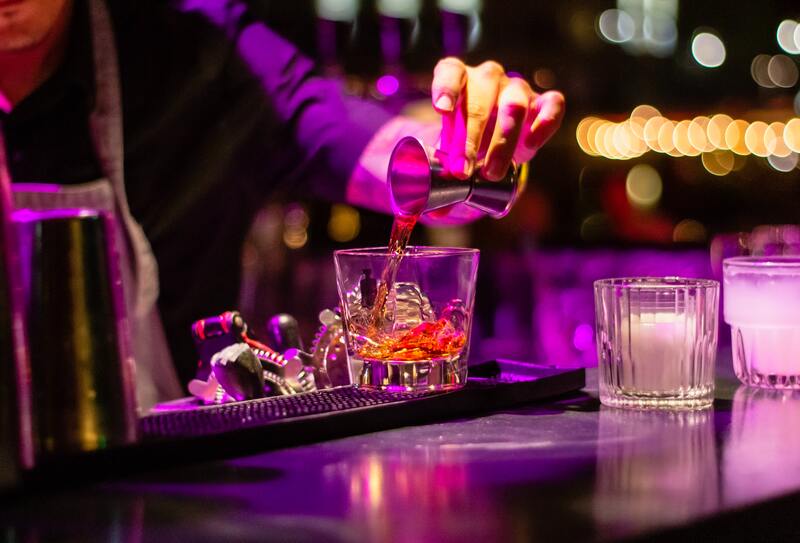
Cocktail Bar Design

Unlike regular bars, cocktail bars are high-end establishments that serve a variety of drinks in addition to bottled wines and beers. Many cocktail bars are reminiscent of the old style speakeasy. With a cocktail bar, you thrive on hosting an exclusive clientele. Needless to say, designing a cocktail bar goes beyond selecting the interiors, as it requires you to pay attention to every small detail.

  • Ambiance: When it comes to the ambiance of a cocktail bar, think about a unique experience that you wish to provide to your customers. For example, if you want a relaxed atmosphere, go for an open bar in your patio or garden. Similarly, a lounge setting is more suitable for a formal theme. Depending on the ambiance, you can select other design elements like decorations, lightings, music, etc.
  • Bar Design: With a cocktail bar, you offer a unique experience. Since it’s all about mixing exotic drinks, cocktail menu design should be your top priority. Also, being an upscale bar, there is a less margin for errors. Sleek, industrial materials complement soft décor elements like reclaimed wood for a luxurious design. A well-designed cocktail bar makes the most of the available space to maximize the speed and efficiency of your staff without them bumping with the guests.
  • Bar Furniture: A cocktail bar’s furniture must reflect the elegance and vibe of its ambiance. Rather than cramming too many furniture pieces to maximize seating capacity, give priority to your guest’s comfort. Premium swivel bar stools with matching bar tables and vintage lounge chairs are a great way to show your customers how much you care for them.

6. Retro Futuristic Fusion

This restaurant bar design amalgamates futuristic LED lights with mid-century materials like vinyl and chrome. A floating liquor shelf with a modular bar top will offer an excellent experience to your guests. Add interactive games like shuffleboard to the bar layout to take the fun statement to the next level. You can also create a 1950s-inspired cocktail menu having holographic designs. Go for a vintage-designed booth with neon pastel color statements.

Example: Electric Shuffle (London, UK)

7. Convertible Pop-up Bar

If you want to incorporate different themes in a single bar layout, this is the go-to design for you. It is characterized by modular wall panels and furniture for a quicker and more efficient setup. It’s best to opt for a hydraulic bar counter as it can be retracted with ease when necessary. Whether you want to create a retro arcade theme or a space diner, a convertible pop-up bar will make the work hassle-free.

Example: 410 Lounge at Loco (Boston, MA)

8. Multi-sensory Experience

One of the most unique small restaurant bar design idea is the one that engages multiple sensations of your guests at a time. Create an immersive storytelling experience with dynamic LED lighting synchronized with the drinks served on the counter. Go a notch up with advanced technology like a temperature-sensitive color-changing countertop. Play different sounds according to the time of the day to keep your guests engaged.

Example: Quinary (Hong Kong)

9. Art-integrated Bar

An art-inspired layout is indeed one of the most innovative restaurant bar design ideas you can leverage. A digital wall art featuring global artists or a beautifully sculpted mural with hidden stories can keep your guests glued to their place for hours. Enhance the visual appeal with contemporary sculpted cocktail glasses, immersive live performances, and customizable drink labels. Incorporate the beauty of art to make the bar layout eye-catching and inviting for your guests.

Example: 111 Minna Gallery (San Francisco, USA)

10. Underground Bar

An underground bat layout is more about creating an exciting and enigmatic experience for the customers. The lighting should be dim and can be coupled with retro-futuristic accents. You can create private booths with vintage-inspired furniture and darker color statements. A technology-based underground bar can have holographic concierge services for VIP areas. Ensure the entrance to the underground space is well-hidden so as to create the desired enigma amongst your guests.

Example: Jules Basement (Los Angeles, USA)

11. Hybrid Indoor-outdoor

Creating a hybrid bar with both indoor and outdoor zones will require elements like retractable glass walls, accordion windows, and bi-fold doors. These will easily blur the lines differentiating an indoor arena from the outside. To enhance the looks, you can incorporate potted trees and vertical gardens while adding a climate-controlled seating zone for your guests’ ultimate comfort. You can also leverage a dual-menu concept for the two very different areas.

Example: OTR StillHouse (London, UK)

12. Underwater Bars

Featuring a floor-to-ceiling glass wall, this restaurant bar interior design offers a 360-degree panoramic aquatic view to the guests. Add bioluminescent lights to mimic the ocean creatures or curved booths having chrome accents to replicate the insides of a submarine. Marine-themed drink menus can further add to the bar’s appeal, like glow-in-the-dark cocktails and edible seafoam garnishes. Do not leave the immersive ocean sounds behind as that can transform the entire space instantly.

Example: Subsix (Maldives)

13. Rooftop Farm-to-glass

This restaurant bar design capitalizes on sustainability and freshness, featuring a colossal rooftop arena with gardens and glass greenhouses. In other words, you will be growing all the microgreens and herbs in the on-site gardens. To make the place eco-friendly and add that farm touch, invest in solar panels for power. Leverage the compost-to-cocktail idea where you can use the fruit peels and other such elements to decorate the cocktails before serving them to your guests.

Example: L.A. Jackson (Thompson Nashville, USA)

14. Retro Gaming

Giving off a nostalgic feeling, this restaurant bar layout has become quite common in the 21st century. It features a perfect blend of futuristic tech and classic arcade elements so that your guests can have an immersive experience till the very end. From vintage arcade gaming machines to interactive table setups, there are many ways you can set up a retro gaming bar within your restaurant.

Example: NQ64 (Manchester, UK)

15. Floating Bar

Another jaw-dropping small restaurant bar design is the one floating on the water, either docked at the bay or stationed on a river cruise. Divide the floor into sections with a few having glass bottoms to offer your guests stunning views of the blue water underneath. Serve marine-inspired cocktails having coastal and sea ingredients like botanical seaweed infusions and sea salt.

Example: Frying Pan (New York City, USA)

16. Biophilic Greenhouse

Bring the freshness and comfort of the outside with this restaurant bar interior design. Grace the layout with herbs and tropical plants having edible flowers so that they can be used in garnishing the cocktails. Add a retractable glass ceiling mimicking a greenhouse’s architecture. It will help your guests stargaze at night while enjoying their drinks. Focus on using organic and nature-inspired materials for decorating the bar and adding a sustainable feel.

Example: The Green House (Los Angeles, USA)

17. “Stranger Things” Themed (Upside Down)

Everyone loves the web series Stranger Things. Why not make the most out of it?  As with the Stranger Things concept, an upside-down décor will be a perfect and crazy idea, characterized by an inverted ceiling, flickering fairy lights, and floating furniture illusions. Add neon LED signage with a vintage décor statement to bring out the theme’s feel. The best part will be the hidden entrance door, which will certainly spike the excitement level for your guests.

Example: Emporium Arcade Bar (Chicago, USA)

18. Stand-up Comedy Bar

If you want to create an energetic and lively ambiance, this restaurant bar design is the most feasible choice. Use an elevated stage right at the center with customizable LED backdrops, red velvet curtains, and exposed brick walls to bring out the feel of a comedy night. To help your guests interact, install personal microphones on the restaurant tables. Take the theme to the next level with a humor-inspired cocktail menu.

Example: Comedy bar (Chicago, Pittsburg, Detroit)

19. Heritage Revival

This design is the blend of modern hospitality with traditional craftsmanship and celebrates cultural heritage together with this stunning restaurant bar design. Add architectural details like vintage tiles, restored woodwork furniture, and hand-painted wall murals. Put up antique glass work and cultural relics on display as an ode to the heritage. Instead of only going generic with the cocktail menu, focus on local and historical drinks as well.

Example: The Church (New York, USA)

20. Modern Royalty

Incorporate a modern twist to the restaurant bar by leveraging an arched bar design, jewel-toned lighting, and a crystal-loaded chandelier. You can also add a few signature drinks to your cocktail menu inspired by the royal culture. Velvet bar stools, gold-accented light fixtures, and a marble countertop will make the bar look more magnificent. Provide a regal experience to your guests with personalized services and modern-day throne-based seats.

Example: The Palm Court at The Plaza Hotel (New York City, USA)

21. Luxury, Upscale Cocktail Bar

Last but not least, we have an upscale cocktail bar design that capitalizes on sleekness and minimalism. High-gloss finished surfaces, polished metal bar stools, and soft ambient lighting will do the trick. To make it more interesting, opt for a signature cocktail counter where your bartenders will become mixologists and create custom drinks for your guests. Add rare liquors and uniquely sculpted cocktail utensils to create an exclusive drinking counter.

Example: Coburg Bar By The Connaught (London, UK)

Summing it up

When it comes to the bar interior design ideas, you must avoid several pitfalls like lack of conceptualization, poor ambiance, mismatched furniture, etc. A well-designed bar uplifts your guests’ psychology, creates a brand image, and generates revenue as well.

From its type to design, from furniture to ambiance, this article discusses several aspects of planning a successful and unique restaurant bar. Hopefully, by taking notes from the points mentioned above, you will be able to stand out from your competition in running a profitable bar.

FAQs

How deep should a bar be at a restaurant?

Commercial restaurant bar ranges between 20″ to 30″ wider with an average depth of 25″

How high should a bar top be from the ground?

Ideally bar top height depends on the height of bar stools however the standard height for a bar top is 42 inches.

What are some bar layout guidelines?

Proper attention should be paid to the dimensions of any restaurant bar layout, including the width, counter height, depth, and service aisle clearance. You also need to ensure the space is utilized properly so that there won’t be a commotion in the service area during peak hours.

What is the best bar shape?

There is no one-size-fits-all bar shape available. Instead, you have to decide which one will be the best for you depending on the space availability, customer volume, bar design, and the expected workflow efficiency.

How much space should the bar have around itself?

The bar stools should have a gap of 24 to 30 inches so that your customers can relax without invading each other’s personal space. 36 to 42 inches of space should be there for the bartender work aisle. Also, the front and the back sides of the bar should be apart for at least 24 to 36 inches.

What are the dimensions of a restaurant bar design?

The typical restaurant bar design should be 42X18X48 cubic inches corresponding to width, depth, and height respectively.
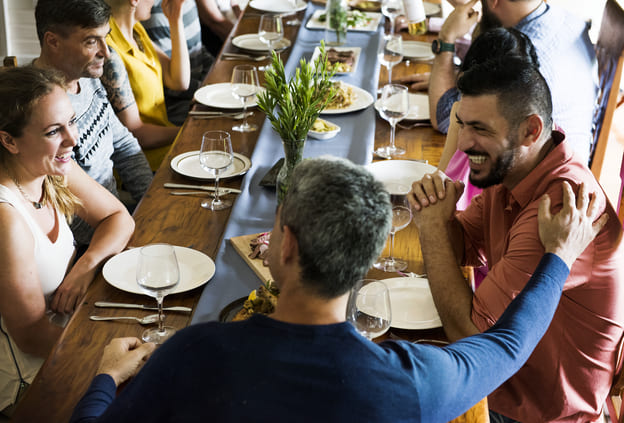
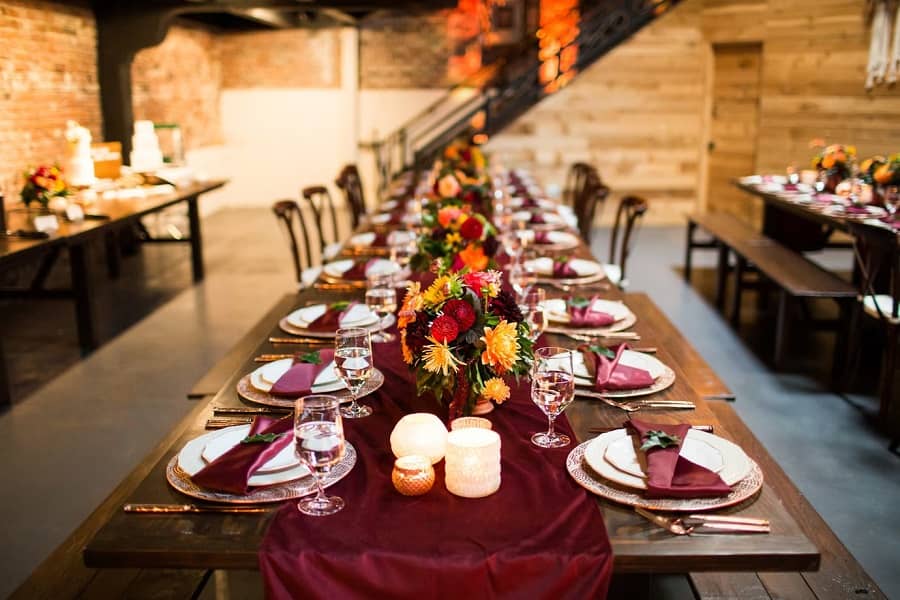
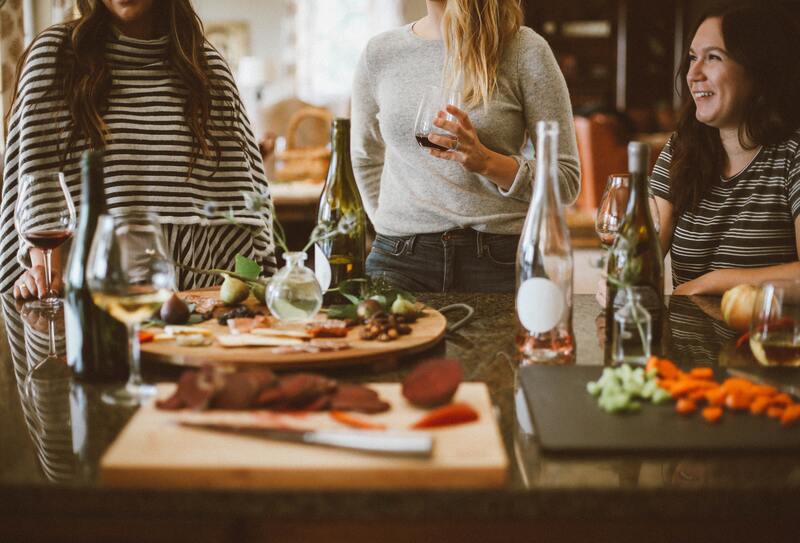
a group of people having communal dining

Communal Dining: An Only Guide You Need As a Restaurant Owner

The idea of sharing a table with strangers at a restaurant might seem unusual. But this practice has been part of our culture for centuries. If you look at historic paintings, you can get a clear idea of how people used to sit together to dine despite being strangers to one another. 

It was considered a great way for socializing over meals and getting to know each other. This is what communal dining is all about! It harnesses the idea from the love people have for food and incorporates the same in the way they dine together. 

Although this is a legendary custom, introducing the same at your restaurant will give it a new edge in today’s fiercely competitive market. You will be giving your customers a stellar experience of dining together and bonding over the meals. 

However, there are certain facts you should know about communal dining since it has to be perceived in the right way for the idea to work. That being said, we have created an illustrative guide on what communal dining is about and how to create one for your restaurant.

What Is a Communal Dining?

Communal dining is where multiple guests share one dining table and enjoy their meals. It doesn’t harbor the use of separate tables where one would get privacy. Also, everyone doesn’t need to have to be familiar with one another. They can be strangers or acquaintances. The primary goal is to boost community engagement and foster socialization. 

A communal style dining can be of different types, like:

  1. Long-shared table that is common in beer halls and brunch cafes
  2. Open kitchen-styled bar seating for sushi bars and upscaled, fine-dining restaurants
  3. Booth-style diners for food courts and fast food restaurants
  4. Family-style dining for Middle Eastern and farm-to-table restaurants

The History of Communal Dining?

  1. Green and Roman civilizations were the first to introduce the concept of communal meals. 
  2. Later on, during the 5th century, monks hosted communal dinners in monastery halls to read scriptures together. 
  3. Later on, during the early 1700s, coffeehouses became a great place for socialization. 
  4. Asians and Europeans visited tea houses having a communal dining setup to socialize with one another.
  5. In the early 1900s, buffets and cafeterias with a communal dining setup sought great popularity, especially amongst local people. 

Benefits of Communal Dining

1. Mental health

Loneliness and depression are quite common in today’s time. Whether it’s due to living alone in a new place or not having families or friends to accompany for the meal, people often get reluctant about going out and enjoying food. 

That’s why restaurants are coming up with the communal dining setup. It can play a crucial role in boosting mental health by allowing people to bond over food. The mere thought of others having a meal together with no separate seating arrangement can eliminate the feelings of loneliness and solidarity.  

2. Physical health

When people eat together with others at a single restaurant table, they naturally follow every dining etiquette. For instance, let’s say two members in a communal dining group have a habit of fast eating. If they finish their meal early, it won’t look good. Others might feel pressured to eat smaller portions. To avoid making the ambiance stressful, those two members will automatically slow down their pace. This can help in mindful eating and ensure they enjoy the food thoroughly. 

3. Social bonds

With a communal style dining, restaurant owners can encourage their diners to trust one another. When we meet any stranger, we do not rely on them or trust them at all. It can take several weeks or months to build that kind of relationship. However, when people dine together on the same table with no division, they can form this trust easily. Sharing stories, laughing at jokes, and even discussing any important matter will help break the ice.

4. Business impact

Communal diner setups will help you to accommodate more customers simultaneously without worrying about space. For instance, let’s assume your restaurant’s interior can only have six 4-seater table arrangements. It means the total number of guests you can have at a time is 24. However, if you place four large 8-seater tables for communal dining, you can have 32  guests. So, you can have more customers at a time, which will automatically increase your revenue.

5. Social Cohesion:

Communal dining fosters a sense of community and belonging. In a communal dining setup, diners engage in conversations with multiple dining partners. Sharing stories, experiences, and even recommendations for dishes can create a bond that lingers beyond the meal. 

6. Exploration of Food Culture:

This style of dining encourages diners to step out of their culinary comfort zones and try dishes they might not have ordered otherwise. Exposure to new flavors and cuisines can expand one’s palate and culinary horizons. 

7. Efficient Seating:

For busy restaurants, communal tables can be a practical solution to accommodate larger groups and walk-in customers. They optimize seating capacity during peak hours.  The best asset of a communal table is the ability to seat a large party all at one table to enjoy an occasion such as a birthday party or sporting event.

Benefits of Communal Dining

Challenges of Communal Dining

While communal dining restaurants offer a plethora of social and cultural benefits, it’s not without its challenges and potential drawbacks. Let’s have a look: 

1. Privacy Concerns:

Guests often feel the pressure to dine together at restaurants having a communal dining layout. If not planned carefully, it could leave a negative impression on your guests. Besides, people often feel uncomfortable sharing the same restaurant table due to differences in opinions and culinary interests. That’s why you should conduct surveys to know if your guests have the same dining interests or not. This will help in creating a perfect communal meal layout to eliminate feelings of discomfort and uneasiness. 

2. Noise and Distractions:

The lively and interactive atmosphere of communal dining can sometimes lead to a higher noise level. Therefore, those seeking a more intimate or quiet dining experience find it difficult to enjoy their meal.

3. Hygiene Issues

Let’s say a few customers have allergies to dairy food while the rest don’t. If they sit together, there may be several issues. Serving them according to their food choices will become difficult. So, to resolve this challenge and offer a  perfect communal dining experience, use color-coded table mats or chair covers. It will help you ensure that every guest is served the food they like to eat.

4. Conversations concerns

If only a few people speak over the communal meal, others may feel isolated. It will impact your restaurant’s image a lot and you may not get repeat customers. That’s why you should implement strategies like rotating table captains. This way everyone will get equal opportunities to lead the conversation.

What Should Be the Size of Communal Table in Restaurants?

Now, let’s understand the table dimensions and material choices that you should be aware of as a restaurant owner. By getting these attributes correct you can offer an optimal communal dining experience to your guests. 

  1. Your guests should be comfortable while dining. You need to make sure that the tables for a communal dining setup are at least 30-42 inch high.
  2. Most communal dining tables can accommodate six to eight people at a time. So, the furniture needs to be 36” wide and 72” long minimum. 
  3. The restaurant table tops should be at least 2 inches thick with a rectangular shape. A hardwood top will be best as it can support the weight of all the dishes and tableware easily.
  4. Invest in furniture with a protective coating so that you won’t have to deal with chipping, rotting, or warping issues.

Choosing the right layout for a communal table

If you do not arrange your restaurant’s layout properly, the communal dining setup won’t give the expected vibes. While there are different layouts, the one that you select should align with your customer’s culinary preferences and social habits. Some of the best restaurant layouts for communal meals are:

  1. Formal table setups ideal for high-end and upscaled restaurants
  2. Casual layout for a family-style communal diner
  3. Buffet table settings for restaurants with larger spaces
  4. Party table settings for special occasions and events.

Matching communal tables to your restaurant’s theme

As communal eating practice has become a trend in the industry, you can leverage it to attract more customers for your restaurant. However, to achieve success, you need to ensure your tables align perfectly with the restaurant’s theme. For example, if the interior has a rustic or modern theme, a formal layout will be more feasible. On the contrary, cafes and buffet eateries can have a casual table setup as that can lighten up the mood. Adding green plants or using recycled wooden tables can promote the ideas of sustainable dining and eco-friendliness to your guests.

Make Most Out From Communal Dining

Communal dining presents a captivating approach to culinary engagement that blurs the lines between gastronomy and human connection. It creates spaces where strangers can become friends and diverse conversations flourish. This way, communal dining style serves as a bridge that spans cultures, generations, and backgrounds. However, it’s important to recognize that communal dining isn’t a one-size-fits-all solution. You should consider its benefits and drawbacks before bringing it into your restaurant culture.

FAQs

Q. What are the three types of dining?

Casual, fine dining, and quick service are the three common types of dining setups restaurants focus on. Communal dining layouts can be incorporated in all these three categories, provided you have a proper plan in hand.

Q. What is a communal table in a restaurant?

A communal table in a restaurant is a large table designed to accommodate multiple groups of diners who are not necessarily together. This setup promotes social interaction and a sense of community among patrons. It’s often seen as a way to foster conversations and connections. It makes the dining experience more dynamic and engaging.

Q. What types of communal meals are most common in restaurants?

Communal meals encompass various forms of shared dining experiences. Family-style dining centers on communal dishes, fostering togetherness. Feasts celebrate special occasions. Buffets offer a self-service variety. Banquets are elaborate, multi-course affairs. Street food markets and pop-up stalls are popular in open-air venues. Community suppers and restaurant communal tables can bring locals and strangers together. These meals intertwine food and social interaction. The ability to accommodate communal dining in your restaurant can garner great opportunities for booking large parties with 10 or more guests.

Q. What is the meaning of shared seating?

The idea of shared seating is harnessed from the concept of communal dining. Here, people with different culinary interests sit together at the same table and bond over the meals. They may or may not be acquainted with one another beforehand. But their common love for food will help them to build trust.

restaurant exterior design

How to Design Restaurant Exteriors That Customers Love

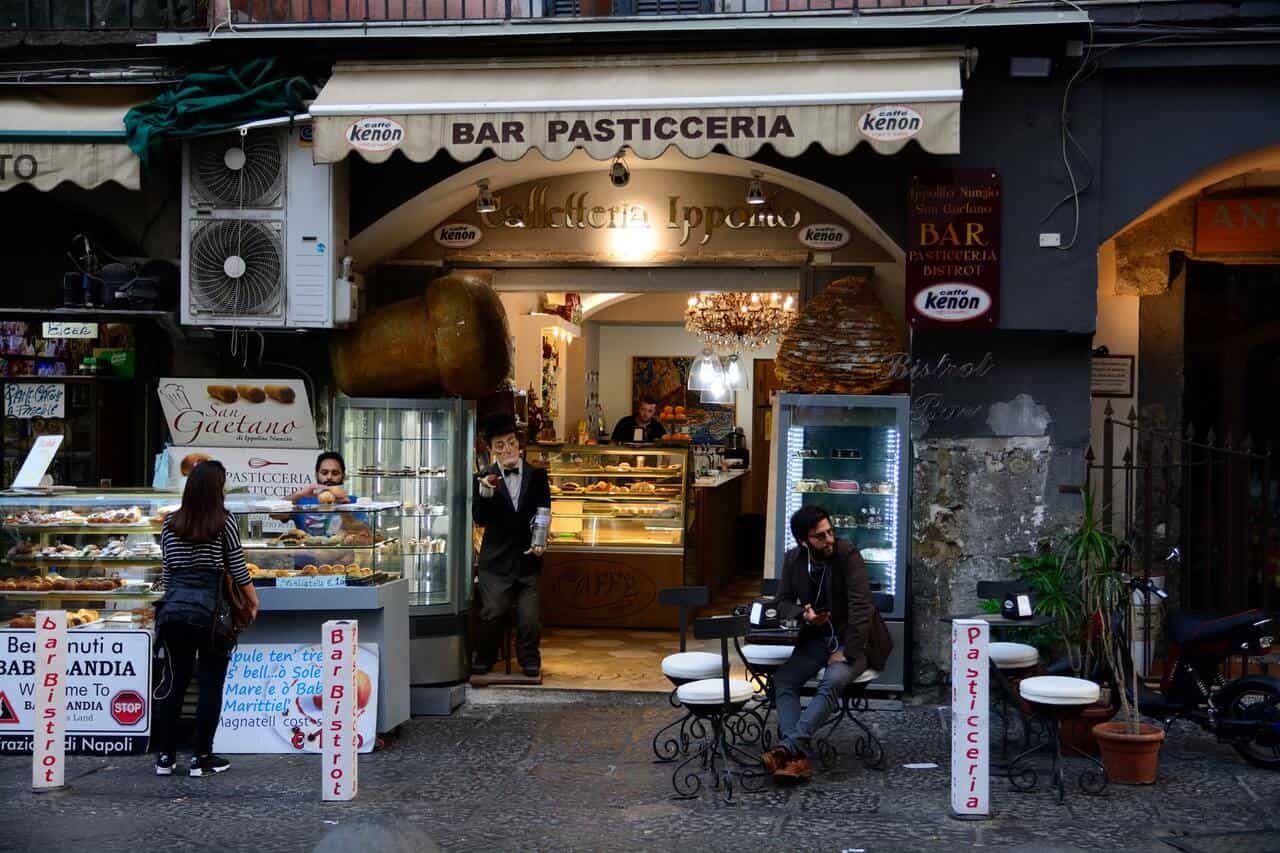
A well-decorated and balanced restaurant’s interior doesn’t always mean a greater inflow of customers. People passing by won’t ever know what’s happening behind closed doors. All that matters to them is how decorated and well-kept the exterior is. Several surveys are there to prove this statement. In other words, a restaurant exterior design is the first thing your diners will notice. So, it can either make or break your brand in the long run.

Neglecting it may cost you diners and revenue channels. The exterior design plays a crucial role in building your brand identity. It helps your restaurant stand out from the competition. That being said, we have crafted an inclusive guide below, explaining everything you need to know about restaurant exterior design. With this, you can transform your restaurant’s identity and attract more potential diners in no time.

What Should You Know About The Exterior Restaurant Design?

Restaurant design, whether interior or exterior, is all about experimenting and trying new, fun things. However, as you might have noticed by now, there are so many elements and considerations for restaurant exterior design. So how do you come up with practical solutions with going overboard or straining your budget? Well, here are a few things to ask:

  • Is your design choice practical?
  • Does your design fall in line with your business plan?
  • Are you compromising on functionality by adding aesthetics?
  • Does your design improve the dining experience of your guests?
  • Is your design confusing?
  • Are you just copying a concept from a competitor?

How Do You Design the Exterior of a Restaurant?

1. Identify Where Your Customers Are Coming From.

As obvious as it might sound, you must know your target clients. Who are your guests? How are they reaching your restaurant? You must answer these questions before designing your restaurant exterior. Did you know restaurant entrance design depends on whether your customers arrive by foot, car, or public transit? 

 Exterior for Your Restaurant

For example, if your guests come by car or foot, it means that they may already be aware of your restaurant and have planned their visit, in which case, your restaurant entrance may not be critical. On the other hand, if your restaurant is accessible by public transport and located in a busy area with a lot of foot traffic, you need a visually stunning entrance to set you apart from your competitors and lure new guests.

2. Design an Awesome Exterior Wall For Your Restaurant

Whether you have a café or an upscale, fine-dining restaurant, designing a stellar exterior wall can make a huge difference. You can easily leverage it to reflect on your restaurant’s vision or illustrate your brand’s USPs. Whatever the design is, it must be aligned with your restaurant’s theme

For example, you can use a clean, glass wall for a café or a breakfast diner. But your customers will expect more privacy when it comes to high-end restaurants. So, you can go with a vintage-styled brick wall design with small rustic, country-style windows. 

  1. Use enough lighting to illuminate the exterior of the restaurant, like accent or façade lights.
  2. You can also consider adding a large photo or a mural. It will greatly enhance the aesthetics of the restaurant’s wall. 
  3. Adding vines and other types of plants can draw your diners’ attention instantly. 
  4. For glass walls, ensure they remain spotlessly clean throughout the day.

3. Design a Welcoming Entrance That Your Customers Love

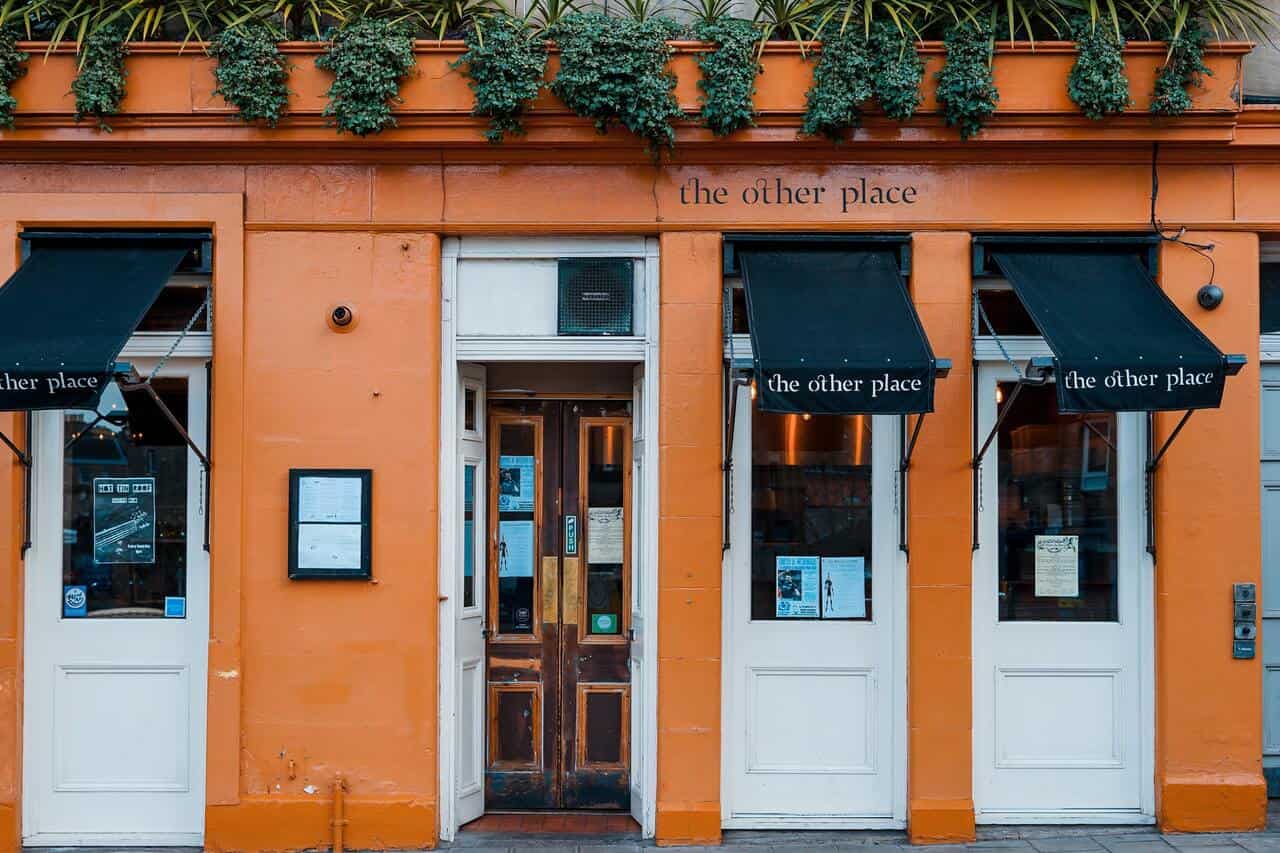
When it comes to a restaurant outside design, consider transforming a boring entrance into a welcoming one. It will make your customers feel at ease as they walk by, leading to eager hearts that will love exploring your restaurants further. From bold-colored doors to vertical garden walls at the entrance, there are numerous ideas you can look into. Below we have illustrated a few examples of restaurant entrances creating a welcoming and warm atmosphere.

attractive restaurant entrance gate 

  1. Larger glass doors with bold-colored frames are best for creating an open and inviting feel. 
  2. Hang flower baskets from the awning to create a cute and inviting entrance.
  3. Add a warm touch to your restaurant’s entrance by installing a green archway with string lights. 
  4. Use large vintage sconces or wall-mounted lights to illuminate the entryway. Leverage lights with a yellowish or amber tone to create a warm mood.

4. Make the Most Out of Your Outdoor Space

Do not limit yourself to only the walls or entrances for a restaurant exterior. You should also focus on smart seating arrangement and engaging lighting, you can leverage these elements to transform the unused space into something more useful and attractive.

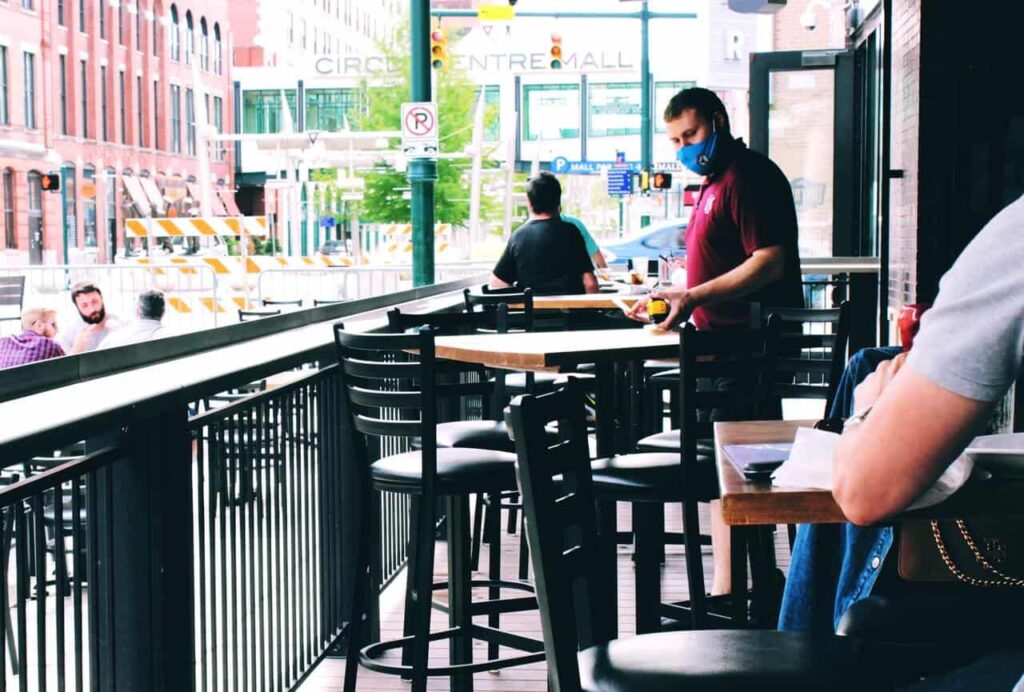
outdoor seating in hotels

  1. Add benches, rattan chairs, and bistro tables to your restaurant furniture to maximize the outdoor seating capacity. 
  2. Add a fire pit or an artificial patio heater during colder months. 
  3. Install colorful awnings with potted flower planters to create a shade for the outdoor space. 
  4. You can also add neon signage to the outdoor space to highlight your brand.

    restaurant employee setting up menu board at restaurant entrance

  5. Add a chalkboard in the outside space with your special menus or menu board with offers for everyone to see.
  6. You can install a small water fountain in the outdoor space.

5. Use Durable and Aesthetic Materials

The choice of materials will have a great impact on your restaurant exterior. So, do not hold yourself back in this aspect. 

  1. A restaurant focusing on sustainability and eco-friendliness should incorporate green planters, upcycled butcher block table tops, and wooden restaurant chairs
  2. Metallic furniture is the best accessory to enhance the industrial and rustic feel of your diner. 
  3. Rattan furniture will give warm Bohemian style and make your customers feel at ease.

It’s essential to choose durable materials with excellent craftsmanship for your restaurant. Do not invest in cheaper furniture or decorative elements as that can make a negative impression on your potential customers.

6. Align Your Design With Your Brand Identity

The restaurant exterior ideas you choose must be aligned with your brand. Only then you can make the desired impression on your customers. Below are some ideas you can incorporate. 

  1. The color scheme should reflect your brand’s uniqueness. For instance, a rustic brand look should have warm, earthy colors. On the contrary, a modern finish can be achieved using bold red and black colors. 
  2. Add more texture to the exterior with different material combinations, like glass and wood, metal and wood, and so on. 
  3. Use signage on the door to make your brand stand out in the crowd. 
  4. The brand’s logo should be large enough so that diners can read it from a far distance.

Modern Restaurant Exterior Design Trends / Ideas

1. Modern minimalism (Clean lines, glass facades)

Glass walls wrapping around the entire building are the most common element you will see in most modern restaurant exterior designs. Coupled with clean and sharp decorative lines will enhance the overall aesthetics, giving a sleeker look. You can also add minimalist lights to take the décor to the next level. 

2. Sustainable & eco-friendly designs (Recycled wood, green walls)

For eco-friendlier exterior design, go with furniture elements made from recycled wood. You can also invest in a green vertical wall on the outside or a green archway with flowers popping here and there. Use upcycled materials, like wooden frames, potted plants, and others to design a stunning and welcoming entrance for your customers.

3. Cultural fashion designs (America)

Leveraging cultural fashions can boost your restaurant outside design instantly. For instance, a classic American diner can leverage a retro-styled décor while a Western diner will focus on a Cowboy or Texas theme. You can also add murals referencing American history to add a cultural touch to your restaurant. 

4. Lighting innovations (LED neon signs, solar-powered lights)

Do not limit yourself to the traditional restaurant lights. Go bold with innovations in this department. For example, you can install neon signage made from LED string lights. If it has an RGB lighting system, the décor will act as a cherry on top of the cake for attracting potential diners. Use solar-powered lights for the exterior space to save utility bills and focus on sustainability. 

5. Outdoor seating & greenery style

Make use of the unutilized space by arranging outdoor patio seating. Go for two-seater and four-seater arrangements to accommodate your diners’ needs. Add greenery as much as possible to make them feel more comfortable and at ease.


What Is The Best Color For Restaurant Exterior?

Exterior Restaurant Design colours

Selecting the proper color for your restaurant exterior is never random or arbitrary. It requires careful deliberation as your restaurant’s perception, success, and your guest’s dining experience depend on the colors you choose. Every color has its own psychology and uniquely influences your guests. Here are some examples of how to create an inviting restaurant exterior for your guests with colors:

  • Warm colors like orange, yellow, or red positively impact the appetite of your guests. Red, in particular, helps create a luxurious and inviting atmosphere and encourages impulsive eating.
  • Brighter hues instill a sense of urgency and are useful for high table turnovers in fast food joints.
  • The green color reflects hygiene and sustainability. Green accents in restaurants reflect healthy menu choices and a natural setting.
  • Since natural foods are seldom available in blue or purple, avoid using these colors in your restaurant.
  • Dark colors like brown and black highlight sophistication and are perfect for high-end and fine dining restaurants.
  • Gray, light brown, and beige are neutral colors that create a warm theme and emphasize your restaurant’s food and service.
  • White, although difficult to maintain, showcases minimalism and cleanliness.


Create An Exterior That Your Customer Loves

Focusing on the restaurant exterior design will help you create a stellar and eye-catching look. Besides, it’s important to make the right impression on your potential diners and influence their decisions. After all, you need to make yourself appear promising just by the looks and feel of your restaurant’s exterior. No one has time to walk into the diner and then decide if it’s worth spending time and money. So, do not limit yourself only to the interior design and décor. Whether you want to install neon signage for your brand logo or create a green archway with fairy lights, exterior designing can make a huge difference.

FAQs

1. What is the best color for the exterior of a restaurant?

When you have to choose the right color and shade for the restaurant exterior, consider the target audience, and cuisine. Yellow, orange, and red are best for creating a warm ambiance. On the contrary, black and dark olive green will add more elegance to the exterior. For natural tones, go with earthy brown and green hues. 

2. Which color is generally avoided in restaurants?

Blue is one of the colors that is avoided in most restaurants as it is associated with sterility and coldness. You won’t even find restaurants using gray and muddy brown tones as they suppress the mood greatly. bright white can be too sterile while going for a complete black look will make the restaurant look too intense.

3. Which color is attractive for a restaurant?

A fancy restaurant exterior with energetic vibes should have warm colors like yellow and red. If your diner is more inclined towards earthiness, go for forest green, beige, and terracotta colors. 

4. Which layout is best for restaurants?

Your restaurant’s layout should be spacious enough to allow easy movement without any risks of collisions. A linear setup will help you maximize the use of narrow spaces. For an organized flow, go with a grid layout. If you want to give a variety of dining experiences to your customers, use a zonal layout.

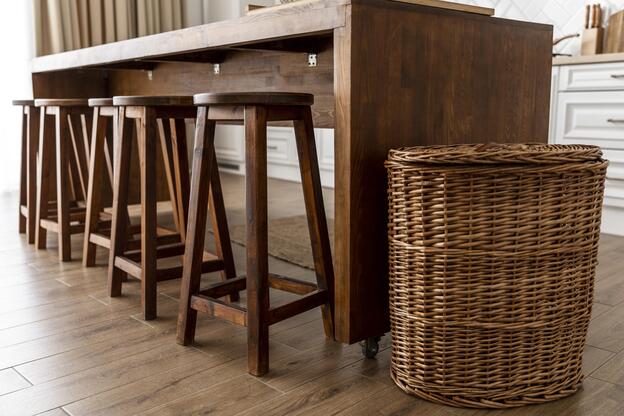
Picture of counter stool and bar stool arranged near kitchen table

Counter Stool vs Bar Stool: A Complete Guide For Restaurant Owners

Bar and counter stools look almost identical. They don’t come with labels to tell them apart at a glance. Perhaps that’s why making a choice can become so overwhelming. You obviously don’t want your money to go to waste. Besides, when it comes to your restaurant, furniture selection plays a crucial role in creating the right mood. So, knowing the differences between these two almost identical furniture types is important. At least then you can make a well-informed call for your restaurant setup

The basic distinguishing factor for counter stool vs bar stool is their height. Measure the distance between the seat and the floor for both chairs and you will know the difference. But that can be troublesome, especially when you visit a shop to purchase the furniture. With this in mind, we have listed a few factors to help you know how counter and bar stools are different from one another.

What is a Bar Stool?

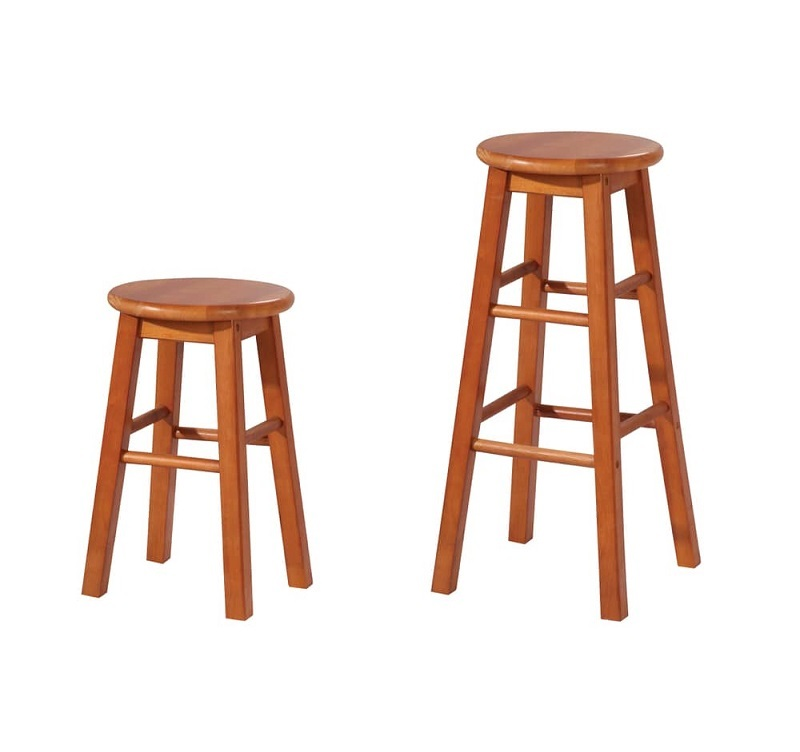
Bar stools are typically found mostly in commercial settings with a dedicated bar counter, people say commercial bar stools. Their elongated profile allows restaurant owners to use most of the counter space for sitting. Because of their taller height, your guests can comfortably enjoy drinks, chat with others, and relax. 

Some of the key features of a bar stool you should know are:

  1. It’s defined by the tall height, which usually ranges between 28-32 inches. 
  2. Some stools can also have a height of over 40 inches in height. These are usually used for extra tall counters in pubs and clubs. 
  3. Bar stools typically include a footrest. It allows people to sit comfortably and enjoy their drinks. 
  4. Extra tall stools for bars can have two footrests at different heights for added comfort. 
  5. Backless and low back are the most common seat designs. Backless bar stools work well in tight spaces. They provide a minimalist aesthetic.. On the contrary, stools with low back seats are sleeker and offer slight support. 
  6. Both hard and cushioned padded stools are chosen for bar counters.
  7. Counter height bar stools are also available if you prefer the style of bar stools but want them to match the same height as your counter.
  8. Bar stools with a swiveling structure are reinforced with a pedestal stand.

What Is A Counter Height Bar Stool?

A counter stool is a type of seating specifically designed to match the counter height surfaces or tables. Unlike a bar chair, a counter stool is usually paired with a kitchen or island countertop. It comes with an elevated design. This allows guests to enjoy their meal at the counter height and chat with one another.

The key features of a counter stool are described below. 

  1. They usually have a medium height between dining chairs and bar stools. Most counter stools are 24-27 inches tall. 
  2. Counter stools are commonly found in homes, especially in the kitchen. 
  3. Counter stools don’t usually have a footrest. However, shorter people might end up with their legs dangling. 
  4. These come with a backrest, with low to medium backs. So, you can enjoy your meal comfortably on a counter stool. 
  5. Soft, cushion-padded seats offer more comfort. 
  6. Their legs are often angled in the outward direction. That’s why these stools have a wider stance.

What Are the Differences Between Bar Stools and Counter Stools?

Buying new furniture for the restaurant is never easy. You often have to invest too much effort in area measurements, arrangement planning, and so on. If the furniture you want is a counter stool or a bar stool, the situation becomes more complicated. Their similar design makes it extremely difficult to make the correct choice. Besides not knowing when to buy what stool type often leads to a wrong selection. 

Height differences:

Both types of furniture are taller than the regular dining chairs you can find in the market. However, when we compare both types of stools, we have to be specific about their dimensions.

  1. Counter stools have a distance of approximately of 24-27 inches between the floor and their seats. They fit neatly under island and kitchen counters standing at a height of 35 to 37 inches. 
  2. Bar stools, on the other hand, are significantly taller. They stand to a height of approximately 28 to 32 inches, which is much higher than the regular counter chairs. They can easily fit under bar counters with a height of 40 to 42 inches from the floor. 

Both these stools have a good legroom space of 10 to 12 inches. So, you won’t have to be worried about sitting uncomfortably with your legs bent in an awkward position. 

Purpose and use cases:

The major difference between bar stool and counter stool can be seen in their purpose. 

  1. You can use counter stools for kitchen islands and dining counters. They’re ideal for casual seating or home dining setups. These can be found in commercial spaces also, like workstations and cafes. 
  2. Bar stools are specifically designed for tall bar counters and pub tables. They are mainly used for having drinks, socializing with people at the bars, and for entertainment purposes. 

Design differences:

Both bar and counter stools have significant differences in their design criteria. So, while choosing the furniture, do consider these elements in your comparison list for bar stools and counter stools. 

  1. Bar stools have narrower seats to fit more people in the same space. In contrast, counter stools, have standard or slightly wider seat space. 
  2. Counter stools have shorter, thicker legs. This is to ensure the furniture pieces can have more stability when in use. Bar stools have taller legs accompanied by one or two footrests, depending on the height. 
  3. You may not have to invest in a swiveling counter stool as that won’t be necessary for kitchens. But when it comes to bar stools, a swiveling structure helps in easier movement. 

Arrangement and space:

You cannot put either of the bar or counter stool to the best use without knowing the correct arrangement. A cluttered, messy look won’t enhance your space., be it your home or pub. So, we have included the spacing requirements in our comparative study of bar and counter stool

  1. Counter stools should have a minimum spacing of 24- 26 inches between them. As for bar stools, 26-30 inches of spacing will be needed. 
  2. Most counter stools have a stackable model. This makes their storage easier and more convenient. Bar stools often can’t be stacked due to the straight and narrow profile. 
  3. Thanks to the compact design, counter stools fit perfectly under the kitchen or island countertops. On the other hand, bar stools may not be tucked below the underside of the bar counter.

What is a good height for a counter stool?

Counter stools usually have a standard height of 24-27 inches. The measurement is perfectly aligned with a standard kitchen countertop, whose height is approximately 37 inches from the ground. While buying the stools, you should check that they are tall enough to help your guests reach the countertop easily. Also, make sure they aren’t so tall that your guests have to sit with their legs bent awkwardly.

How Many Bar Stools Will You Need in Your Bar?

First, you need to measure the sitting space for the bar counter. Once done, you can divide this by the recommended spacing for each bar stool. This will give you the number of bar stools you need for your bar. For example, if your bar counter is 216 inches long and you have chosen a stool with 24-inch space. So, the number of stools you will have is (216 inches / 24 inches), which equals 9.

The Types of Bar Stools You Can Choose From:

  1. Backrest design: Bar stools are available in both backless and low-back configurations.
  2. Height adjustability: Most bar stools have a fixed height for more stability. However, you will find a few options with an adjustable height mechanism for height adjustability.
  3. Swiveling: If you want your customers to enjoy the full view of the bar, have swiveling bar stools.
  4. Leg configurations: Bar stools are available in different leg configurations, like four-legged, tripod, and pedestal.

How Do I Know I Need a Counter Stool or Bar Stool?

We have briefly explained about counter stools and bar stools, So, now all you need to do is select the right furniture for your purpose. If your counter has a height of 35-37 inches, opt for a counter stool. But if its height is 40 inches or above, a bar stool will be best. 

Similarly, if you want a more refined and sleeker look, bar stools will be best. They have a narrower profile which allows them to add a finesse to the entire aesthetics. Counter stools, on the other hand, prioritize comfort and coziness. Now, we hope this comparison will help you choose the right furniture for you. If you are still not sure about it, you can read our bar stool guide to check whether it is the right fit for you or not.

Final thoughts

The choice of bar stools vs counter stools depends on the specific needs of your space. Consider the height requirements, comfort, aesthetics, materials, maintenance, and budget to make an informed decision. Prioritize customer comfort and create a welcoming ambiance. Opt for durable materials, ergonomic designs, and easy-to-clean options. Strike a balance between functionality and style to enhance the overall dining experience. Ultimately, choosing the right stool for your restaurant will contribute to customer satisfaction and the success of your establishment.

FAQs

Q. What is the standard counter height?

A standard bar counter is at least 40 inches in height.

Q. How much space should there be between the stool and the counter?

The recommended space between the stool and counter is around 10 to 12 inches (25 to 30 cm). This space allows for comfortable seating, legroom, and easy movement in and out of the stool. It is important to consider this measurement to ensure a pleasant and ergonomic seating experience.

Q. Should counter stools match kitchen chairs?

Counter stools don’t have to match your kitchen chairs. You can get both the furniture items separately. But if you want to save space and money, choose counter stools with adjustable heights.

Q. Should counter stools have a back?

All counter stools don’t need to have a backrest. You can find a few designs with no backrest.

How to Fix Wobbly Tables: Quick & Easy Fixes For Restaurant Owners

Your guests won’t just praise you for the food and ambiance. Elements like lighting, seating arrangements, and furniture placement also play a big role. So, you can’t afford to have wobbly tables, especially if you want your guests to have a great experience from start to finish. Just imagine how you would feel if the table suddenly started shaking when you were dining at a restaurant. It can be both annoying and frustrating. Plus, wobbly tables increase the risk of spills and other accidents. So, knowing the tricks for how to fix a wobbly table can save you in a pinch and ensure your restaurant is praised by all. 

Although there are numerous hacks to fix a shaky table, not all of them are effective. That’s why we have prepared a detailed guide for you on the best ways to fix a wobbly table. We have highlighted both immediate and permanent solutions so that you can provide the best dining experience to your guests. On top of this, we have also shed light on some of the common causes of wobbly tables.

What makes your table wobbly in Restaurants?

Restaurant owners often find themselves in a conflict on how to stop a wobbly table. Shaky tables can make guests uncomfortable, making dining difficult and even leading to spills. For example, food can get spilled and water glasses may topple over. 

So, the first thing you should do is analyze the root cause. Wobbliness is not always caused due to a table’s poor construction. The issue may be with the restaurant’s floor or the uneven length of the table legs. So, we have presented here a few factors that can make a restaurant table wobbly.

What causes restaurant table wobbly

  1. Uneven floor surface: Sometimes, restaurants have uneven floors with slight depressions or elevations that are not often visible to the naked eye. When the table is placed, one or two of the legs may not be at the same level as that of the other legs. This can cause them to wobble, especially if no level adjuster is used. 
  2. Wear and tear: One of the main causes of wobbly tables in everyday use. Usually, restaurants replace the table tops and not the base. The legs are exposed to constant wear and tear due to being moved around. As a result, the bottoms become round and start wobbling. 
  3. Frequent movements: Even with adjustable legs, tables can still wobble. That’s because they are moved frequently in a restaurant for cleaning and making spaces. During the movements, the adjustable bottoms may break. 
  4. Weak joints: Restaurant tables often come with a single or two legs instead of four. If the joint between the leg and the table top isn’t strong, it can wobble. Similarly, using a large-sized table top with a single-legged base can weaken the entire furniture.
  5. Loose table components: Another reason the restaurant table is wobbly is due to loose hardware elements. For instance, loose screws cannot support the table’s weight properly. As a result, when pressure is applied from the top, it starts wobbling. Similarly, if the vacuum pads connecting the table top to the legs aren’t strong enough, they can shake when moved too much.

How to fix a wobbly table permanently?

The above-mentioned tricks were just for temporary help. They wouldn’t stabilize your restaurant tables completely. And even if they do so, it won’t be long-lasting. So, finding ways to fix a wobbly table permanently is the key to making sure your guests can dine comfortably.

1. Install adjustable leveling feet

It’s not always convenient to move the wobbly tables around, especially in a busy restaurant. So, you can install adjustable leveling feet in the tables to prevent their sudden wobbliness. These are screw-in feet that will help you adjust the leg’s length precisely on uneven surfaces. The tables can be easily balanced and your customers can enjoy their meals without any complaints. 

  1. Rotate it clockwise to raise the table and increase the leg’s height. 
  2. For lowering the height, you need to rotate in the counterclockwise direction. 

Continue with the process till the table stabilizes completely and there is no sign of wobbliness. Most adjustable leveling feet feature rust-resistant and durable construction. What’s more, these are perfect for wooden, tiled, or concrete floors with uneven surfaces usually found in commercial areas. 

2. Upgrade to self-adjusting levelers

Sometimes, it’s not always feasible for your employees to adjust the leveling feet manually. It becomes more challenging sometimes when your restaurant is filled with guests. So, for such times, it’s better to use alternatives like self-adjusting levelers. These can automatically adjust the leg’s height to which they are connected when weight is put at the top. No manual intervention is needed to stabilize the table. 

Self-adjusting levelers can come in various types. For instance, you can get a spring-loaded, gravity-based, or hydraulic leveler at your convenience. Following are the key benefits:

  1. These ensure maximum stability for restaurant tables, especially on rough and uneven surfaces.
  2. They automatically adjust the leg’s length to prevent spills and accidents.
  3. You don’t have to manually adjust the table’s height. This can reduce unnecessary strain on the furniture’s joints. 
  4. Most self-adjusting levelers have durable construction for low maintenance. 

3. Invest in anti-fatigue floor mats

Another great option to prevent tables from wobbling is the anti-fatigue floor mat. It is suitable for outdoor restaurant setups or areas with aged, rough wooden flooring. However, there is a limitation. You cannot use the floor mats on obviously uneven floors. In other words, these are best suited for restaurants with slightly uneven floors. 

Put a non-slip mat under your wobbly table. It fills the space between the legs and floor, making it steady. The mat grips well, so your table won’t slide around. No more spilled drinks or accidents in your restaurant! These soft mats also protect your tables from damage, helping them last longer.

4. Install rubber pads on the legs

You can use rubber pads or stickers to stabilize the wobbling tables in your restaurant. These pads can be bought from any hardware store where you often buy tools and other items. They are available in different sizes and thickness. So, consider the diameter of your table’s legs while choosing the rubber pads. Also, You can buy medium-thickness rubber pads for tables. Stick the pad to the underside of the shorter leg. It will increase the stability by filling the gap and also provide a better grip on the floor surface. This will reduce the risks of the table slipping and causing mishaps. That’s why it’s better to design a restaurant floor plan with table structures before opening your new restaurant

5. Trim the longer table legs

If you want a simple, permanent fix for wobbly table legs, trimming them is the way to go. Find out the leg with an uneven length compared to the rest three. Once done, mark the length you want to have in the longer legs. Now use a handsaw or mechanical saw to cut off the excess part. Make sure you take proper measurements so that you won’t have to redo the work. flip the table over and place it on the floor to check for wobbliness. 

6. Fixing the loose furniture joints 

The most effective fix for a wobbly table is to strengthen the loose joints. These can be hardware components like screws or wooden pieces like grooves and ridges. 

  1. If the restaurant table has metal hardware, use a proper screwdriver to fix the screws in place. 
  2. If the tables do not have screws, use wood glue or epoxy. It will strengthen the overall structure and prevent the table from wobbling further.
  3. You can also use L-shaped brackets to tighten the joint between the legs and the table top. 

7. Replace any worn-out components

One of the best permanent fixes for table shaking is replacement of the worn-out components. If tightening the screws or installing L-brackets isn’t working, you can try out this solution. Check all the hardware components used in the restaurant table. Replace them one at a time with new ones. Once done, put some heavy objects on the table top to check for any signs of wobbliness.

8. Hire professional repair services

Although DIY fixes work excellently, they are not feasible for troubleshooting all problems with wobbling tables. Sometimes, you may encounter issues that require professional intervention. After all, you cannot rely on in-house fixes to stabilize your restaurant tables for months. Some of the cases where you need to hire professional repair services are:

  1. Bent bases of metal tables
  2. Cracked welds in the restaurant tables
  3. Loose and worn-out joints that need replacement

Commercial furniture repair services offer the reliability and assurance you need. So, investing in it will prove to be beneficial for your restaurant in the long run.

9. Choose stable table designs for replacements

If there is no way to fix the wobbly tables, it’s better to replace them with new ones. However, you should be cautious while choosing new furniture pieces. This will help you future-proof your restaurant business and deliver a great dining experience to your guests. Below we have mentioned a few tricks to find the best restaurant tables. 

  1. Tables with metal bases are sturdy enough to resist wobbling. Their robust construction will prevent damage due to wear and tear for years to come. 
  2. You can also look for restaurant tables with built-in leveling designs. It will eliminate the need to install any additional levelers. 
  3. Wide bases can make the table more stable by distributing the weight from the top.
  4. Avoid purchasing lightweight furniture for your restaurant.

How to prevent a restaurant table from shaking?

As a restaurant owner, you should know how you can stop a table from wobbling in the future. This way you won’t have to worry about your customers complaining about a shaky table anymore. Here are a few ways in which you can prevent the tables from wobbling. 

  1. Install self-leveling glides on the commercial restaurant tables. These components automatically adjust the legs’ height. They are immensely helpful for restaurants with uneven flooring. With them, you can rest assured that your tables will be secured from wobbling. 
  2. If you are purchasing a wooden table, ensure the base is robust enough to support the weight. Similarly, for metal tables, ensure they are strong enough to maintain structural stability throughout. 
  3. You can install anti-slip rubber pads on the underside of the table legs. They have a better grip on different floor surfaces So, your furniture won’t move suddenly, especially if the floor is slippery. 
  4. Another way to prevent restaurant tables from shaking is by installing cross braces or angle brackets. These are triangular structures connected to the bottom of the table legs, slightly above the ground. They will stabilize the overall structure and prevent the table from shaking too much.

Conclusion

Figuring out how to fix a wobbly table can sometimes feel overwhelming. But with the tricks mentioned above, you no longer have to worry about your restaurant furniture. Inserting a wine cork or twisting the adjustable legs can do wonders. However, these are only for the time being. So, using the permanent solutions we discussed above can help you prevent the tables from shaking too much. Remember that no one would like to eat and dine on a wobbly table. So, first, find the root cause of a wobbly table and then choose the best applicable fix. 

FAQs on Wobbling Tables in Restaurants

Q. How do you stabilize an outdoor table?

Outdoor surfaces are often uneven because of dips and bumps. So, rubber pads or wine corks may not be the perfect solution. Instead, you can use self-leveling glides for tables placed outside the restaurant

Q. How do you fix a wobbly chair or table?

For a quick fix, you can insert a coaster or a folded napkin. However, this is just a temporary solution. If you want to get rid of the issue once and for all, use rubber pads on the furniture legs. These offer a better grip and can prevent the table or chair from wobbling.

Q. What is the easiest way to stop a wobbly table?

Adjusting the leg height is the best way to keep a restaurant table from wobbling. For example, insert a thick pad or folded napkin in the gap between the table’s leg and the ground to adjust its height as per the need. 

Q. How do I add weight to a table to make it stable?

Heavier table bases made from hardwood or cast iron can add more weight to the overall structure. If the table has a hollow base, try inserting a steel plate to stabilize it.

Q. How to fix a wobbly round table top?

Tighten the loose screws connecting the legs and the table top, if any. You can also add wood glue to strengthen the overall furniture’s structure.