

Are you still looking for restaurant chairs that match the tables? Or do you prefer the same age-old, conventional designs that become common in the entire restaurant industry? If it’s a silent yes to these questions, you are certainly walking the wrong path!
Many restaurant owners devote their entire attention and time to selecting the right interior, setting the perfect menu, and marketing the brand. While these are key aspects of making the business profitable, ignoring the furniture choice, especially that of restaurant chairs, can be costly.
Your diners will sit on the chairs only for a couple of hours at the top. But that time will be enough to create an impression on them about your restaurant. That’s why choosing the right restaurant chairs type is so crucial in today’s time!
At least, it’s important to deliver a stellar dining experience to your customers and make them feel comfortable till they leave. That being said, we have articulated a detailed restaurant chair guide to help you pick the right one from the vast array of materials, styles, and features.
The Different Types of Restaurant Chairs
A. By material
If you go by the raw material used in crafting the furniture, you will come across multiple types of restaurant chairs. Every category will have both pros and cons, which is why weigh your options cautiously before making a selection. Explore below the classifications of chairs based on their construction materials.
1. Wooden Frame Chairs
If you want a timeless, classic look for your restaurant, a wooden chair is your go-to furniture choice. You can find multifarious styles, like elegant designs with a sleek finish or chairs with a rustic, bold statement.
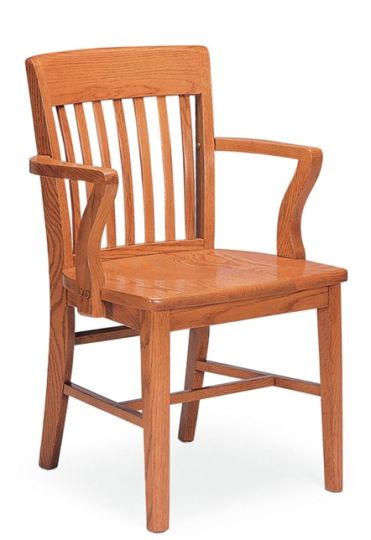 In Picture: Americana Wood Frame Chair
Pros:
- When made with solid hardwood, they can be highly durable.
- Induces warmth in the interior and adds more value to the aesthetic appeal.
- Repairing and maintenance are easier.
Cons:
- Carries more weight than any other material
- Upfront investment will be high
Best uses:
- Restaurants with fine-dining setups
- Traditional-themed or rustic eateries
- Cafes with a cozy interior
2. Metal Frame Chairs
Known for their modern aesthetics, metal chairs feature a strong construction. If you look through the lot, industrial and minimalist styles will dominate the list.
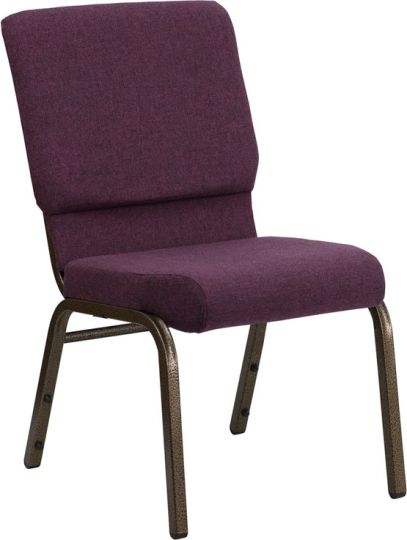
In Picture: Hercules 18.5 Inch Banquet Chair
Pros:
- Highly durable, provided the metal surface has powder coating
- Easier to maintain and clean
- Features higher resistance to wear and tear
Cons:
- Might be uncomfortable to sit on without cushion padding
- Susceptible to rusting without a protective coating
Best uses:
- Modern restaurants with an industrial theme
- Indoor bars
- High-traffic eateries
3. Plastic chairs
Available in versatile styles and colors, these types of restaurant chairs are the most affordable. Moving them around will require the least physical effort, thanks to their lightweight construction. To top it all, they can be placed both indoors and outdoors with just a few careful considerations.
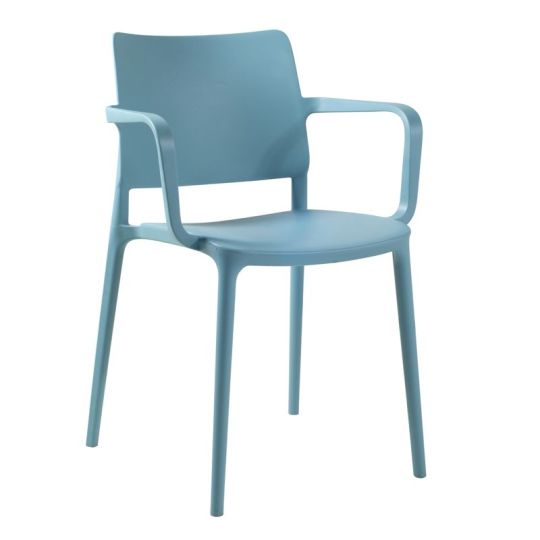
In Picture: Joyce Outdoor Plastic Arm Chair
Pros
- Can be stacked one above the other easily
- Ideal for restaurant setups with budget constraints
- Won’t suffer from corrosion when exposed to different weather conditions
Cons
- Lesser durability when compared to wooden or metal chairs
- Not suitable for upscale restaurant designs
Best uses
- Patios and cafes with an outdoor seating arrangement
- Casual restaurants focusing on quick service
- Banquets and event spaces
4. Upholstered chairs
While the base frame is made from either metal or solid hardwood, the cushioned seat takes the focus. High-density foam is used for padding and reinforced with leather or fabric upholstery. They are the testament of comfort and luxury in restaurants.
Pros:
- Offers maximum comfort to guests for longer seating periods
- Adds a luxurious statement to the interior setting
- Comes in customizable options for upholstery fabric choice
Cons:
- Maintenance and cleaning will be difficult
- Highly susceptible to stains and easy wear
Best uses:
- Upscale restaurants with a fine-dining setup
- Private dining booths
- Lounges in hotel dining areas
5. Aluminum Chairs
Feature-resistant and lightweight, the aluminum restaurant chairs can be used for setting both the indoor and outdoor dining spaces.
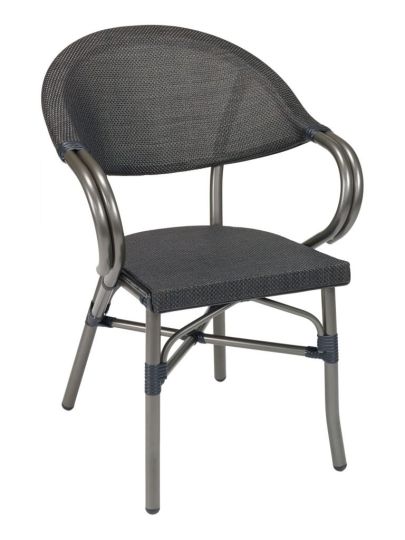
In Picture: Metro A Outdoor Aluminum Chair
Pros
- Need very little to almost no maintenance efforts
- Excellent resistance against rusting and weather-based wear and tear
- Easier to move due to lightweight construction
Cons
- Susceptible to dents and scratches
- Less sturdier
Best uses
- Outdoor dining arrangements
- Coastal or beachside eateries
- Poolside restaurants or cafes
B: By style
1. Side Chairs
Placed often alongside the restaurant dining tables, this restaurant chair design is known for its compactness. Hence, maximizing the seating capacity in a limited space we difficult for restaurant owners. Thanks to the vast collections of materials and finishes, getting a perfect design for your restaurant décor will be easy. While the absence of armrests can make long-term seating difficult, their versatility wins the competition.
2. Stackable Chairs
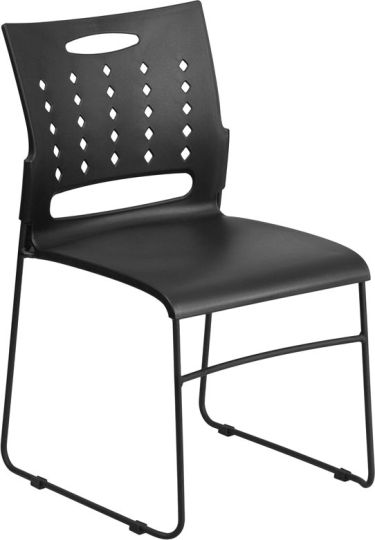
In Picture: Hercules RUT-2 Stackable Chair
Whether it’s a busy cafeteria or a quick-service casual restaurant, stackable chairs offer a smart and hassle-free seating solution. All you need to do is stack them, one above the other, when not in use, and store them neatly in the back room. These not only offer practicality with their functional design but also add a higher value to a restaurant’s aesthetic appeal.
3. Folding Chairs
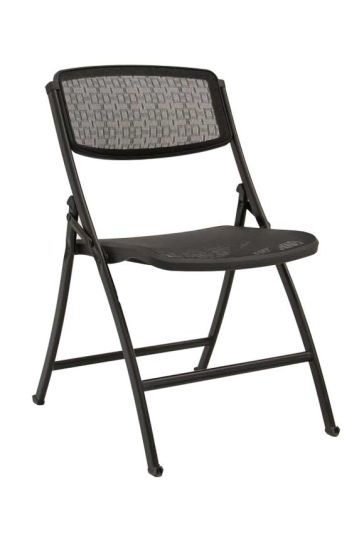
In Picture: Mesh One Folding Chair
Whether it’s an overflowing dining area or a pop-up restaurant, these types of restaurant chairs have got your back! With their foldable structure, you can quickly set up when needed and fold flat once the purpose is met. Even though they feature a basic design, their lightweight and easily maneuverable construction makes the category a winner.
4. Assisted Living Chairs
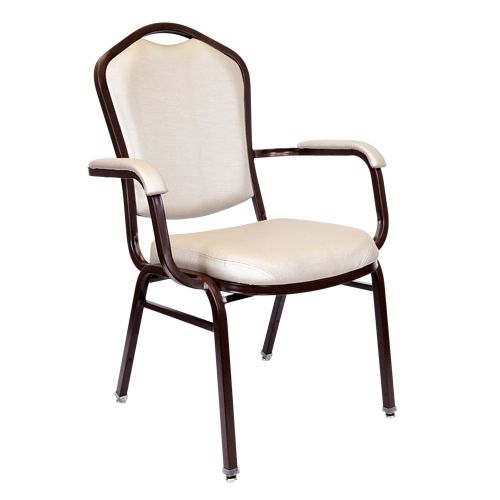
In Picture: Crownback CM-3856 Assisted Living Chair
These restaurant chairs provide optimal support, comfort, and safety to mobility-impaired and elderly customers. A typical design features a higher seat height, padded armrests, and cushioned seating. Although these chairs tend to have a bulky construction, having them in your furniture inventory will make your restaurant compliant with accessibility and inclusivity standards.
5. Outdoor Restaurant Chairs
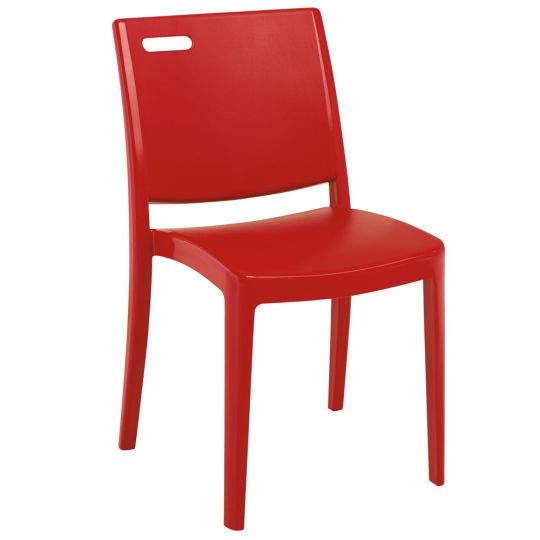
In Picture: Metro Resin Chair
The last classification we will discuss here in this restaurant chair guide is the ones suitable for the outdoor seating space. They are built to withstand constant exposure to corrosive weather elements. Plastic, aluminum, and treated wood are a few options for raw materials you can find in the market. A few designs can also feature drainage holes or UV protection for enhanced durability.
Important Things to Consider Before Buying Restaurant Chairs
1. Frame Material and Construction
From aluminum to solid hardwood, you will have tons of choices with respect to the frame’s material. Why it’s essential to consider this key feature? Imagine investing in a random frame material that lacks the desired durability or aesthetic appeal.
In this case, your guests will no where feel comfortable, even if they spend only half an hour in the restaurant. So, considering the furniture’s material and construction is crucial because:
- It answers whether the chosen chairs can withstand daily wear and tear without succumbing to damage any time soon.
- The choice of the dining chair material will influence the overall aesthetic appeal of your restaurant setup, both for the indoor and outdoor areas.
- It also determines if you can establish a perfect balance between strength and the visual appeal of your restaurant.
Go for restaurant chairs having welded joints, reinforced legs, and quality surface finishes. This will make every penny spent on the investment count.
2. Seat Height and Depth
Being a restaurant owner, your ultimate responsibility is to deliver an optimum guest experience. That’s why you cannot make a random chair selection, especially without considering its height and depth.
Standard chairs usually stand tall to an approximate height of 17 to 19 inches. It pairs well with most restaurant dining table structures and ensures no cramping or slouching for your guests.
| Chair Type | Seat Height | Seat Width | Seat Depth | Seating Capacity (per chair footprint) | Best Use |
|---|---|---|---|---|---|
| Standard Dining Chair | 17 – 19 inch | 16 – 20 inch | 15 – 18 inch | 1 guest (fits 4 chairs around 36–42″ table) | General dining tables, casual & fine dining |
| Deep-Seated Dining Chair | 17 – 19 inch | 18 – 22 inch | 18 – 20 inch | 1 guest (fits fewer per table due to larger size) | Lounges, upscale restaurants, comfort-focused dining |
| Counter-Height Chair/Stool | 24 – 26 inch | 16 – 20 inch | 15 – 17 inch | 1 guest (fits 3–4 along a 6 ft counter) | Cafés, counters, casual dining |
| Bar-Height Chair/Stool | 28 – 30 inch | 16 – 20 inch | 15 – 17 inch | 1 guest (fits 4–5 along a 7 ft bar) | Bars, pubs, high tables |
| Banquet / Stackable Chair | 17 – 18 inch | 15 – 18 inch | 15 – 17 inch | 1 guest (designed for tight spacing, max capacity seating) | Banquets, event halls, conference spaces |
In addition to this, you also need to consider the seat’s depth. Restaurant chairs with a deeper seat will take the comfort statement up by several notches. But these occupy more space, which can limit your restaurant’s seating capacity.
3. Backrest Design and Support
Customer comfort = Longer stays = Higher revenues
If you want to follow this pattern, invest in a restaurant chair design reinforced with a backrest support. There are different types of backrest structures you can go with, like a solid continuous, slatted with either horizontal or vertical slats, ladder-shaped, and an X-shaped design.
Regardless of what you choose, these chairs will bring a lot of benefits to the table. Explore here the advantages you can enjoy.
- A well-designed backrest is equivalent to optimal lumbar support. Hence, your guests won’t end up with a backache, even after sitting in the same spot for hours.
- It encourages better posture for your guests, thanks to the improved ergonomics. This will reduce fatigue and back pain for your guests.
- You can capitalize on the backrest design and align it with your restaurant’s vibes, like a ladder design for a contemporary look, while a solid backrest for an upscale appeal.
- Some backrest designs impart more durability to the restaurant chairs, strengthening them further and preventing wear and tear.
4. Weight Capacity
Since we are talking about a commercial setup in this restaurant chair guide, consider the furniture’s weight tolerance limit. You will find the accurate information on the manufacturer’s guide easily. Most standard constructions are capable of withstanding a maximum weight of 250 to 300 pounds.
| Chair Type | Average Weight Capacity | Durability Level | Best Use |
|---|---|---|---|
| Wooden Frame Chairs | 250 – 300 lbs | High (with proper joinery) | Classic dining, fine dining restaurants |
| Metal Frame Chairs | 300 – 500 lbs | Very High | Heavy-duty dining, high-traffic restaurants |
| Plastic Chairs | 200 – 250 lbs | Medium | Outdoor patios, cafés, budget dining |
| Upholstered Chairs | 250 – 300 lbs | Medium–High (depends on frame) | Upscale dining, lounges, comfort seating |
| Aluminum Chairs | 250 – 350 lbs | Medium–High (lightweight but sturdy) | Outdoor seating, modern restaurants |
| Stackable Chairs | 250 – 300 lbs | Medium–High (varies by frame material) | Banquets, event halls, flexible seating |
| Folding Chairs | 200 – 250 lbs | Medium (not ideal for daily heavy use) | Event setups, overflow seating |
| Assisted Living Chairs | 350 – 500 lbs | Very High (reinforced construction) | Inclusive dining spaces, senior-friendly restaurants |
Although you can stick to this limit, it’s better to include a few chairs with higher weight capacity. This will make your restaurant more inclusive for people with a bulkier build. Also, check the construction quality so that the chairs won’t give out when exposed to higher weights for days.
5. Stackability
Whether it’s the limited restaurant storage space or catering to the need for faster setups and dismantling, stackable chairs will have your back. These can be maneuvered easily without putting too much strain on your employees.
What’s more, you can reconfigure the dining space layout to align it with your restaurant’s theme and brand identity. All you have to ensure is that the restaurant chair offers convenience without sacrificing stability or comfort.
6. Warranty
It offers peace of mind and reflects confidence in the manufacturing and craftsmanship. Check with the furniture manufacturer to know the warranty limit being offered on the chairs. Also, you should enquire about the elements that are covered under the warranty, like
- Structural defects
- Material issues
- Workmanship errors.
Invest in a dining chair that can make your investment worthwhile in the long run.
How to choose the right chairs for your restaurant?
1. Consider Your Restaurant’s Style and Atmosphere
Since there are different types of restaurant chairs, you should align your choice with the atmosphere and style you are looking forward to.
Otherwise, establishing a perfect balance between visual appeal and infrastructure will become extremely difficult. But this is much easier said than done! Selecting a chair design that can blend seamlessly with your restaurant’s interior requires careful planning. For this, follow the below considerations.
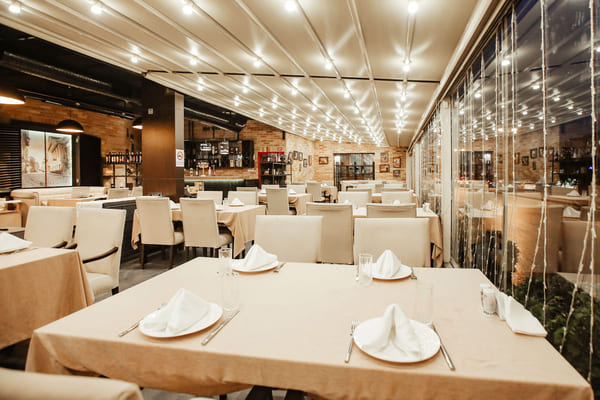
- Choose chair designs that are coherent with your restaurant’s interior concept, like vintage, modern, rustic, or contemporary. It will enhance your brand identity and deliver an amazing guest experience.
- Metal, upholstered, solid hardwood, plastic- each material sets a different tone for your restaurant. For example, dining chairs with a velvet fabric upholstery add an exclusive statement of luxury to the interior. On the other hand, solid hardwood chairs with a rustic stained surface blend seamlessly with a contemporary interior.
- Stunning looks will take the backseat if the restaurant chair isn’t stable enough. For this, consider the furniture’s seat height, depth, and construction.
2. Think About Your Target Customers
Question yourself, who will visit your restaurant the most? Is it the families or elderly people? Are you targeting youngsters and teenagers? Based on the answers you get, you have to find the perfect restaurant chair. Here’s a brief guide on what type of chairs you should look for based on your target customers.
- Families with children: The chairs need to be sturdy with easy-to-clean surfaces, as there will be a high chance of food spillage. Optional high-chair alternatives will cater to families having little ones in the group.
- Millennials and young professionals: Instagram-worthy and trendy restaurant chair design will serve the purpose of making the aesthetics look immensely stylish.
- Business clientele: For this target audience group, opt for professional-looking chairs having a sleek design and proper ergonomic support. Sophistication should be your priority.
- Elderly guests: Look for assisted living chairs that will make your elderly customers feel safer and more comfortable as they dig into your delicacies.
- Fine-dining patrons: Plush and elegant chairs with rich surface finishes or high-end fabric upholstery will help you cater to these guests, who usually look for luxury.
3. Evaluate Space and Layout
Practicality and functionality go hand in hand, especially for a commercial dining setup. So, in this guide, we will explore a few principles you have to keep in mind concerning the layout and space.
- Measure the interior space accurately, especially the areas between the dining tables, aisles, and the walls.
- For tighter spaces, foldable and stackable chair designs will help you create a perfect dining layout and maximize space utilization.
- Armless side chairs will help you increase seating capacity, thanks to their reduced space occupancy.
- Ensure the chair size pairs well with your table height and shape. Proportioned setup will create the perfect balance.
- Chairs should have a minimum gap of 18 to 24 inches to provide ample space for moving around.
4. Set a Budget
Consider the financial aspect while deciding on the perfect restaurant chairs. There’s no point in investing in costly furniture if it means withdrawing funds from other critical tasks, like getting new kitchen appliances or setting up an outdoor patio area.
If you look carefully, affordable chairs can also maintain the desired comfort level and add more functionality to a commercial setup like restaurants.
5. Read reviews and get recommendations
Lastly, go through the online reviews for the chairs you have shortlisted. These will let you know details that can’t be found on the manufacturer’s website otherwise. You can also check for recommendations from other users to understand if your selected restaurant chair is tangible with the vibes you want to create.
Conclusion
With this restaurant chair guide, you can rest assured that you no longer have to worry about making a wrong investment. Since this furniture is crucial for delivering an optimal guest experience and making your restaurant functional, there shouldn’t be any compromise. So, follow this guide thoroughly and make a practical and tangible choice.