
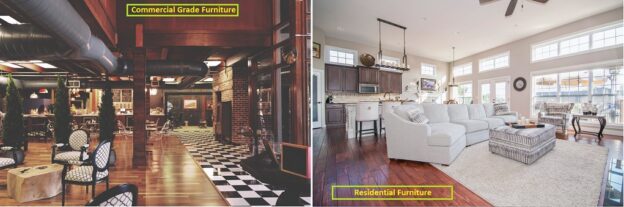
Furnishing a commercial establishment requires an altogether different approach than buying furniture for your home. Unlike residential furniture, commercial furniture has to meet specific requirements according to your business. Whether you are furnishing your new restaurant or redesigning your office space, you must know the difference between commercial grade furniture and household furniture.
What is Commercial Furniture?
Commercial furniture refers to durable, purpose-built furniture designed for business, industrial, and public environments such as restaurants, offices, hotels, and healthcare facilities. It is engineered for heavy use, safety, and long-term performance.
Commercial furniture is built differently than the stuff you buy for your home. It needs to handle constant use in restaurants, offices, hotels, and other busy spaces where dozens of people sit, lean, and move furniture around every day.
The difference isn’t just about looks. Commercial pieces use stronger materials and reinforced frames that hold up under heavy use. The finishes resist scratches, stains, and wear that would ruin residential furniture in months. And everything meets safety codes and industry standards that don’t apply to home furniture.
This construction costs more upfront. But it lasts longer and needs fewer replacements, which matters when you’re furnishing a business.
Commercial Furniture Vs Residential Furniture: The Real Difference
When you’re buying furniture, knowing the difference between commercial and residential pieces matters. Both look good and serve a purpose, but they’re built differently. Commercial furniture handles heavy use in businesses. Residential furniture works fine for homes. Here’s what separates them so you can pick the right one for your space.
| Feature | Commercial Furniture | Residential Furniture |
|---|---|---|
| Purpose | Made for businesses, restaurants, hotels, and offices where many people use it daily. | Made for homes where fewer people use it less often. |
| Durability | Built with heavy-duty materials to handle constant use, spills, and moving around. | Uses lighter materials that work fine for home use. |
| Material Quality | Uses reinforced steel, solid wood, and fabrics tested for strength and fire safety. | Focuses on style and comfort more than industrial strength. |
| Design Standards | Must meet safety standards like ANSI/BIFMA for stability and performance. | No required standards. Design is based on what looks good. |
| Maintenance | Easy to clean. Surfaces resist stains and scratches. | May need careful cleaning. Finishes wear faster with heavy use. |
| Lifespan | Lasts years longer. Often comes with 5–10 year warranties or more. | Shorter life. Usually 1–3 year warranties. |
| Customization | Lots of options to match your brand, space layout, and design needs. | Limited options focused on personal taste and home style. |
| Cost | Costs more upfront because of better materials and safety compliance. | Usually cheaper but may need replacing sooner. |
| Comfort | Balances comfort with function and durability. | Puts comfort and looks first. |
| Examples | Restaurant chairs, hotel sofas, office desks, café tables, waiting room benches. | Living room sofas, dining tables, recliners, bedroom furniture. |
A] Commercial Interior Design Vs Residential Interior Design:
While the interior design of a residential space deals with creating a comfortable personalized space, commercial interior designing requires meticulous planning of space and facilities for groups of people. For example, you might want to highlight branding in a restaurant or instill a work culture in the interior design of office space.
Moreover, commercial spaces like gyms, restaurants, schools, offices, hospitals, etc. require furniture designed for heavy use. Some of the key factors that guide the furniture selection for commercial use are
1. Durability:
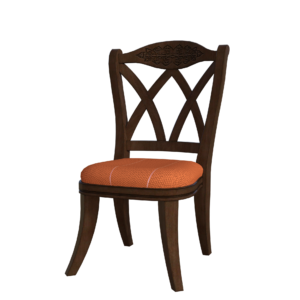
Since commercial chairs gets moved, shifted, and handled a lot, it must be robust and sturdy. Most of the furniture for commercial usage feature heavier, more durable parts for long-lasting use.
2. Cost of Commercial Furniture:

Some commercial-grade furniture can initially cost you more than the furniture intended for residential use. However, this extra investment often proves to be cost-effective in the long run due to the lower cost of maintenance and higher reliability.
3. Accessibility of Commercial Furniture:

While designing a commercial space, you have to make provisions for utility areas like public gathering space, stairs, lobby, emergency exits, lifts, etc. Additionally, commercial furniture in the workplace must be usable for employees with varying heights, weights, disabilities, etc.
4. Compliance with Regulations:
Being a work area, every element of the interior design must adhere to the local regulations. For example, most of the cities have strict requirements for safety aspects of a commercial building.
B] Types of Furniture to Select for Establishment:
Before finalizing a furniture decision for your workplace, you must research its styles, materials used, manufacturing processes, etc. When it comes to restaurant furniture, it should complement the ambiance and the overall theme of your restaurant. Some of the most common styles of restaurant furniture design are:
- Industrial style for wide-open spaces using a mix of wood and metal furniture with bold accents.
- Vintage-style furniture using classic wooden furniture that offers old-world charm and rustic feel.
- Modern restaurant furniture with elegant and minimalistic design with optimized functionality.
- Retro style furniture with customized booths in bright colors offers an entertaining ambiance to your guests.
- Country style traditional furniture with English decor, wooden furniture, and ambiance for offering a cozy feeling to your guests.
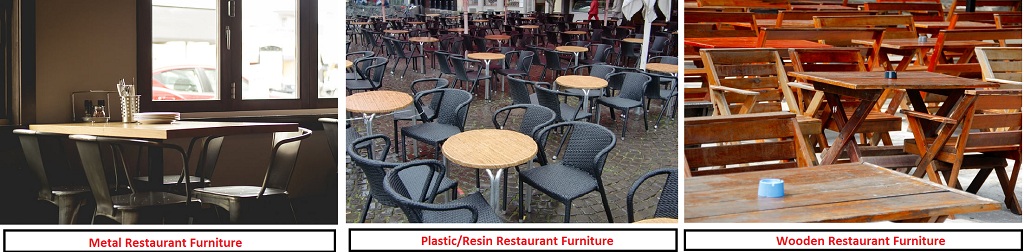
Similarly, depending on the atmosphere you want to create in your restaurant, you can decide from the following key materials for the furniture:
I} Wood:
One of the oldest and most popular materials for restaurant interior furniture, it gives a warm tone to any space. Proper maintenance and regular cleaning of wood furniture will ensure it lasts a long time.
II} Metal:
Durable yet light-weight, metal furniture is easy to clean, cost-effective, and available in different shapes, sizes, and colors to go with every restaurant ambiance.
III} Plastic:
Light-weight plastic is affordable, available in bright colors, resistant to corrosion, and is convenient to stack, store, and move around the restaurant.
C] Meet the Standards for High-Quality Commercial Furniture:
While buying commercial furniture, ensure that it is made from top-notch quality and meant for heavy use in the hospitable industry. Commercial-grade furniture goes thorough quality checks on its strength, stability, and load-bearing capacity. All these tests ensure the durability and reliability of the furniture. Although high-quality furniture might cost you a bit more, it outlasts typical residential furniture and saves expenses in constant repair and maintenance.
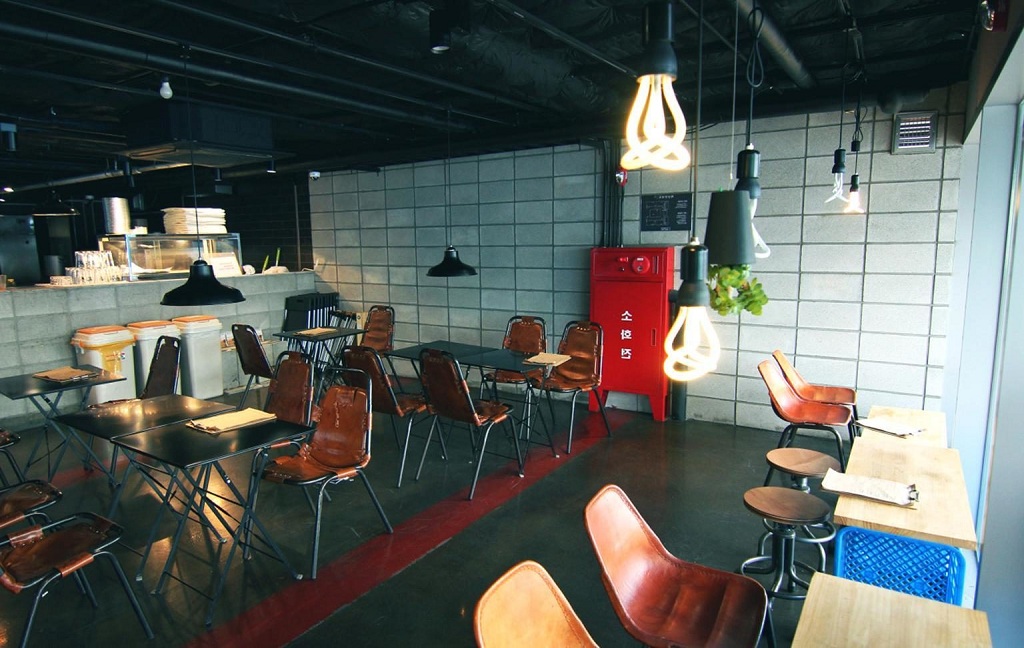
Just as you prefer commercial-grade, heavy-duty appliances in your restaurant’s kitchen, you should consider buying commercial furniture in your restaurant’s dining area as well. For example, while general-purpose chairs usually sport 22-20 gauge metal frames, most of the commercial restaurant chair have 18 gauge frames that offer more strength and durability. Similarly, fabric for upholstery in commercial furniture is resistant to stain, fading, scratch, UV radiation, etc. for continuous indoor and outdoor usage.
D] Practicality and Ease of Use:
Whether it is residential or commercial furniture, it needs to be practical and functional. However, commercial-grade furniture should be reliable for daily use as well. Additionally, if your establishment is open to the public, the furniture’s design must represent your company’s image and be visually appealing.
Similarly, you should be able to clean and maintain the furniture easily and quickly. For example, if yours is a restaurant that witnesses huge traffic, lightweight commercial restaurant tables and chairs are hassle-free in moving and shifting for a quick-cleaning after guests leave. By minimizing the time taken to clean and maintain your restaurant furniture, you can work on other aspects that improve the overall customer experience.
E] Key places for Commercial furniture
Regardless of your industry, all leading experts recommend you to use it. Rather than buying furniture from an unverified seller, it pays to contact a professional expert. An experienced seller will cater to your customized requirements, and he might also advise on crucial restaurant design aspects. Moreover, you get not only peace of mind, but you can even save further by ordering furniture in bulk.
Conclusion:
Commercial furniture must not only complement your restaurant’s interior design, but it must also be durable, reliable, functional, practical, visually appealing, and cost-effective in the long run. This article discusses the different aspects of commercial-grade furniture and how it differs from residential furniture. Hopefully, these tips will guide you in selecting the perfect furniture for your establishment that add value to your business.