
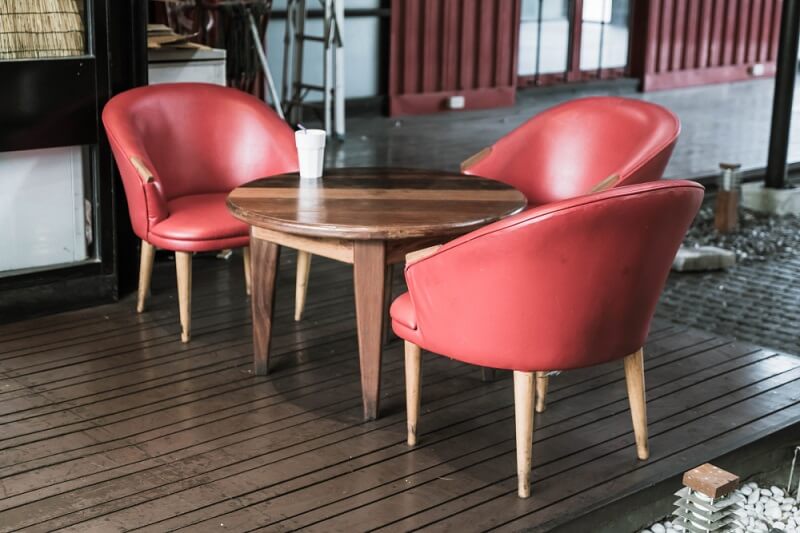
Have you noticed the abundance of vinyl furniture used in restaurants? Vinyl has long been one of the most popular options in restaurant furniture. There are many vinyl seating options for restaurants such as vinyl booths, barstools and chairs.
Vinyl is a workhorse. Restaurants, patios, and offices use it because it’s tough and easy to clean. But vinyl needs the right care. Clean it wrong and the finish dulls, it can get sticky, or it may crack sooner.
This guide shows simple, safe steps. You’ll get exact cleaning mixes, stain fixes, prevention tips, and a short maintenance plan you can follow. Read the quick answers if you’re in a hurry. Then use the deeper sections for tougher stains and long-term care.
What is Vinyl Furniture?
Vinyl is a material processed from ethylene and salt to create a type of plastic. The term vinyl is shortened from PVC, or polyvinyl chloride. Basically, vinyl is a fabric created to be similar to natural leather, while being much less expensive but still very durable.
Here’s an interesting tip if looking at fabric and leather, you can tell if a fabric is leather as both sides look alike, while the back side of vinyl will look vastly different.
Why is Vinyl So Popular For Use in Restaurants?
Vinyl is popular in restaurants because it’s durable, easy to clean, stain-resistant, and cost-effective. It withstands heavy use, resists spills, and offers a wide range of colors and styles, making it practical for busy dining spaces.
Beyond its durability, vinyl also helps maintain hygiene since it doesn’t absorb food or drink spills the way fabric does. Restaurant owners prefer it for restaurant diner booths, chairs, and commercial bar stools because it balances function with style. With low maintenance needs and a long lifespan, vinyl remains one of the most reliable and economical choices for commercial dining furniture.
Vinyl material requires little maintenance. Many types of vinyl furniture, such as metal or wood vinyl restaurant chairs can be recovered should the seating suffer any irreparable damage.
There are many different colors of vinyl available. Since vinyl matches almost any style of restaurant tables, it can seamlessly integrate into almost every restaurant décor.
Some less expensive chairs covered in vinyl could be matched with a similar color luxurious upholstered fabric chairs to dress up the restaurant, while still maintaining your budget.
Many restaurant furniture suppliers offer restaurant chairs and bar stools options with different grades of vinyl. Since there are a variety of grades of vinyl available, there is an option for every budget.
Materials to Avoid When Cleaning Vinyl Furniture
Using the wrong cleaners on vinyl can cause fading, cracking, or permanent damage. Harsh chemicals and abrasive tools break down the material’s surface, reducing its lifespan. Always avoid the following products when cleaning vinyl furniture:
- Acetone or nail polish remover.
- Strong solvents (paint thinners, undiluted alcohol).
- Abrasive scouring pads or steel wool.
- Concentrated bleach without dilution.
- Petroleum-based solvents.
These will strip the surface, remove color, or damage the backing.
How to Clean Vinyl Furniture: Best Ways to Clean
This is a simple, safe routine you can use most of the time.
What you will need
- Mild dish soap (plain, no degreaser).
- Warm water.
- Microfiber cloths.
- Soft nylon brush or soft toothbrush.
- Isopropyl alcohol (70%) for ink (test first).
- White vinegar (optional for mildew).
- Towels for drying.
How to clean vinyl furniture daily: Step-by-step
Step 1: Remove loose dirt and crumbs.
Step 2: Mix solution: 1 tsp mild dish soap per 1 liter of warm water.
Step 3: Dip a microfiber cloth, wring it out so it’s damp, not dripping. Wipe the surface.
Step 4: Rinse the cloth in clean water and wipe again to remove soap residue.
Step 5: Dry with a towel.
For Deeper clean (weekly or as needed)
Step 1: Use the same soap mix but scrub gently with a soft nylon brush on textured areas or seams.
Step 2: Rinse with a second cloth and clean water.
Step 3: Dry thoroughly to avoid water sitting near seams.
Note: Always test any cleaner in an invisible spot first. Do not use abrasive scouring pads. They scratch. Do not soak vinyl. Excess water can creep into seams and padding.
How to Remove Different Types of Stains From Vinyl Furniture
If any stains are noticed on your restaurant furniture, clean them quickly with a little soap and water. If this does not remove the spill, try a mild commercial vinyl cleaner recommended for vinyl furniture.
Be careful when you are cleaning vinyl with soap and water to completely dry the vinyl after cleaning. If an excessive amount of water is left on too long, it could soak through and damage the vinyl.
Coffee or tea
- Blot fresh spill with a paper towel. Don’t rub.
- Wipe with the mild soap solution.
- If residue stays, repeat with a soft brush.
- Rinse and dry.
Grease or oil
- Blot up excess with paper towel.
- Sprinkle a thin layer of cornstarch or baking soda. Let sit 10–15 minutes to absorb oil.
- Brush off powder and clean with soap solution.
- Repeat if needed.
Ink or marker
- Test a hidden spot with isopropyl alcohol (70%).
- If safe, moisten a cotton swab with alcohol and dab the ink gently. Work small areas.
- Wipe with soap solution and rinse.
- If ink is old or deep, consider a commercial vinyl cleaner designed for ink removal.
Dye transfer (from jeans)
- Start with soap solution and mild scrubbing.
- If color persists, use a small amount of isopropyl alcohol on a swab. Test first.
- For stubborn dye, a commercial upholstery cleaner formulated for vinyl may work better.
Mold and mildew (outdoor vinyl)
- Mix 1 part white vinegar to 3 parts water. Test colorfastness first.
- Wipe the mildew area, let sit 5–10 minutes, then rinse thoroughly.
- For heavy mold, a diluted bleach solution (1 part bleach to 10 parts water) can be used with caution. Rinse well and avoid prolonged exposure. Be mindful that bleach can fade colors.
Rust or metal stains
- Try a paste of baking soda and water applied gently.
- For persistent rust, special rust removers exist, but test first and avoid strong acids that can damage vinyl.
Important Note: Don’t use acetone, nail polish remover, or strong solvents on the Vinyl furniture. Strictly Avoid abrasive powders or steel wool. They will mar the finish.
How to Care & Maintain Vinyl Furniture in a Restaurant
Routinely caring for your vinyl fabrics will increase their longevity and durability. It is important to set up a routine maintenance plan to inspect, clean, and condition your vinyl furniture.
What should this maintenance plan involve?
As discussed above, cleaning vinyl is relatively simple with a little soap and water. While vinyl is fairly easy to maintain, it can be damaged by sunlight, harsh chemicals and prolonged exposure to water.
If possible before purchasing vinyl furniture, carefully consider whether it will be placed in a very sunny location.
Using a conditioner specifically recommended for use on vinyl will help prevent damage from sunlight. Make sure the conditioner you purchase is specifically recommended for vinyl fabrics and not leather.
You can avoid damage from harsh chemicals by quickly wiping up anything spilled on your vinyl, and ensuring you are using a mild cleaner specifically for vinyl fabrics.
To avoid damage from water or other liquids, make sure water, drinks or spills are wiped up and dried off quickly.
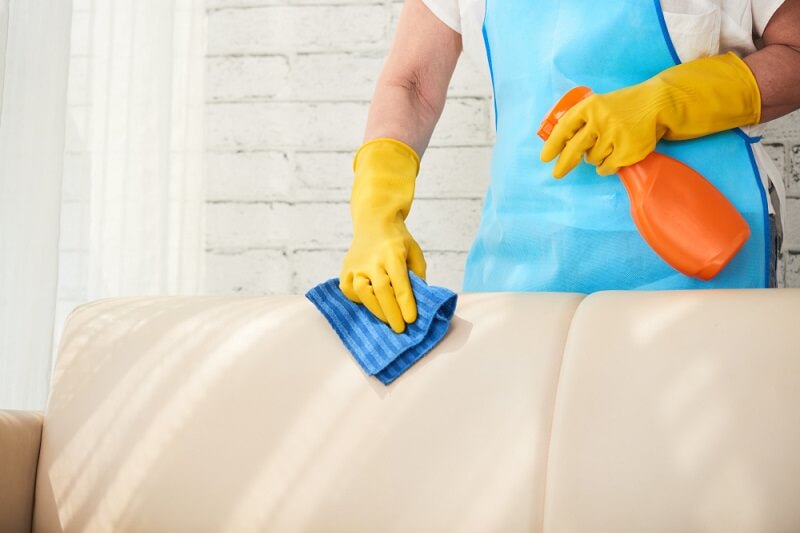
Minor tears in vinyl can be repaired with vinyl repair kits. If the damage to the vinyl is more severe, recovering the whole seat can be considered. Recovering the seat is a much less expensive option than replacing a whole chair or barstool that is in otherwise good condition.
Knowing just these few basics regarding vinyl restaurant seating will maximize your investment and keep your furniture looking great for a long time.
How to Condition Vinyl Furniture?
- Cleaning The Furniture
To start, use a mild soap and water solution to gently clean the vinyl furniture and get rid of any dirt or grime. Rinse it well, then let it air dry fully.
- Choose the right vinyl conditioner
Look for a vinyl conditioner made especially for furniture. Make sure the product is compatible with the material of your furniture by reading the label.
- Test in an inconspicuous area
Test the conditioner in a small, inconspicuous area before using it all over the furniture piece to be sure it won’t damage or discolor it.
- Apply the conditioner
Apply a tiny amount of the vinyl conditioner onto a soft, lint-free cloth. Circularly massage the conditioner into the surface of the furniture. Make sure to uniformly cover the entire surface.
- Allow absorption
Allow the conditioner to rest on the furniture for the period advised on the product label. This enables the vinyl to absorb the conditioner and regain its wetness and elasticity.
- Wipe off excess
Use a fresh cloth to remove any extra conditioner from the furniture once the specified amount of time has passed. To avoid a sticky or greasy feeling, make sure to remove any leftover material.
- Buff for shine
To improve the brightness and smoothness of the vinyl furniture, buff it with a clean, dry cloth if required.
- Repeat as needed
To maintain the quality and beauty of the vinyl furniture, you might need to repeat the conditioning procedure from time to time, depending on its condition. To use the product at the suggested frequency, follow the directions.
Final Thoughts
Vinyl is forgiving when you treat it right. Clean spills fast. Use mild cleaners. Condition regularly. Avoid harsh chemicals and abrasives. For heavy stains or migration issues, seek a pro.
If you manage restaurant booths or high-use vinyl seating, a simple printed checklist helps staff keep the job consistent.
Frequently Asked Questions
For those looking for a sturdy and affordable solution that is also easy to clean, vinyl furniture is an excellent option. Vinyl furniture can be cleaned with a moist cloth or some mild soap, making it simple to maintain.
Furniture made of vinyl is known for being strong and resistant to scratch. It is a man-made substance formed of polyvinyl chloride (PVC), a substance known for its strength and durability.
Although vinyl can be made to look like leather, faux leather is usually considered to be less durable. Vinyl is less likely to break or peel over time and can sustain greater wear and tear. Vinyl is a popular option for those on a budget as it is more affordable than faux leather.