Author Archives: Gayla

How to Find Perfect Patio Table Sizes for Your Restaurant?

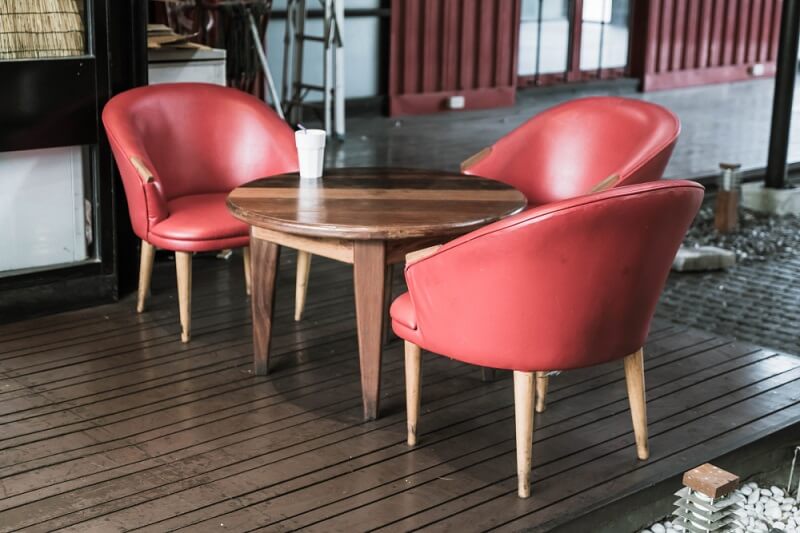
Outdoor dining can do wonders for your restaurant business. It not only extends your restaurant’s seating capacity but allows your guests to enjoy dining amidst fresh air as well. However, since there are many elements to master, setting up outdoor dining in your restaurant can get intimidating. Patio tables are the most crucial aspect of any outdoor dining area, and you must select them wisely. You must do some research to select the perfect outdoor table sizes to optimize your patio space.

How to Find Perfect Size for Restaurant Patio Dining Table?

Since there are endless options in the shape, size, and material of patio tables, it is never straightforward to find the perfect outdoor table dimensions, especially if you do not know your requirements. Before you go out shopping for your restaurant patio furniture, here are a few questions to ask yourself:

1. How Many Guests Do You Want to Sit Comfortably On Your Patio Table?

Naturally, outdoor tables’ sizes are available according to the number of persons they can accommodate. As a general rule of thumb, you will need around 300 square inches per person. Most commercial restaurant tables are available in seating capacities of 2, 4, 6, 8, or 10 persons.

2. What is the Size of Your Patio?

Outdoor dining is popular for its relaxed, laidback atmosphere. Unlike cramped indoor dining in restaurants, the patio is airier and more spacious. As an industry-standard, you must leave a gap of about 25-30 inches on either side of the tables to allow your guests to sit down and get up comfortably. Further, you need a working space of another 25-30 inches to allow the movement of your staff and guests.

3. How is Your Patio Surface?

The type of surface of your restaurant patio affects its load-bearing capacity and thereby restricts the size of the table. Some of the most common surfaces in the commercial patio are flagstone, concrete, wooden, pavers, etc. Similarly, you have to check whether the surface finish is smooth or rough.

4. What is the Shape of Your Patio?

Most restaurant patios are rectangular, square, or free-forming in shape. Ideally, the shape of your dining table should match your patio’s shape. For free-form or irregular spaces, you can use a combination of circular, oval, or rectangular tables to maximize your seating capacity.

Which Material Should You Choose for Your Restaurant Patio Dining Table?

Commercial dining tables are available in several materials, and each one has its own pros and cons. So, which is the best material for your patio table? Well, it is not a simple answer. It depends on your requirements, preferences, and the atmosphere you wish to create.

It also depends on your budget, the type of tables you use indoors, weather conditions, etc. Some of the most popular materials for outdoor restaurant tables include:

1. Granite:

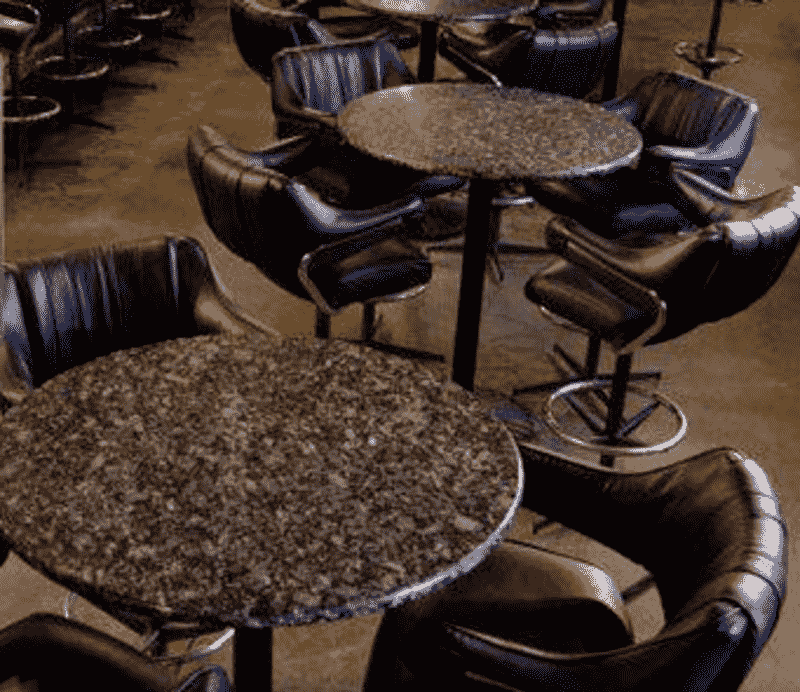
Granite, being one of the toughest materials, is an excellent choice for outdoor tables in restaurants. Additionally, it offers sufficient resistance to heat, scratches, or chips. Granite is inherently hardened magma and has a distinctive pattern that results in a stunning, unique look. Although it is more expensive than its counterparts, versatile, strong granite provides great returns on your investment.

2. Metals:

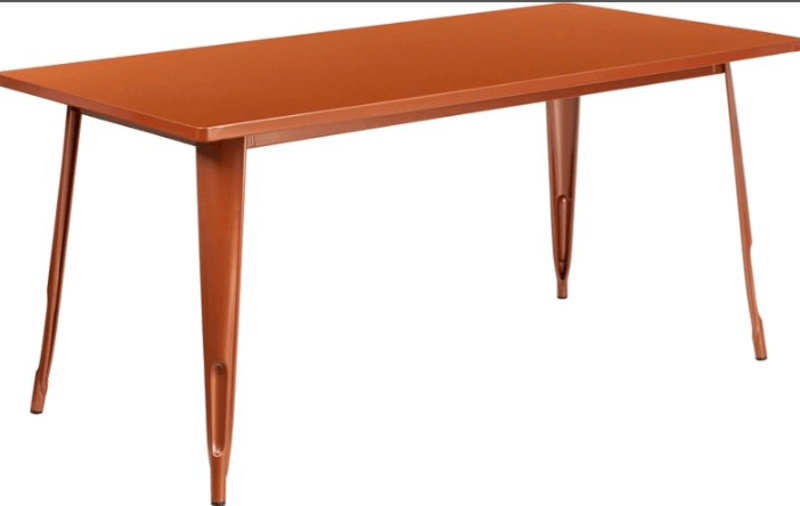
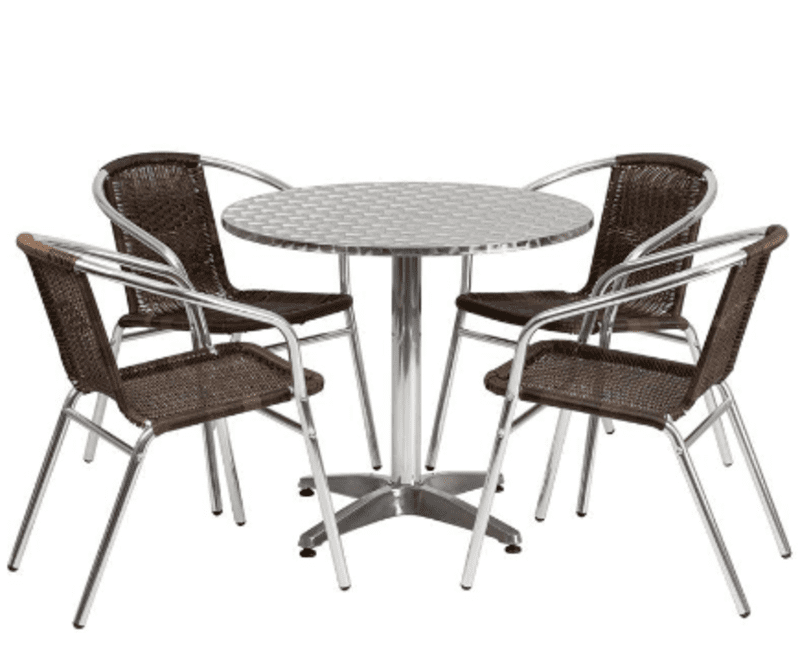
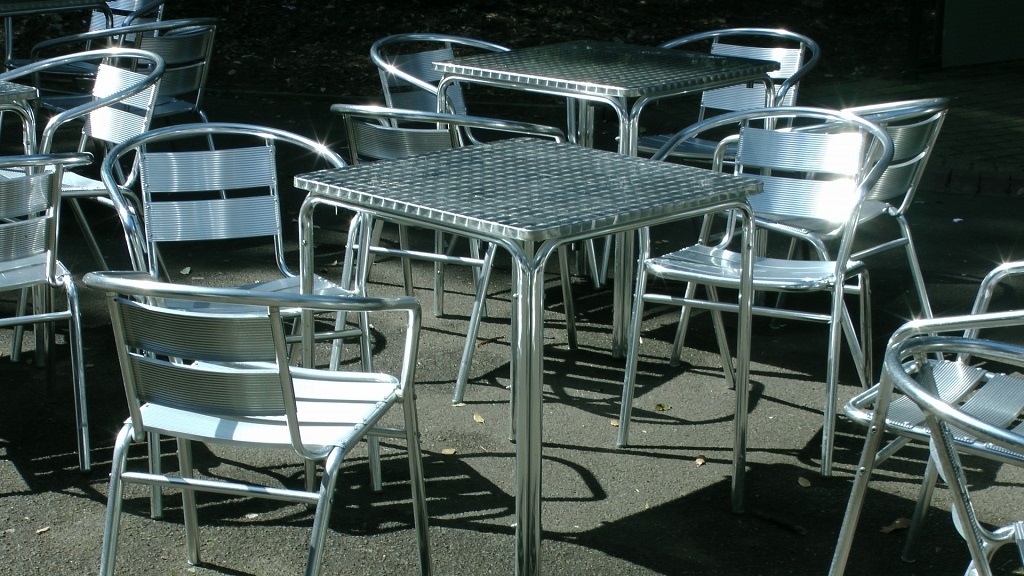
Metals have been one of the oldest materials used for commercial furniture. For example, wrought iron is famous for its vintage, premium look and can last for decades if maintained properly. Similarly, stainless steel offers sufficient resistance to rusting and corrosion and is an excellent choice for outdoor use. If you are tight on your budget, aluminum is a lightweight yet durable material which is easy to clean and maintain.

3. Wood:

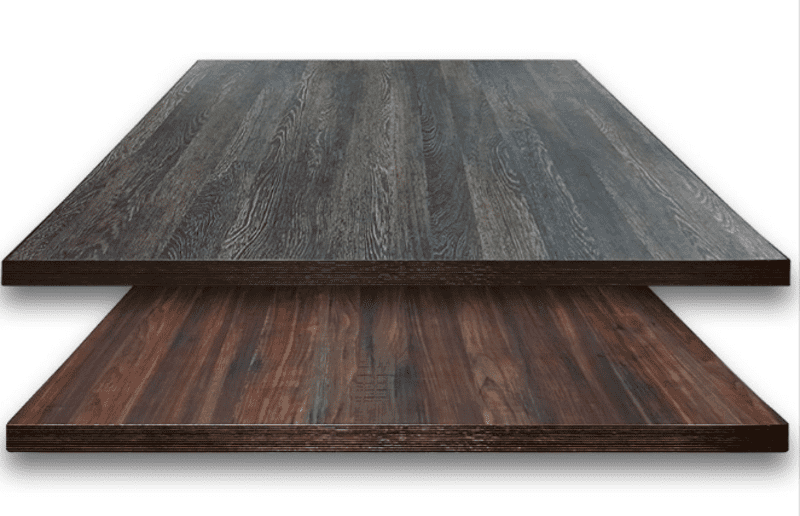
The rustic, old-world charm of evergreen, textured wood is unbeatable. Although many wooden tables are seldom suitable for outdoor use, you can go for faux teak, which uses a protective sealant. These protective layers make them repel moisture, are easy to clean, and perform better in extreme outdoor conditions like heat, rain, and wind.

4. Resin/Plastic:

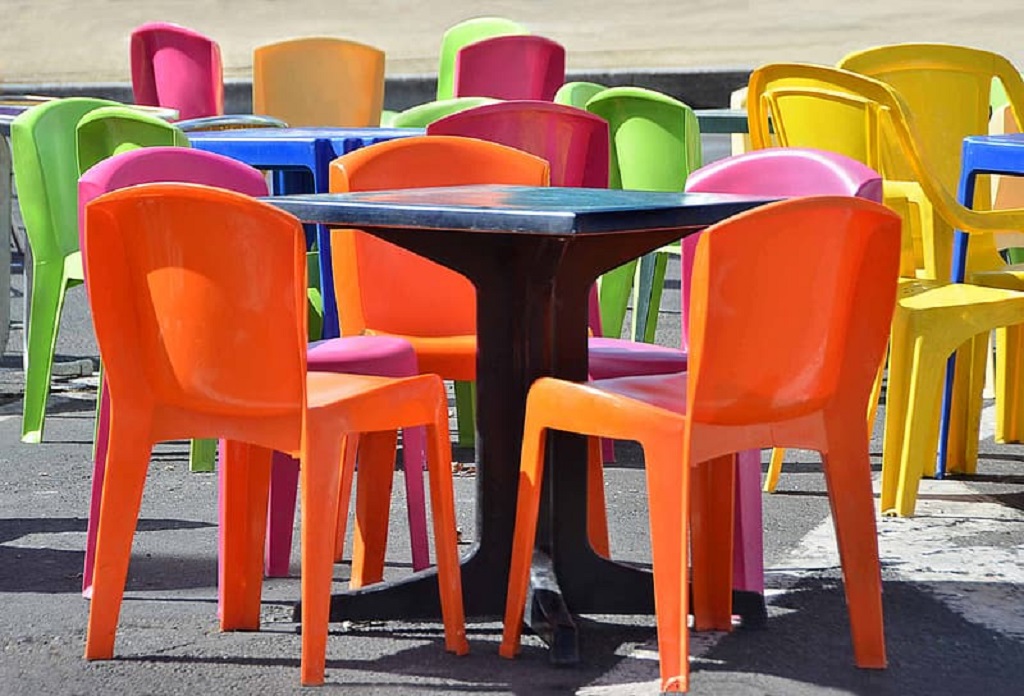
Lightweight, inexpensive plastic restaurant tables offer sufficient protection against corrosion and fading. They have become one of the most sought-after materials thanks to their minimalistic design and availability in vibrant colors in eye-catching shapes.

What Shape Should Your Restaurant Patio Table Be?

When it comes to commercial patio tables, you can choose from these popular shapes:

1. Square Patio Tables:

As your guests sit equidistant from each other, a square patio table offers intimacy and encourages conversation. Generally, square tables are preferred for 2 to 4 persons (30 inches), but you can get them as big as 64 inches to accommodate 12 persons.

2. Rectangular Patio Tables:

For any commercial setup, rectangular tables offer flexibility for large groups. They should be worked into the layout of your patio at the onset if you are purchasing extra long community rectangular tables. Rectangular tables come are available as small as 30 inches in length up to 102 inches.

3. Oval Patio Tables:

Although they are similar to the rectangular tables in footprint, oval tables appear to be space-efficient. Since they do not have corners, it is easy to add chairs to seat larger groups. Typically, oval patio tables are available in the range of 60 inches to 84 inches.

4. Round Patio Tables:

Perfect for smaller spaces, round patio tables have an informal yet social aura around them. Most commercial round tables are available in diameters of 24 inches to 60 inches. Round tables make it easy to slide in an extra chair around the table for unexpected guests. Check out our round table sizes and seating capacity guide to find out what size you would need for your restaurant.


What Restaurant Table Base Do You Need?

Just like table tops, bases for restaurant patio tables come in different sizes as well.

  • Round and oval tables usually feature a pedestal base that provides spacious leg-room underneath the tables. Also, such a design allows adding another chair to seat your guests when required.
  • Square and rectangular tables generally have a cross-beam support through legs at each corner known as a T-base. X-bases are also quite often used with smaller square tables. Sometimes larger rectangular tables come with a double pedestal design, symmetrically placed towards the end of the table.

How to Select Your Chair Material & Features?

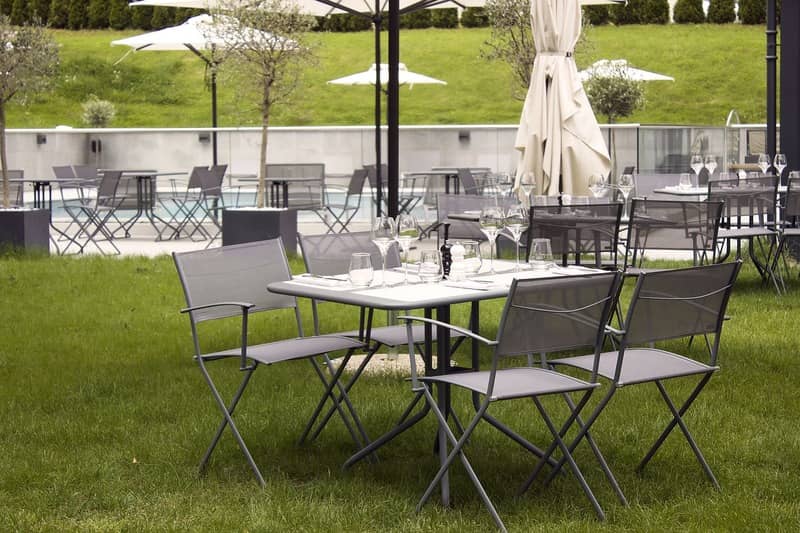
Aluminum patio chairs are lightweight, waterproof, and are an excellent choice for patios, especially if you require flexibility in shifting them. Alternately, you can consider weave chairs that resemble wicker, clear molded polycarbonate for a contemporary design, or cast aluminum for an industrial or vintage look. Opting for cushions, either full chair cushions or seat cushions, or upholstered seats are a great way of showing that you care for your guests’ comfort.

Also, patio chairs come with several options to match your budget or requirement. For example, if you are low on storage space, you can consider stackable chairs. Similarly, a wide variety of restaurant chairs are available with or without arms to match your patio design.

How Much Space Do You Need to Place Your Patio Dining Furniture?

Traditionally, most restaurant chairs have a depth of 18 to 25 inches. Additionally, you will need some space (usually around 4 to 8 inches) to move the chair away while getting in and out. Therefore, you will require around 30 inches of spacing from the table’s edge on each side. For example, if you have a 48-inch round or square table to seat 4 guests, you will need at least 108 inches (30” [Chair on one side] + 48“[Table Width/Diameter] + 30” [Chair on the opposite side]) per table. Further, leave around 30 inches between two tables for easy movement of your staff/ other guests.

That’s all! Go pick your outdoor furniture

Now that you have covered everything, time to shop for your outdoor restaurant furniture. Get in touch with a wholesale manufacturer of commercial furniture and discuss your requirements. Moreover, you can save on the retailer’s commission by dealing with the manufacturer directly. Also, you can get bulk discounts by ordering all your furniture at once. If your patio is spacious, you can consider accent tables or side tables to fill the space and add to the décor.

Finding the perfect patio table dimensions requires you to take a stock of your requirements and available space. With the right patio table size, you not only optimize your seating capacity but also create an inviting ambiance. This comprehensive patio table size guide highlights all the aspects you need to consider while planning your restaurant patio. Hopefully, these points help you create a stunning patio design that attracts more customers and stands out from the competition.


Frequently Asked Questions

Q.1 What size do patio tables come in?

Answer:

Rectangular: 30 inches to 102 inches

Square: 30 inches to 64 inches

Round: 24 inches to 60 inches

Oval: 60 inches to 84 inches

Q.2  What is a 6-seater patio table size?

Answer:

Round Table: 60” (Diameter)

Rectangular: 72”(Length) X 42” (Width)

restaurant-furniture-materials

What Are the Types of Restaurant Furniture Material?

Selecting the perfect furniture for your restaurant sets the tone of the dining experience. Before your guests can order or taste the food, your restaurant’s ambiance, along with the furniture, can tell customers a lot about the quality they should expect.

A restaurant furniture materials at your restaurant should be durable yet light-weight, visually appealing yet functional, high-quality yet budget friendly.

Types Of Restaurant Furniture Material and Its Pros & Cons

From heavy iron-cast metallic to light-weight aluminum, from plastic to wooden, Restaurant furniture come in many different materials from cast iron bases, to aluminum chairs and bar stools and metal or wood tables. Each material has its advantages and disadvantages. Let’s discuss each of these materials in detail and look into their merits and demerits:

1. Metal Furniture:

Probably the most durable material, restaurants have been using metal restaurant furniture for quite a while now. Due to high tensile strength, aluminum or steel metal furniture fits in a variety of restaurant styles and is an excellent material for use in restaurants.

Read This Also: How to Buy Metal Restaurant Furniture

Metal Restaurant Furniture

  • Pros:

  1. One of the strongest materials for manufacturing restaurant furniture and welded joints add to durability.
  2. Metal chairs and tables are a budget friendly option.
  3. Many outdoor metal chairs are stackable.
  4. Outdoor metal chairs are lightweight and easy to move or store when not in use.
  5. Painted metals are difficult to chip or scratch.
  • Cons:

  1. Some metal table and chair styles are prone to react with moisture and are not suitable for outdoors. Look for metal styles such as aluminum specifically rated for outdoor use.
  2. Their simple design may not be the best option for some restaurant styles.

2. Plastic Furniture:

Plastic is a very common material for restaurant furniture. Mass-production of plastic chairs and tables make them budget-friendly.

Polypropylene and polycarbonate are the common choices for plastic furniture. While polycarbonate is tough and durable, some polypropylene can be cheap and light in weight. Using plastic furniture adds versatility to your restaurant.

Plastic Restaurant Material

  • Pros:

  1. Plastic chairs and tables are available in a variety of forms, colors, and patterns.
  2. Light-weight
  3. Easy to stack and maintain.
  4. Plastic furniture provides value for your money.
  5. Since plastic furniture is available in volumes, there is a color and style for every budget.
  • Cons:

  1. Plastic tables lack strength.
  2. Plastic furniture can be scratched
  3. If using outdoors, check the weight of your plastic chairs if you’re in a very windy location as they are susceptible to be blown by strong winds.

3. Aluminum Furniture:

Aluminum is another popular material for restaurant tables and chairs. Many restaurant owners choose aluminium restaurant chairs and aluminium bar stools for their restaurant as it offers the perfect mix of lightweight plastic and the strength of a metal and it is easy to maintain in the restaurant and changing the position due to its lightweight nature.

Aluminum furniture is available in either natural or painted finish to go with your restaurant’s interior. Moreover, you can use aluminum furniture indoor as well as outdoor. Due to its versatility, durability, and cost-effectiveness, aluminum is often the go-to choice for restaurants in all price ranges.

Aluminum Restaurant Furniture

  • Pros:

  1. Resistance to corrosion or rusting makes aluminum an excellent material for outdoor setup.
  2. Since they are light-weight, you can easily maneuver them according to your requirements.
  3. Aluminum furniture is easy to maintain and use.
  4. They are attractive and cost-effective.
  • Cons:

  1. Aluminum furniture may not match the ambiance of some fine dining restaurants.
  2. Aluminum can feel cold to sit on to some customers if your restaurant is in a chilly location.

4. Wood Furniture:

Wood furniture has always had visual appeal and old-world charm. Oak, ash, teak, pine, and beech wood are some of the common timber types used for commercial furniture. As technology evolves, much of the furniture manufacture process is automated these days. This means wooden furniture is available in several surface finishes and stain colors to meet the aesthetics of your restaurant.

Also Read: How to clean a Wood Table in Restaurants

For example, you can use wood restaurant table and chairs to create a rustic look in your restaurant. Whether you opt for lighter-colored wood or its darker hues, it is pleasing for your guest’s eyes.

Wood Restaurant Furniture

  • Pros:

  1. Wood restaurant table tops appear elegant and increase the restaurant’s ambiance
  2. Wooden furniture is durable and lasts long.
  3. Wooden furniture, being a natural material, creates a warm tone to your restaurant and a welcoming setup.
  • Cons:

  1. They can react with water or other liquids so routine cleaning and maintenance are recommended.
  2. Some wood restaurant chairs are heavier than other materials.
  3. Only certain wooden furniture such as teak is suitable for outdoors.
  4. Some woods can be easily scratched so be sure to check with your vendor about a protective finish sealer.

Choose Your Restaurant Furniture Material Wisely!

While selecting the furniture of your restaurant, it depends on your preference, the restaurant’s ambiance, and the theme you want to create. While a particular material might work for your competitor, it might not go well with your restaurant’s interior.

Rather than following a random design trend, evaluate your requirements by considering your budget, clientele, location, etc. Restaurant furniture should be a nice mix of quality, appearance, and functionality.

The article discusses different materials available for restaurant furniture along with their pros and cons. Each material has been in use for quite some time now and is widely available in different shapes, sizes, finishes, colors, and designs. Hopefully, the comparison given in this article helps you in finding the best furniture for your restaurant.

How to clean Vinyl Furniture in a Restaurant

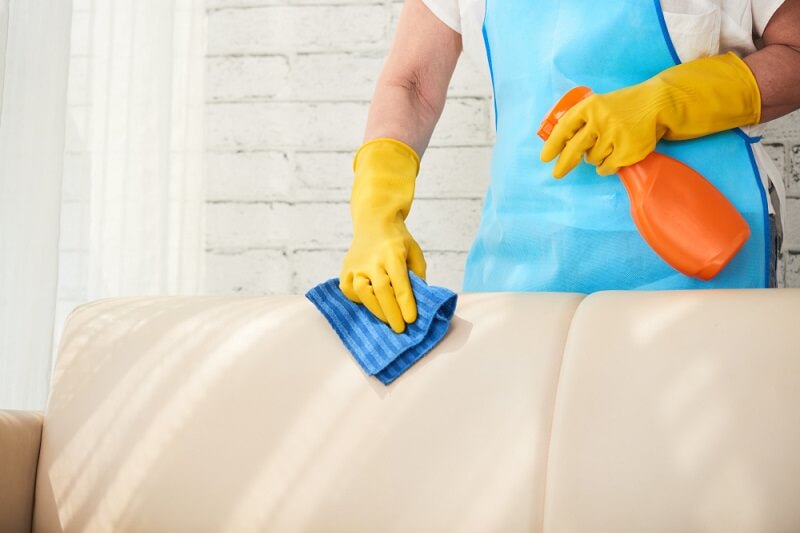
How to Clean Vinyl Furniture: Care & Maintenance Guide

Have you noticed the abundance of vinyl furniture used in restaurants?  Vinyl has long been one of the most popular options in restaurant furniture.  There are many vinyl seating options for restaurants such as vinyl booths, barstools and chairs.

Vinyl is a workhorse. Restaurants, patios, and offices use it because it’s tough and easy to clean. But vinyl needs the right care. Clean it wrong and the finish dulls, it can get sticky, or it may crack sooner.

This guide shows simple, safe steps. You’ll get exact cleaning mixes, stain fixes, prevention tips, and a short maintenance plan you can follow. Read the quick answers if you’re in a hurry. Then use the deeper sections for tougher stains and long-term care.

What is Vinyl Furniture?

Vinyl is a material processed from ethylene and salt to create a type of plastic.  The term vinyl is shortened from PVC, or polyvinyl chloride.  Basically, vinyl is a fabric created to be similar to natural leather, while being much less expensive but still very durable.

Here’s an interesting tip if looking at fabric and leather, you can tell if a fabric is leather as both sides look alike, while the back side of vinyl will look vastly different.

Why is Vinyl So Popular For Use in Restaurants?

Vinyl is popular in restaurants because it’s durable, easy to clean, stain-resistant, and cost-effective. It withstands heavy use, resists spills, and offers a wide range of colors and styles, making it practical for busy dining spaces.

Beyond its durability, vinyl also helps maintain hygiene since it doesn’t absorb food or drink spills the way fabric does. Restaurant owners prefer it for restaurant diner booths, chairs, and commercial bar stools because it balances function with style. With low maintenance needs and a long lifespan, vinyl remains one of the most reliable and economical choices for commercial dining furniture.

Vinyl material requires little maintenance.  Many types of vinyl furniture, such as metal or wood vinyl restaurant chairs can be recovered should the seating suffer any irreparable damage.

There are many different colors of vinyl available.  Since vinyl matches almost any style of restaurant tables, it can seamlessly integrate into almost every restaurant décor

Some less expensive chairs covered in vinyl could be matched with a similar color luxurious upholstered fabric chairs to dress up the restaurant, while still maintaining your budget.

Many restaurant furniture suppliers offer restaurant chairs and bar stools options with different grades of vinyl.  Since there are a variety of grades of vinyl available, there is an option for every budget.

Materials to Avoid When Cleaning Vinyl Furniture

Using the wrong cleaners on vinyl can cause fading, cracking, or permanent damage. Harsh chemicals and abrasive tools break down the material’s surface, reducing its lifespan. Always avoid the following products when cleaning vinyl furniture:

  • Acetone or nail polish remover.
  • Strong solvents (paint thinners, undiluted alcohol).
  • Abrasive scouring pads or steel wool.
  • Concentrated bleach without dilution.
  • Petroleum-based solvents.

These will strip the surface, remove color, or damage the backing.

How to Clean Vinyl Furniture: Best Ways to Clean

This is a simple, safe routine you can use most of the time.

What you will need

  • Mild dish soap (plain, no degreaser).
  • Warm water.
  • Microfiber cloths.
  • Soft nylon brush or soft toothbrush.
  • Isopropyl alcohol (70%) for ink (test first).
  • White vinegar (optional for mildew).
  • Towels for drying.

How to clean vinyl furniture daily: Step-by-step

Step 1: Remove loose dirt and crumbs.

Step 2: Mix solution: 1 tsp mild dish soap per 1 liter of warm water.

Step 3: Dip a microfiber cloth, wring it out so it’s damp, not dripping. Wipe the surface.

Step 4: Rinse the cloth in clean water and wipe again to remove soap residue.

Step 5: Dry with a towel.

For Deeper clean (weekly or as needed)

Step 1: Use the same soap mix but scrub gently with a soft nylon brush on textured areas or seams.

Step 2: Rinse with a second cloth and clean water.

Step 3: Dry thoroughly to avoid water sitting near seams.

Note: Always test any cleaner in an invisible spot first. Do not use abrasive scouring pads. They scratch. Do not soak vinyl. Excess water can creep into seams and padding.

How to Remove Different Types of Stains From Vinyl Furniture

If any stains are noticed on your restaurant furniture, clean them quickly with a little soap and water.  If this does not remove the spill, try a mild commercial vinyl cleaner recommended for vinyl furniture. 

Be careful when you are cleaning vinyl with soap and water to completely dry the vinyl after cleaning.  If an excessive amount of water is left on too long, it could soak through and damage the vinyl.

Coffee or tea

  1. Blot fresh spill with a paper towel. Don’t rub.
  2. Wipe with the mild soap solution.
  3. If residue stays, repeat with a soft brush.
  4. Rinse and dry.

Grease or oil

  1. Blot up excess with paper towel.
  2. Sprinkle a thin layer of cornstarch or baking soda. Let sit 10–15 minutes to absorb oil.
  3. Brush off powder and clean with soap solution.
  4. Repeat if needed.

Ink or marker

  1. Test a hidden spot with isopropyl alcohol (70%).
  2. If safe, moisten a cotton swab with alcohol and dab the ink gently. Work small areas.
  3. Wipe with soap solution and rinse.
  4. If ink is old or deep, consider a commercial vinyl cleaner designed for ink removal.

Dye transfer (from jeans)

  1. Start with soap solution and mild scrubbing.
  2. If color persists, use a small amount of isopropyl alcohol on a swab. Test first.
  3. For stubborn dye, a commercial upholstery cleaner formulated for vinyl may work better.

Mold and mildew (outdoor vinyl)

  1. Mix 1 part white vinegar to 3 parts water. Test colorfastness first.
  2. Wipe the mildew area, let sit 5–10 minutes, then rinse thoroughly.
  3. For heavy mold, a diluted bleach solution (1 part bleach to 10 parts water) can be used with caution. Rinse well and avoid prolonged exposure. Be mindful that bleach can fade colors.

Rust or metal stains

  1. Try a paste of baking soda and water applied gently.
  2. For persistent rust, special rust removers exist, but test first and avoid strong acids that can damage vinyl.

Important Note: Don’t use acetone, nail polish remover, or strong solvents on the Vinyl furniture. Strictly Avoid abrasive powders or steel wool. They will mar the finish.

How to Care & Maintain Vinyl Furniture in a Restaurant

Routinely caring for your vinyl fabrics will increase their longevity and durability.  It is important to set up a routine maintenance plan to inspect, clean, and condition your vinyl furniture. 

What should this maintenance plan involve? 

As discussed above, cleaning vinyl is relatively simple with a little soap and water. While vinyl is fairly easy to maintain, it can be damaged by sunlight, harsh chemicals and prolonged exposure to water. 

If possible before purchasing vinyl furniture, carefully consider whether it will be placed in a very sunny location. 

Using a conditioner specifically recommended for use on vinyl will help prevent damage from sunlight.  Make sure the conditioner you purchase is specifically recommended for vinyl fabrics and not leather.

You can avoid damage from harsh chemicals by quickly wiping up anything spilled on your vinyl, and ensuring you are using a mild cleaner specifically for vinyl fabrics. 

To avoid damage from water or other liquids, make sure water, drinks or spills are wiped up and dried off quickly.

Minor tears in vinyl can be repaired with vinyl repair kits.  If the damage to the vinyl is more severe, recovering the whole seat can be considered.  Recovering the seat is a much less expensive option than replacing a whole chair or barstool that is in otherwise good condition.  

Knowing just these few basics regarding vinyl restaurant seating will maximize your investment and keep your furniture looking great for a long time.

How to Condition Vinyl Furniture?

  1. Cleaning The Furniture

    To start, use a mild soap and water solution to gently clean the vinyl furniture and get rid of any dirt or grime. Rinse it well, then let it air dry fully.

  2. Choose the right vinyl conditioner

    Look for a vinyl conditioner made especially for furniture. Make sure the product is compatible with the material of your furniture by reading the label.

  3. Test in an inconspicuous area

    Test the conditioner in a small, inconspicuous area before using it all over the furniture piece to be sure it won’t damage or discolor it.

  4. Apply the conditioner

    Apply a tiny amount of the vinyl conditioner onto a soft, lint-free cloth. Circularly massage the conditioner into the surface of the furniture. Make sure to uniformly cover the entire surface.

  5. Allow absorption

    Allow the conditioner to rest on the furniture for the period advised on the product label. This enables the vinyl to absorb the conditioner and regain its wetness and elasticity.

  6. Wipe off excess

    Use a fresh cloth to remove any extra conditioner from the furniture once the specified amount of time has passed. To avoid a sticky or greasy feeling, make sure to remove any leftover material.

  7. Buff for shine

    To improve the brightness and smoothness of the vinyl furniture, buff it with a clean, dry cloth if required.

  8. Repeat as needed

    To maintain the quality and beauty of the vinyl furniture, you might need to repeat the conditioning procedure from time to time, depending on its condition. To use the product at the suggested frequency, follow the directions.

Final Thoughts

Vinyl is forgiving when you treat it right. Clean spills fast. Use mild cleaners. Condition regularly. Avoid harsh chemicals and abrasives. For heavy stains or migration issues, seek a pro.

If you manage restaurant booths or high-use vinyl seating, a simple printed checklist helps staff keep the job consistent.

Frequently Asked Questions

1. Is vinyl a good material for furniture?

For those looking for a sturdy and affordable solution that is also easy to clean, vinyl furniture is an excellent option. Vinyl furniture can be cleaned with a moist cloth or some mild soap, making it simple to maintain.

2. Is vinyl furniture durable?

Furniture made of vinyl is known for being strong and resistant to scratch. It is a man-made substance formed of polyvinyl chloride (PVC), a substance known for its strength and durability.

3. Is vinyl better than faux leather?

Although vinyl can be made to look like leather, faux leather is usually considered to be less durable. Vinyl is less likely to break or peel over time and can sustain greater wear and tear. Vinyl is a popular option for those on a budget as it is more affordable than faux leather.

How to Start a Donut Shop

How to Start a Donut Shop -10 Steps to Create a Successful Business Plan

Opening a donut shop can be one of the most exciting small business ventures today. Donuts aren’t just breakfast anymore, they’ve become a daily treat, a late-night snack, and even a gourmet indulgence. In the U.S. alone, the donut industry generates billions every year, and demand keeps growing with coffee culture and grab-and-go breakfast habits.

The donut industry is booming. More people crave these sweet treats every day. Donut shops are opening here and there. A report says 5.8% growth is expected in the global donut market by 2026. Therefore, entering the donut business can be a good idea.

The good news? You don’t need to be a big franchise owner to break into this market. With a strong plan, the right setup, and careful financial preparation, you can create a profitable donut shop.

This guide can help you start your donut shop. Here you will get to know about the key steps on how to start a donut shop. Follow these steps. Let’s start!

What Do You Need to Start a Donut Shop?

Before starting with the business plan, let’s clarify the most common question: what exactly do you need to open your own donut shop?

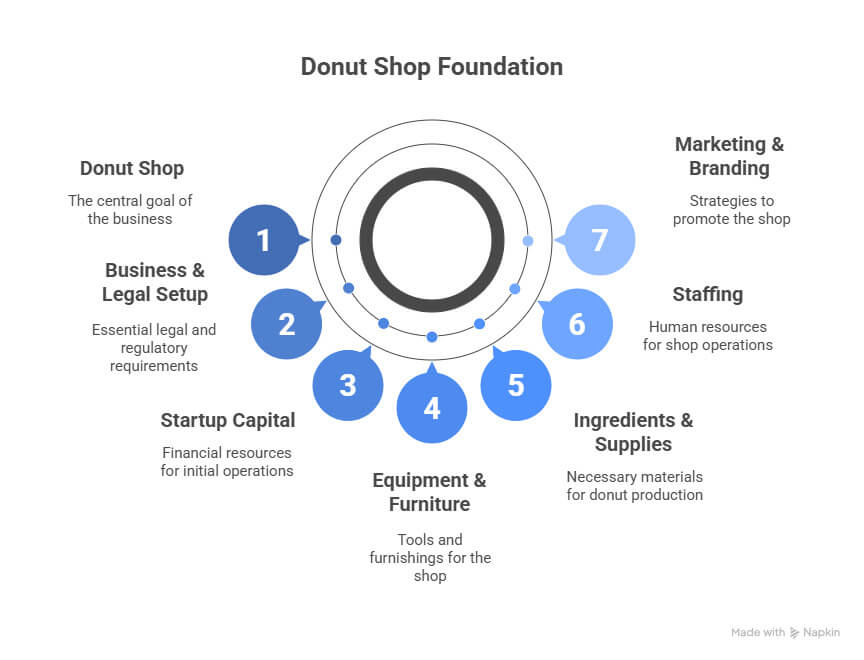
Donut Shop Foundation Requirements

At a high level, below are the few things that you need to start:

  • Business & Legal Setup – Business license, food service permits, insurance, and health department approvals.
  • Startup Capital – Money for rent, renovations, equipment, staff wages, and at least 3–6 months of operating costs.
  • Equipment & Furniture – Mixers, fryers, ovens, refrigeration, POS systems, plus seating like tables, booths, and bar stools.
  • Ingredients & Supplies – Flour, sugar, oil, fillings, toppings, boxes, and packaging.
  • Staffing – Bakers, servers, cashiers, and cleaning crew.
  • Marketing & Branding – Shop name, logo, website, social media, and local advertising.

Think of this as your foundation. Each part will be explained in detail in the next steps, starting with a strong business plan.

How to Start a Donut Shop – A Step-By-Step Business Plan

Starting a donut shop is an exciting adventure. Wondering how to open one? A clear checklist can guide you to success. Here’s what to consider:  

1. Create a Donut Shop Business Plan:

A donut shop business plan is your roadmap. It helps you organize your ideas, estimate costs, and present your concept to investors or banks if you need funding.

Begin with a comprehensive business plan when opening a donut shop. This document should outline your shop’s idea, location, target audience, and special offers.

Your plan should include:

  • Executive Summary – What makes your shop unique. Are you focusing on gourmet donuts? Vegan options? A neighborhood café vibe?
  • Market Research – Who are your customers? Office workers grabbing coffee? College students looking for late-night snacks?
  • Menu Development – Classic glazed, filled donuts, specialty items, and drinks like coffee or tea.
  • Operations Plan – How many staff you’ll need, daily opening hours, and supply chain details.
  • Marketing Strategy – Local SEO, social media promotions, loyalty programs, and seasonal launches.

Moreover, do not forget about the staffing needs and long-term objectives. A thorough business plan is important to collect financing.

People discussed in this reddit thread that some entrepreneurs getting help from the sites like Bplans or SCORE to create a business plan.

Write a Donut Shop Business Plan

2. Choose Your Donut Shop Business Model

Not all donut shops are built the same. You’ll need to decide what model works for your budget and vision.

  • Franchise – Examples: Dunkin’, Shipley Do-Nuts. Lower risk, but high franchise fees and less independence.
  • Independent Shop – More freedom to build your brand, but higher responsibility for marketing and growth.
  • Food Truck or Pop-Up – Lower startup cost, flexible, but less stable than a physical shop.
ModelProsConsAvg. Startup Cost
FranchiseEstablished brand, training supportHigh fees, less independence$200K–$500K+
IndependentFull control, unique brandRequires marketing from scratch$80K–$250K
Food TruckLower cost, flexible locationsLimited menu, weather dependent$40K–$100K

3. Investigate Donut Franchises (If you’re planning for the one)

Exploring franchise options can make starting easier. Franchises offer a tested business model. They also help establish brand recognition and support. Look into different franchise opportunities.

Make sure they match your budget and business ideals. Learn about franchise fees, ongoing costs, and the level of control you would maintain. Picking the right franchise can accelerate your shop’s success.

4. How Much Does It Cost to Start a Donut Shop?

To open a donut shop, accurately forecast all expenses. Include costs for leasing a location, purchasing baking and frying equipment, and initial ingredient stock. Budget for necessary permits, insurance, and marketing initiatives. Consider recurring expenses such as employee salaries, utilities, and maintenance. Always allocate funds for unexpected costs to avoid financial strain. A detailed budget helps you plan financially and is crucial for a successful launch. 

The cost to open a donut shop depends on where you’re located, the size of the space, and the type of business model you choose. A small independent bakery may get off the ground with under $100K, while a franchise in a busy city can easily run over $400K.

Calculate the Cost of Opening a Donut Shop

Here’s a realistic breakdown of startup expenses:

  • Lease & Renovations ($20K–$60K) – Rent is usually the biggest fixed expense. Renovations can include plumbing for kitchen equipment, upgraded ventilation, or customer seating areas.
  • Kitchen Equipment ($30K–$70K) – Commercial mixers, fryers, ovens, refrigeration, and proofing cabinets are non-negotiables. Buying secondhand equipment can lower this cost.
  • Furniture & Décor ($10K–$30K) – Restaurant tables, booths, bar stools, and décor that match your brand style. Seating matters if you want dine-in customers.
  • Licenses & Permits ($1K–$5K) – Food service license, health inspections, sales tax permit, and other local approvals.
  • Initial Inventory ($5K–$10K) – Ingredients (flour, sugar, yeast, fillings, toppings) plus packaging like boxes and napkins.
  • Staff Wages (first 3 months: $20K–$50K) – Many shops hire at least 3–6 staff members, especially if you want morning and evening shifts.
  • Marketing ($3K–$10K) – Website, local ads, signage, and launch promotions.

📊 Total Estimated Startup Costs:

  • Small Independent Shop – $80K–$150K
  • Medium Shop – $150K–$250K
  • Franchise – $200K–$500K+

5. Location & Shop Setup

Your shop’s location is one of the most important decisions you’ll make. A great recipe won’t matter if customers can’t find you.

  • High-Traffic Areas – Locations near schools, colleges, office buildings, or shopping centers tend to perform best. A morning crowd looking for coffee and donuts can drive steady revenue.
  • Lease Terms – Watch for long leases with automatic rent increases. Negotiate for tenant improvement allowances if the space needs major work.
  • Shop Setup
    • Kitchen Flow – Organize your fryers, proofing stations, and prep tables for efficiency. Time saved in prep = more donuts made daily.
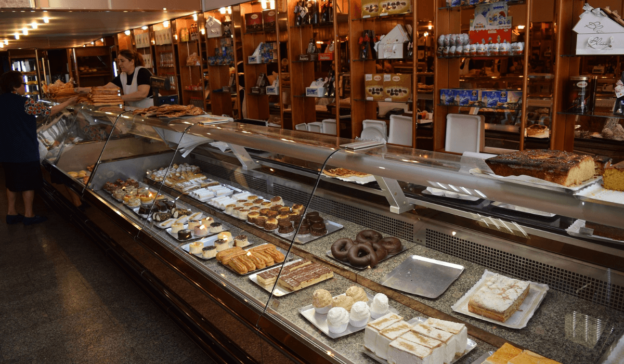
    • Customer Area – Display counters with fresh donuts front and center. Customers should see variety the moment they walk in.
    • Seating – Decide if you’ll be takeout-only or provide booths, bar stools, and tables for people to sit and enjoy.

6. Purchase Donut Shop Equipment:

Selecting the right equipment is key when starting a donut shop. Choose commercial-grade mixers, fryers, and ovens designed for high volume.

Think about displa y cases to present your products well. Good equipment will help keep your operations efficient and your donuts tasty. Also, remember to buy essential small items like utensils and packaging.

7. Create a Donut Shop Menu:

A creative menu is crucial. Offer a range of donuts, classic, filled, and gourmet. Try out unique flavors and seasonal items to keep things interesting. Add coffee, tea, and other drinks to complement your donuts. A varied menu attracts more customers and encourages them to come back.

8. Equipment & Furniture You’ll Need

Running a donut shop requires specialized equipment and the right furniture setup. It is advisable to to purchasing a wholesale restaurant furniture, so that you can save this some $ amount in the equipment without compromising the quality.

Pick pieces that match your shop’s theme and make the most of your space. Go for durable, comfortable seating that makes customers want to stay longer. Also, plan the furniture layout for easy movement and access. Quality furniture reduces future costs and enhances the customer experience.

More Read: 30+ Unique Restaurant Concepts + Theme Ideas to Inspire

  • Kitchen Equipment – Mixers, fryers, ovens, proofing cabinets, refrigeration, and stainless-steel prep tables.
  • POS System – Cash register, card reader, and software to track sales and inventory.
  • Furniture – Comfortable restaurant booths, bar stools, restaurant dining tables, and outdoor seating if space allows.
  • Décor – Lighting, menu boards, and signage that make the shop inviting.

9. Advertise Your Donut Shop

Effective marketing and advertising draws and keeps customers. Establish your brand recognition. Be consistent across all marketing.

Use social media to connect with more people, engage with them, and promote specials. Flyers, local ads, and events also work well. Consider a loyalty program or team up with local businesses.

Donut Shop Marketing and Advertising Strategies

Both online and offline marketing build your community presence.

Marketing is often overlooked, but it’s what gets people through the door.

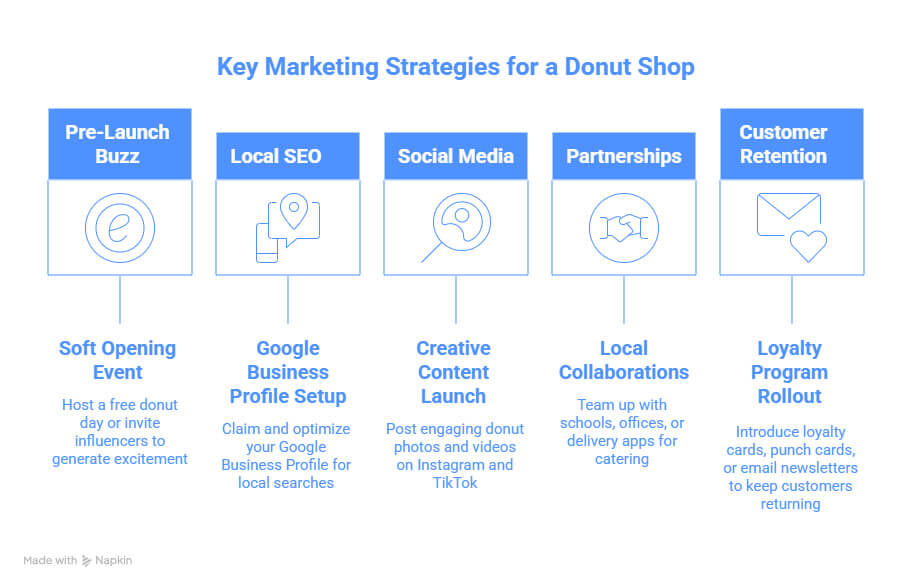
  • Pre-Launch Buzz – Hold a free donut day, host a soft opening, or invite local press and influencers to taste test.
  • Local SEO – Claim your Google Business Profile. Optimize for searches like “donut shop near me.” Add photos and encourage reviews.
  • Social Media – Donuts are Instagram gold. Post creative flavors, behind-the-scenes baking, or TikTok-worthy videos.
  • Partnerships – Work with schools, offices, or delivery apps for catering and bulk orders.
  • Customer Retention – Loyalty cards, punch cards, or digital email newsletters keep people coming back.

10. Hire and Train a Donut Shop Staff:

Find the right staff. Look for skilled people who care about customer service. Provide detailed training on everything from daily tasks to safety. Keep your team trained and motivated. A well-trained, enthusiastic team improves customer service and manages a busy shop well.

11. Host a Soft Opening:

A soft opening helps smooth out any issues before the official opening. Invite friends, family, and potential customers to try your service and food. This test run lets you adjust based on their feedback. A successful soft opening creates buzz and helps with your official start.

Final thoughts

If you want to start a donut shop, these steps are essential. From picking the right furniture to a soft opening, every detail matters. Jump in and start creating memorable experiences for your future customers. Are you ready to make your donut shop dream a reality? Start now!

Frequently Asked Questions

1. How profitable is a donut shop?

A donut shop can be quite profitable. Profit often depends on location, menu diversity, and good marketing. Efficient cost management and knowing customer preferences are key.

2. How much does it cost to open a donut shop?

Opening a donut shop requires several expenses. You need to lease or buy space, buy equipment, and stock up on initial supplies. You also need to pay for licenses and marketing. The total cost varies by the shop’s size and location.

Restaurant table

7 Unique Restaurant Table Ideas to Enhance Restaurant Dining Room Ambience

The dining area is the highlight of any restaurant. It is a place where your guests gather, catch-up, and spend some quality time while indulging in food. However, the dining experience in your restaurant goes beyond the food you serve or the service you provide.

As a restaurant owner, your goal is to offer a restaurant dining room that is stylish, elegant, comfortable, and functional at the same time. So what if you don’t have the perfect landscape view from your dining space? You can still use gorgeous dining furniture and restaurant table to enhance the decor that not only catches the eyes of your guests but lifts their mood instantly as well.

Top 7 Unique & Trending Dining Table Ideas

If you are under the impression that unique restaurant tables cost a fortune, you are in for a surprise. Restaurant tables are available in many options for every budget. Read on to find out about intriguing and unique dining table ideas that are affordable yet stylish, durable yet classy.

1. Granite Restaurant Dining Table

Granite, being a hard material, is difficult to chip or scratch and continues to be a popular choice for restaurant tables. Whether it is a burn from toasters or stains from food and beverages, restaurant granite table can endure everything. Since granite is essentially a hardened magma, different environmental conditions across the world result in unique patterns.

granite restaurant table

Moreover, granite is a versatile material, and you can use it for indoor as well as outdoor seating in your restaurant. Granite is slightly more expensive than some table options, but  they provide great return on your investment and prove economical in the long run.

2. Laminate Restaurant Dining Table

Laminate, being a synthetic material, resembles wood, and is an affordable option for restaurant tables. Available in custom shapes, sizes, and finishes, the durable restaurant laminate table tops require little maintenance and offer resistance from heat and scratches.

laminate restaurant table set

From pizzerias to pubs, from cafes to restaurants, laminate tables complement every restaurant setting and can accommodate any size seating capacity.

3. Industrial Restaurant Dining Table

industrial table

Industrial setups have become one of the most popular restaurant styles. A simple wood table top, joined by a metal base, gives a minimalistic and premium look at affordable rates. Particularly, if you have a wide-open space in your dining area, mixing wood and metals in bold accents transforms its appearance dramatically. These industrial restaurant tables are durable and don’t require extensive care or maintenance.

4. Metal Restaurant Dining Table

Irrespective of your restaurant’s ambiance, metal tables look stylish and add to the visual appeal of the dining room’s design. Usually, metal tables are smaller than other types of restaurant tables. You can fit them effortlessly in any space in your restaurant.

Metal restaurant table and chairs

                                               In Picture: 31.5 Inch Metal Table and Chair Set

Metal restaurant tables do not require extra care or maintenance and offer sufficient resistance to dust or pollutants. From zinc to steel, from brass to lacquered, you can choose from different materials depending upon your budget and the look you wish to create in your restaurant.

5. Traditional Restaurant Dining Table

If you want to create a vintage ambiance in your restaurant, you can consider traditional dining tables. These unique dining table sets help in transforming your restaurant’s dining area without making substantial changes or investments. Butcher block wood tables are one of the most traditional restaurant table styles.

traditional tables

These elegant, aesthetic wooden tables are available in colors and styles. The natural appearance and texture of wooden furniture makes for a pleasing and inviting environment and looks fabulous in any restaurant setting.

6. Resin Table

resin table

Resin table tops are a fantastic restaurant dining table choice and they are very durable.  You can experiment with several options in epoxy resin tables to create a unique look for your restaurant’s dining area.

The advanced manufacturing process allows a smooth and reflective surface in different finishes like walnut, cherry, mahogany, etc. or whatever your mind can envision.

7. Butcher Block Restaurant Table

Butcher block, being an inviting, inexpensive, and natural material, is another popular material for restaurant table tops. Made by assembling and gluing together individual wooden boards, butcher block restaurant tables add a rustic appeal that goes with any theme and ambiance in your restaurant.

Butcher Block

Butcher block tables are available in custom shapes and sizes in a variety of finishes and color options. Its warmth and vintage charm help in setting the right tone for the dining experience. Moreover, since the butcher block is a sustainable and eco-friendly material, you can recycle or refinish them.

Conclusion

Purchasing furniture for your restaurant might be confusing or even intimidating. With so many materials, shapes, sizes, finishes, styles, etc. you have several options to choose from. As a restaurant owner, you want to create a cozy, inviting place that offers lip-smacking food within your budget.

However, it is not as herculean a task as it appears. By knowing your requirements and expectations of your guests, you can find the perfect furniture for your restaurant that transforms your dining room dramatically.

So, this article lists some of the many available options for selecting unique dining room tables for your restaurant. Whether you are setting up a new restaurant or updating your existing one, these design ideas can take the glamour of its dining area to a whole new level. Hopefully, you can take inspiration from these concepts and give a fresh look to your restaurant within your budget.