Author Archives: Gayla

technologies transforming restaurant industry

How Will Restaurant Technology Evolve in 2022?

The covid-19 pandemic has battered every economic activity in the US, and the restaurant business has not been unaffected. Covid-19 forced the industry to quickly adopt innovative digital solutions over the last couple of years. So, which emerging restaurant technology trends should you consider in 2022 to survive in the near future and stay ahead of the competition? Let’s find out:

Innovative Technologies in Restaurant Industry

1. Online Ordering System and Food Delivery Apps

online food ordering system

The Covid-19 pandemic has brought about several behavioral and operational changes among restaurant owners, as well as their customers. For restaurant owners, there has been business uncertainty, restrictions on seating capacity, and strict regulations about hygiene. Similarly, some restaurant customers are still apprehensive about mingling with crowds.

Thankfully, online ordering and food delivery apps have come to the rescue of everyone. For owners, such practice allows running restaurants with less staff, smaller spaces and lower operating costs. On the other hand, this restaurant technology allows their customers to get the food when, where, and how they want it. It is, therefore, no surprise that a recent Mckinsey report estimates the global food delivery business to be over 150 billion dollars.

2. USB Wireless Charging Laminate Restaurant Table Tops

Nowadays, it’s hard to imagine our daily activities without a Smartphone. USB or wireless charging on restaurant tables can be an attractive yet practical feature that might come in handy for your guests. While selecting the material for your restaurant table top, go for laminate. Why laminate, you ask? Well, laminate is a sturdy material without being as heavy as other materials and is strong enough to withstand the fast-paced environment in restaurants. On top of that, it is affordable yet durable, looks premium, and is available in various colors, patterns, shapes, etc. In a nutshell, USB or wireless charging technology in restaurant industry is a perfect combination of functionality and stunning looks.

3. Online Table Reservation System

online table reservation system

Gone are the days when diners used to call the restaurants to book a table. In an app-driven world, restaurant-goers prefer ordering through online table reservation systems. This new technology in restaurants facilitates an immersive experience for the diners by allowing them to see the available tables/slots and book at their convenience.

Similarly, for restaurant owners too, an online table reservation system makes it easy to manage seating, waitlists, staff, and other services. More importantly, you can access the data pertaining to customers dining and ordering preferences for improving your services.

4. Digital Menus

If you thrive on being a class apart from your competitors, the last thing you would want is to take orders on a smudged, wrinkled paper and run back and forth between the table and kitchen area. Instead, go for a digital menu technology used in restaurants to streamline your back-end operations.

You can integrate digital menu boards and kitchen display systems into your restaurant’s POS system for smoothly managing your staff, time, and resources. Digital menus can also be accessed by customers’ phones or other electronic devices, making it more sanitary than printed menus. You can also track inventory, prioritize orders, and customize dietary requirements, which results in efficient workflow and clear communication. Moreover, a digital menu presents unlimited design options for a unique brand image and dining experience.

5. Inventory Management System

Inventory Management System

Restaurant businesses tackle stringent supply chain requirements. Manually managing the inventory of raw materials can be a time consuming, tedious affair. An automated inventory management system can be a handy technology in restaurant industry for such tasks. It not only allows you to track the stocks of food and beverages, but you can even schedule orders effortlessly. Moreover, by managing inventory efficiently, you can reduce wastage of food which is estimated to be around 100 billion dollars every year globally.

6. QR codes

QR codes are another great, contactless technology used in restaurants to keep your staff and customers safe. The low-cost QR technology contains auto-scanning barcodes at convenient locations like tables, coasters, glasses, posters, etc., to access the digital menu, order food, pay bills, give feedback, etc. Using QR codes helps your staff to concentrate on serving customers rather than taking order and collecting cheques. Do you know what the best part about QR technology is? Your customers don’t have to download and install any app to access them.

7. High-tech Feedback Systems

restaurant feedback system

Food delivery and online ordering not only allow you to streamline your bookings, but you can also use them to manage feedback from your customers. While instant communication over texts has been the industry standard in tech companies for a while now, it has somehow eluded the restaurant business.

Nowadays, customers give ratings and reviews on multiple platforms like public reviews, social media posts, food ordering apps, restaurant websites, etc. Therefore, it’s crucial to find a way to integrate, analyze, and respond to feedback across multiple channels. An efficient feedback system makes it convenient for your guests to give feedback and effortless for your staff to address or respond to it.

8. Contactless Payments Systems

Contactless payment options have emerged as the biggest and game-changing technology in restaurant industry over the last few years, and Covid-19 has accelerated their growth further. They are faster, safer, and less cumbersome than other in-person payment methods. According to the MasterCard Global Consumer Survey in 2020, nearly 80% of the respondents said they use contactless payments. Additionally, you can consider partnering with other tech giants like VISA, Amazon, Google, etc., for an effortless payment medium and checkout experience.

9. Air Purification Technology

Air Purification restaurant technology

With an emphasis on well-ventilated places having clean and germ-free air, investing in an air purification technology used in restaurant industry is the smart way to win back the trust of your customers. There are several novel techniques that provide a safe and comfortable dining environment for your guests. For example, UV light sanitization works effectively on air and surface. Similarly, bipolar ionization is another harmless and promising technology that cleans air or surfaces by neutralizing pollutants and contaminants.

10. Self-Order Kiosk

Self-ordering kiosk is another innovative restaurant technology which is becoming increasingly popular in fast-casual restaurants and commercial spaces like food courts, airports, shopping malls, etc. Investing in a kiosk is a smart way to increase efficiency and indulge customers through a simple interface for ordering food.

Additionally, a self-order kiosk allows you to run your restaurant with fewer staff and reduced labor costs. Also, you can use the large screen of the kiosk as an advertising medium to promote your menu items. All in all, self-order kiosks help in up selling, you get shorter lines at your counters, and your customers get more accuracy with their orders.

11. Prep Lines Automation

food preparation automation in restaurant

Do you know you can automate most mundane and repetitive back-end tasks? The latest, innovative restaurant technology in Artificial Intelligence (AI) and Machine Learning (ML) technology can help in optimizing your staff, increasing capacity, and maximizing efficiency.

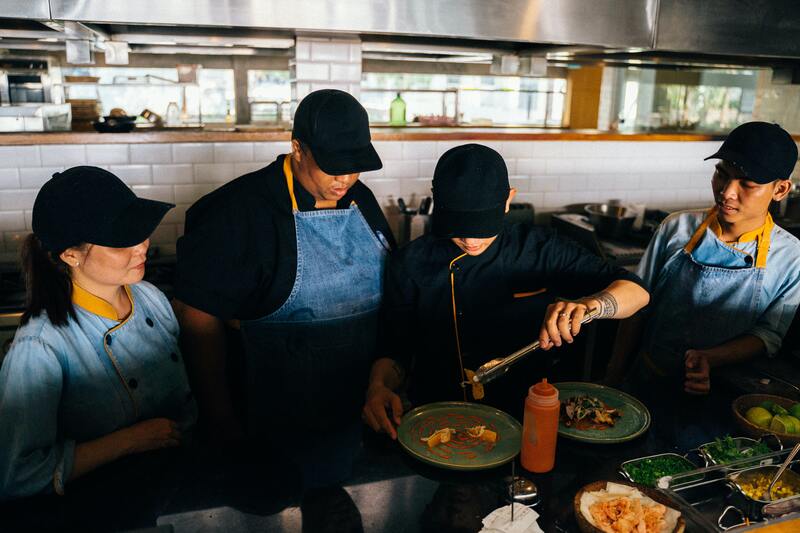
For example, automating your food preparation tasks can spare your cooks from performing predictable monotonous activities. As a result, your kitchen performs efficiently with fewer staff. More importantly, by using automation for preparing pre-mixed ingredients, your kitchen can produce meals faster, safer, cleaner, and consistent in flavor or quality.

12. Food Delivery Robots and Drones

If you have been following the news recently, many global companies, from Amazon to Domino’s, Google to Uber, are investing in drones and self-driving cars for food delivery. This technology in restaurant industry is faster, safer, economical, and aims at solving problems for restaurant owners as well as customers.

However, despite appearing extremely promising, this revolutionary technology still has a long way to go. For example, there are regulatory concerns, logistical issues, and weather-related difficulties. Still, delivery robots and drones are primed to be the most hopeful technology in the years to come.

13. AR-VR Technology

Most diners complain their dishes seldom look like what they envisaged while ordering. How can restaurant technology help address this issue? The answer is the use of Augmented Reality (AR) or Virtual Reality (VR) in your restaurant.

With AR-powered apps, your guests get to visualize the dishes and preparation beforehand. So, even before they order, they understand how the dish will be prepared, what ingredients will the dish use, and how the dish will look once it’s ready. In short, AR-VR technology reduces the chances of error between your guests and staff due to any misunderstanding or miscommunication.

14. Chatbots with NLP for Restaurants

Chatbots for restaurant

A chatbot is another new technology in restaurants that saves time for your employees and improves the customer experience on your website. Chatbots come with natural language processing (NLP) technology and are basically automated programs for communicating with your guests. These chatbots are available 24×7 to assist your guests in several tasks like announcing promotional events, reserving tables, recommending dishes, placing orders, processing payments, collecting feedback, and many more.

What Is the Importance of Restaurant Technology?

Restaurant technology offers unique and out-of-box solutions to common problems faced by owners and diners. Technology in the restaurant industry improves operating efficiency, reduces food wastage, optimizes the workforce, and enhances the dining experience. More importantly, it saves you time and energy from doing monotonous, routine activities so that you can concentrate on your passion for food and entertaining your guests. Also, restaurant technology helps you create a brand image and rise above your competitors.

Summing it up

While Covid-19 has disrupted the entire food and beverage industry, it has emphasized the need for restaurant technologies. As a result, professionals across the globe are working to make the most of the opportunity to redefine the restaurant business. This article lists some latest restaurant technology trends that result in safer, faster, interactive and more immersive dining experiences for your guests. Hopefully, these trends will help you reimagine your restaurant’s future with an unforgettable dining experience and profitable business.

Restaurant Merchandise Ideas

What Are the Best Restaurant Merchandise Ideas?

Restaurant merchandise has evolved significantly in the last couple of decades. Gone are the days when restaurant merchandise used to be an afterthought. Nowadays, owners consider visual merchandising an integral part of their restaurant design and restaurant marketing strategy. After all, selling restaurant merchandise helps you strengthen your bond with your customers and generates revenue as well. More importantly, a well-planned merchandise corner in your restaurant instills curiosity among guests and can be a crowd-puller, especially during the festive season.

The idea of creating restaurant merchandise might appear a herculean task in the beginning. However, with plenty of e-commerce platforms and design services around, creating a brand image for your restaurant has never been more economical or easier.

What Are the Most Popular Restaurant Merchandise Ideas?

1. Branded T-Shirts and Sweatshirts

 T-Shirts and Sweatshirts Merchandise

Big restaurant chains have a global brand value and strong connection with their customers, and apparels like T-shirts and sweatshirts are one of the most popular restaurant merchandise ideas. After all, clothes provide an identity to the customers. So, what better way to show allegiance than your customers wearing your restaurant T-shirt.  

2. Restaurant Cookbooks

If your restaurant has a famous chef or dishes, you can consider curating a cookbook that showcases your lip-smacking dishes. Even if you don’t employ a world-famous chef in your restaurant, you can still collaborate with renowned chefs to compile a theme-based set of recipes.

3. Sauces & Marinades

Restaurant Merchandise Sauces

If people are raving about your sauces or other toppings, you can sell bottles of sauces and marinades to your regulars. Moreover, such bottles act as a great souvenir for your out-of-city guests who enjoy dining in your restaurant. These merchandises are extremely helpful for barbeque restaurants.

4. Mugs & Glassware 

Mugs and Glassware with the restaurant’s logo are one of the most hot-selling restaurant merchandise, especially for coffee shops and bars. More importantly, mugs and glassware are favorite gifting items during the festive season.

5. Tote Bags

Tote Bags

Big restaurants worldwide have become a lifestyle brand for their customers. Capitalize the trend by offering merchandise like Tote bags. Why tote bags? Well, tote bags are probably the most practical and economical option for any diner. Further, you can consider natural materials having a minimal carbon footprint for your environmentally-conscious customers.

6. Wine Keys & Bottle Openers

Wine keys and bottle openers with your restaurant logo have a nostalgic effect on your customers. Consider adding a quirky phrase or an insider joke to connect better with your loyal and regular customers.

7. Gifts for Pets

gift ideas for pets

Pet-friendly restaurants can go a step further by extending their merchandise for pets. For example, selling fashionable bandanas or leashes with your restaurant’s name or logo is a perfect way to connect with your customers and their furry friends.  

8. Hats & Beanies

During winters, beanies and hats are other restaurant merchandise ideas you can consider for your customers. As the temperatures drop below freezing point, you can sell beanies to keep your customers warm. Additionally, beanies are great for gifting, especially during the winter holidays.

9. Stickers, Flags & Banners

stickers and banner

Since restaurants thrive on the local visitors, you can develop your brand around merchandise. Products like stickers, flags, banners, etc., that represent your locality or highlight landmarks give a sense of belonging to your customers. Also, such products double up as a perfect souvenir for tourists.

What Are the Advantages of Creating Branded Restaurant Merchandise?

1. Additional Revenue Stream

Restaurant merchandise allows you to generate an additional revenue stream. Sure, you would have to work initially in designing your products, finding partners, planning logistics, etc. However, once you have finalized these details, you only need to monitor your inventory and reorder before running out of stock. This passive, regular income can help tremendously in growing your business.

2. Reach More Customers

attract more customers

Typically, the restaurant business thrives on local visitors and has a limited customer base. Restaurant merchandise is a great way to increase the visibility of your business. For example, mugs with your restaurant logo are a great marketing medium to reach out to the family members of your guests. Similarly, you can connect with more customers across different cities or states by accepting online orders for restaurant merchandise. So, you generate revenue even from remote customers who would not be able to dine in your restaurant otherwise.  

3. Stay top of mind with your guests

Merchandise can be a constant reminder of your restaurant for your guests. For example, if someone owns a sweatshirt bearing your restaurant’s logo, it reminds them whenever they see it. Whether they wear it or it just sits in their closet, every time they look at it, it inspires them to revisit your restaurant.

4. Great up selling opportunity

Merchandise offers an unparalleled upselling opportunity in increasing your guests’ spending. For example, a sports bar can generate additional revenue by selling football jerseys or caps of the favorite club of your guests. Further, you can take upselling to a whole new level by adding personalized merchandise. For example, if yours is a fine-dine restaurant famous for romantic evenings or anniversaries, you can consider selling personalized wine glasses, photo frames, or mug sets for the couple.  

5. Customers become your billboards

Make Customers your billboard using Restaurant Merchandise

Ever noticed how shoppers become a walking advertisement for stores by carryings shopping bags? You can use the same tactic to market your restaurant business in public. From t-shirts to hats, from car bumpers to bags, make customers become a walking billboard for your restaurant. With a quirky yet unique design, people might even create social media posts to make your restaurant popular and draw more customers. 

What Is the Most Important Merchandising Tool of a Restaurant?

A restaurant menu is perhaps the most crucial and often underused merchandising tool, and you must use it wisely. Since a customer typically spends 2-3 minutes scanning the menu, use it to impress them and cross-sell your products. A well-designed menu goes beyond only listing the dishes and entices customers with cross-merchandising products and menu items.

Customers seldom have any idea of what they want to eat in a restaurant. By combining relevant items together or offering combo-meals, you enhance their meals and prompt them to spend more as well. For example, a combo meal including a burger, fries, and soft drinks or juices is quite popular across the globe. Another classic example of cross-merchandising is the McDonald’s kids’ meal combo with a toy or action figure. Create a well-designed, attractive flyer for such combo offers and place them strategically on the restaurant tables to increase visibility.

How Do Restaurants Sell Merchandise?

Restaurant merchandise is a great way to connect with your customers, instill brand loyalty, and increase revenue. When it comes to merchandise ideas, the sky is the limit for finding creative products that can become a part of your customers’ lifestyle. So, as an owner, how can you plan best restaurant merchandise for your customers? Here are a few important things you should consider:

  • Begin by profiling your customers to understand which items or products would appeal to them.
  • Consider selling unique items to stand apart from your competitors.
  • Collaborate and research with local businesses or vendors.
  • Come up with quirky, fun designs.
  • Check the quality of your restaurant merchandise.
  • Price your products appropriately.
  • Have an online store on your website to promote products.
  • Promote your products through social media and email campaigns.

FAQs

What is merchandising in restaurants?

Merchandising in restaurants refers to the sale of branded products or items related to the restaurant, such as clothing, cookbooks, and food products. This way restaurants increases revenue and enhances their brand identity.

What is the most sold merchandise?

The most sold merchandise in restaurants is branded T-shirts and clothing.

HOW TO BUY A LIVE EDGE WOOD TABLE TOP?

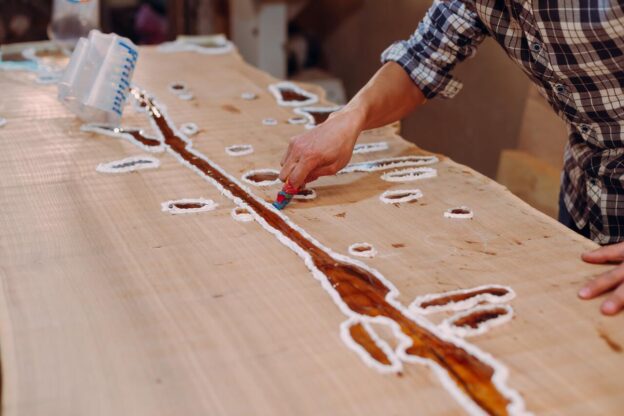
When decorating a home or a business, the latest trend is opting for a LIVE EDGE WOOD TABLE The term can be explained by breaking it up into two: LIVE – meaning that the wood shows the actual grains and even the faults of the tree trunk it came from. EDGE- the craftsman would retain the rough edges, the uneven shape and at times even the thick bark of the tree while chiseling out a LIVE EDGE table top.

What kind of wood is used for live edge tables?

1. Maple Wood

Maple Wood

The most versatile of all woods as it comes in both hard and soft wood varieties. Maple wood live edge table tops are among the most sought after. As these are readily available, resistant to scratches, insect resistant also to a large extent and quite affordable. Needless to add that its endurance and strength makes it among the top for furniture making.

2. Rustic Walnut Wood

Rustic Walnut Wood

A very readily available wood that is highly durable. Plus, its rich brown color adds that much needed decor element to any and every kind of setting. Thus, your live edge walnut table is rather a piece of pride at your restaurant.

3. Reclaimed Barn Wood

Reclaimed Barn Wood

If you have a modern decor, but wish to add historical significance as well as a touch of traditional style to modern designs, then you must go for a live edge wood table in Reclaimed Barn Wood.

4. White Oak Wood

White oak as a live edge table top looks great as a modern and contemporary table. Being harder and water resistant, it is more durable when it comes to being live edge restaurant tables or live edge dining tables at home. It is more reasonably priced as well.

5. Red Oak Wood

Red Oak Wood

These days this wood is an industry benchmark because of its distinctive looks with natural wide grain patterns that look elite. Also, it is easy to sand as long as you use a block or pad.

6. Aspen Wood

This wood being soft is easy to saw and thus retain the live edge look part of the live edge table top. Also, it is beautiful, lightweight and straight grained which provides it a very distinct and fascinating character.

Pros and Cons of Live Edge Wood Tables

Advantages

  1. At Missouri Table & Chair, live edge means fairly untouched solid wood that, if maintained well, will last for generations.
  2. These come in wide variety of woods to choose from, as shared above
  3. These add a touch of grandeur to the ambience, plus these never look out of fashion.

Disadvantages

  1. Live edge wood tops need regular cleaning due as the edges have nooks, corners and grooves.
  2. You need expert guidance from a company like Missouri Table & Chair to buy a suitable live edge table to fit your restaurant layout and specific customer base.
  3. If the table is not made from good quality wood, it may absorb moisture/spills and crack or rot. So, ensure with the vendor you’re getting high quality wood only.
  4. Live edge costs more than some table materials as each table is unique and it takes high precision to craft it.

How do I order a live edge wood table?

Missouri Table & Chair is your one-stop-shop for ordering any and every kind of wood table top that you need. Why must you choose us? Because we provide you live edge wood table that has the following edge above others:

1. Overall Finish

We provide a unique finish to ensure each wood table looks unique. We also make sure the live edges are smooth for comfort and safety of your customer.

2. Table Size

Whether you wish to buy a live edge table as a desk or for use for a conference or for the restaurant, we have custom sizes to ensure you get the exact sizes to fit your space.

3. Edge Orientation

This means that you get to decide whether the live edges will face up or face down. You can get the edge orientation that suits your layout the best.

How to clean live edge wood tables

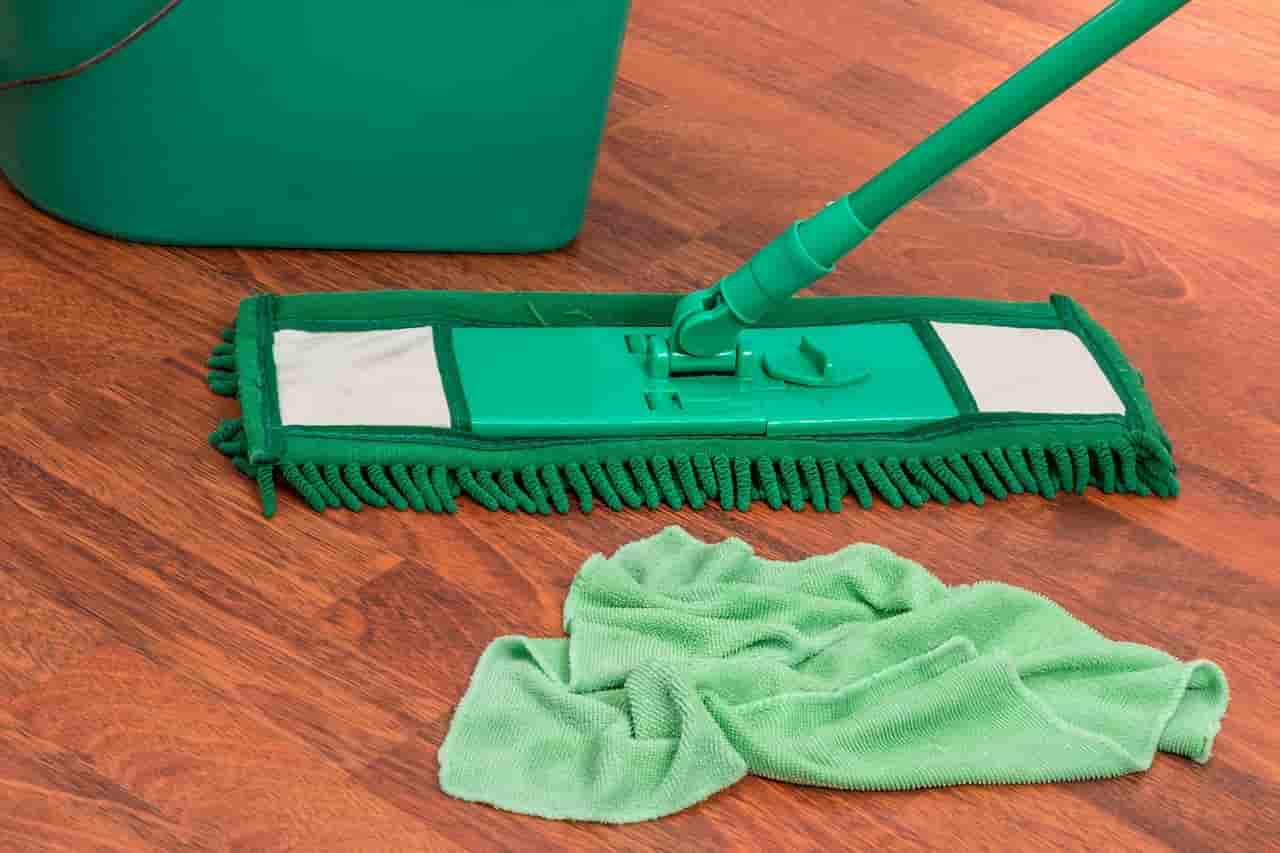
1. Dry Dusting Using Microfiber Cloths

Dry Dusting Using Microfiber Cloths

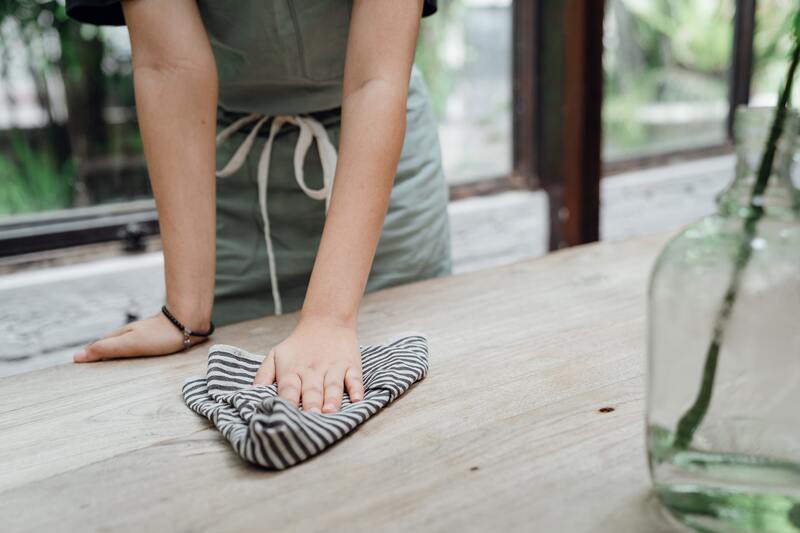
Microfiber cloths are super-soft and highly absorbent to allow you to clean basically any surface without scratching or leaving streaks. They’re especially helpful for live edge wood tables because they lift dust right off the surface, and can often get dust deep in the grooves of the live edge. Dry dust live edge wood table top regularly to avoid any dust setting up on surface.

2. Do Wood Polish

Due to live edges, these tabletops have chances of harboring germs in the grooves. A suitable wood polish after cleaning the surface properly will fill these cracks/grooves and also lend charm to the table top.

3. Use Natural Cleaning Products

vinegar

Vinegar is naturally germ killing, thus it is always an ideal cleaner for wooden tops. Mix equal parts of vinegar and warm water in a bucket; dip a microfiber cloth into this; wring the cloth to leave it just damp enough for wiping. Now push the microfiber cloth into grooves and edges of the live edge wooden table. Later once dry, you can polish the table top.

THE FINAL TIP

The final tip for buying a live edge wood table top is that you select a good quality wood that has a proper grain color and quality. Be sure to purchase from an experienced commercial furniture vendor like Missouri Table & Chair to ensure the durability and quality of your live edge wood table.

types of table base

How To Select Cast Iron Table Bases for Your Restaurant?

Traditionally, cast iron has been used in restaurants, bars, and pubs for centuries as a furniture material. In particular, cast iron table bases are affordable, hard-wearing, and elegant. On top of that, they hardly require any significant maintenance and work well with any restaurant table or chair style. The rough, textured look of the cast iron restaurant table base adds to the rustic appearance of any ambiance. Read on to know about cast iron table bases, their types, dimensions, and maintenance tips:

What are the types of Restaurant Table Bases?

1. X-Base

x base

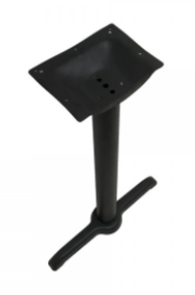
An X-shaped table base, also called the cross base, resembles an X at the bottom, where the table base meets the floor. Although X-bases are preferred with rectangular or square table tops, you can use them with round table tops as well. An X-shaped table base has four points of contact with the floor.

2. Round Table Base

round base

Usually heavier than other table base types, a round table base consists of a solid, circular plate at the bottom. Round table bases, considered better than their counterpart styles, are often paired with round table tops and sometimes with square tops as well. Also, round bases offer a place for customers to rest their feet. However, make sure that the base size is smaller than the table top size; and edges of the base do not cross the table top to restrict your guest’s movement.

3. T-Base

T-base

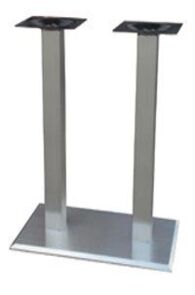
T-shape table bases, also known as end table bases, are used to support long table tops, especially rectangular table tops. These bases use one support at each end of a large table top, and sometimes more than 2 for very large tables, to bear the load adequately and provide stability.

4. Ground Mount Base

ground mount base

Also known as bolt-down bases, ground mount table bases secure the column to the floor. Of all the other types of restaurant table bases, bolt-down bases offer maximum stability. Although you compromise on the flexibility in shifting the table bases, bolt-down table bases result in sturdy support and an appealing design.

5. Outdoor Table Base

outdoor table base

Outdoor table bases, designed specially to withstand extreme weather conditions, are durable yet movable.  They are normally made from stainless steel or other rust-resistant material.  Cast iron table bases need to be coated with a waterproof sealer for outdoor use.

6. Square Table Base

square table base

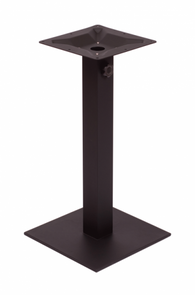
Square table bases feature a sturdy, square base plate to support your restaurant table tops while minimizing wobbling.

7. Designer table Base

designer base

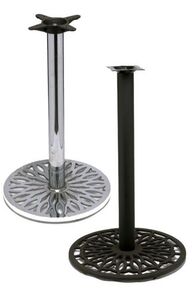
Designer cast iron table bases usually come with a decorative or intricate design on the bottom of the table base and sometimes on the columns too. Also, due to the shape of designer table bases, the bottom of the table base spreads out relatively narrower than the standard bases. Most restaurants where table bases are easily visible go for designer bases to highlight the stylish bottom or column.

Table Base Chart

The table below highlights how to pair the dimension of table bases with some of the most common table top shapes and sizes used in restaurants:

Table Top Shape Table Top Dimensions Table Base Dimensions
Rectangular Round
Square 24” x 24” 22” x 22” 17”
30” x 30” 22” x 22” 17”
36” x 36” 30” x 30” 22”
42” x 42” 36” x 36” 30”
Rectangular 24” x 30” 22” x 22” 17”
24” x 42” 22” x 30” 22”
24” x 48” 22” x 30” 22”
30” x 42” 22” x 30” 22”
30” x 48” 22” x 30” 22”
30” x 60” and larger 2 bases of 22” x 22” 2 bases of 17” diameter
Round 24” 22” x 22” 17”
30” 22” x 22” 17”
36” 30” x 30” 22”
42” 36” x 36” 30”
48” or above 30”


What are the Pros and Cons of Cast Iron Table Base?

  • Pros
      • Durable, heavy-duty
      • Cast iron restaurant table bases come in ornate designs
      • Powder-coated cast iron table bases are rust-free
      • Affordable
      • Easy to install and maintain
      • Available in various custom color options
  • Cons
    • Intricate designs might get difficult to clean.
    • Bulky and difficult to move or shift around

How to Clean Cast Iron Table Base?

Cast iron table bases are durable and last longer than alternative materials. However, like any other furniture material, it requires proper care to retain its stunning look and work flawlessly for years. If overlooked, the rough surface of cast iron dining table bases can accumulate dust and rust over time. Follow this stepwise guide to clean and maintain your cast iron table bases:

A. Everyday Cleaning:

Fill a spray bottle with a mild soap solution in warm water. Spray the soap solution on the table base and scrub gently to remove any grime or dust from its surface. Rinse the table base with fresh water.

B. Deep Cleaning:

Irrespective of how frequently you clean your restaurant furniture, some stains accumulate and tend to become stubborn over time, especially for a busy restaurant. Therefore, you must have a deep cleaning schedule every week or at least once every month. You can either go for a commercially available cleaner or prepare a DIY cleaning solution yourself.

  • Step 1: Prepare a mild cleaning solution by mixing 1/4 cup (~60 ml) white vinegar in 1-liter water. Soak a soft cloth or sponge with this solution and apply the solution throughout the table base. Alternately, you can use a spray bottle but make sure you wet the entire table base.
  • Step 2: Start rubbing with a sponge in a circular motion to take out the dirt from every nook and corner of the table base. Rather than scrubbing the entire table base, begin with smaller sections and areas.  
  • Step 3: Rinse the table base with fresh water. Allow the cast iron table base to dry completely. For indoor pieces, repeatedly wipe down the table bases with a dry cloth to ensure no leftover moisture. For outdoor table bases, you can let them dry under the sun. Whether indoors or outdoors, make sure your table bases are completely dry to prevent rusting.  

Cast Iron Table Base Suppliers

At Missouri Table and Chair, our collection of cast iron restaurant table bases contains varieties that combine durability and functionality. Our products come with a commercial warranty and unbeatable after-sales support for your peace of mind. From minimalistic, elegant design to ornately finished style, from affordable T-2222 X-base to decorative Pitti Designer base, we have a solution to match any interior.

Whether you have round, rectangular, or square table tops in your restaurant, we can offer you a base that matches your requirements perfectly. Contact us to discuss your custom requirements, and our professionals will be happy to help you with all your queries.

Summing it up:

Cast iron table bases have been commercially used for decades. They are famous for being affordable, durable, and low on maintenance. On top of that, their rustic look offers unbeatable appeal to highlight any dining setup in your restaurant, indoors or outdoors. 

This article highlights some of the characteristics of cast iron table bases, their types, pros, and cons, along with general maintenance tips. Hopefully, these points persuade you to consider cast iron table bases for your restaurants to create an unparalleled look to stand out of your competitors.

hospitality look and trends

Top 10 Hospitality Furniture Trends in 2022

What Is Hospitality Furniture?

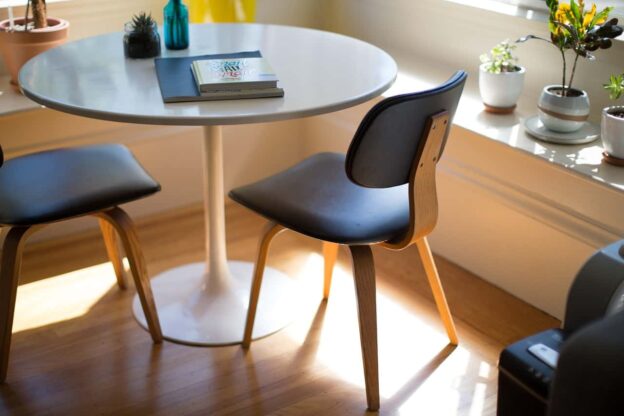
Hospitality furniture, also known as commercial furniture, forms the backbone of hotels, restaurants, pubs, bars, etc. Unlike residential furniture, furniture for commercial use is resilient and designed for several years of continuous use. In short, hospitality furniture has to be stable, durable and easy to maintain. A commercial furniture manufacturer ensures top notch quality, performance, and service by following strict standards and compliances.

Furniture Trends Dominating Hospitality

As the Covid-19 situation improves and vaccination gains momentum across the US, restaurant and pub owners are heaving a new ray of hope and a sigh of relief. However, a post-Covid-19 era will witness a significant shift in the preferences of restaurant customers. Read on to understand the hospitality furniture trends of 2022 as the restaurant business gets back to normal:  

1. Whimsical Wood

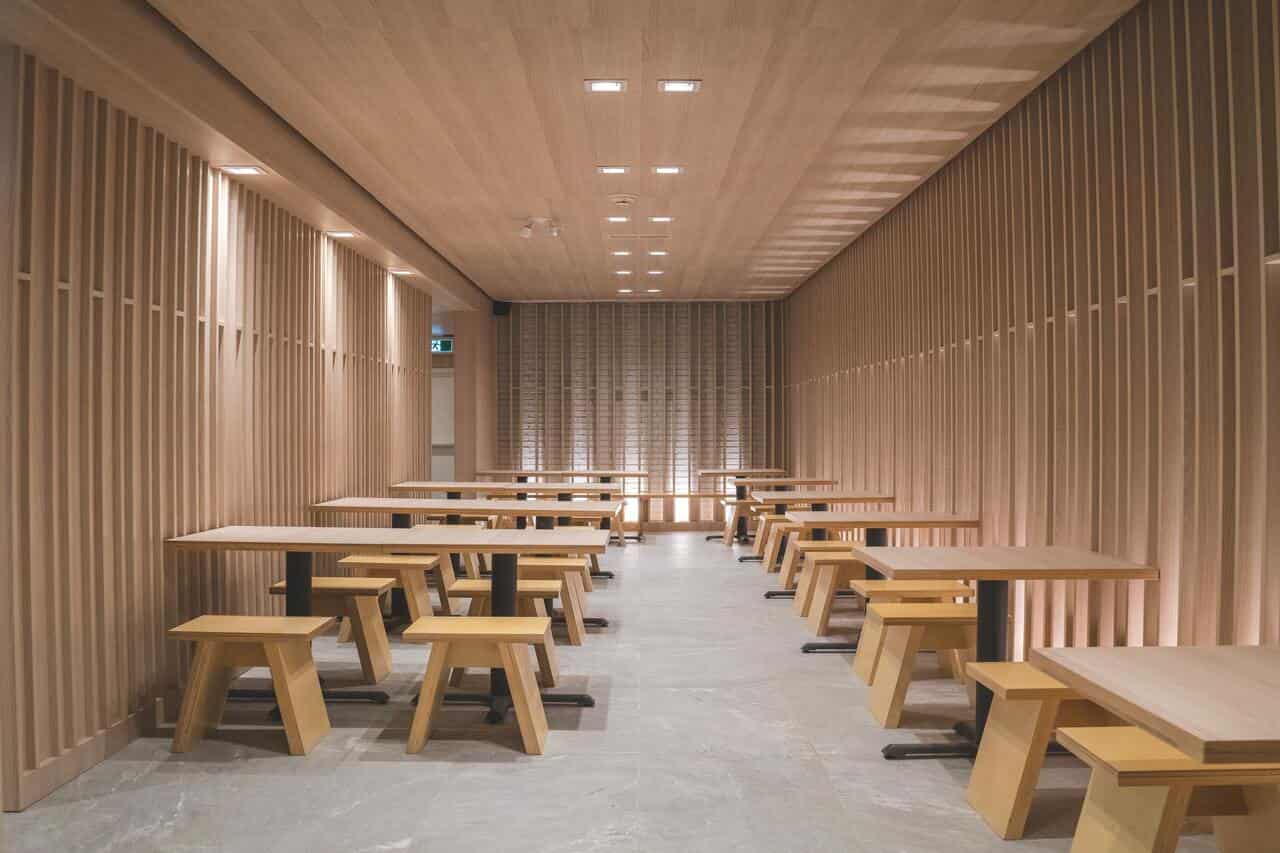
The old-world charm and organic look of wood continue to be a favorite for restaurants and bars. While traditional wooden furniture used to be polished, ornamental, and bulky, most modern hospitality furniture use highlights simple wood furniture options for a rustic appearance and minimalistic look. The organic, evergreen design of wood furniture instills freshness and makes dining spaces look airy and spacious.  Whether you go for calming hues or vibrant colors, industrial or natural look, you have countless design options with wood furniture.  

2. Mixed Materials

hospitality furniture mixed materials

Although creating stunning contrast by mixing materials and colors has been used for several years, technological advancements have revolutionized this trend to a whole new level. After all, now you have a plethora of finishes, patterns, and material options to experiment with. For example, you can mix stones like marble or granite with metal accents for a sophisticated interior. However, if you prefer an organic theme or material, you can consider a blend of wood furniture. 

3. Furniture Material Standards

As attention shifts to minimizing carbon emission, manufacturers have to adopt new techniques and material standards while producing hospitality furniture. For example, the United States Environment Protection Agency (EPA) came up with the Toxic Substances Control Act (TSCA)in 2019 to lay down formaldehyde emission standards for composite wood products. According to this act, all hospitality furniture manufacturers must label their finished composite wood products like particleboard, medium-density fiberboard, and hardwood plywood as TSCA Title VI compliant from March 2019 onwards. Similarly, every region or country has its own set of rules to which restaurant owners must comply.

4. More Vibrant Colors

hospitality furniture with vibrant colors

With Gen-Z and millennials making up a large portion of hospitality customers restaurants and pubs, furniture designers have become experimental and bold. Therefore, it’s not uncommon to come across adventurous styles and vibrant colors for a trendy, unique appearance in modern hospitality furniture. Overuse of primary hues with contrasting tones lends a power-packed ambiance to a dining room or bar. From the waiting area in your lobby to the upscale bar, from the dramatic dining hall to the reception, bright themes create an uplifting environment everywhere. Apart from the obvious aesthetic improvement, vibrant colors can guide your weary guests to locate the main areas of your restaurant. 

5. A Touch Of Drama

Another way to pique the interest of your guests is by adding some drama to your restaurant’s or pub’s interior design. An intimate lounge with dark tones and bright light can jazz up any ambiance. The retro look with intriguing colors of vermillion reds, fluorescent green, neon, varnished browns, etc., are making a comeback in the hospitality furniture design. Also, you can experiment with lighting, curtains, or shadows in your bar or booths for a relaxed yet tempting experience. 

6. Eco-Friendly Designs

eco friendly furniture

As our youth get more environmentally responsible, eco-friendly designs are gaining momentum in modern hospitality furniture. By adopting safer, eco-friendly, and greener alternatives, you not only save energy costs in the long run but also attract a passionate, socially aware customer base. Apart from the obvious solar panels, here are some other ways to go green in your restaurant:

  • Adopting LED lights
  • Using recyclable furniture materials like wood, rattan, butcher block, etc. 
  • Recycling fabrics, linens, etc. 

7. More Personalized Designs &Experiences

Gone are the days when restaurant furniture was regarded only as a means to support primitive service needs of sitting or eating. Nowadays, hospitality furniture has become a driving force for customer experience and satisfaction. After all, since the younger generation forms a considerable customer base, it pays to offer personalized experiences, menu, or beverage options. Rather than opulence or luxury, most millennials are focusing on experiences now. The recent success of Airbnb highlights how crucial personal designs or touches can be over time. A restaurant willing to go the extra mile in pleasing its customers will definitely march ahead of its competitors.   

8. Sustainability

sustainable furniture

In addition to adopting eco-friendly practices, restaurants should invest in sustainable furniture as well. As climate activism gains traction, going for sustainable hospitality furniture is a move in the right direction. 

While timber is the most sustainable material you can find, metals like steel and aluminum are recyclable. Similarly, when it comes to upholstery material, you can opt for biodegradable materials like wool, leather, jute, etc. 

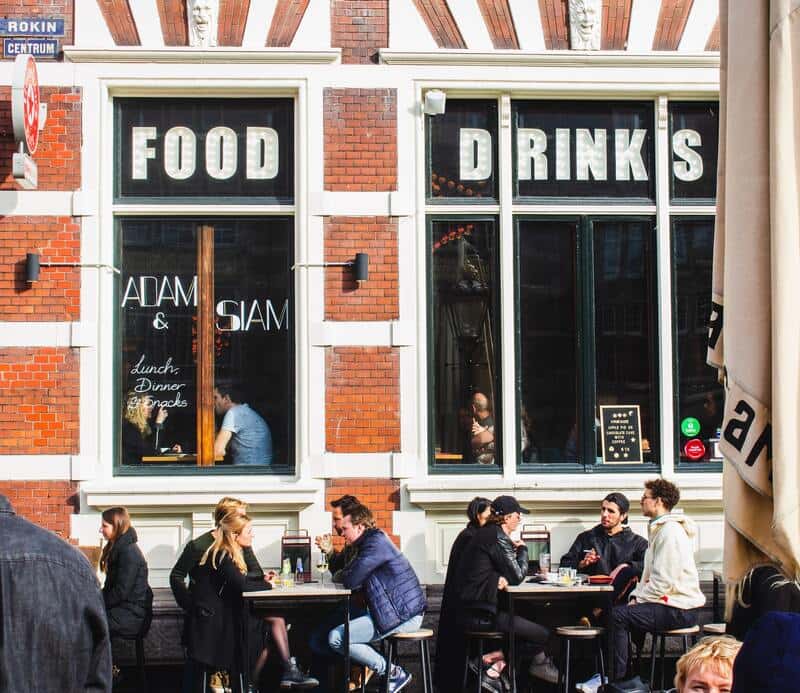
9. Outdoor Seating

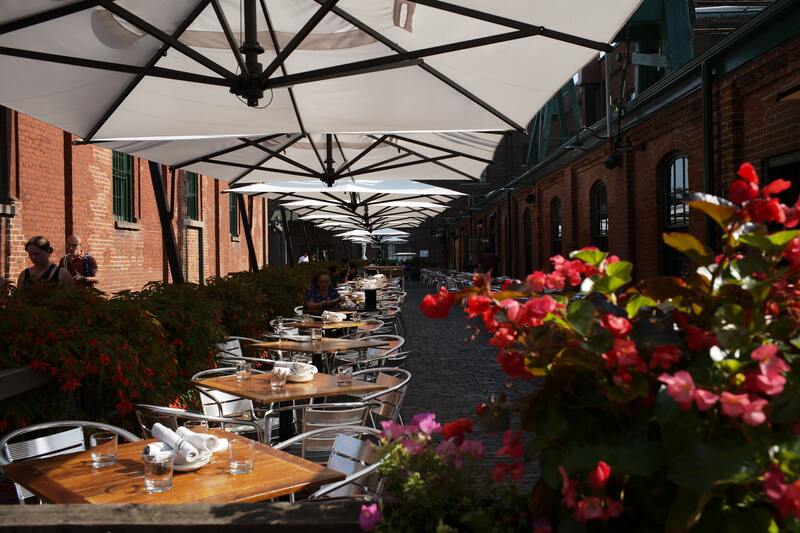
Outdoor seating is a win-win situation for restaurant owners as well as restaurant-goers. In the post-Covid-19 era, most customers will prefer to dine out in well-ventilated spaces amidst nature. Outdoor seating offers a perfect getaway to spend quality time with family, friends, or workmates for the social, emotional, or mental wellbeing of your customers. You can implement outdoor seating in your restaurant in areas like backyards, sidewalks, rooftops, porches, etc. Here are a few additions to consider that will take your outdoor seating to a whole new level:

  • Installing bicycle racks
  • Organizing live music
  • Making your outdoor area pet-friendly
  • Providing outdoor kitchen and bar

10. Bar Seating

furniture bar seating for youth

Whether hosting office parties or friends’ get-together, the bar can be a lucrative addition to your restaurant. With more young customers preferring to sit in the bar rather than regular tables, investing in decorating bar seating pays off quickly. Bar seating is an affordable seating that gives your restaurant an edge over your competitors. Apart from helping you gain extra bucks, bar seating also makes for a flexible seating option to host different events. With compact bar seating furniture, you can get a higher seating capacity amidst a cozy ambiance to target young customers, especially solo diners.  

Summing it up:

Although hospitality furniture designs have continued to evolve in the past, the past couple years have forced a remarkable change in the way restaurants operate. As you might have guessed by now, restaurant furniture in the future will be swanky yet comfortable, eco-friendly yet hi-tech, and dramatic yet sustainable. 

This article foresees different aspects of hospitality furniture as we step into 2022. Hopefully, by taking cues from these design tips, you will be able to stand out from your competitors in creating a healthy, comfy, happy, safe, and all-around dining experience for your guests.