

Maintaining Outdoor Furniture
As any seasoned restaurant owner knows, every purchase is a long-term investment. Whether you are investing in heavy-duty cooking equipment or patio seating, prioritizing quality builds is the only way to avoid the cycle of replacing cheap, low-quality furniture.
When it comes to al fresco dining, the best way to ensure a high return on investment (ROI) is through a consistent Outdoor Restaurant Furniture maintenance schedule. A pristine patio serves as the first impression of your brand—keeping your furniture inviting and spotless encourages guests to return season after season.
Material-Specific Care Strategies
The specific steps required to protect your seating depend entirely on the Outdoor Furniture Material you have selected. Different materials react uniquely to cleaning chemicals and seasonal moisture.
1. Wood and Wicker:
Preserving Natural Beauty Teak, wicker, and other wood-based materials are celebrated for their organic aesthetics and natural durability, but they are the most sensitive to the elements.
2. Cleaning:
Use a mild soap and warm water solution with a soft-bristled sponge for scrubbing away environmental grime.
3. Water Sensitivity:
Avoid high-pressure washers. Excessive moisture soaking past the surface can cause swelling, warping, or unintentional water damage.
4. Drying:
Always allow wood furniture to air-dry thoroughly in a shaded area before adding cushions or covers to prevent rot and mildew.
5. Metal: The Durability Champion
Metal is a premier choice for commercial patios due to its structural integrity and simple care requirements.
6. Cleaning:
You can safely spray down metal frames with hot water. For stubborn grease, use a non-abrasive detergent.
7. Rust Prevention:
While most commercial metal is powder-coated, scratches can expose the raw material. Always dry joints and crevices thoroughly after cleaning or heavy rain to avoid oxidation.
8. Plastic and Resin: Low Effort, High Impact
Resin is virtually waterproof, but it is a magnet for dust and pollen which can lead to permanent staining if left in the sun.
9. Weekly Maintenance:
Perform a quick wipe-down with a damp microfiber cloth.
Pro Tip: Avoid using bleach-based cleaners on colored resin, as this can cause the pigment to fade unevenly over time.
The Hidden Maintenance Steps
The Solution:
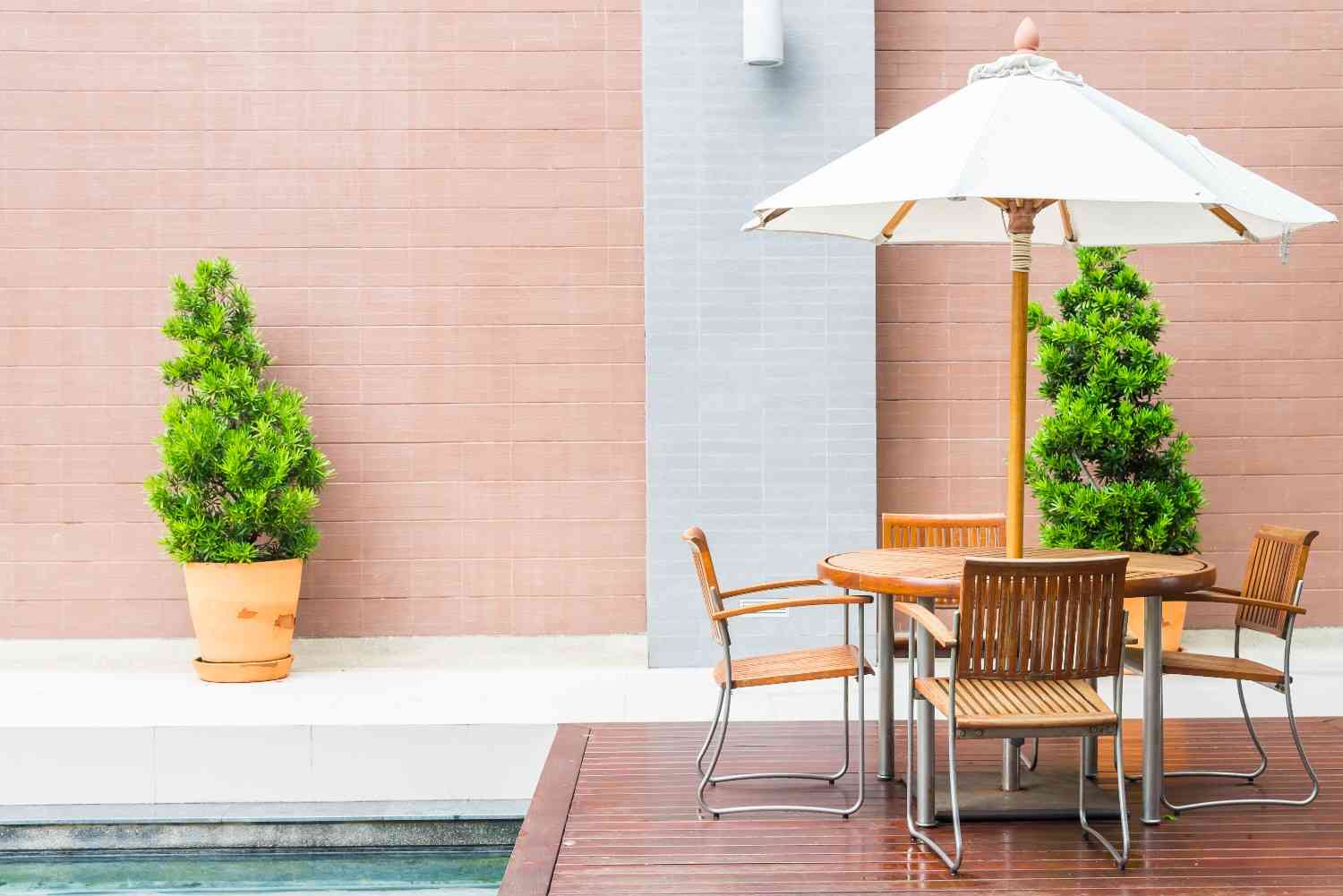
When the patio is closed, use commercial-grade umbrellas or retractable awnings to provide shade. This doesn't just protect the furniture; it keeps the surfaces cool for the next guest’s arrival.
Inspecting Hardware and Glides:
Commercial furniture moves constantly. Once a month, your staff should perform a Structural Check.
1. Tighten Bolts:
Temperature swings can cause metal and wood to expand and contract, loosening screws over time.
2. Check Floor Glides:
Ensure the plastic or rubber caps on the bottom of the legs are intact. Missing glides lead to "screeching" noises and scratched patio flooring.
3. Proper Off-Season Storage
If your patio closes for the winter, how you store your furniture determines its lifespan.
4. Stacking:
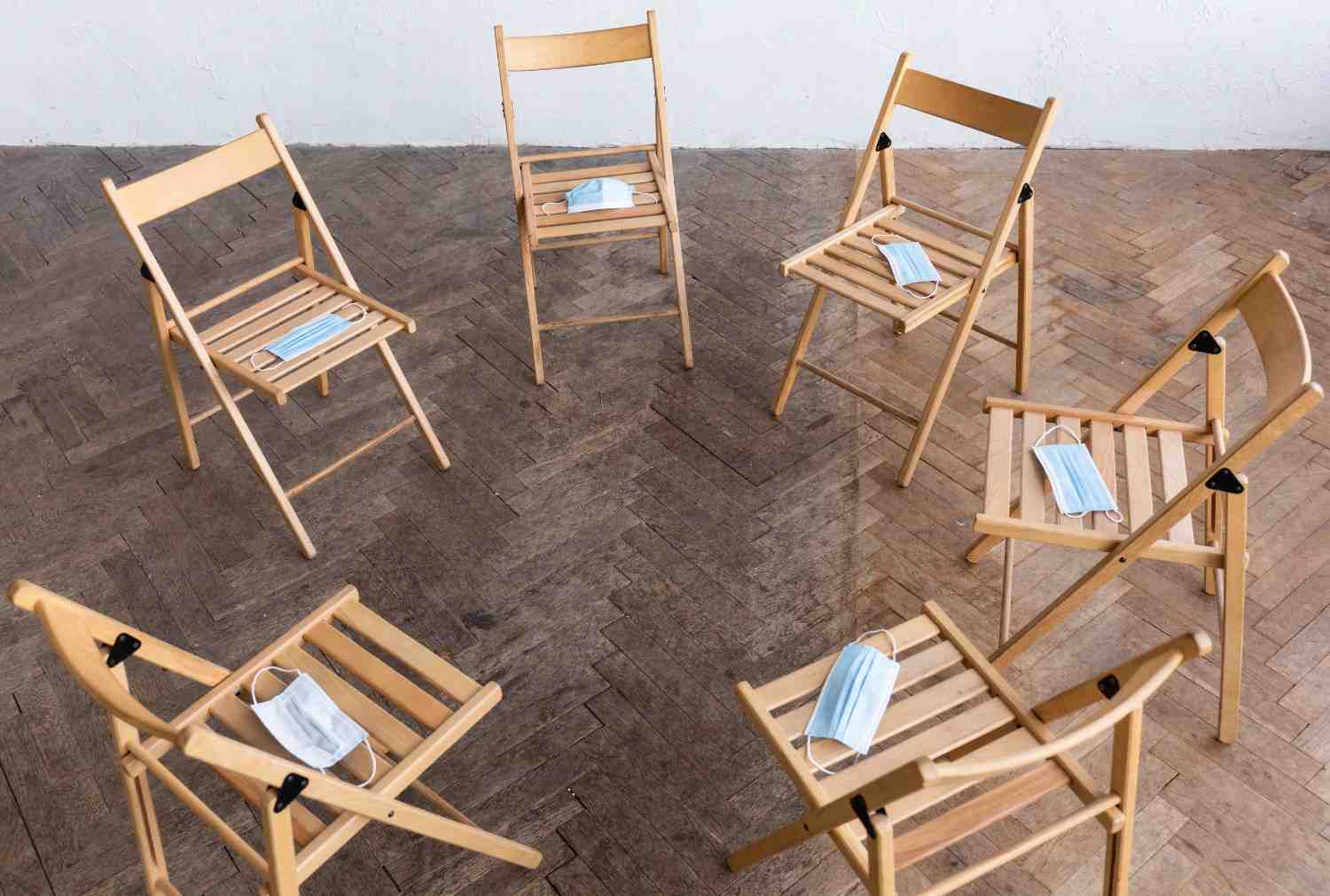
If your chairs are stackable, ensure they are clean and dry before stacking to prevent "locking" or scratching.
5. Off-the-Ground:
If possible, store furniture in a dry, covered area. If left outside, use breathable covers rather than plastic tarps, which can trap moisture and cause mold.
Protect Your Investment Today
By mastering these basic cleaning techniques, you can protect your assets and ensure your patio remains an inviting oasis for your customers for years to come.
Proactive care is essential to shield your commercial furniture from UV rays, moisture, and heavy wear. By following a routine cleaning schedule and using material-specific treatments for wood, metal, or resin, you preserve both the durability and the visual appeal of your outdoor dining space.
Maintenance Overview Effective maintenance requires a strategy tailored to your materials: use mild soap for metal and resin, and periodic sealers for wood to prevent moisture damage. Beyond cleaning, regularly inspecting hardware and using weatherproof covers during the off-season are vital steps to avoid costly replacements. These simple habits ensure your patio stays professional, welcoming, and guest-ready for the long haul.
Ready to Upgrade your Patio with New Outdoor Furniture? Shop Our Outdoor Collection