

A Guide to Metal Restaurant Chairs: Facts, Types, Benefits, & Price!
Metal frame chairs are durable, practical and attractive. Advancements in the metal materials restaurant chairs are made from has increased the popularity of metal frame chairs for commercial and restaurant use. The variety of styles of Metal Restaurant Chairs means there is an option for any theme or style of dining space.
Read on to know everything you need to know about metal chairs. From their advantages to materials for construction, from types of metal chairs to maintenance tips, this handy guide covers it all.
Table of Contents
- What are the types of Metal Frame Chairs?
- Aluminum Outdoor Chair
- Metal Frame Chairs with Arms
- Metal Frame Chairs without Arms
- Upholstered Metal Frame Chair
- Steel Frame Chairs
- Metal Folding Chairs
- Metal Chairs with Wood Seat
- Metal Chairs with Cushion
- Which metals are used for Chairs?
- Stainless Steel
- Aluminum
- Wrought Iron
- What are the advantages of Metal Frame Chairs?
- Variety of Styles & Designs
- Extremely Durable
- Fits to Any Interior Style
- It is Cost-Effective
- Flame Resistant
- Space Efficient
- Perfect for Both Indoor & Outdoor Seating
- Withstand Heat and Dry Weather
- Easy Care
- Easy to Clean
- How much does a metal frame chair cost?
- How to Clean Metal Chairs?
- Metal Chair FAQs
What Are The Types Of Metal Restaurant Chairs?
Metal frame chairs are available in a myriad of design and pattern types that can complement and accentuate any setup, be it your home or restaurant. Most Common Types of Metal Chairs include:
1. Aluminum Outdoor Chair
These chairs work great outside because they don't rust. They weigh much less than steel but still hold over 500 pounds. You can move them around easily for cleaning or rearranging. The coating won't fade from sun for 15+ years.
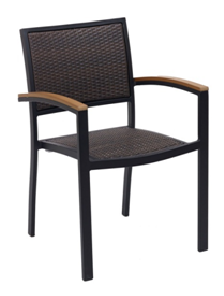

2. Metal Frame Chairs with Arms
Arms make guests more comfortable, so they stay longer and spend more. The armrests give support for extended dining. They work well in upscale places where comfort matters, like wine bars and business lunch spots. The welded frame stays strong while the arms add that hospitality touch that keeps customers coming back.
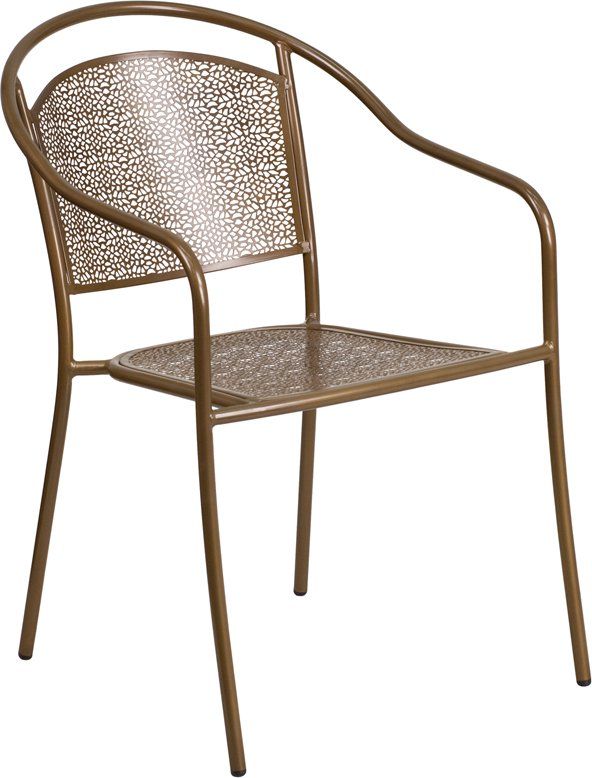
3. Metal Frame Chairs without Arms
No arms means you can fit more chairs around each table. These save 4-6 inches of space compared to chairs with arms. Guests can get in and out easier too. Great for busy places like cafeterias and fast-casual spots where you need quick turnover. The welded construction handles constant movement without breaking down.
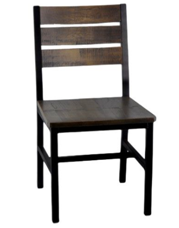
4. Upholstered Metal Frame Chair
These combine strong metal frames with padded seats. The upholstery can handle serious wear, over 500,000 rubs. Guests get comfort while you get durability. The materials resist stains and meet fire safety rules. Good for upscale casual places where you want comfort but need chairs that last. Easy to clean with just a wipe-down.
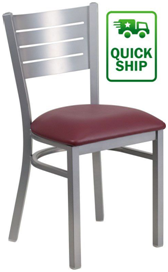
5. Steel Frame Chairs
These are built tough with welded steel construction. They support 500+ pounds and won't bend or break from daily use. The welds at stress points mean no loose bolts to tighten later. If you want chairs that last decades in a busy restaurant without replacement costs, steel frames are your best bet.
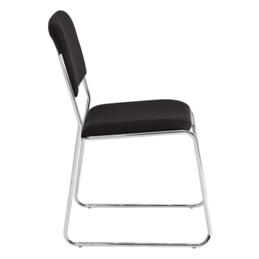
6. Metal Folding Chairs
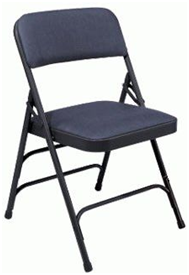
Perfect when you need extra seating sometimes but not always. They fold down to 4 inches thick for storage. The hinges stay strong through repeated folding. Great for events, seasonal changes, or private parties. The coating resists scratches from folding and unfolding. Banquet halls and flexible dining spaces love these.
7. Metal Chairs with Wood Seat
The metal frame gives you strength while the wood seat adds warmth. The wood is thick, about 1 inch, not thin plywood. This combo works great for rustic or industrial-style places. Think craft breweries and gastropubs. You get commercial durability with a more natural, authentic look that customers like.

8. Metal Chairs with Cushion
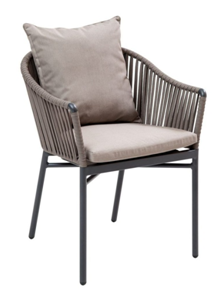
Removable cushions make dining more comfortable. When cushions wear out or get stained, you just replace them instead of the whole chair. The foam cores resist weather and the vinyl covers clean easily. Good for breakfast cafes and coffee shops where comfort matters but you still need practical maintenance options.
What's the Difference Between Steel vs Aluminum Restaurant Chairs?
Steel chairs offer maximum strength and stability, while aluminum chairs are lighter and naturally corrosion-resistant.
Steel chairs are built tough. They use thick welded tubing that can hold over 500 pounds. You can stack them up high and move them around all day without bending or breaking anything.
Aluminum chairs weigh way less about 60% lighter than steel. This makes them easy to move when you're cleaning or changing your layout. They naturally resist rust thanks to a protective layer that forms on the metal.
What Materials Are Metal Restaurant Chairs Made From?
1. Stainless Steel
Stainless steel is an alloy of iron, chromium, and nickel and is one of the most common materials for constructing residential or commercial chairs. Chromium in stainless steel offers corrosion resistance. Metal chairs made from stainless steel are low-maintenance, versatile, and do not rust or oxidize. From kitchen sinks to furniture, from fixtures to stands, stainless steel is everywhere. Although most stainless steel chairs are available in cool tones, they work with a warmer tone as well. The material fights off bacteria and odors naturally. It handles heat up to 800°F without problems. The smooth surface makes cleaning simple, just soap and water does the job. No pores mean germs can't hide anywhere.
2. Aluminum
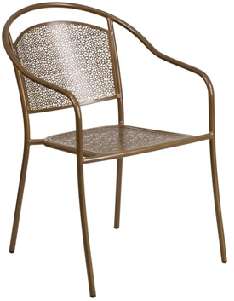
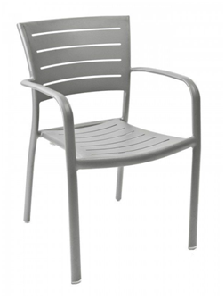
Aluminum is the industry favorite for constructing patio metal chairs. It is a lightweight, strong, and yet affordable material. The silver finish of aluminum resembles steel. Aluminum is a lighter, less expensive outdoor chair option which is one of the many reasons aluminum is so popular. While it offers sufficient resistance from rusting, some aluminum is prone to oxidation and forms a chalky white residue. Outdoor aluminum chairs in cool colors are a common sight on most patios.
Aluminum chairs weigh much less than steel, about 60% lighter. But they still hold over 500 pounds without breaking. They don't rust, which makes them work both inside and outside. You can move them around easily when you need to change your layout.
3. Wrought Iron
Wrought iron is probably among the oldest materials for making chairs and continues to be relevant now as well. Wrought iron is a metal that has been bent or beaten into shape rather than being poured. This process results in a rough surface and a metal that is corrosion-resistant and durable. With its rugged look and rustic charm, wrought iron is a popular choice for outdoor chairs. Wrought iron stands out in a neutral-toned or white space.
These are heavy and solid, which means they last for decades in busy restaurants. The weight keeps them stable during service. They fit well in upscale places, wine bars, and cafes that want that old European feel. You'll need to maintain them to prevent rust, but the craftsmanship makes them worth it.
Can Metal Restaurant Chairs Be Used Outdoors Year-Round?
Yes, Metal Restaurant Chairs can be used outdoors year-round when made from aluminum, stainless steel, or powder-coated materials with proper protective finishes.
Aluminum chairs are your best bet for outdoor use. They naturally form a protective layer that stops rust. Even near the ocean where salt air attacks everything, aluminum holds up well. You don't need special coatings or constant maintenance.
Stainless steel chairs work great too, especially grades 304 or 316. These resist corrosion even in harsh weather. They handle extreme temperatures and salty conditions without breaking down. But they cost more upfront.
Powder-coated steel chairs can last outdoors if done right. The coating process uses electricity to apply a protective layer that's three times tougher than regular paint. When applied properly, this coating lasts 15-20 years outside.
Basic steel and wrought iron chairs need extra help. Without protection, they'll rust quickly outdoors. You'll need protective finishes and regular maintenance to keep them looking good. Even then, they're not ideal for year-round exposure.
Why Choose Metal Frame Chairs for Your Restaurant?
Selecting the right seating is a balance of aesthetics and ROI. When weighing the Pros of Metal Chairs, it is clear why they have become the industry standard for high-traffic dining for several key reasons:
- Unmatched Durability & Lifespan
Unlike wood, which can creak or loosen at the joints over time, metal chairs are built for the rigors of commercial use.
- Welded Joints: Most of our frames feature reinforced welded joints, eliminating the "Loose Bolt" syndrome and ensuring the chair remains sturdy for years.
- High Weight Capacity: Engineered to easily support $500\text{ lbs}$ or more, making them a safe choice for all guests.
- Design Versatility for Any Theme
Whether your brand is industrial, modern, or rustic, metal frames offer a consistent, clean look.
- Custom Finishes: Available in various powder-coated colors, matte finishes, or wood-grain textures.
- Coordinated Aesthetics: Easily match your seating with existing metal accents in your lighting or bar fixtures.
- Cost-Effectiveness & High ROI
While the initial investment may be higher than plastic, the "cost per year" is significantly lower.
- Minimal Replacement: Because they are chip-resistant and nearly impossible to break, you won't be replacing broken chairs every season.
- Warranty Protection: Most commercial-grade metal chairs come with long-term warranties for peace of mind.
- Superior Safety: Flame & Heat Resistance
Safety is paramount in commercial kitchens and dining rooms.
- Non-Combustible: Metal is naturally flame-resistant, adding an extra layer of fire safety to your establishment.
- Weather Resilience: Our outdoor metal chairs withstand extreme UV rays and dry heat without cracking or fading, unlike resin or plastic alternatives.
- Maximum Space Efficiency
For busy cafes and bistros, every square inch counts.
- Slim Profiles: Metal's inherent strength allows for thinner, sleeker frames that take up less visual and physical space.
- Stackable & Foldable: Many of our designs are stackable up to 8–10 chairs high, making floor cleaning and after-hours storage effortless.
- Hygienic and Easy to Maintain
In a post-pandemic world, "cleanability" is a top priority for diners.
- Non-Porous Surface: Metal doesn't harbor bacteria, odors, or pests (like wood-boring insects).
- Low-Effort Cleaning: Most spills can be handled with a simple damp cloth and mild soap. For outdoor areas, a quick hose-down is often all that's needed.
How Much Does a Metal Restaurant Chairs Cost?
The price of a metal frame chair depends on the material used, quality of construction, and extra features like armrests, upholstery seats, etc. For example, this contemporary Square Back Outdoor Arm Chair, with a rain flower seat and back design, costs as low as $58. With a 1.2 mm square frame, this chair is stackable and comes in attractive color options. On the other hand, this Memphis Metal Frame Chair, having a jet-black metal frame and wood or vinyl seating options, could go as high as $234. Check out restaurant chairs guide for more detailes comparison with out ohter restaurant chairs.
How to Clean & Maintain Metal Chairs?
Normally, you can clean daily with mild detergent and a soft cloth, inspect monthly, and perform annual deep maintenance to ensure durability and appearance.
Daily cleaning takes two minutes per chair. Use warm water and mild soap with a soft cloth. Wipe down the whole chair to get rid of spills and food residue. This prevents buildup that can cause problems later.
Weekly checks help catch issues early. Look at the welds and joints for cracks. Tighten any loose screws you find. If you see chipped paint or coating, touch it up before rust starts.
Monthly deep cleaning gets the stuff you miss daily. Use a soft brush to clean out crevices where grime builds up. Pay attention to areas where the seat meets the frame. Check out our guide on maintaining the steel furniture at your restaurant for more details.
Metals chairs are amazingly durable and can last a lifetime if maintained properly. When brand new, metal chairs look visually stunning. However, over time, they can lose their sheen due to stains, spills, or dust accumulation. Especially for outdoor metal chairs, they could rust if neglected. Although each material has its own properties and characteristics, the following general cleaning regimen works for most metal chairs:
-
Start cleaning by dusting with a microfiber cloth.
-
Next, use a cloth or sponge with a mild soap solution and wipe the surface dry for indoor chairs.
-
For outdoor chairs, you can use a bucket of water to clean out accumulated debris. Gently rub with a cloth or sponge soaked in a mild soap solution. Finally, rinse and wipe the chair with clean water and dry the surface using a microfiber cloth.
-
Avoid using abrasive chemicals or excessive scrubbing as it might scratch the surface.
-
Pay special attention to the joints for rust formation.
-
If you notice any scratches or rusting, sand the area using fine sandpaper. Cover the exposed area with a rust-proof, touch-up paint.
Next, we consider the material-specific maintenance tips for some common metal chairs:
Stainless Steel:
-
Rust & Corrosion: Prepare a paste of baking powder in water and scrub the surface gently using a soft-bristled brush. Subsequently, rinse clean with fresh water.
-
Smudges: Use a soft cloth and apply white vinegar on the surface lightly. Once the greasy fingertips or blemishes disappear, clean the surface by rinsing with fresh water.
Aluminum:
Although strong and durable, lightweight aluminum chairs are more prone to damage by denting than other metals. A dent is like a double-edged sword - it reduces the strength of an aluminum chair and compromises the protective coating integrity.
-
Marks and smudges: General purpose, non-abrasive cleaners take care of most common marks from shoes, tools, etc. Use a cloth to rub the liquid cleaner gently and repeat the process.
-
Scratches: You can use regular touch-up kits to mend the scratches. Alternately, spray a fresh coating over the exposed area.
-
Dull Surface: Use car wax or baby oil to retain the glossy finish of the aluminum chair.
Wrought Iron:
Most wrought-iron metal chairs come with intricate carvings or textures, making them more difficult to clean than other metal chairs.
-
Dusting: Use a vacuum cleaner with a small brush to take out as much dirt as you can.
-
Rusting and Peeling Paint: Take out the large chunks of peeling paint by a paint scraper. Use a wire brush for removing rust spots or smaller flakes of paint. Scrub with a fine sandpaper to smoothen the surface and take out any remaining rust spots. Clean the surface thoroughly and reseal the surface quickly with a fresh coat of paint.
Metal Chair FAQs
Q. Can metal chairs be used outside?
Yes, outdoor metal chairs, usually made from aluminum, are available in various designs, colors, and styles.
Q. Can metal chairs be painted?
Yes, several DIY kits are available to paint the metal chairs.
Q. How to keep metal chairs from rusting?
Most high-quality metal chairs come with an anti-rust coating or paint. Scratches or chips on the chairs might expose bare metal to the environment. In such cases, sanding the surface and thorough cleaning, followed by applying a layer of touch-up paint, protects them from rusting.
Q. Are metal chairs recyclable?
Yes, metal chairs commonly use aluminum, stainless steel, or wrought iron that are recyclable.
Q. How long do metal chairs last?
The life of the metal chairs depends on their construction and use. Most of the commercial-grade, high-quality metal chairs can last up to 10 years depending on how they are taken care of and the use and elements they are exposed to.
Q. What metal is best for outdoor furniture?
Aluminum, due to its light weight and tendency not to rust, is best suited for outdoor use.