

Bar Seating Guide: Types, Dimensions, Layout, and Benefits
Table of Contents
- What is Bar Seating?
- How to layout your bar seating and area?
- Bar Seating Dimensions & Spacing
- Bar Seating Height?
- What are the Benefits of Bar Seating?
- What are the Pros and Cons of Bar Seating?
- Where to Buy Bar Seating Furniture?
- FAQs
Whether unwinding after a long day with work mates or celebrating a special occasion with loved ones, bars can be a valuable addition to your restaurant. To make the best of your bar, you must have trendy yet comfortable bar seating. So, what is bar seating? A dedicated bar area in your restaurant is where your guests can wait, have a set, order drinks, and relax as their tables get ready. However, over time, the bar area has become a go to choice for many restaurant goers, especially solo diners. Bar stools, therefore, are essential to a successful bar area. Read on to learn everything about the design, advantages, and maintenance of bar seating:
What is Bar Seating?
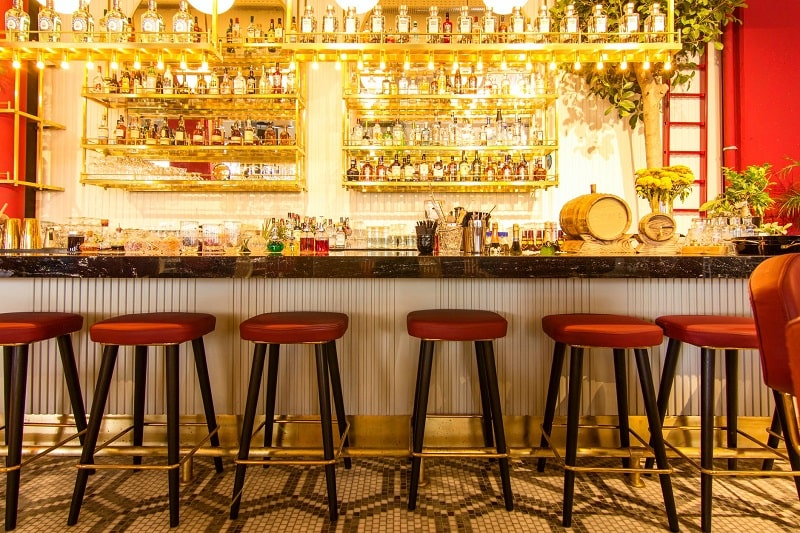
Bar seating is the tall chairs or stools you find along a counter in restaurants, bars, and coffee shops. They're higher than regular dining chairs, usually 28 to 32 inches off the ground, so they match the height of a bar or counter. People use them for quick meals, drinks, or just hanging out. The setup is casual and often faces the bar itself, so you can watch bartenders work or chat with other customers nearby.
Most places use bar seating because it fits more people in less space. A row of stools along a counter takes up way less room than a table with four chairs. It works well for solo diners who don't want to take up a whole table, or for people waiting for their order. Coffee shops especially rely on it, those window-facing seats with the high counters. And in busy restaurants, bar seating helps turn tables faster since people tend to eat and leave quicker when they're at the bar. It's also cheaper to furnish. Stools cost less than full chairs, and you don't need as much floor space per person.
How to Layout Your Bar Seating and Area?
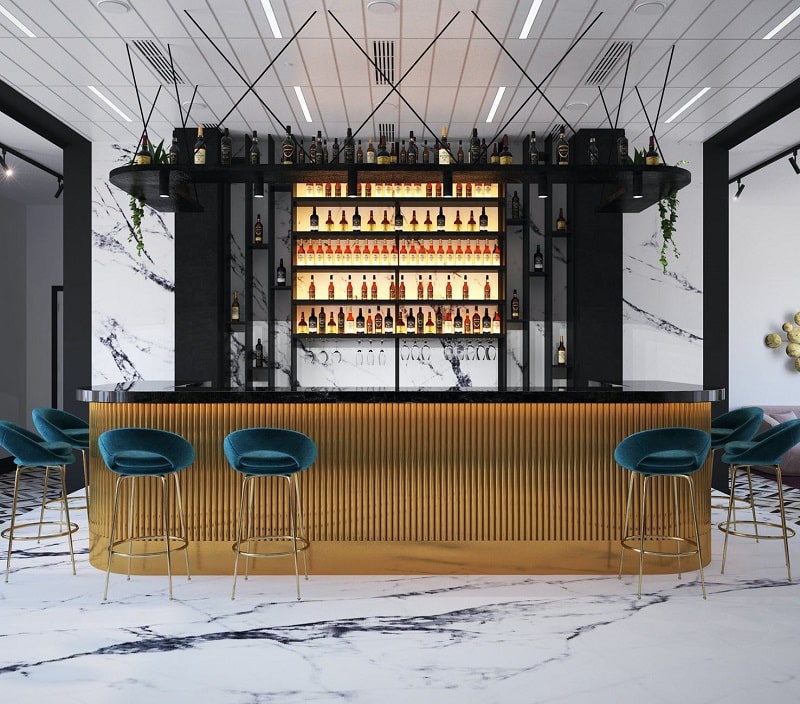
Many restaurant owners get confused while designing their bar area. Spacing between bar stools is the most crucial yet miscalculated aspect of seating for your restaurant's bar. As a restaurant owner, you would want to maximize your seating capacity by putting in as many bar stools as you can. On the other hand, your customers would like to have a well-spaced and comfortable seating clearance. As a trade-off, a 6" side clearance between two backless bar stools is the standard and most popular bar seating design. Here are some additional design tips for setting up your bar:
- Leave sufficient floor space of about 3.5-4 feet along the bar for bar stools and your customers.
- Since most bar stools are 16" to 18" wide, divide your bar countertop length (in inches) by 24 to see how many bar stools you can accommodate comfortably.
- Leave comfortable spacing between the countertop and bar stools. As a rule of thumb, an 18" clearance is comfortable to get in and out of the bar stool.
Bar Seating Dimensions & Spacing
If your bar stools are the wrong height or too close together, people will feel cramped. They'll leave sooner. Or they won't sit there at all.
Getting the measurements right isn't complicated, but it matters more than most people think.
Standard Bar Seating Dimensions
| Bar Type | Counter Height | Stool Seat Height | Space Per Stool |
|---|---|---|---|
| Home Bar | 40–42 inches | 28–30 inches | 26–30 inches |
| Commercial Bar | 42 inches | 29–32 inches | 28–32 inches |
| High-Top Table | 36 inches | 24–27 inches | 24–28 inches |
The Height Rule
Your stool seat should sit 10 to 12 inches below the counter. That's the legroom gap. Any less and knees hit the underside. Any more and people can't reach their plate comfortably.
So if your bar counter is 42 inches high, you want stools around 30 inches. Simple math.
Why Spacing for Bar Seating is Important?
26 inches per stool is tight. Fine for a quick coffee, but not for a meal. 28 to 30 inches is better for commercial spaces where people stay longer.
If you go below 26 inches, elbows touch. People turn sideways to eat. They can't set a bag down. It feels crowded even when it's not.
And here's what most guides don't mention: the width of the stool matters too. A backless stool with a 15-inch seat takes up less space than one with arms. Factor that in before you order.
What Happens If You Get It Wrong
Too high: people's feet dangle and they can't relax.
Too low: they're hunched over their food like they're eating at a kids' table.
Too close: they avoid the bar section entirely and wait for a regular table instead.
You lose seating capacity if people won't actually use those seats.
Don't Forget Footrests!
Stools need a footrest. Not optional. If someone's feet are hanging in the air for 20 minutes, their back starts hurting. The footrest should be about 8 to 10 inches below the seat.
Check that before you buy. Cheap stools skip this and your customers will notice.
Bar Seating Height?
The seating height is another important design consideration in a bar. Bar stools or chairs usually come in three standard seating heights - short, counter, and bar height. Counter height bar stools are rarely used in restaurants. Additionally, some chairs and bar stools are available as extra-tall options although these are also rarely found in restaurants. Typically, you should keep a gap of around 10 to 12 inches between the countertop surface and seating height, and therefore, each stool height is appropriate for a particular countertop height. Some of the most popular seating and countertop heights used in restaurants are:
|
Type of Bar Seating |
Bar stool Height |
Countertop Height |
|
Short Height |
16”-23” |
28”-33” |
|
Counter height |
24”-27” |
35”-39” |
|
Bar Height |
28”-33” |
41”-43” |
|
Extra-Tall Bar Height |
34”-40” |
44”-47” |
What are the Benefits of Bar Seating?
The benefits of dedicated bar seating in your restaurant are manifold, some of which include:
1. Help You Gain Extra Profits:
As a restaurant owner, you thrive to increase your sales and profitability. Since the margins on drinks are higher than food dishes, a bar in your restaurant gives you the perfect opportunity to increase revenue with better profit margins. By giving your guests a chance to order drinks along with their meals, your profits will surely go up. Most importantly, by having bar seating, your restaurant attracts new customers.

2. Affordable Seating Option
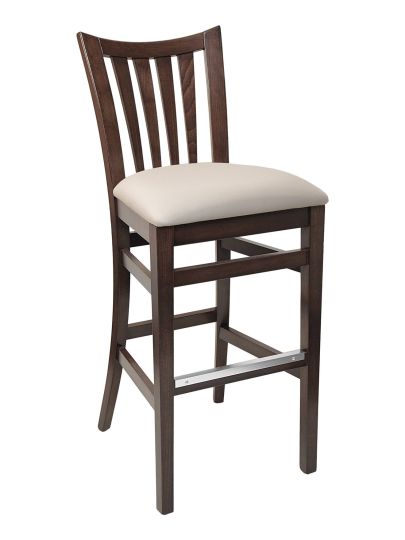
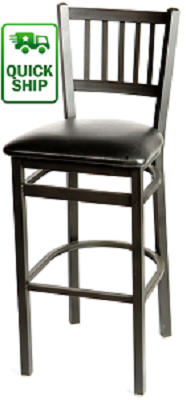
The best thing about bar seating is that you don't have to spend a fortune on them. Contrary to your belief, padded bar stools are economical yet durable alternative to restaurant chairs. How affordable, you ask? Well, you can get a backless, metal frame bar stool with a vinyl seat for as low as $57. Affordable, elegant, and sleek bar stools are the perfect way to jazz up your dining area.
3. Not Limited to Indoor Space
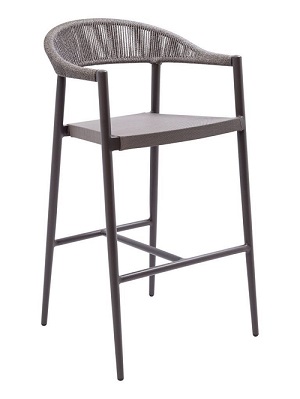
Another thing that goes for bar stools is their versatility. High-quality, weather-resistant bar stools have an easy-going vibe to grace any patio. From a vintage look to the artistic or minimalistic design, outdoor bar stools can make your patio as interesting and unique as your restaurant. Durable bar stools that can withstand extreme weather conditionsare available in several materials like aluminum, molded plastic, natural teak, faux teak, etc.
4. Gives Your Restaurant Expanded Dining Capacity:
As stated before, a bar area was designed as a gathering place in a restaurant where diners could hang out while waiting for their tables to become ready. Bar areas, and therefore bar seating, have expanded to become additional dining areas in many restaurants. So if your dining area is full but your bar seating is open, you can avoid turning away customers who can't wait by seating them in the bar to eat. Some restaurants have even created separate, limited bar menus available only those seated in that area. Configure your restaurants bar area and seating in the way that suits your particular customers taste the best.
What Type Of Bar Seat Often Found At Bar Seating?
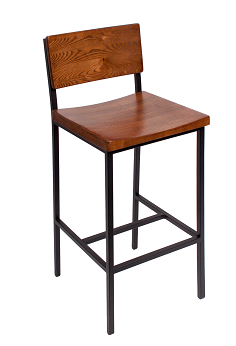
Most bar seating areas use stools with or without backs, depending on the style of the space. Backless stools save room and give a casual feel, while stools with backs and armrests offer more comfort for longer sitting. Swivel stools are also popular in restaurants and home bars since they make it easier to turn and socialize.
The most common type of bar seat is the bar stool, designed to match standard bar or counter heights. Bar stools usually come in three heights: counter-height, bar-height, and extra-tall for high-top tables.
What is High Top Seating?
High-top seating is just tall tables with bar-height stools. The tables sit around 40 to 42 inches high, same as a bar counter.
You see them everywhere now, breweries, sports bars, casual dining spots. They pack more people into less floor space than regular tables. And they feel more social. When you're sitting higher up, it's easier to see across the room and talk to people at other tables.
What are the Pros and Cons of Bar Seating?
Pros:
- Higher seating capacity
- Welcoming for solo diners.
- Makes your restaurant's dining area look visually appealing and vibrant.
- Creates a relaxed and cozy ambiance
Cons:
- Bar height may be uncomfortable to get on and off for some customers
- Backless bar stool designs are not comfortable for longer periods
How to Maintain Bar Seating Furniture?
Investing in bar seating furniture is a one-time affair, but maintaining its top-notch appearance requires prolonged effort. Here are some general tips on the maintenance of your bar seating furniture:
- For outdoor or patio bars, exposure to direct sunlight causes the furniture to lose its sheen and strength. You can either go for umbrellas or shades while planning your outdoor bar seating.
- Inspect metal parts like join ts, bolts, and screw periodically. If you notice any wear and tear or looseness, repair/replace them instantly as they might lead to loss of strengthandaccidents.
- Wipe down any stains as soon as possible and dry with a soft cloth. Create a maintenance schedule for your furniture to extend its durability and lifespan.
- Avoid dragging while moving bar stools. Lift them instead.
Additionally, follow these material-specific tips for bar stools:
1. Vinyl: Vinyl is one of the most popular materials for bar seating. Although it is quite durable, it requires regular care and proper cleaning to ensure it lasts. Wiping down the vinyl seat with a damp cloth and mild soap solution is all that is needed most of the time. Make sure you don't use oil on the vinyl seat as it might harden the material.
2. Wood: For wooden bar stools, water or moisture can be your biggest enemy. Use a dry cloth or soft brush to dust the bar stool. Make sure to dry fully after cleaning so the water doesn't harm the wood.
3. Metal: With metal-frame bar stools, you must be careful about corrosion. If you notice any scratches or exposed areas, lightly sand the surface and apply a fresh coat of paint.
Where to Buy Bar Seating Furniture?
At Missouri Table & Chair, we offer commercial grade heavy duty bar stools in various designs, colors, and materials. With over four decades of experience in making commercial furniture, our elegant yet sturdy bar stools can withstand the lifestyle of any busy restaurant. From bar stools with or without backs, with or without arms, wood, or metal frame, our large inventory offers the perfect solution at the best prices and unbeatable warranty.
Frequently Asked Questions
Q: How much space should be between seat and bar?
A: An 18" clearance between seat and bar is comfortable enough to get in and out of the bar stool.
Q: What is the best bar seating dimension?
A: The standard bar stool height is the best and most popular bar seating dimension. It seats your guests at 30 inches height and goes with the 42 inches countertops. Similarly, best bar stools have 16”-18” width for comfortable seating.
Q: How much space should you leave between bar stools?
A: You should leave atleast 26–32 inches of space from the center of one bar stool to the next. This gives each person enough room to sit comfortably without bumping elbows. For larger stools with arms, add a little more space.