

How to Choose the Right Wood Chairs for Your Restaurant
Wood chairs bring a natural warmth and timeless beauty to any restaurant setting. But with so many different options available in wood types, finishes, designs, and comfort features. Choosing the right ones can feel overwhelming.
This guide breaks it all down to help you make the best decision for your space, budget, and brand.
Why Wood Chairs Are a Restaurant Favorite
- Wood chairs have long been a top pick for restaurants because of their:
- Natural aesthetic that complements both rustic and modern styles
- Durability when made from quality hardwoods
- Customizable finishes to match your interior design
- Versatility across dining styles for casual cafés, upscale dining, bistros and more
But not all wood chairs are created equal. Let’s explore how to choose the right one for your needs.
Types of Wood Used in Restaurant Chairs
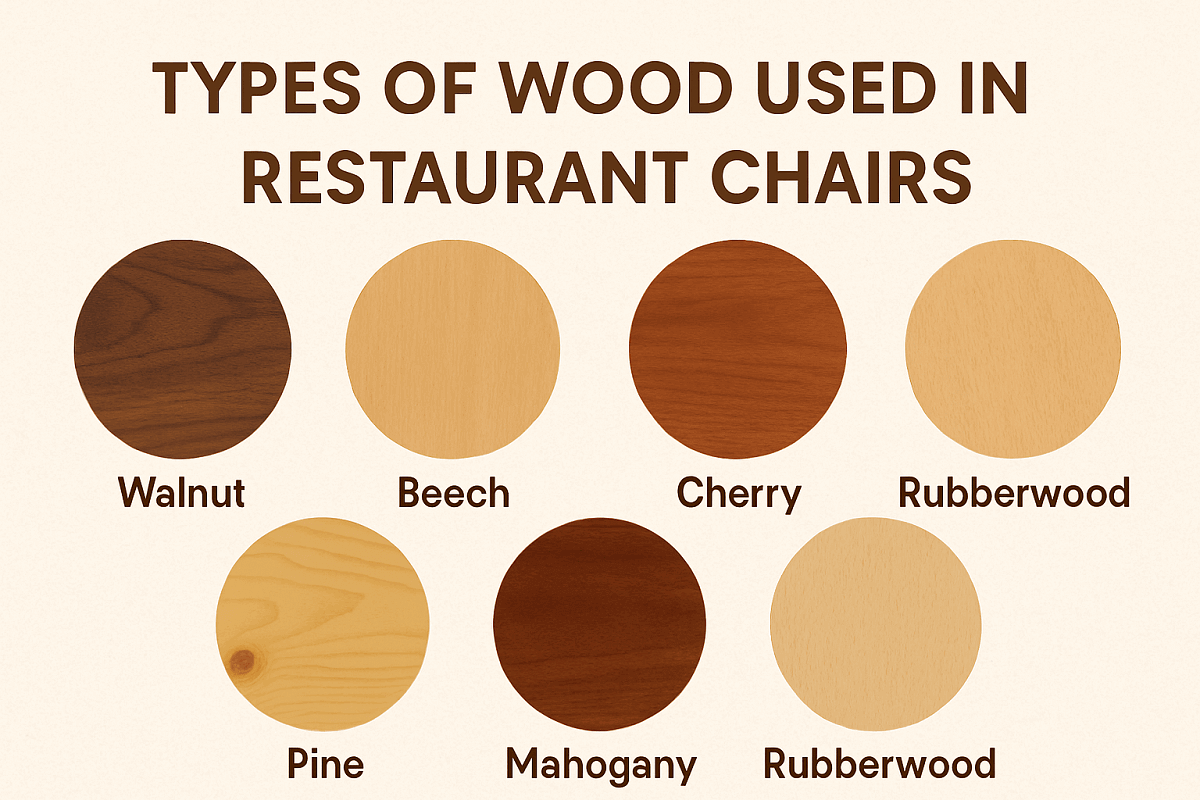
Each wood type has its own strengths (and a few trade-offs). Here's a quick breakdown of popular options:
Not all wood is created equal. The type of wood used in your restaurant chairs can affect durability, weight, appearance, comfort, and cost. Here’s a closer look at the most popular woods used in commercial restaurant furniture and what makes each one unique.
1. Walnut
Appearance: Rich, dark brown with occasional purplish or grey undertones
Grain: Fine and straight, sometimes with waves or curls
Hardness: Medium-hard
Pros:
- Strong and durable resists warping and wear over time
- Naturally beautiful grain; adds elegance without needing heavy stains
- Ideal for high-end, modern, or luxury restaurant spaces
- Great for detailed carving and premium finishes
Cons:
- Higher cost compared to other hardwoods
- Natural color variation may not be ideal for uniform design themes
- Requires some care to maintain its natural richness
Best for: Upscale dining, wine bars, lounges, luxury cafes
2. Oak (White & Red)
Appearance: Light to medium brown with golden or reddish hues
Grain: Prominent, open grain – gives a rustic, hearty look
Hardness: High
Pros:
- Incredibly strong and resistant to heavy use perfect for high-traffic restaurants
- Holds fasteners (screws, joints) tightly ensures solid construction
- Classic appearance fits a variety of restaurant themes
- Long-lasting investment with timeless appeal
Cons:
- Absorbs stains unevenly best to use clear finishes or light staining
- Heavier wood, which may make chairs harder to move or stack
Best for: Casual dining, family restaurants, breweries, steakhouses
3. Cherry
Appearance: Deep red to reddish-brown; darkens over time
Grain: Smooth and fine, with a straight pattern
Hardness: Medium
Pros:
- Rich, warm tones that deepen naturally with age (develops a beautiful patina)
- Polishes well — excellent for upscale interiors
- Consistent, elegant grain perfect for minimalist or classic looks
Cons:
- More expensive due to slower growth and limited availability
- Color changes with exposure to light (may darken unevenly)
- Slightly softer than oak or walnut may require gentle care
Best for: Fine dining, traditional restaurants, romantic bistros, boutique hotel restaurants
4. Pine
Appearance: Pale yellow to light brown; sometimes with visible knots
Grain: Straight with visible knots and character marks
Hardness: Softwood
Pros:
- Budget-friendly and widely available
- Lightweight and easy to rearrange and handle
- Develops a rustic, weathered look over time (great for farmhouse styles)
- Takes paint and stain well for custom color schemes
Cons:
- Soft and prone to scratches, dents, and damage in heavy-use environments
- May require more frequent replacement or maintenance
- Not ideal for fine details or heavy-duty commercial use
Best for: Rustic cafes, country-themed restaurants, pop-up diners, budget-conscious eateries
5. Beech
Appearance: Pale cream to pinkish-brown
Grain: Tight, fine, and uniform
Hardness: Medium-high
Pros:
- Excellent strength-to-weight ratio — strong yet not too heavy
- Very smooth finish, making it ideal for painted or stained surfaces
- Often used in bentwood chairs for its flexibility and strength
- More affordable than walnut or cherry
Cons:
- Slightly less resistant to moisture — not ideal for humid or outdoor areas
- Can dent under sharp impacts
Best for: Modern cafes, mid-range restaurants, fast-casual eateries
6. Mahogany
Appearance: Rich reddish-brown with fine grain
Grain: Straight, smooth, often glossy
Hardness: Medium
Pros:
- Classic, elegant appearance that adds a formal feel
- Naturally resists moisture and wear
- Stains and polishes exceptionally well
- Light weight for its strength
Cons:
- More expensive, often imported
- Quality can vary; Always source from a trusted supplier
Best for: Heritage-style restaurants, traditional fine dining, luxury lounges
7. Rubberwood (Eco-Friendly Option)
Appearance: Light yellow to pale cream
Grain: Fine and straight
Hardness: Medium
Pros:
- Affordable and sustainable, made from retired rubber trees
- Takes stain and finish well
- Uniform appearance ideal for clean, modern interiors
- Resistant to shrinkage and cracking
Cons:
- Slightly less durable than oak or walnut
- Susceptible to damage from moisture or rough use
Best for: Sustainable restaurants, cafés, modern casual eateries
Quick Comparison Chart
| Wood Type | Durability | Appearance | Price Range | Best For |
|---|---|---|---|---|
| Walnut | ★★★★☆ | Elegant, dark brown | $$$$ | Upscale dining |
| Oak | ★★★★★ | Rustic, heavy grain | $$$ | High-traffic venues |
| Cherry | ★★★★☆ | Deep red, ages well | $$$$ | Fine dining |
| Pine | ★★☆☆☆ | Light, rustic, knotty | $ | Budget, casual |
| Beech | ★★★★☆ | Smooth, uniform | $$ | Modern casual |
| Mahogany | ★★★★☆ | Rich, polished | $$$$ | Classic luxury |
| Rubberwood | ★★★☆☆ | Pale, modern | $$ | Eco-conscious brands |
Stain & Finish Options: The Look You Want
Even if two chairs are made from the same wood, they can look completely different depending on the stain color and finish.
Popular stain colors include:
- Walnut: deep and rich
- Espresso: bold and contemporary
- Cherry: warm and vibrant
- Natural: light and airy
- Mahogany: classic and elegant
Tip: Choose stains based on your restaurant’s color palette and lighting. Dark stains add drama, while lighter stains make a space feel open and inviting.
Comfort Counts: Don’t Overlook Seating Experience
Let’s be real: a beautiful chair isn’t much use if it’s uncomfortable. Here’s what to consider:
Wood Seat vs Upholstered Seat
Wood Seat: Easy to clean and durable, but can feel firm over time.
Upholstered Seat: Adds softness and comfort, ideal for longer dining periods. Choose commercial-grade vinyl or fabric for easy maintenance.
Saddle Seats
These slightly curved seats offer more ergonomic support than flat ones and are a great option if you're sticking with all-wood construction.
Final Tips for Buying Wood Restaurant Chairs
- Order samples or view in-person if possible – stains and finishes often look different in real life than online.
- Think about maintenance – will staff need to wipe them down quickly between seatings?
- Measure your layout carefully – how many can fit without crowding the dining area?
- Mix and match smartly – use the same chair in different finishes to define zones (e.g., bar area vs dining room).
Need Help Choosing?
At GoTable, we offer a wide range of commercial-grade wood restaurant chairs, from timeless classics to contemporary designs. Our team is happy to help you find the perfect match for your space, brand, and budget.