

Bar Layout Guide for Better Restaurant Flow
Designing a Restaurant Bar Layout is one of the most exciting and challenging parts of opening or renovating a restaurant. A well-planned bar layout improves customer flow, increases bartender efficiency, and directly impacts sales. On the other hand, a poorly designed bar can lead to long wait times, frustrated staff, and lost revenue.
This bar layout guide will walk you through the key design and functional considerations to help you create a bar that looks great, works efficiently, and enhances the overall restaurant experience.
Why Bar Layout Matters for Restaurant Success
Your bar layout affects more than just aesthetics. It plays a crucial role in:
-
Customer comfort and movement
-
Bartender workflow and speed of service
-
Seating capacity and revenue per square foot
-
Overall atmosphere and brand identity
A smart bar layout balances appearance, ambiance, and function to support both guests and staff.
Appearance and Ambiance in Bar Layout Design
Choosing the Right Theme and Décor
The first step in planning your bar layout is deciding on the overall décor and theme. Ask yourself:
-
Do you want a relaxed, casual bar where guests feel at home?
-
Or a sophisticated, upscale atmosphere with a polished look?
Your theme will influence everything from seating arrangements to spacing and lighting.
For a communal, laid-back bar, layouts should feel welcoming without being overcrowded. Keep seating close enough to encourage conversation, but leave sufficient aisle space for servers and guests to move comfortably.
For a high-end cocktail bar, a more open layout works best. Extra space between seating areas creates privacy and a refined atmosphere while improving traffic flow.
Image Source: Cocktail bar
Seating Arrangements and Guest Comfort
Seating plays a major role in how long guests stay and how much they spend.
-
Bar stools encourage quick turnover
-
Lounge chairs and couches invite guests to linger
-
Booths or semi-private seating enhance comfort in upscale settings
Strategically mixing seating types can help maximize both guest satisfaction and revenue.

Image Source: Bar chair
Focal Points That Enhance the Bar Experience
Focal points guide where guests naturally direct their attention while seated at the bar.
Common focal points include:
-
Artwork or feature walls
-
TVs for sports bar environments
-
Open views, windows, or Outdoor Chair scenery
-
Statement lighting or shelving displays
A growing trend in bar design is offering guests a behind-the-scenes view. Open bar concepts that showcase drink preparation or food plating add entertainment value and create a more immersive experience.
When choosing focal points, always consider your target audience and what will enhance their visit.

Image Source: Outdoor Chair
Functional Bar Layout Planning
While appearance draws guests in, function keeps operations running smoothly. An efficient bar layout reduces staff fatigue, improves service speed, and minimizes errors.
Bar Workflow and Staff Efficiency
A well-designed bar layout should support a logical workflow:
-
Bartenders should reach sinks, ice, glassware, and liquor with minimal movement
-
Servers should have clear paths without crossing bartender work zones
-
POS stations should be easy to access without disrupting service
Efficient layouts lead to faster service and happier customers.
Sink and Sanitation Requirements
Every bar must meet health and safety requirements.
-
A minimum of two sinks is recommended
-
One sink should be designated specifically for handwashing
-
Additional sinks may be required for glassware and bar tools
Placing sinks within easy reach of bartenders helps maintain cleanliness without slowing service.
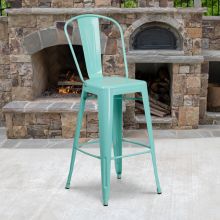
Image Source: Height Bar Stool
Ice Maker Placement and Capacity
Ice is one of the most frequently used bar resources. When planning your bar layout, consider:
-
A small ice maker behind the bar for quick access
-
A larger ice machine in the back of house for high-volume service
-
Distance between ice storage and workstations
The right ice setup prevents bottlenecks during peak hours.
Storage and Back Bar Design
Proper storage keeps your bar organized and efficient.
Key storage options include:
-
Back bar tools shelving for liquor display and accessibility
-
Under-bar shelving for glassware and tools
-
Refrigerated storage for mixers, beer, and garnishes
Well-planned storage reduces clutter and speeds up service.

Image Source: Back bar design
Common Bar Layout Mistakes to Avoid
-
Overcrowding the bar area
-
Poor spacing between seating and walkways
-
Inadequate storage for supplies
-
Ignoring bartender workflow
-
Prioritizing looks over functionality
Avoiding these mistakes can save time, money, and frustration in the long run.
Final Tips for Creating an Efficient Bar Layout
A successful bar layout blends style, comfort, and function. Before finalizing your design:
-
Test traffic flow during busy hours
-
Ensure compliance with local health codes
-
Choose furniture that supports durability and comfort
-
Design with both customers and staff in mind
Need Help Designing Your Bar Layout?
At GoTable, we help restaurant and bar owners create layouts that improve flow, maximize seating, and enhance the guest experience. From bar tables and seating to layout guidance, our team is here to help.
Call us: 800-225-4935
Email: [email protected]
Request a free bar layout consultation today